

Hideo Kojima makes games the way a certain kind of director makes films: with an obsessive personal vision, an appetite for long cutscenes, and a tendency to fold philosophical questions into action mechanics. The through-line across Metal Gear Solid, Zone of the Enders, and Death Stranding is not genre -- it shifts from stealth thriller to mech action to delivery-sim -- but sensibility. His work is about the costs of power, the loneliness of the exceptional person, and the strange intimacy between a player and a character who knows they are in a game. Fans arrive for the spectacle and stay because the fiction keeps pulling at something real.
Essential Hideo Kojima
The core catalog, from stealth classic to walking epic




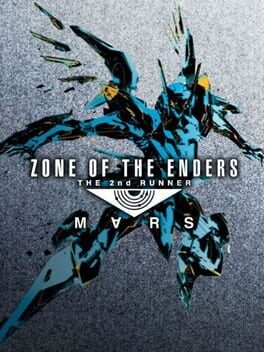

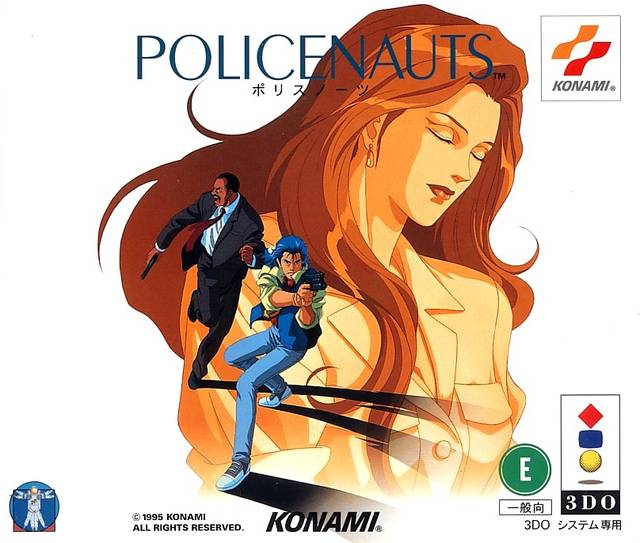
If You Love the Auteur Approach to Games
Games built around a singular creative vision with cinematic ambition
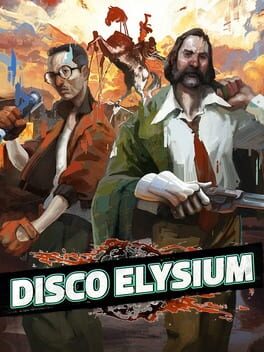
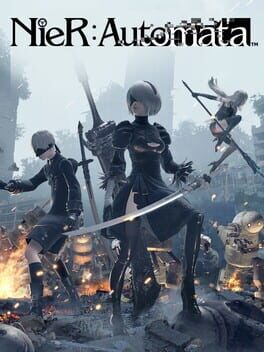





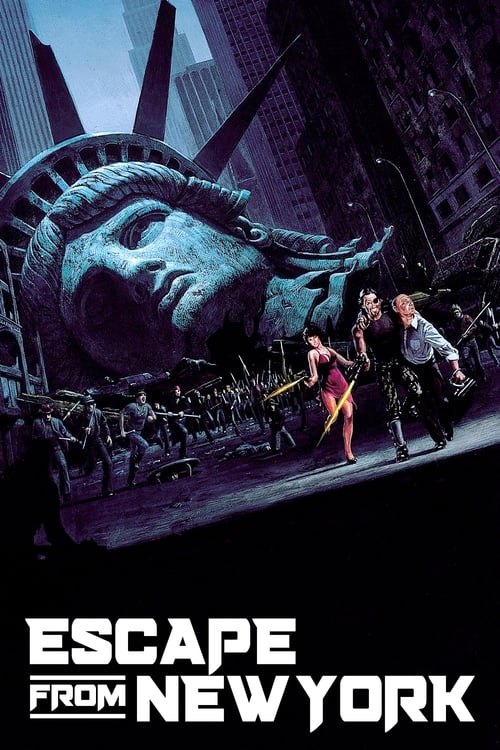
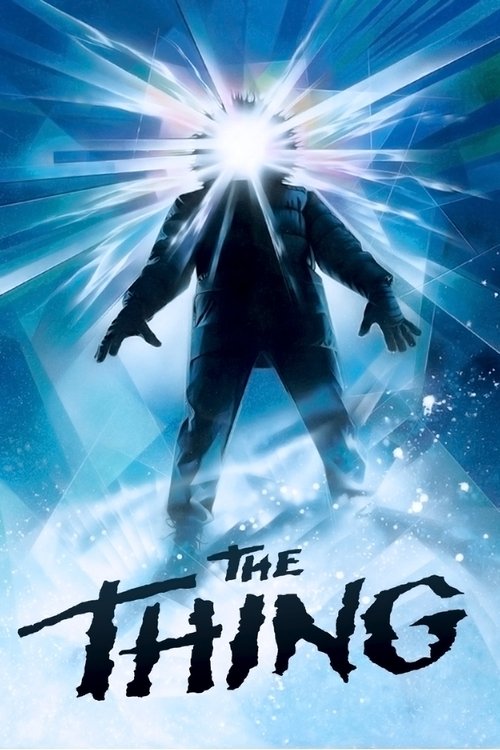
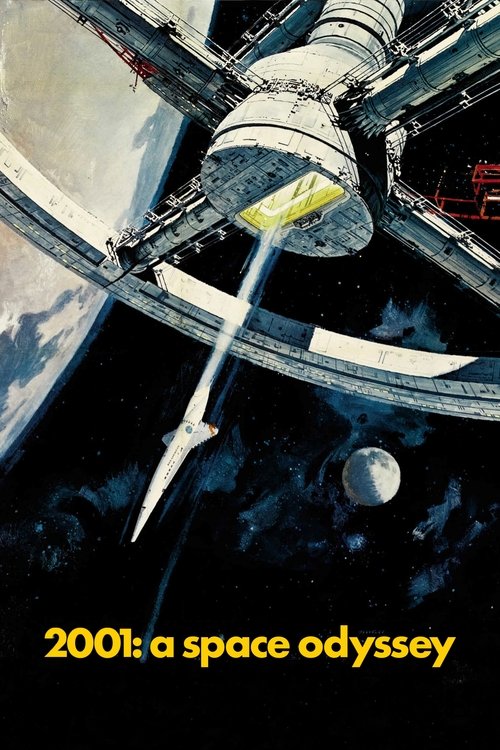
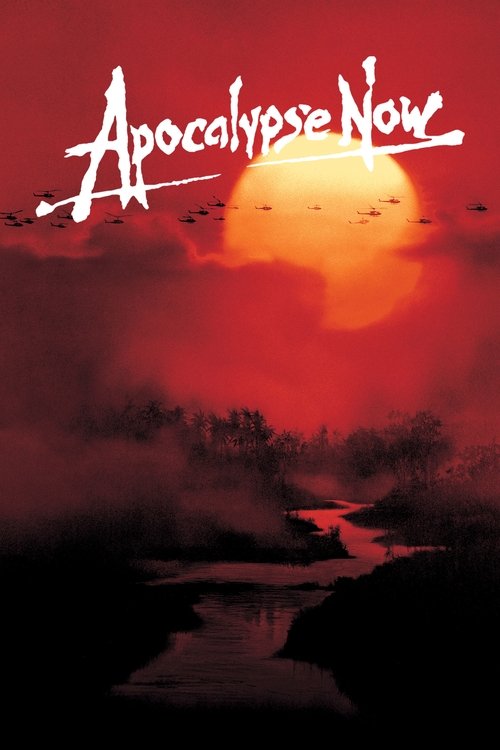
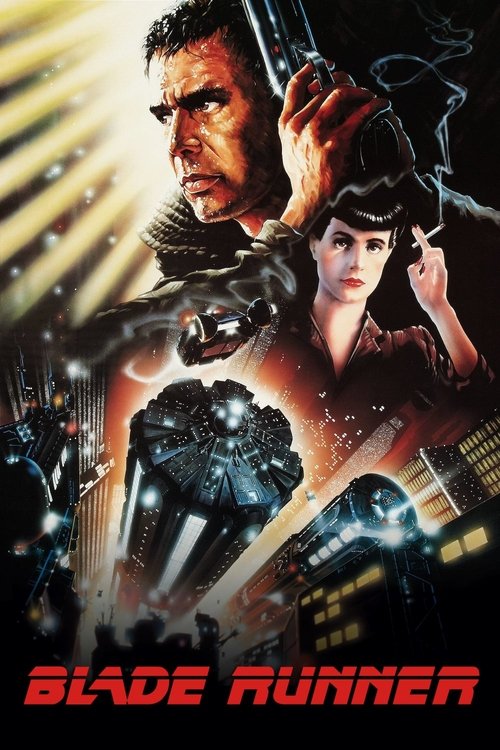
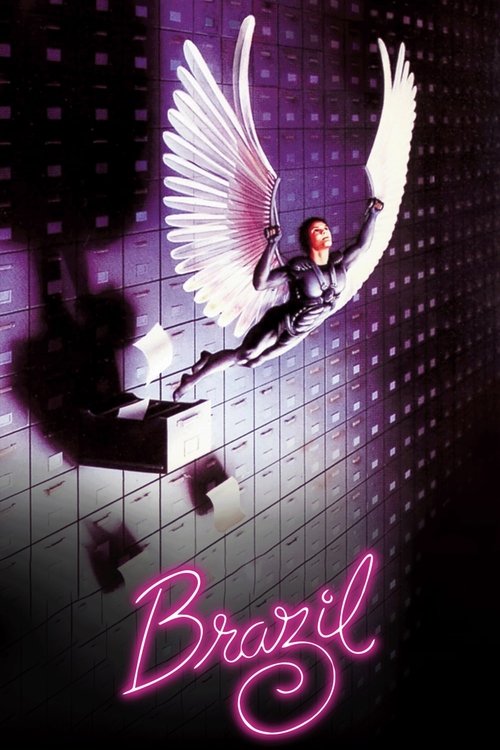
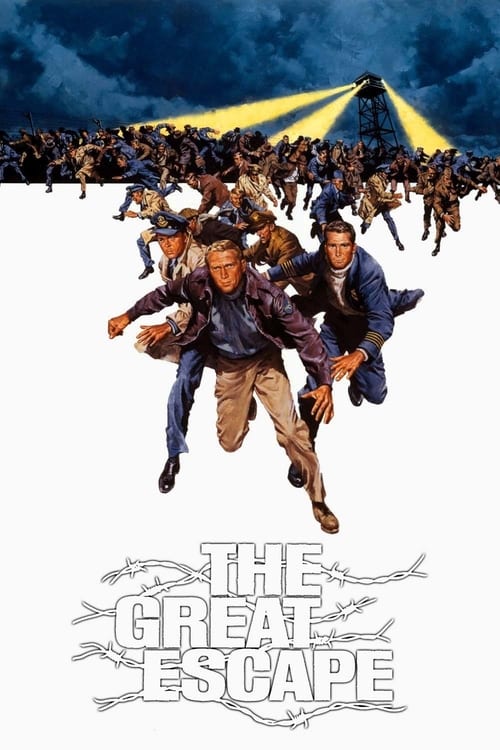
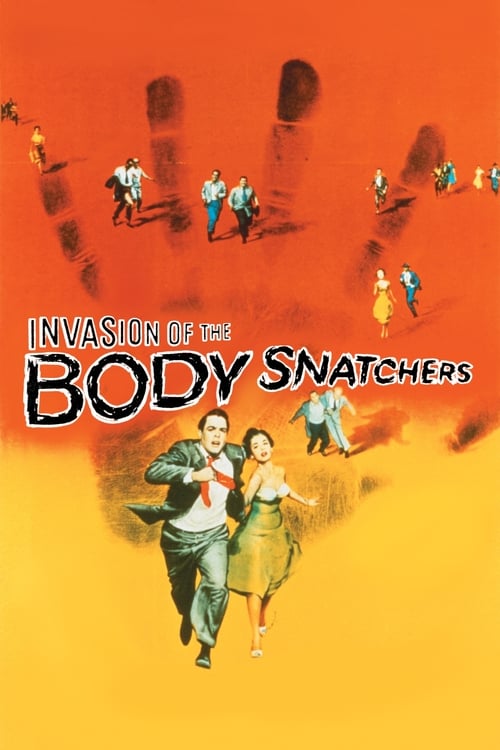
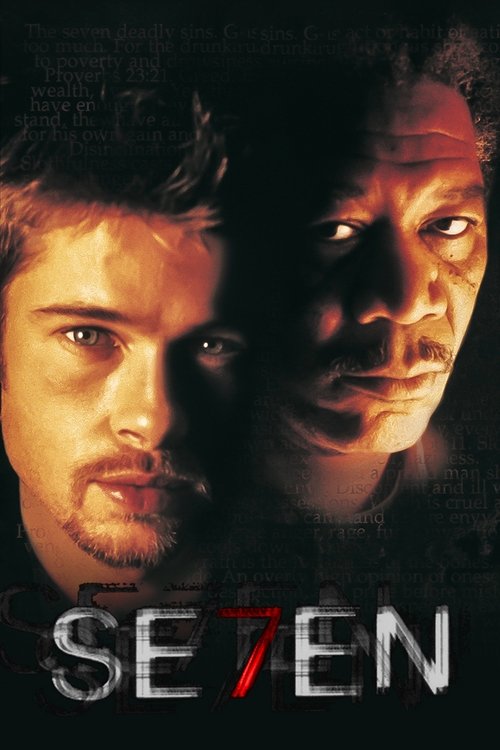
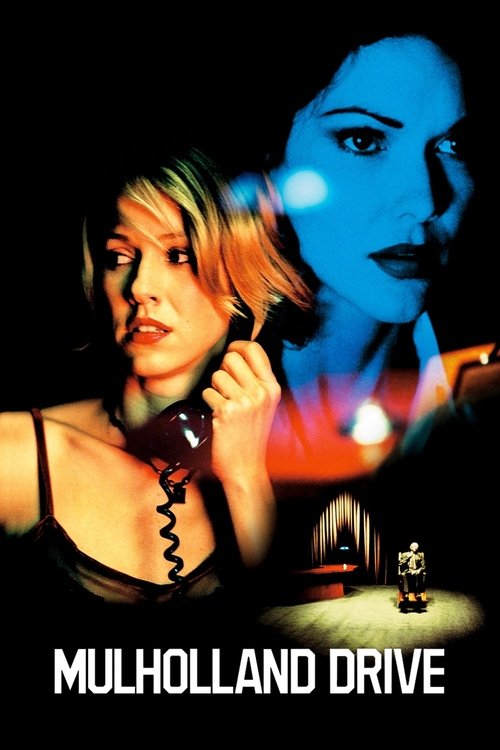
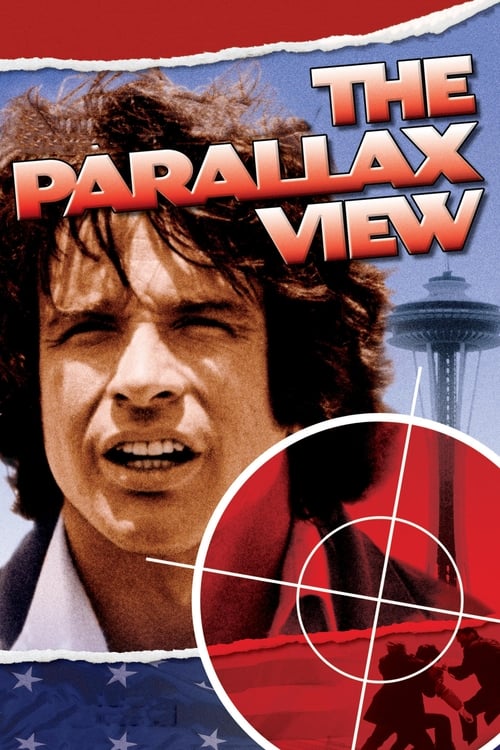
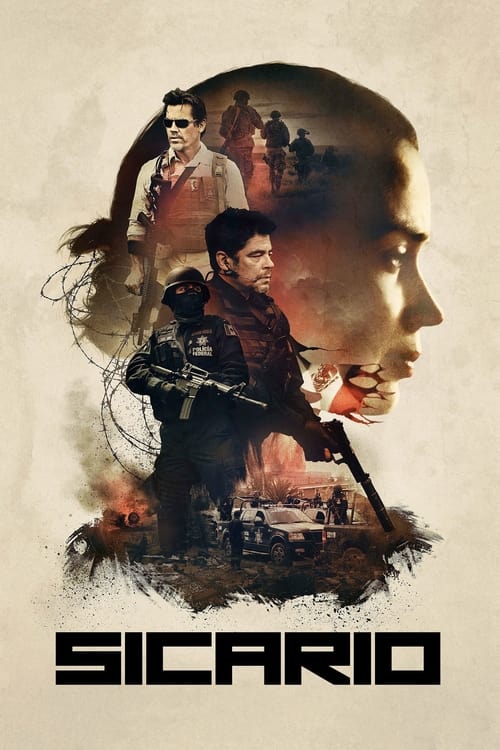
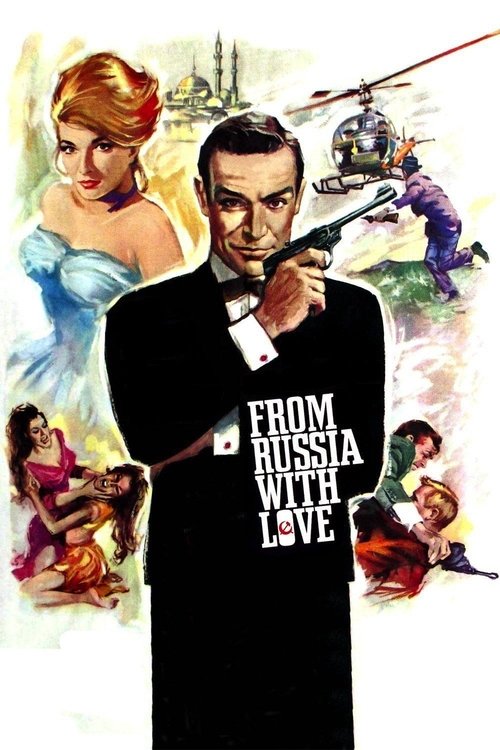
The Films Kojima Loves (and That Love Him Back)
Espionage, sci-fi, surreal cinema -- the DNA behind the games
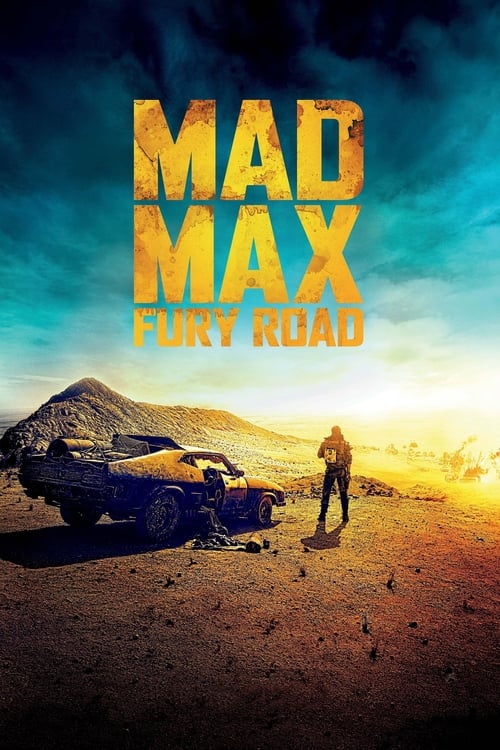
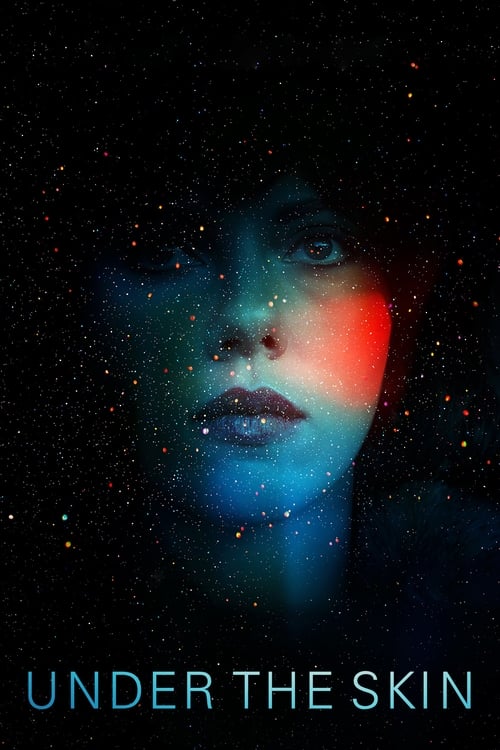
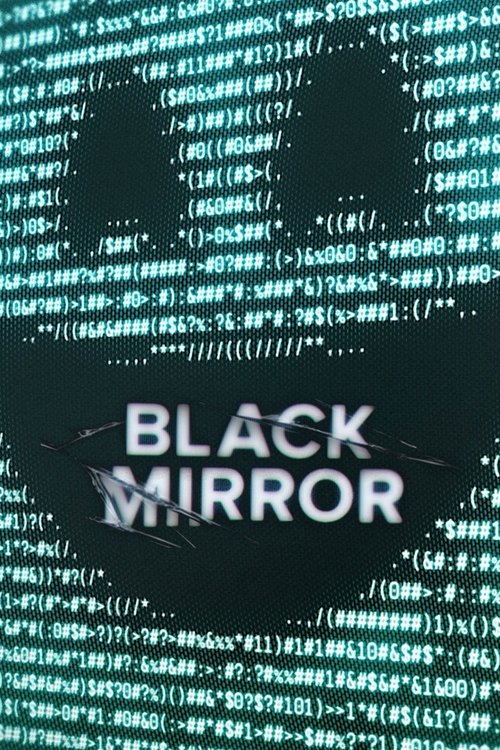
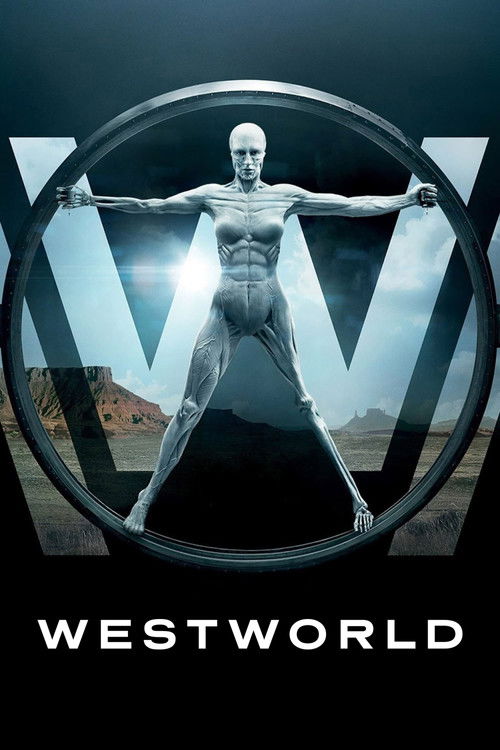
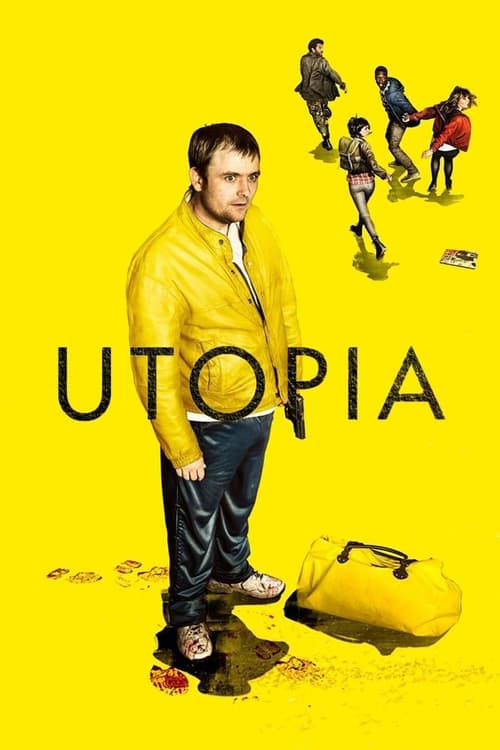
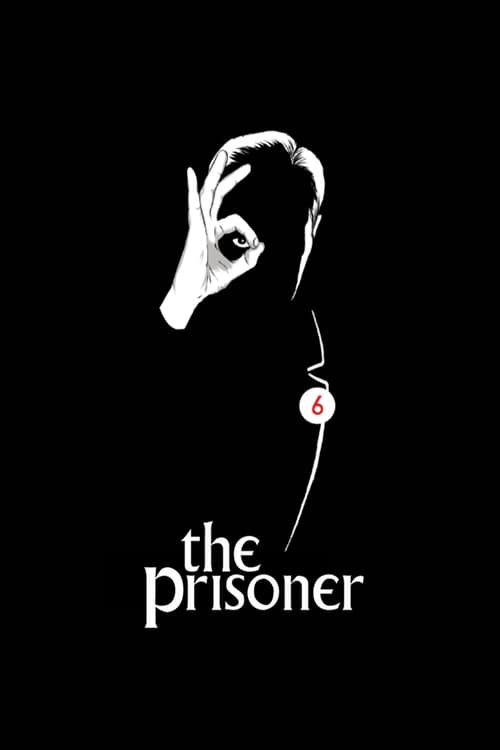
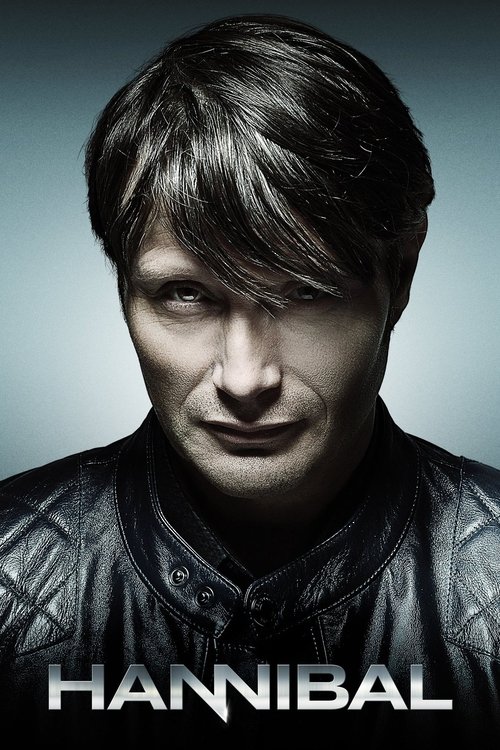
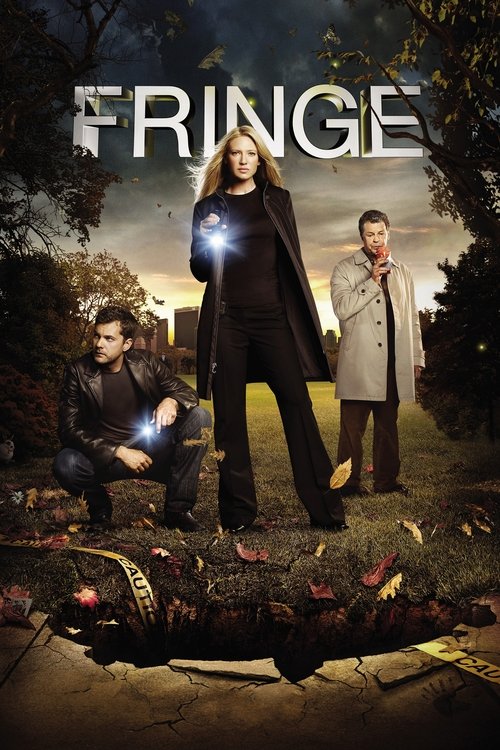
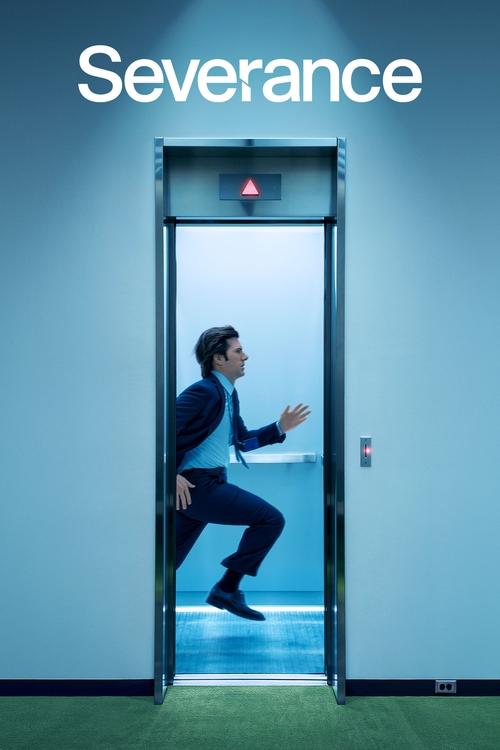
Series With the Same Paranoid Intelligence
TV that shares the espionage, body-horror, and conspiracy energy



Novels for the Techno-Thriller Headspace
Fiction that interrogates identity, information, and institutional power


Metal Gear Solid 2 Predicted the Information Age
Released in 2001, Metal Gear Solid 2 gave players a protagonist swap mid-game, broke the fourth wall relentlessly, and delivered a closing monologue about the weaponization of information and the death of context. Critics called it self-indulgent. Two decades of social media later it reads as an accurate forecast. The 'S3 Plan' plot is a thesis about how curated reality colonises individual agency -- dressed up as a stealth action game.

Death Stranding Made the Walk the Point
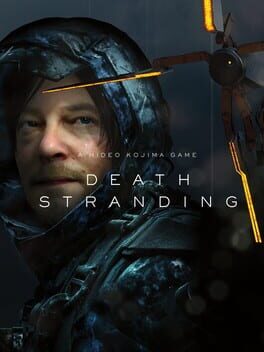
Every major studio note in game development says 'make the travel faster.' Death Stranding made the travel the game. The strand mechanic -- ropes, ladders, and safe-houses left by other players -- reframes what multiplayer means: not competition but quiet mutual aid across a broken landscape. The game is boring to watch and profound to play, which is exactly the right ratio for what it is trying to say.
Snake Eater Is the Series at Its Most Cinematic
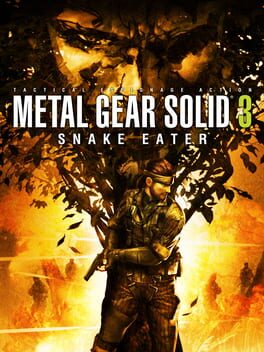
Metal Gear Solid 3 is Kojima's Bond film -- Cold War jungles, a treacherous mentor, and a villain reveal that recontextualises everything. The final boss fight asks the player to do almost nothing, and the cost of that nothing is heavier than any action sequence in the series. It is the one entry where the emotional climax and the mechanical climax are the same moment.
Kojima's Stealth Is a Genre Unto Itself
The Metal Gear formula -- radar, enemy cones of vision, cardboard boxes -- spawned an entire vocabulary for stealth games. But what distinguishes Kojima's approach from Splinter Cell or Thief is the comedy: the soldiers who talk about their weekend plans, the boss fights that require reading the game box for a frequency. The tension is always one joke away from dissolving, and that tonal oscillation is what gives the serious moments their weight.
A Career in Provocations
- 1987Metal Gear (MSX2) -- stealth action invented Metal Gear
- 1992Snatcher -- cyberpunk visual novel establishes the literary ambition Snatcher
- 1994Policenauts -- noir adventure with motion-captured performances Policenauts
- 1998Metal Gear Solid -- PlayStation blockbuster, mainstreams cinematic games Metal Gear Solid
- 2001Metal Gear Solid 2 -- protagonist bait-and-switch, media-theory finale Metal Gear Solid 2: Sons of Liberty
- 2004Metal Gear Solid 3 -- Cold War origin story, most emotional entry Metal Gear Solid 3: Snake Eater
- 2010Peace Walker -- portable co-op, Mother Base system debut Metal Gear Solid: Peace Walker
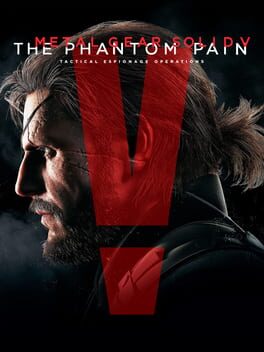
- 2015The Phantom Pain -- open-world pivot, controversial ending Metal Gear Solid V: The Phantom Pain
- 2019Death Stranding -- Kojima Productions' debut, walking as manifesto Death Stranding
- 2021Death Stranding: Director's Cut -- expanded, PS5 native Death Stranding: Director's Cut
Cinematic Sci-Fi and Conspiracy
For Fans of Metal Gear Solid
Explore the For Fans of Metal Gear Solid guide →I've always thought of games as the ultimate art form -- they can make you feel things no other medium can, because you are the one doing it.Hideo Kojima