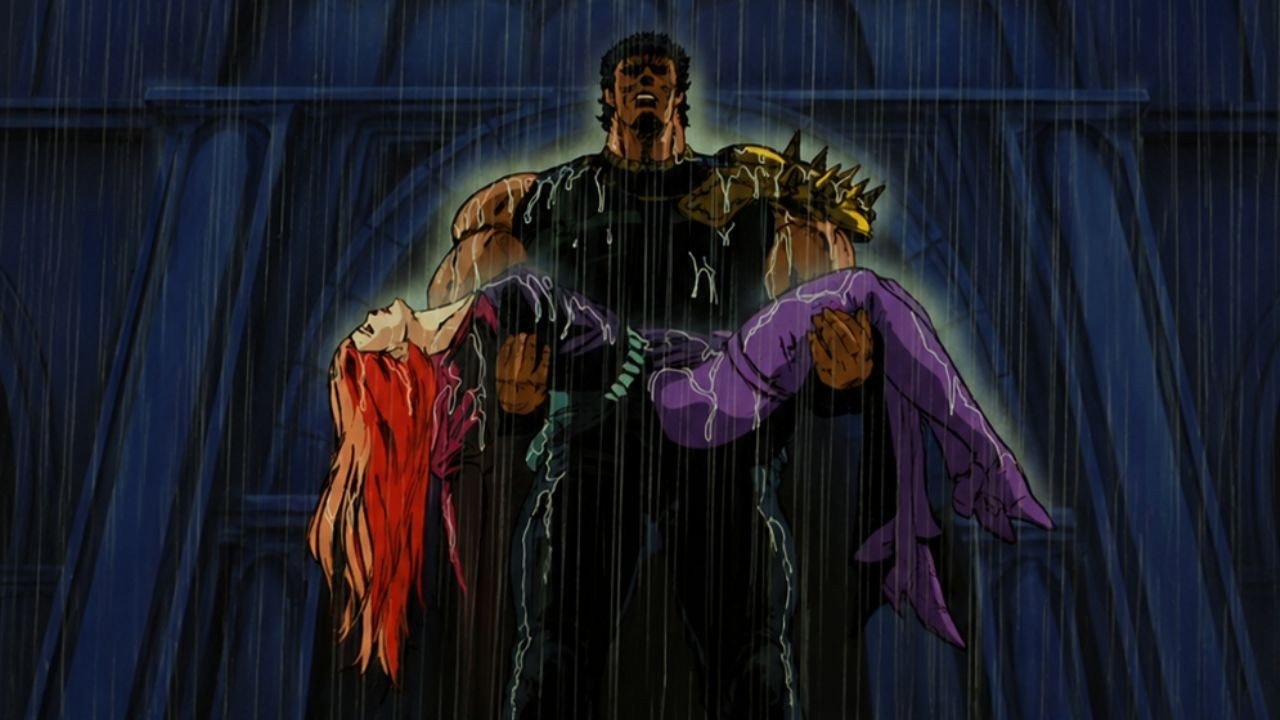

Fist of the North Star (Hokuto no Ken) is the rare property that turns brutality into something close to scripture. Buronson and Tetsuo Hara's manga, launched in Weekly Shonen Jump in 1983, gave post-nuclear Japan a martial-arts messiah: Kenshiro, heir to the Hokuto Shinken assassination style, who makes enemies explode from within with a single touch. What keeps it alive four decades later is not the violence alone. It is the operatic grief underneath: a world stripped to its skeleton, where the only things worth fighting for are the people who cannot fight for themselves. The series spawned one of the most enduring anime runs of the 1980s, a theatrical film, multiple game adaptations, and a fandom that spans generations. If you love the wasteland poetry, the muscled mythology, and the quiet tears behind the carnage, this is your map.
Essential Fist of the North Star
The core works, from the manga that started it all to the defining screen adaptations
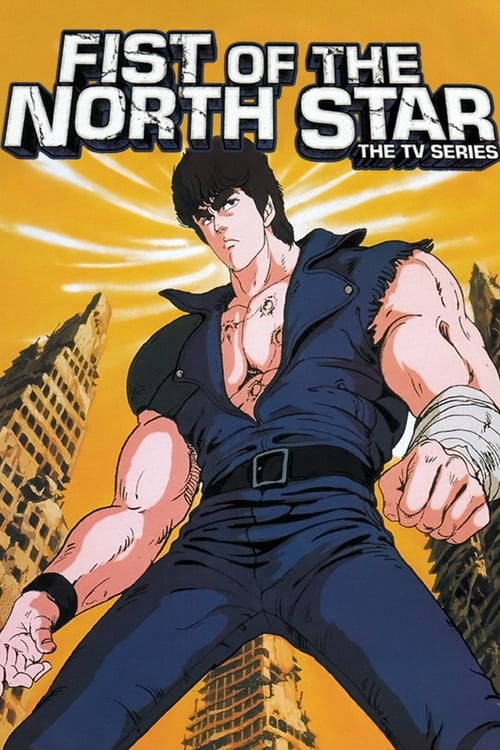
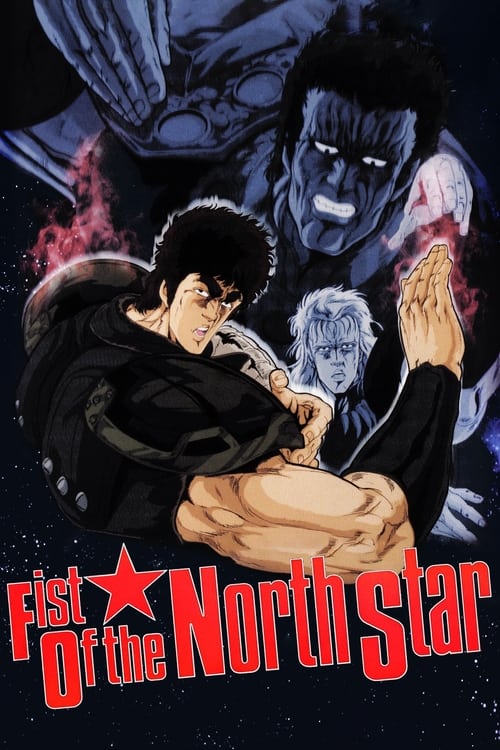

If You Love the Wasteland
Post-apocalyptic anime and films built on the same scorched foundation

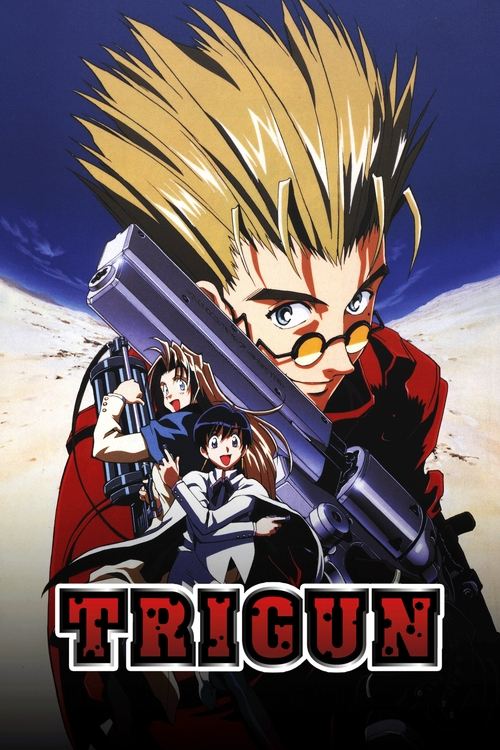
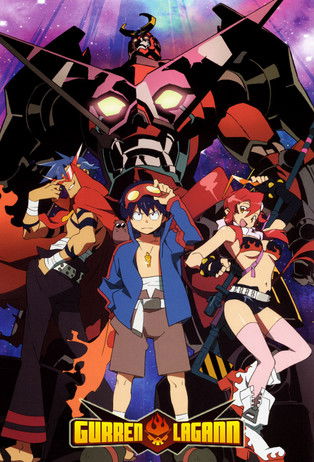
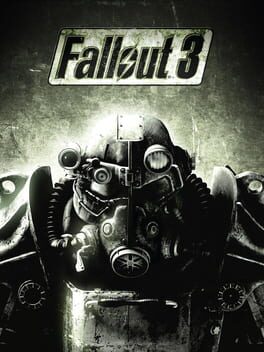
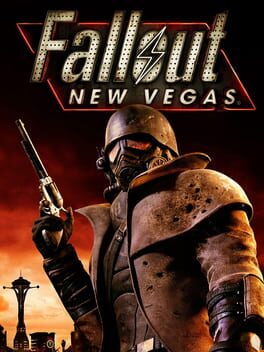
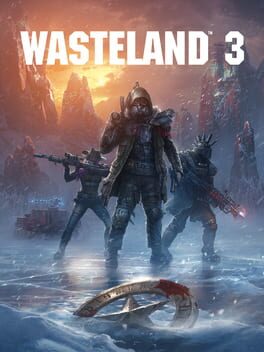
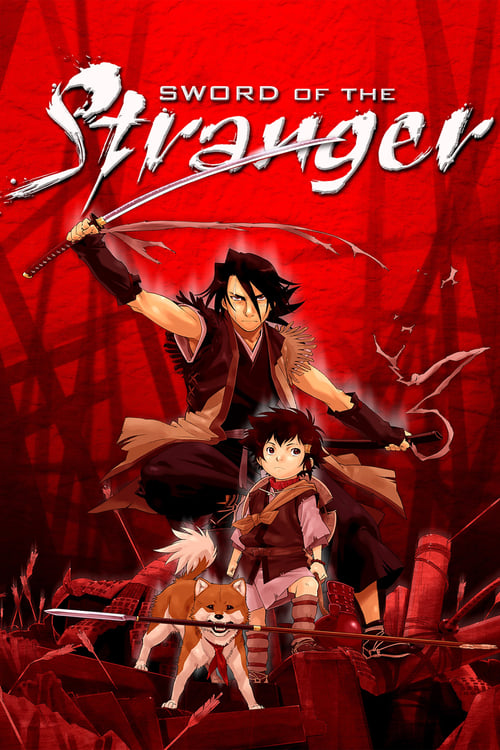
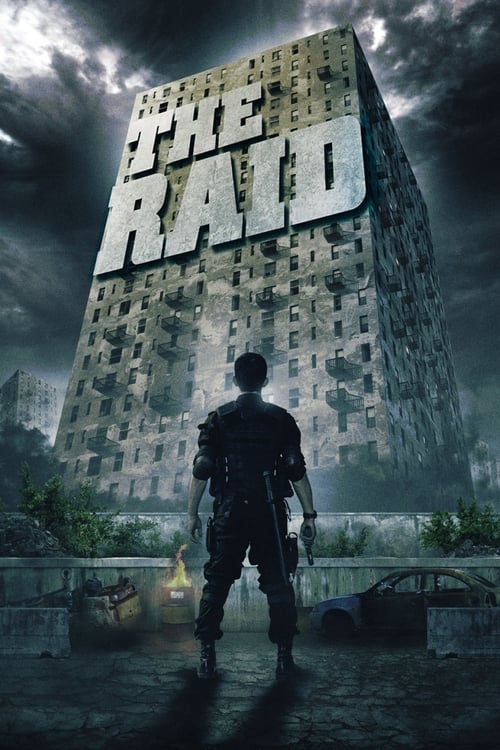
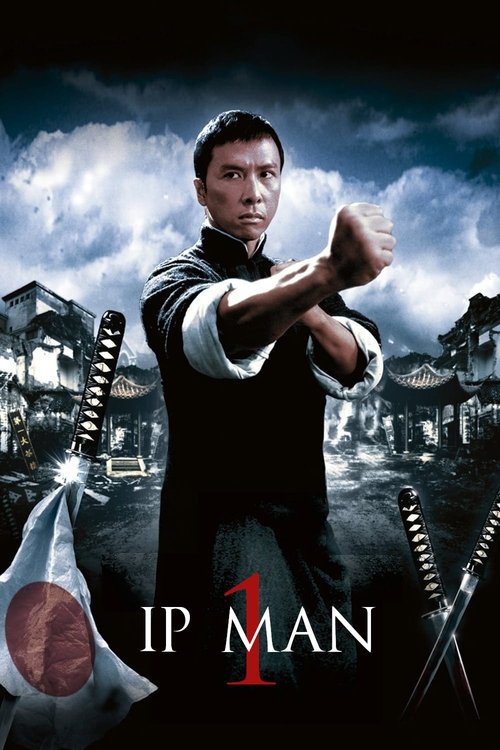
Martial Arts at the Edge of the World
Anime and films where the fighting carries real philosophical weight

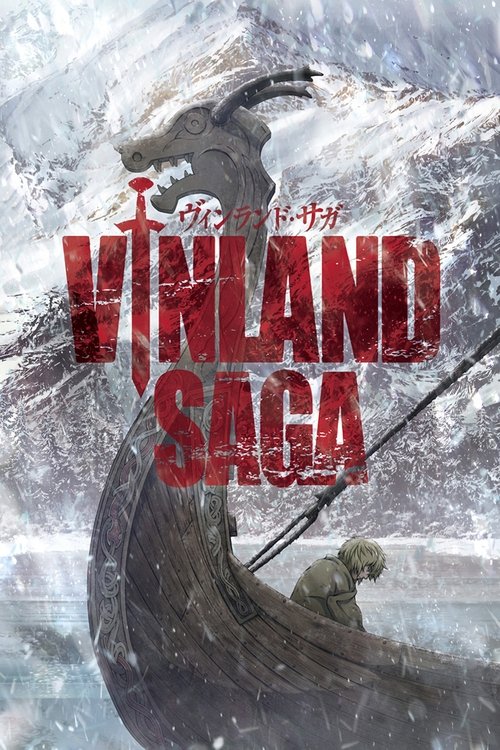
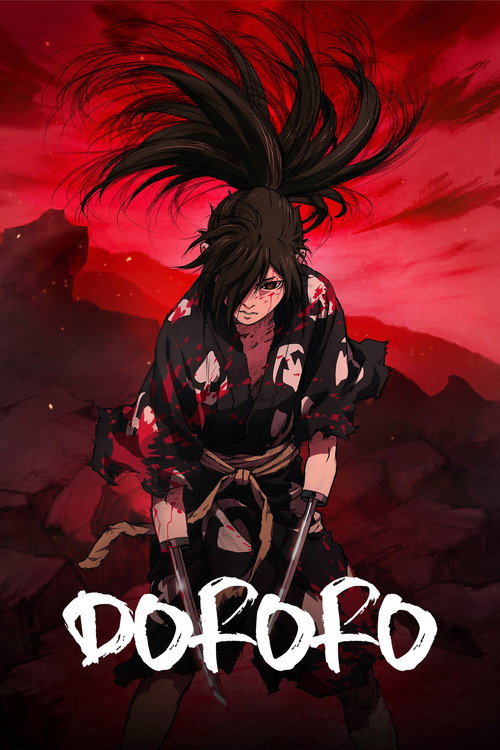
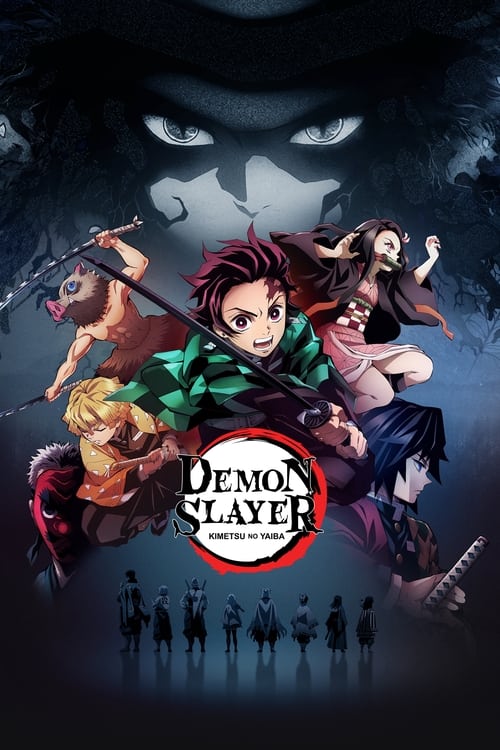

Broken Worlds, Unbending Heroes
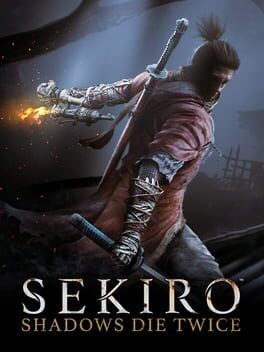
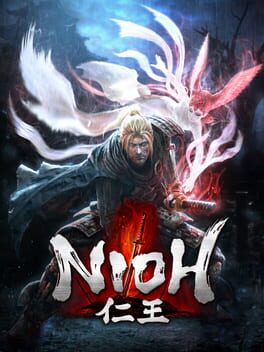
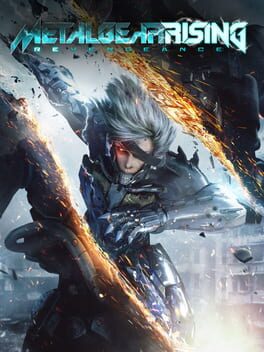
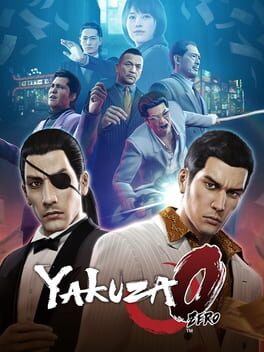
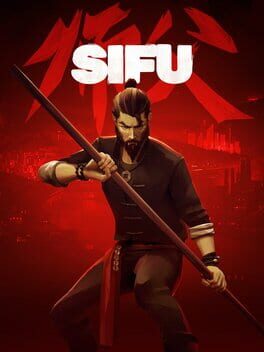
Games built on the same lone-warrior-against-the-wasteland energy

The Novels and Manga Behind the Myth
Books and manga that share the same fatalist heroism and violent beauty


The Manga Is the Masterpiece
The 1984-1988 anime is iconic, but Buronson and Hara's original Weekly Jump run is where the full vision lives. The artwork escalates from chapter to chapter: Hara's anatomy becomes increasingly unreal, bodies swelling past human proportion into something approaching ancient sculpture. Kenshiro's grief over Shin, over Julia, over each rival he must destroy is communicated in full-page spreads that hold silence the way good cinema does. Read the manga first, then watch the anime for the legendary voice cast.
Akira Shares the Same Sky
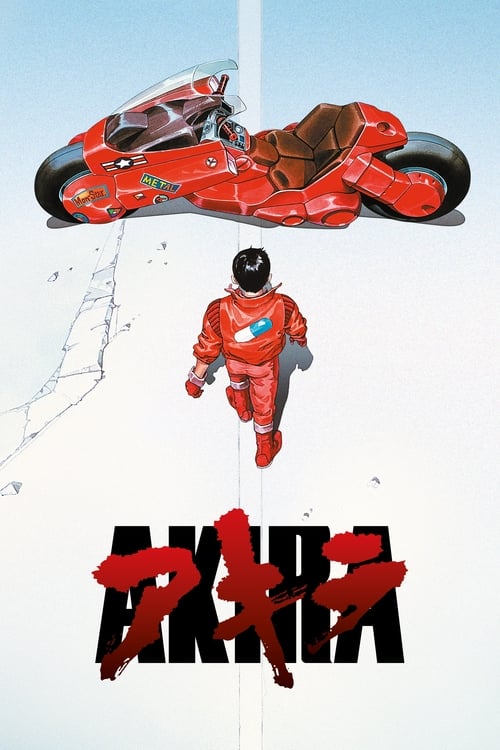
Akira (1988) and Fist of the North Star occupy the same cultural moment and the same emotional frequency: post-catastrophe Japan, superhuman bodies as metaphors for social collapse, and an aesthetic debt to American road mythology filtered through a uniquely Japanese sense of fate. Both feature protagonists who absorb punishment that would kill anyone else, and both ask what it costs to survive when the world around you has already ended. If Kenshiro resonates, Kaneda and Tetsuo are essential companions.
Mad Max and Hokuto No Ken Grew Up Together
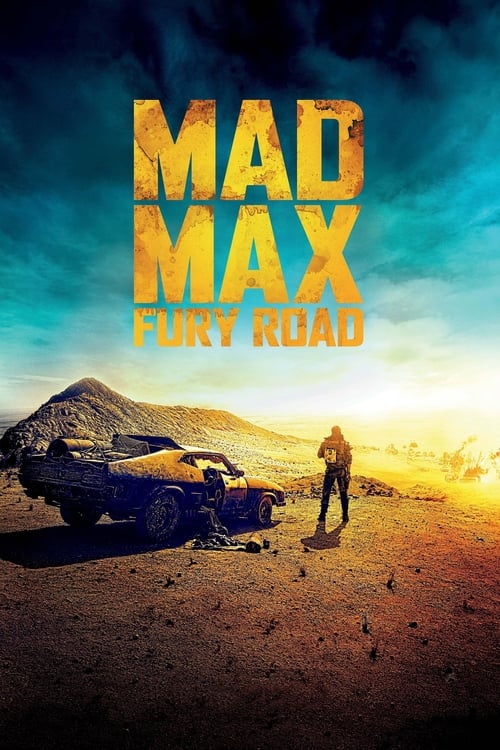
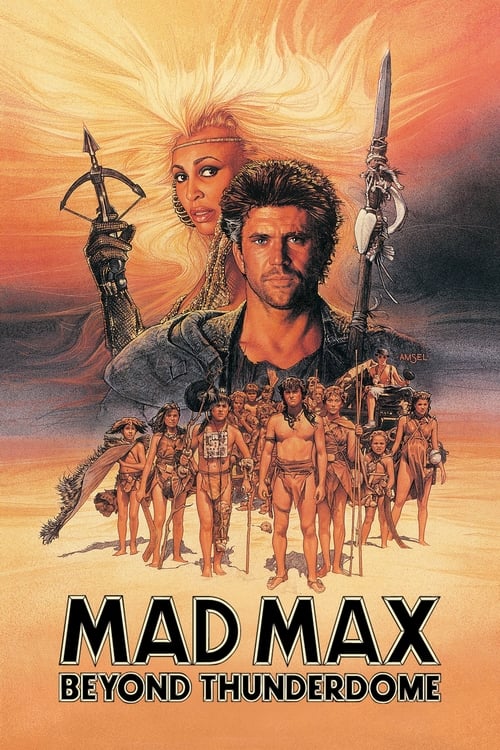
George Miller's Mad Max 2: The Road Warrior (1981) preceded the manga by two years and Fist of the North Star's creators absorbed its visual language directly: the desert gangs, the spiked leather armor, the lone warrior protecting a convoy. What Hokuto no Ken added was a Chinese martial arts cosmology and a body-horror dimension Miller never explored. Watching them together is watching two civilizations invent post-apocalyptic mythology in parallel, with different tools and the same hunger.
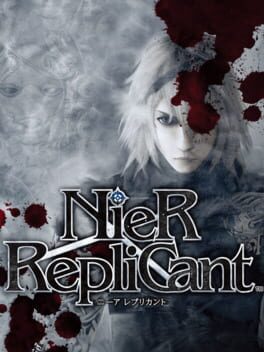
NieR: Automata Is Fist of the North Star for the Current Generation
Yoko Taro's NieR: Automata shares Hokuto no Ken's core obsession: what does it mean to keep fighting after the world has already decided you lost? Both feature warriors executing opponents with devastating precision while carrying grief they cannot put down. Automata trades the muscled brutality for android elegance, but the melancholy underneath is identical, and its post-apocalyptic landscape has the same haunted silence as the Wastelands Kenshiro crosses.
Hokuto No Ken Through the Decades
- 1983Manga begins serialization in Weekly Shonen Jump
- 1984Anime adaptation premieres on Fuji TV Fist of the North Star
- 1986Theatrical animated film released in Japan Fist of the North Star
- 1988Manga concludes after 245 chapters
- 1995American live-action film adaptation released Fist of the North Star
- 2007New CG-animated OVA series released New Fist of the North Star
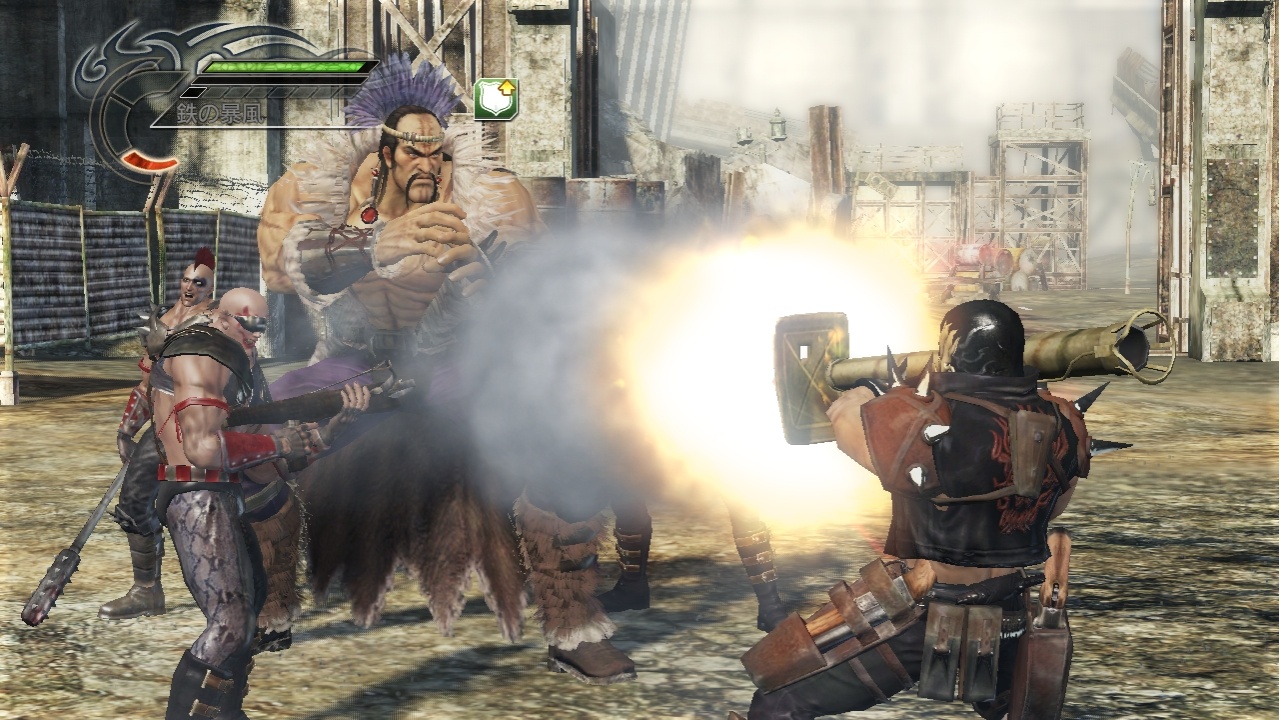
- 2010Ken's Rage beat-em-up game brings Hokuto Shinken to consoles Fist of the North Star: Ken's Rage
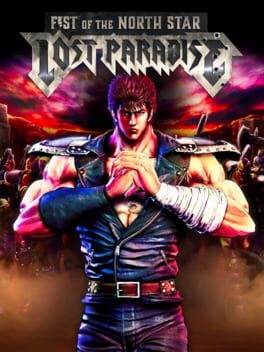
- 2018Lost Paradise reimagines Kenshiro in the Yakuza engine Fist of the North Star: Lost Paradise
More martial arts and revenge sagas
Martial Arts
Explore the Martial Arts guide →You are already dead.Kenshiro, Fist of the North Star