

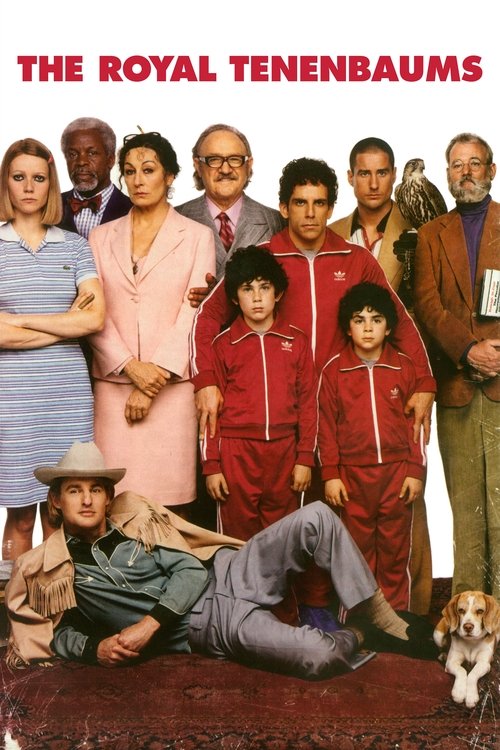
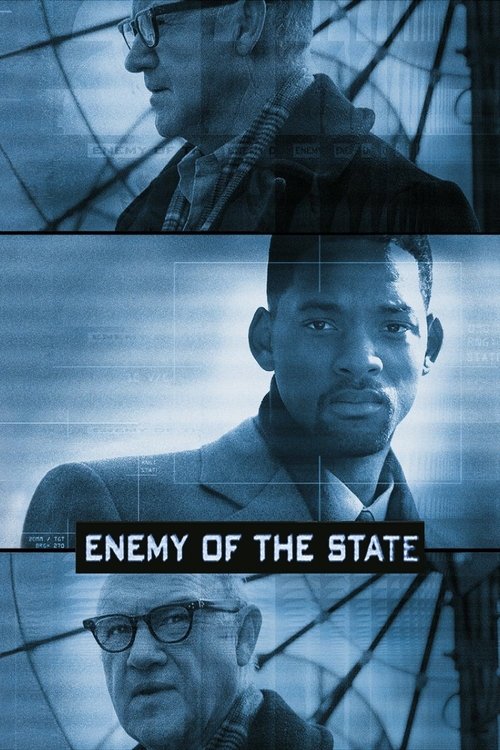
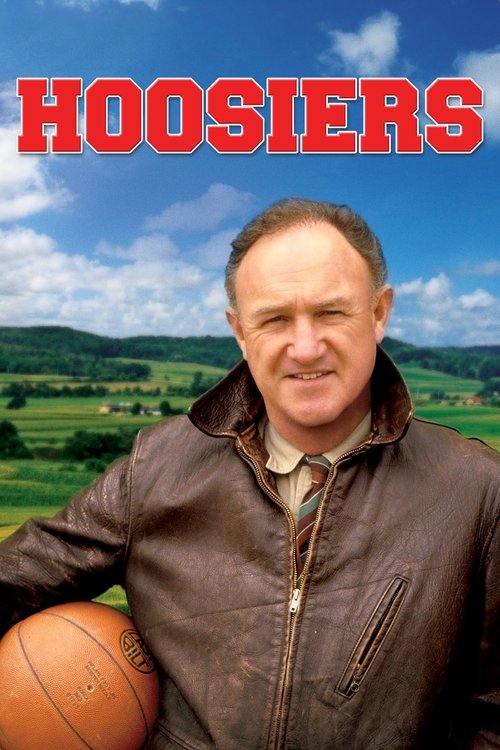
Gene Hackman never played a hero the way the studios wanted heroes played. He played men: flawed, driven, sometimes wrong, occasionally magnificent. From the battered cop Popeye Doyle to the paranoid surveillance expert Harry Caul's polar opposite (the man doing the surveilling), from the scheming Royal Tenenbaum patriarch to the cold western sheriff Little Bill Daggett, Hackman brought a specificity to every role that made you forget you were watching a performance. The through-line a fan chases is simple: intelligence under pressure, moral complexity without apology, and the sense that whatever scene he walked into, something real was about to happen.
Essential Gene Hackman
The films that define what he could do


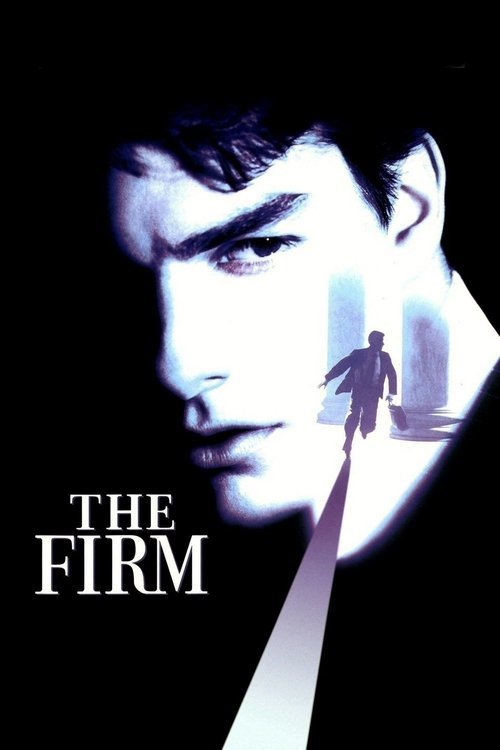
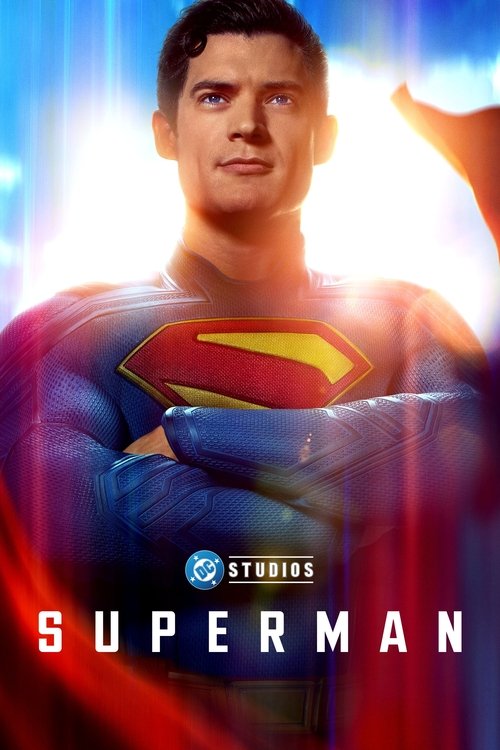
The 1970s Was His Decade
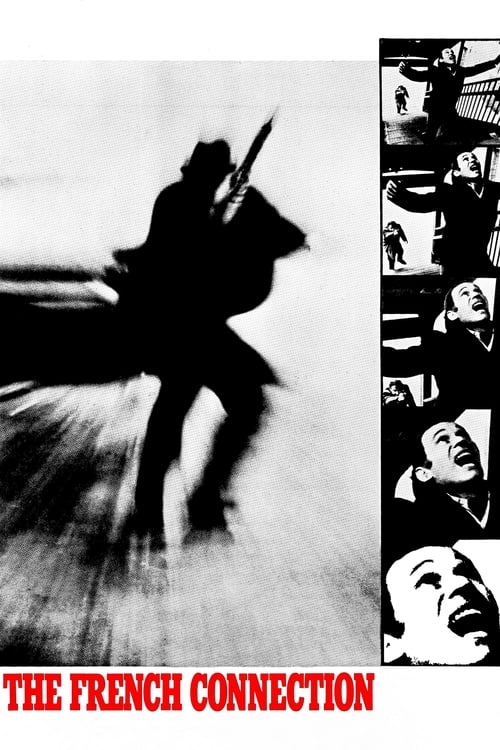
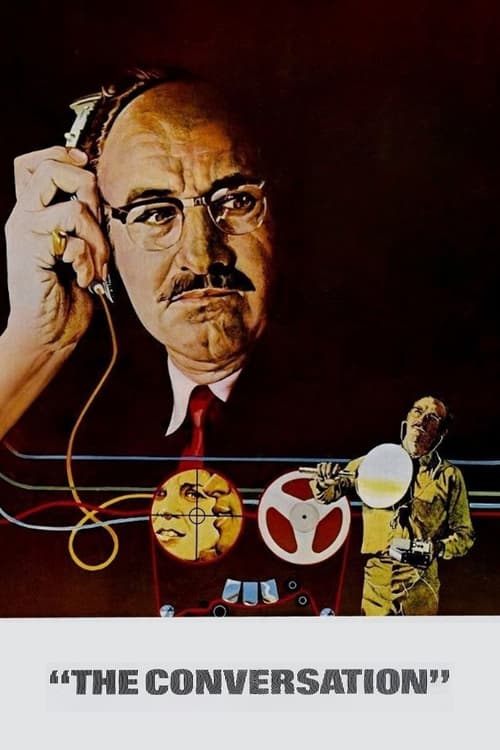
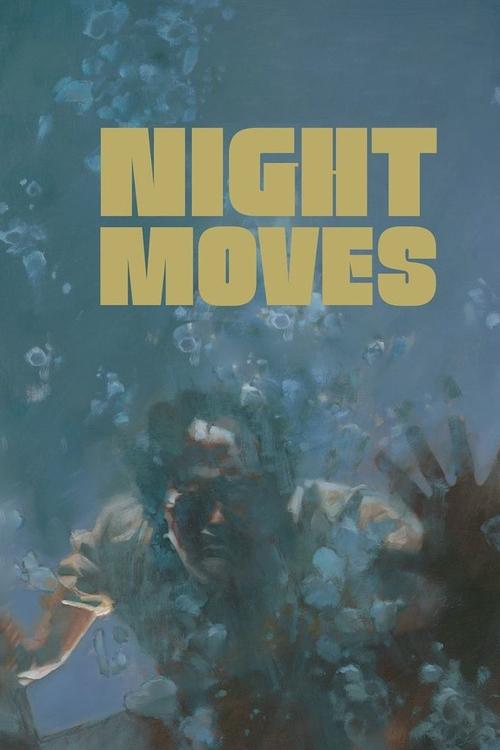
The French Connection (1971) and The Conversation (1974) bookend the most interesting era in American cinema, and Hackman was at the center of both. Popeye Doyle is brutal and brilliant and not entirely someone you should root for. Harry Caul in The Conversation is barely in the same room as Doyle in terms of personality, yet Hackman makes him just as compelling. These two films alone establish a range most actors never approach in a full career. Night Moves (1975) adds a third angle: a private detective whose investigation slowly reveals his own blind spots. Together they form the definitive portrait of American masculine uncertainty in the Nixon era.
Same Vibe: Films and Series with Hackman's DNA
Moral complexity, real stakes, no easy answers
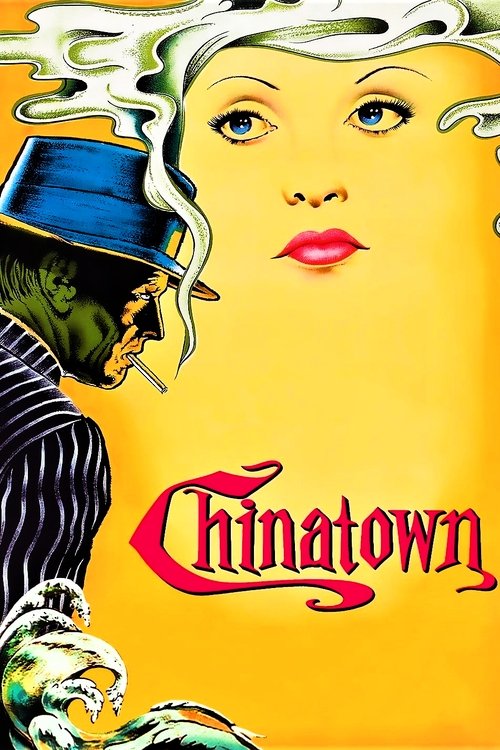

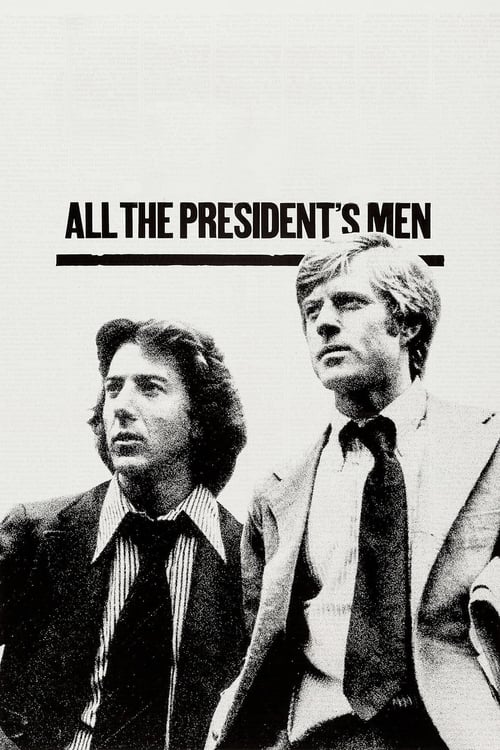
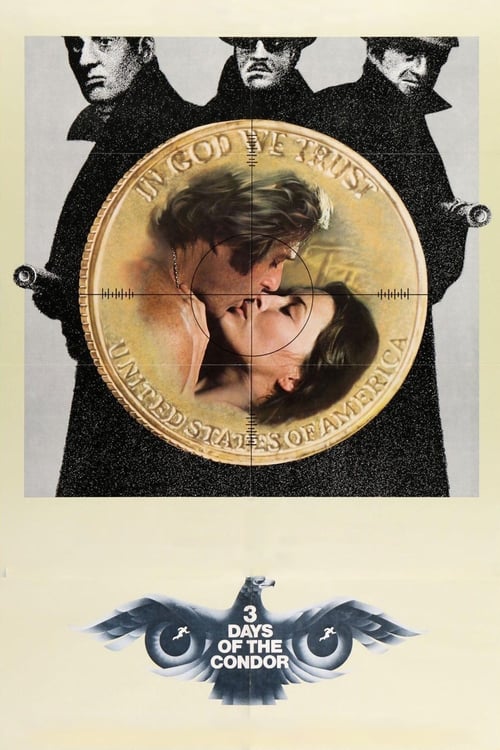
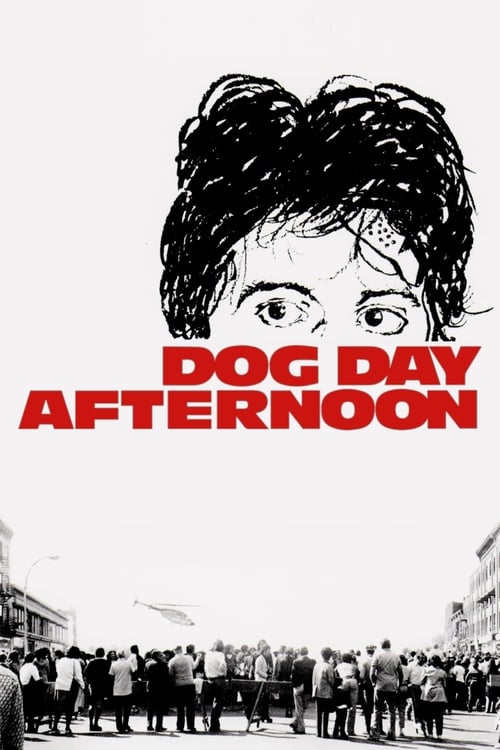
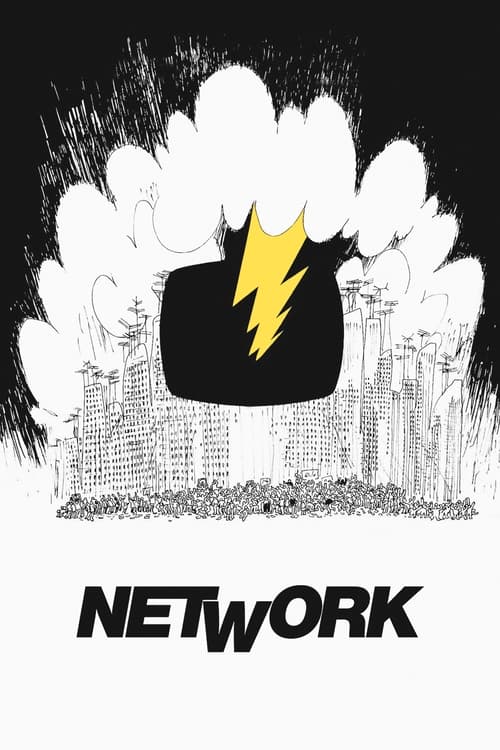
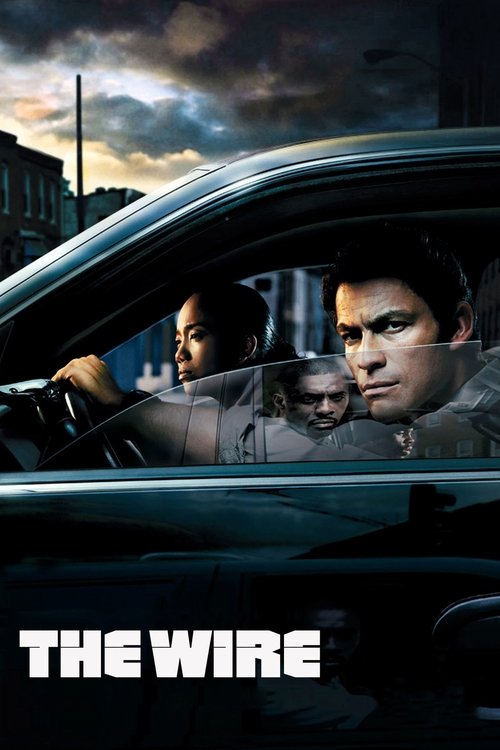
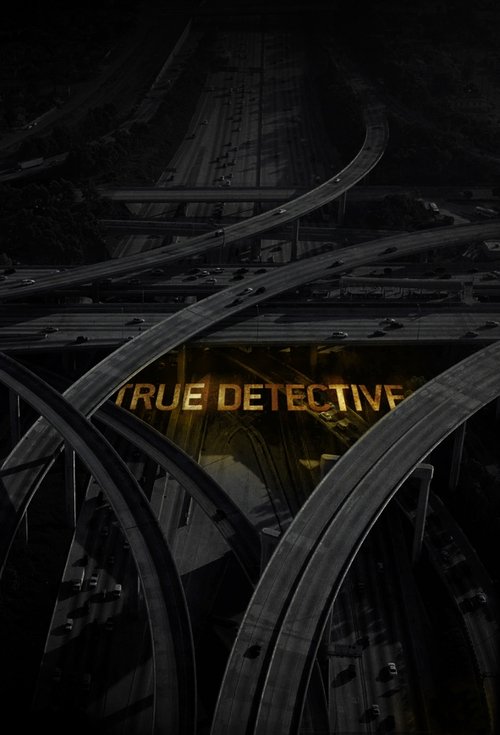
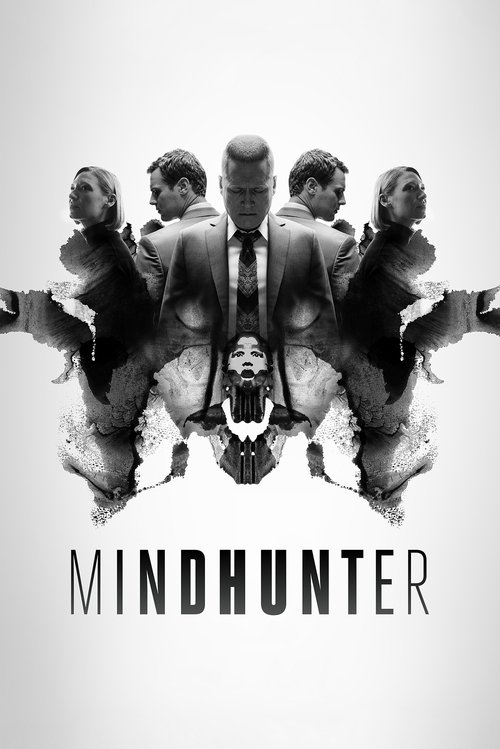
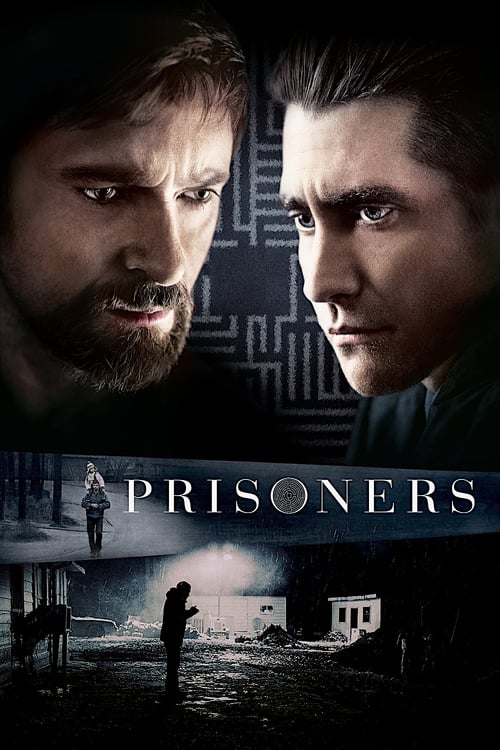
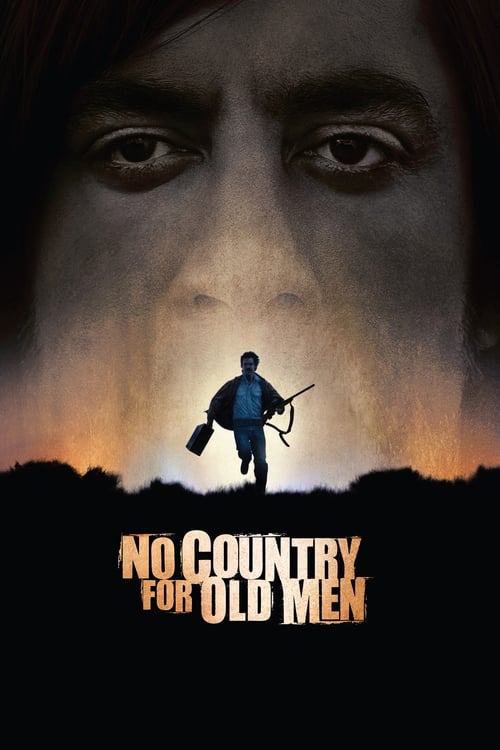
Little Bill Daggett Is One of the Great Western Villains
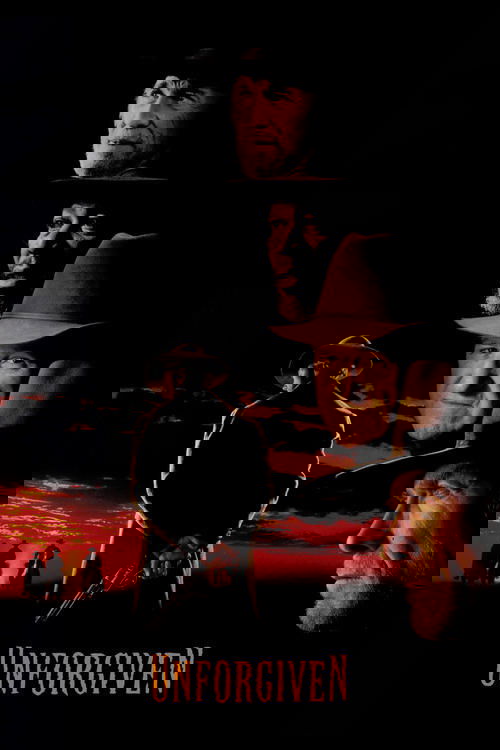
Clint Eastwood's Unforgiven (1992) won Best Picture and Best Director, but the performance that haunts you is Hackman's. Little Bill Daggett is not a cartoon villain. He builds his own house badly, loves his town, and believes completely in his own version of order. His violence is methodical and self-righteous, which makes it far more disturbing than sadism would be. Hackman won the Academy Award for Supporting Actor, and it is one of those rare wins where no argument is possible.
The Novels Behind the Films
Books that share the moral seriousness of Hackman's best work


Games with the Same Moral Weight
Slow-burn, character-driven, no clean heroes
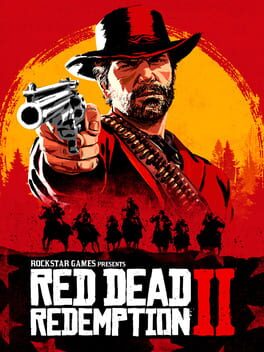
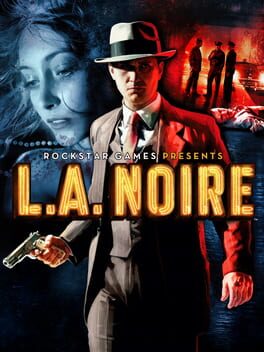
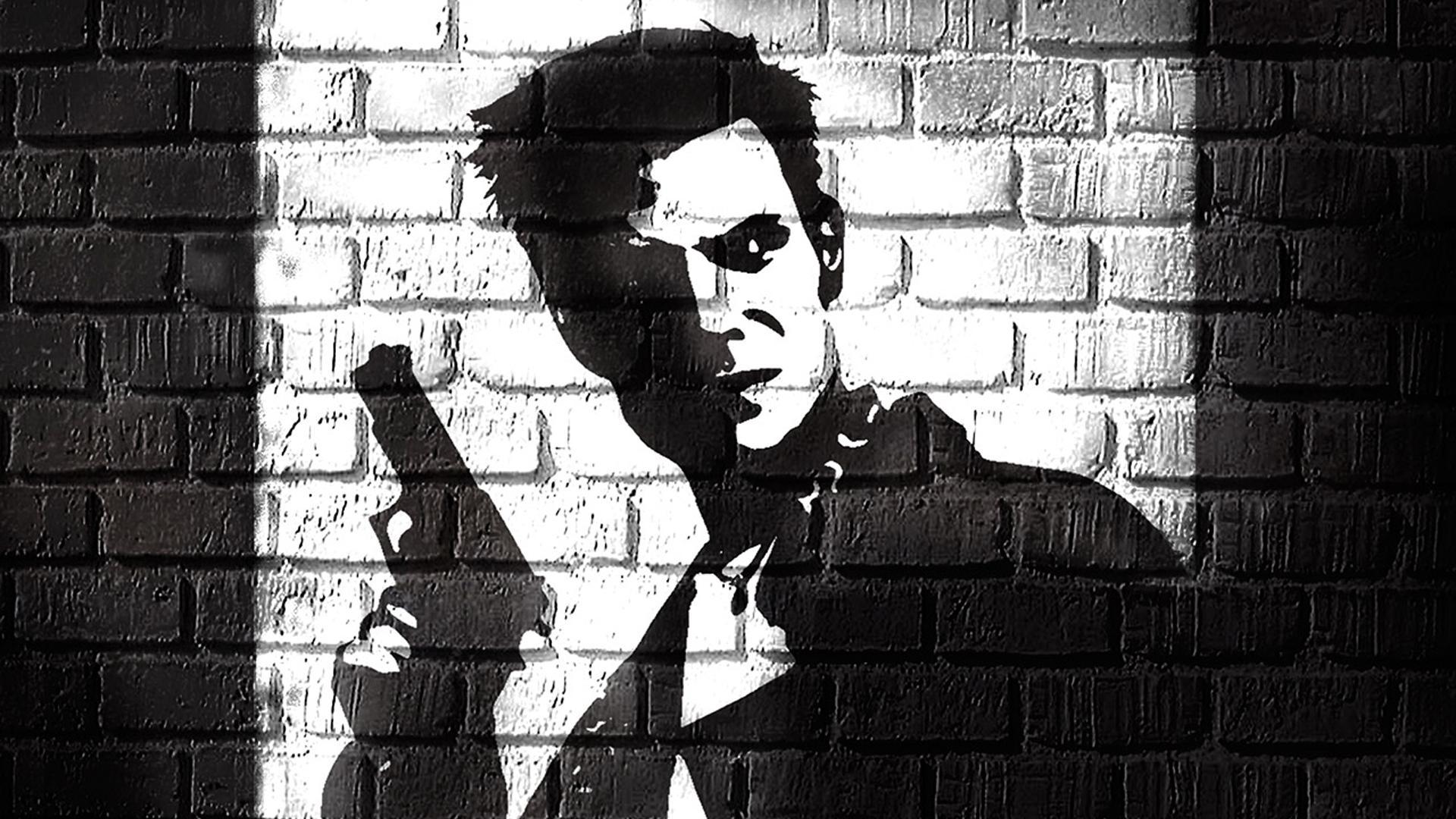
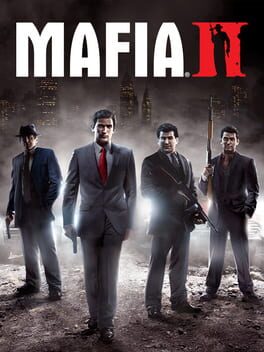
The Character Actor Who Became a Star Without Changing His Method
Hackman trained at the Pasadena Playhouse alongside Dustin Hoffman, and both were voted least likely to succeed. What followed was forty years of work that proved every talent assessor wrong. He never developed a star persona the way contemporaries did. There is no Gene Hackman walk, no Gene Hackman voice tic, no Gene Hackman signature gesture. Each role gets its own physical logic. That is not a small thing. It is the thing.
Same-Register Actors: Films Worth Finding
Performers who bring the same commitment to moral complexity

The best actors don't let you see them acting. Hackman never let you see him not living.CrossBinge
A Career in Key Moments
- 1961First screen credit Mad Dog Coll
- 1967Breakthrough Bonnie and Clyde
- 1971First Academy Award The French Connection
- 1974Career peak, year one The Conversation
- 1975Career peak, year two Night Moves
- 1978Blockbuster villain Superman
- 1988Civil rights drama Mississippi Burning
- 1992Second Academy Award Unforgiven
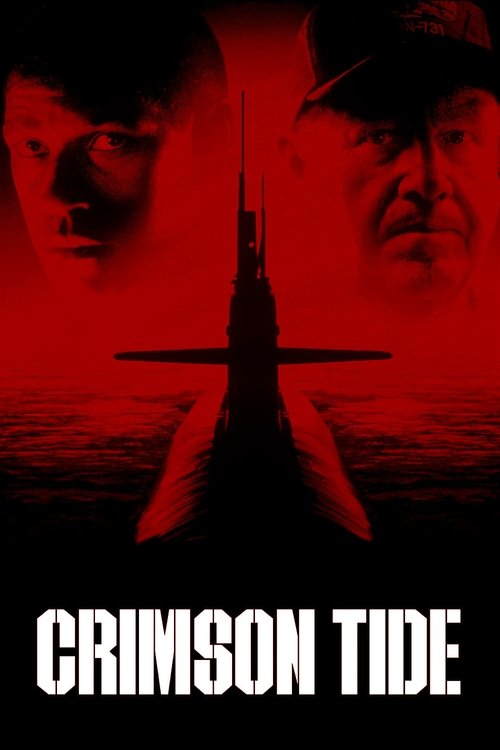
- 1995Submarine thriller Crimson Tide
- 2001Late-career comedy The Royal Tenenbaums
- 2004Final film Welcome to Mooseport