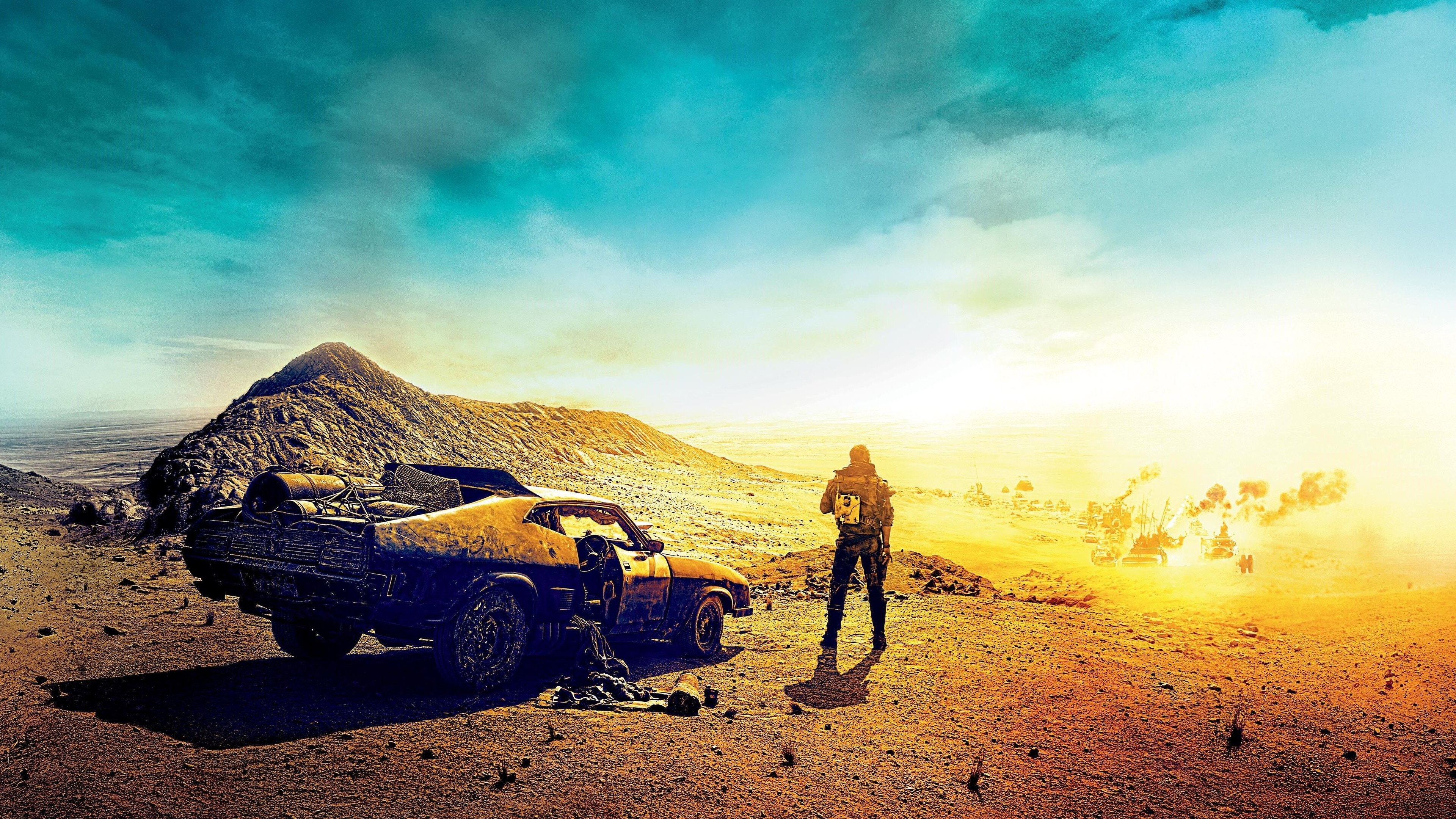

George Miller arrived in cinema with a $400,000 chase movie and never really slowed down. From Mad Max to Fury Road, from Babe to Happy Feet to Three Thousand Years of Longing, his films share an almost violent commitment to pure cinema: images that communicate before the mind catches up, bodies and machines and landscapes doing the heavy dramatic lifting. The through-line a Miller fan chases is sensation with genuine feeling underneath it, spectacle that earns its emotions. He draws equally on fairy tale structure, Greek myth, and the physiological shock of velocity. His work asks how much beauty a human being can take before it tips into terror, and vice versa.
Essential George Miller
His own films, from the outback to the ends of the earth


Directors Who Push Cinema to Its Limits
Films by directors who share Miller's commitment to visceral, mythic storytelling




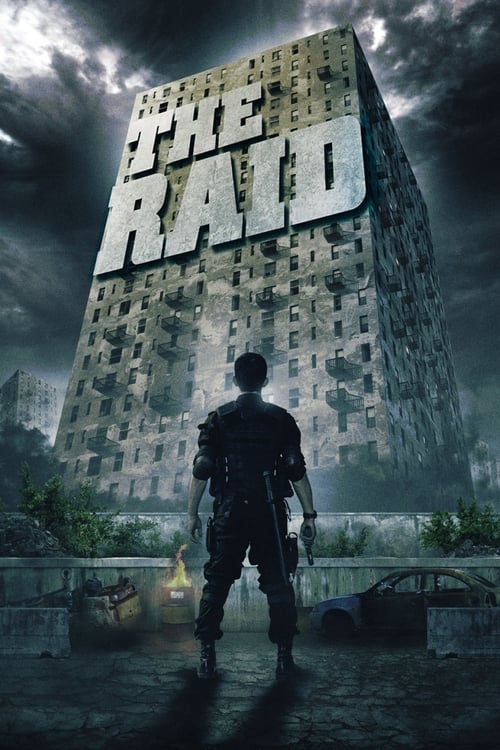




TV That Runs on Adrenaline and Myth
Series that share the post-apocalyptic energy, fairy-tale structure, or kinetic drive of Miller's work
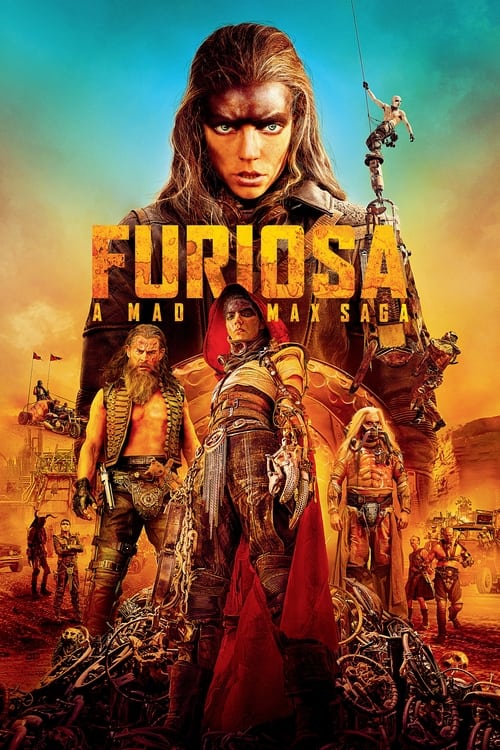




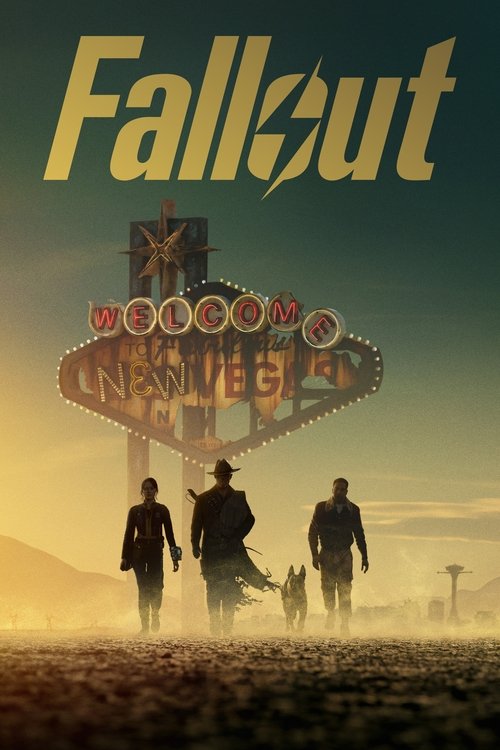
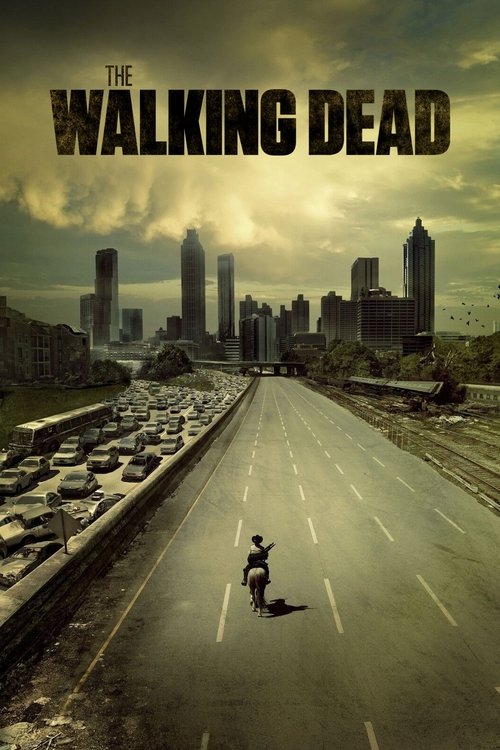
Books Behind the Fury Road
Novels that share the mythic scale, desert survival, fairy-tale ferocity, or oral-storytelling DNA of Miller's films


Games That Feel Like the Wasteland
Games sharing Miller's post-apocalyptic landscapes, brutal kinetics, or mythic open-world survival










Scores That Pound and Haunt
The iconic music of Miller's films and composers in the same sonic register
Fury Road Is a Silent Film That Talks
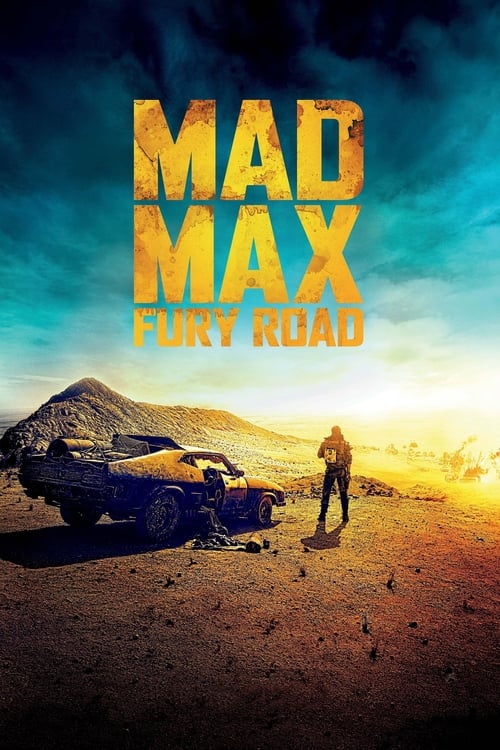
Mad Max: Fury Road was reportedly storyboarded almost entirely before a word of dialogue was written. Miller has said the film is roughly 80% visual storytelling, which is why it works with the sound off, and why it hits so hard with the sound up. The action is spatial and legible in a way most blockbuster filmmaking has given up on. You always know where everyone is, what they want, and what stands between them. That clarity is what lets the emotion through.
Babe: Pig in the City Is the Darker Twin Nobody Expected
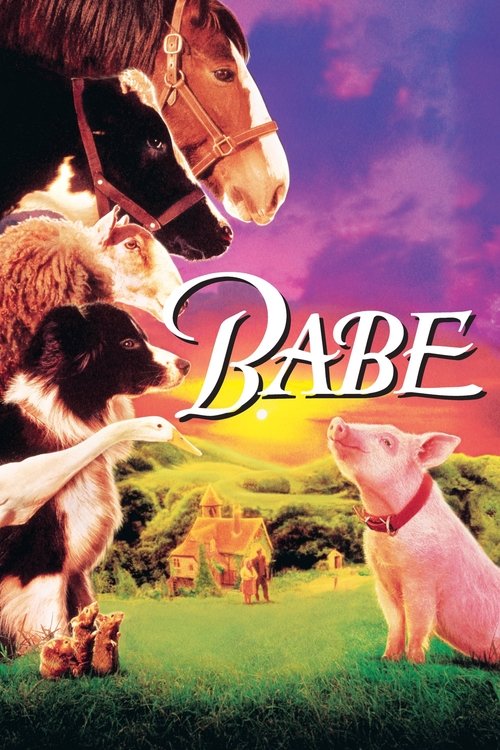
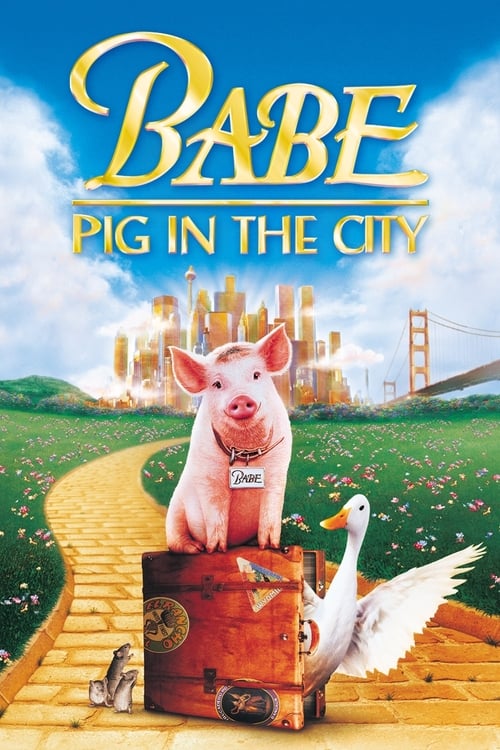
Babe: Pig in the City is the strangest studio film of the 1990s and, by some distance, the most misunderstood. It failed commercially on arrival but has aged into something that rewards rewatching: a genuinely anxious, Dickensian city fable with undertones of dispossession and mortality that the original never approached. Miller made a fairy tale for adults wearing a children's movie costume, and audiences didn't know what to do with it. They do now.
The Road Warrior Invented the Aesthetic Everyone Copies
Before The Road Warrior (Mad Max 2), post-apocalyptic fiction had a look. After it, everything else was working in Miller's shadow. The leather, the modified vehicles, the tribal hierarchies, the horizon as the only kind of hope: these became the genre's default vocabulary. What the imitators rarely capture is the economy. Miller never over-explains the world. The backstory scrolls in a few sentences and then the film just goes, trusting that you'll catch up or you won't.
Three Thousand Years of Longing: The Storyteller's Gambit
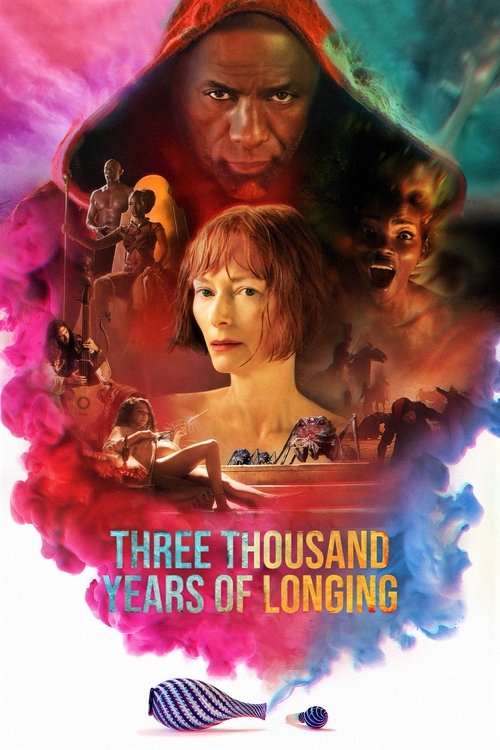
Three Thousand Years of Longing was Miller's gamble on whether an audience raised on Fury Road would follow him into a film built almost entirely from stories told across centuries. The answer was commercially no, critically complicated, and for a certain kind of viewer, thrillingly yes. It is a film about the power and limitation of narrative, made by a director who has never been anything but a storyteller working at the edge of what the form allows. It sits in his filmography like an open question.
George Miller: The Long Road
- 1979Mad Max arrives and changes action cinema Mad Max
- 1981The Road Warrior invents the post-apocalyptic aesthetic
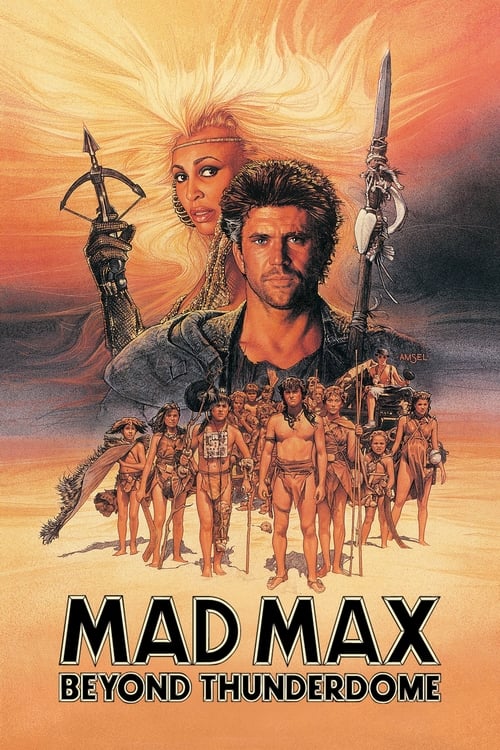
- 1985Beyond Thunderdome brings Tina Turner to the wasteland Mad Max Beyond Thunderdome
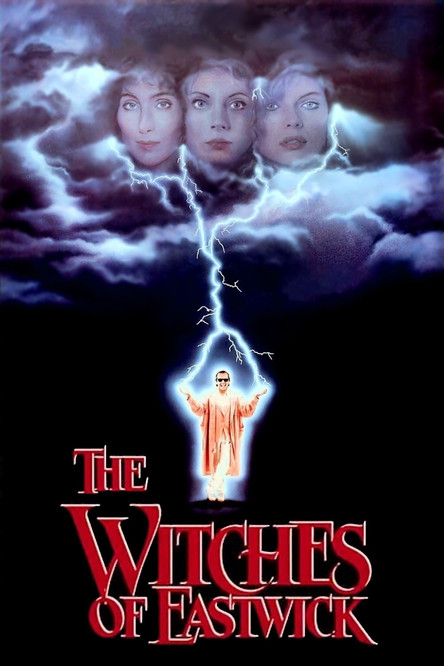
- 1987The Witches of Eastwick: a different kind of chaos The Witches of Eastwick
- 1992Lorenzo's Oil: documentary intensity in dramatic form Lorenzo's Oil
- 1995Babe redefines what a family film can do Babe
- 1998Babe: Pig in the City divides audiences, baffles studios Babe: Pig in the City
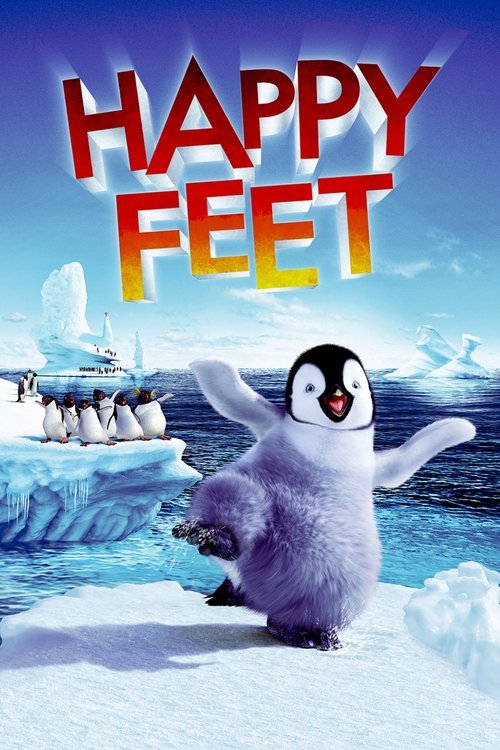
- 2006Happy Feet wins the Academy Award for Animated Feature Happy Feet
- 2015Fury Road releases after years of production, wins six Oscars Mad Max: Fury Road
- 2022Three Thousand Years of Longing: Miller bets on story itself Three Thousand Years of Longing
- 2024Furiosa expands the Fury Road myth Furiosa: A Mad Max Saga
Wasteland fury and apocalyptic roads
For Fans of Mad Max
Explore the For Fans of Mad Max guide →Cinema is a visual medium. You try to make films where, if you turned off the sound, the story still works. And if you turned off the picture, the sound still works. But when they combine, something greater than the sum of the parts happens.George Miller