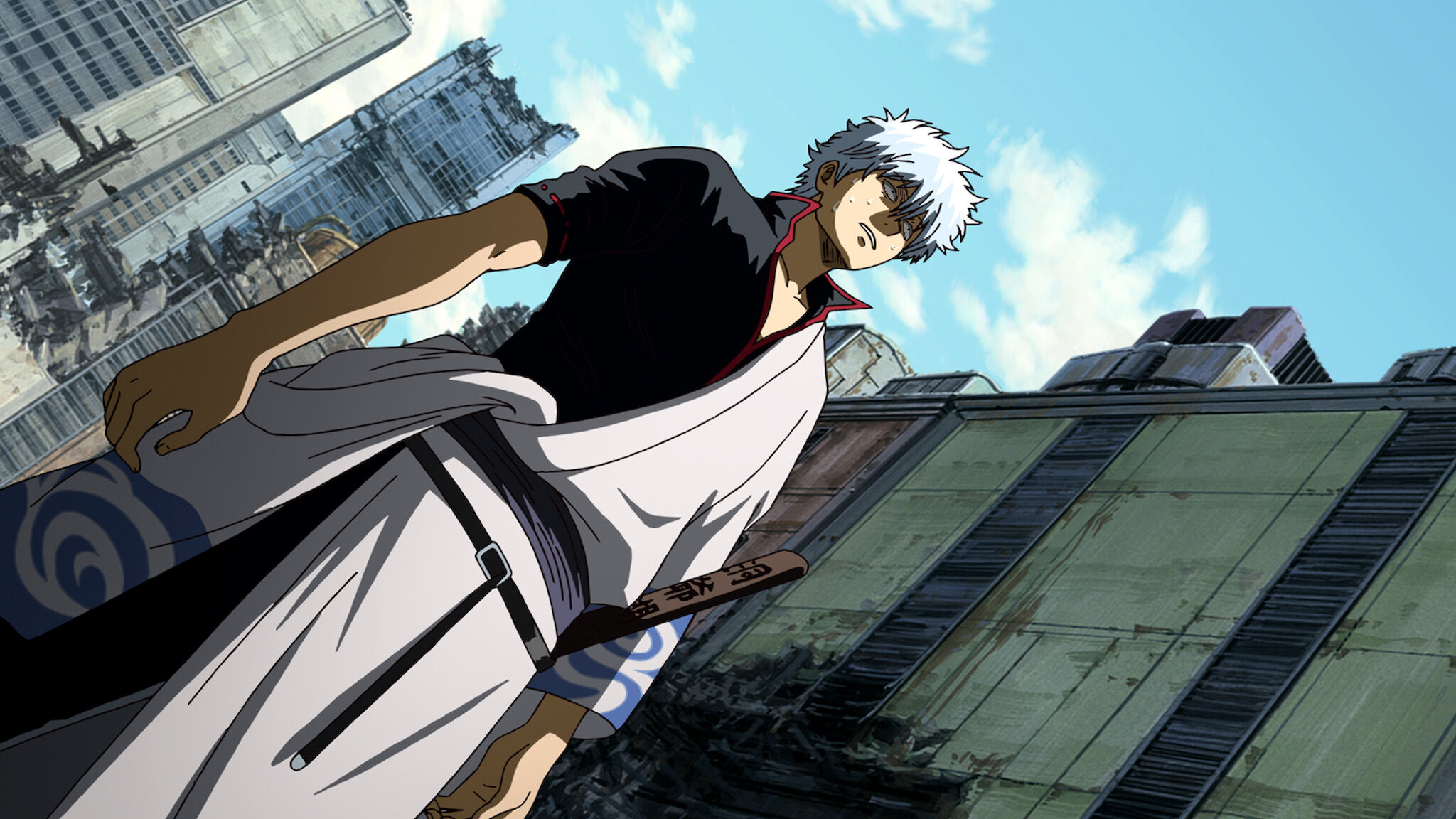

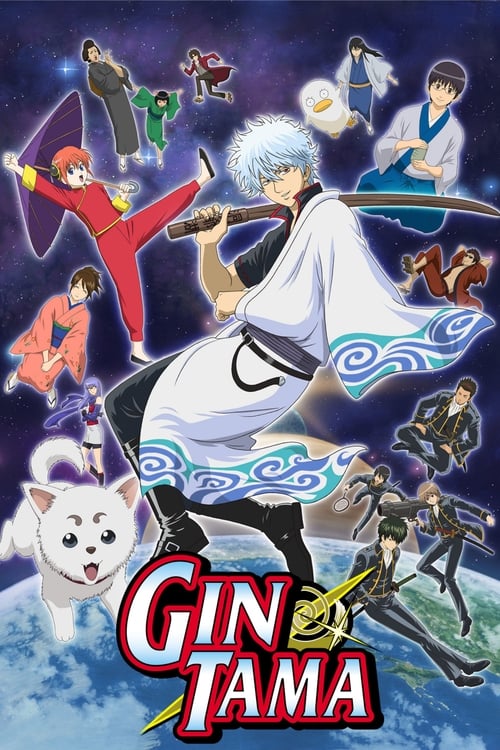
Gintama earned its place as one of the most beloved anime and manga of the 2000s by doing something almost no long-running shonen series attempts: it commits to absurdist, referential comedy for dozens of episodes, then pivots without warning into samurai arcs so emotionally charged they rank among the genre's best. Created by Hideaki Sorachi and serialized in Weekly Shonen Jump from 2003 to 2019, the story follows Gintoki Sakata, a lazy, silver-haired samurai living in an alternate-history Edo where the Amanto (aliens) have outlawed swords and colonized Japan. He and his Yorozuya crew (odd-job shop) take on everything from mundane fetch quests to battles that determine the fate of humanity. What fans love is the texture of that contrast: the parody hits harder because the sincerity underneath it is real. Sorachi trusts his audience to switch gears mid-season, and they reward him for it every time.
Essential Gintama
The anime itself, in order of where to start
Read the Source: Manga and the Books Around It
The manga, its inspirations, and fiction that shares Gintama's chaotic soul


Parody, Heart, and Long-Form Comedy: Similar Anime
Series that balance laughs with genuine emotional weight
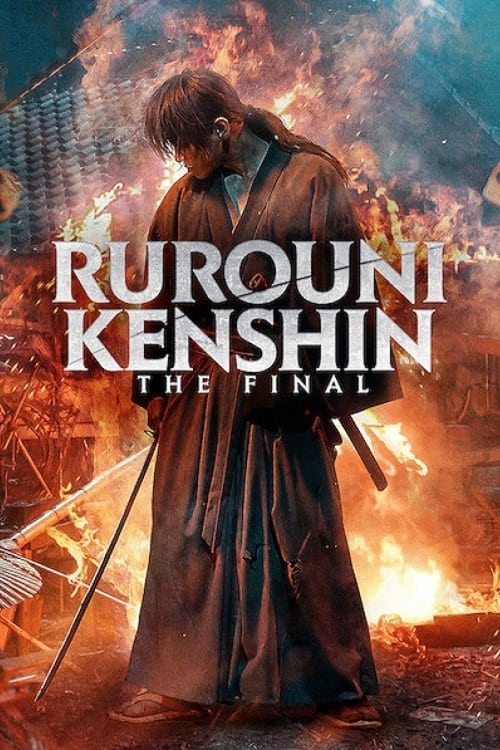
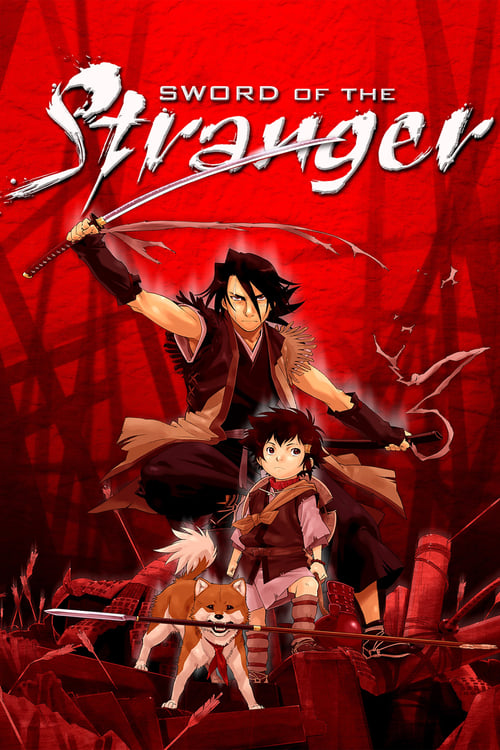
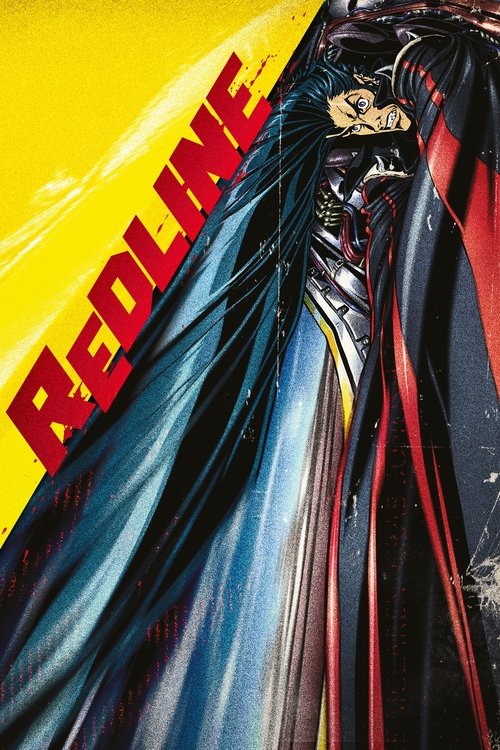
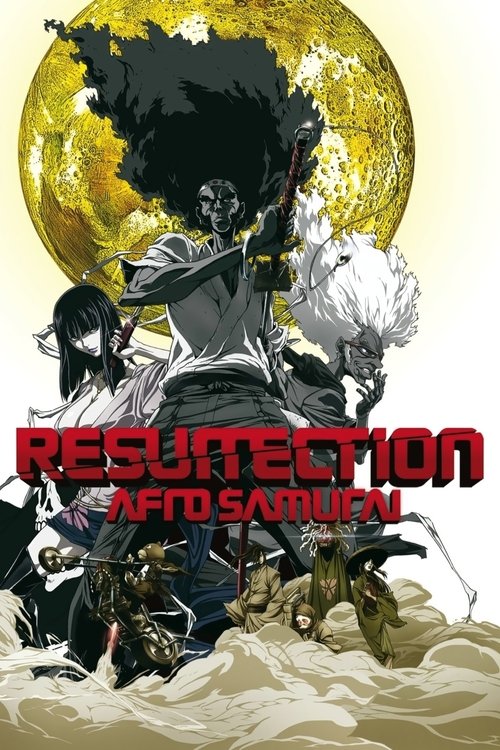
Films That Feel Like Gintama's Serious Arcs
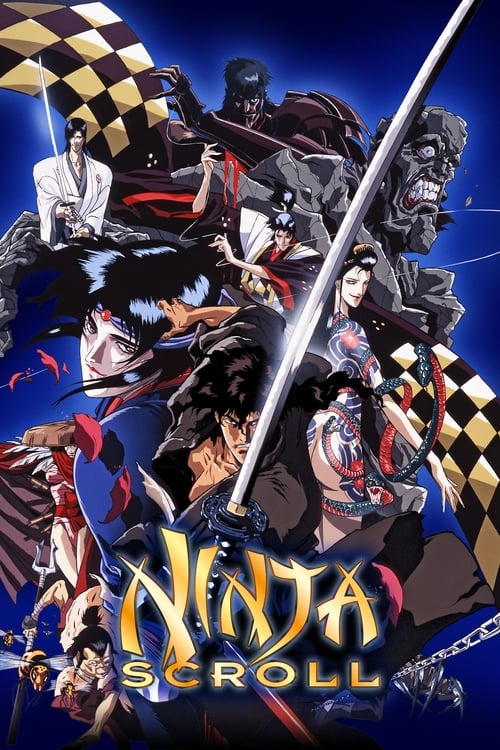
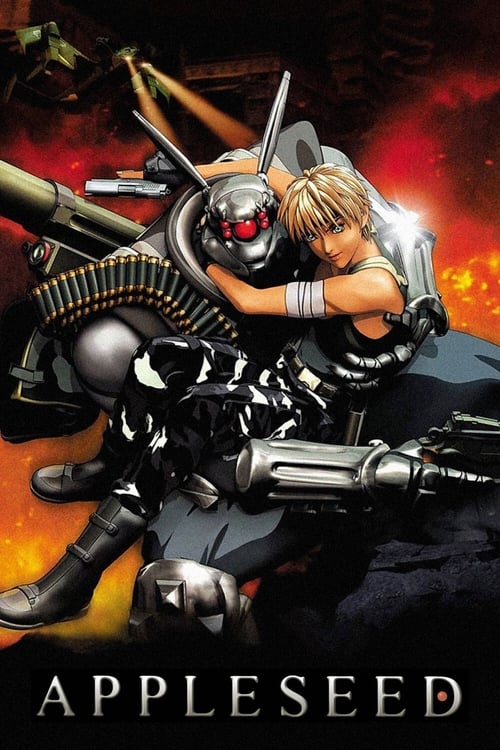
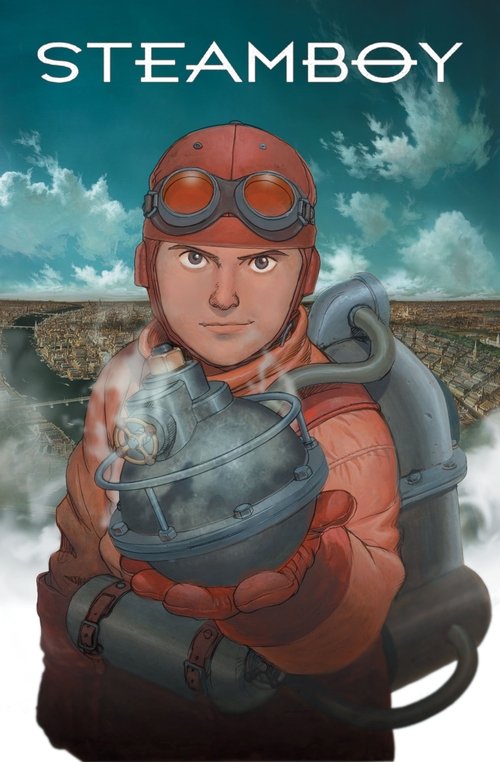
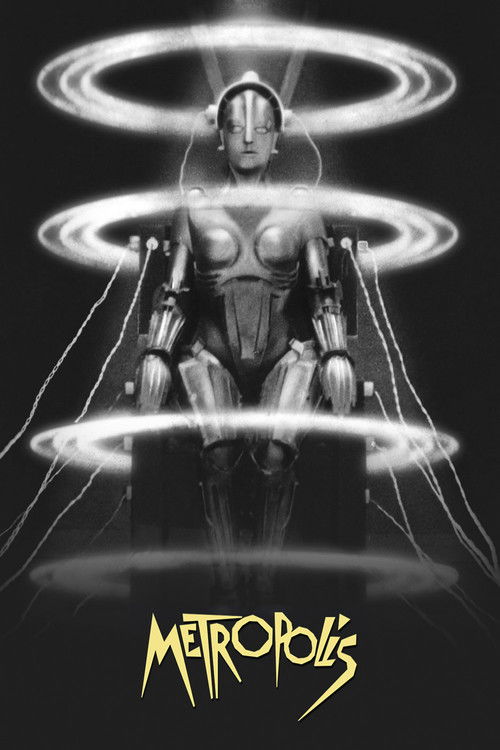
Movies with samurai action, sci-fi collision, and emotional gut-punches
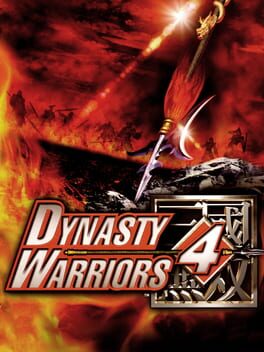
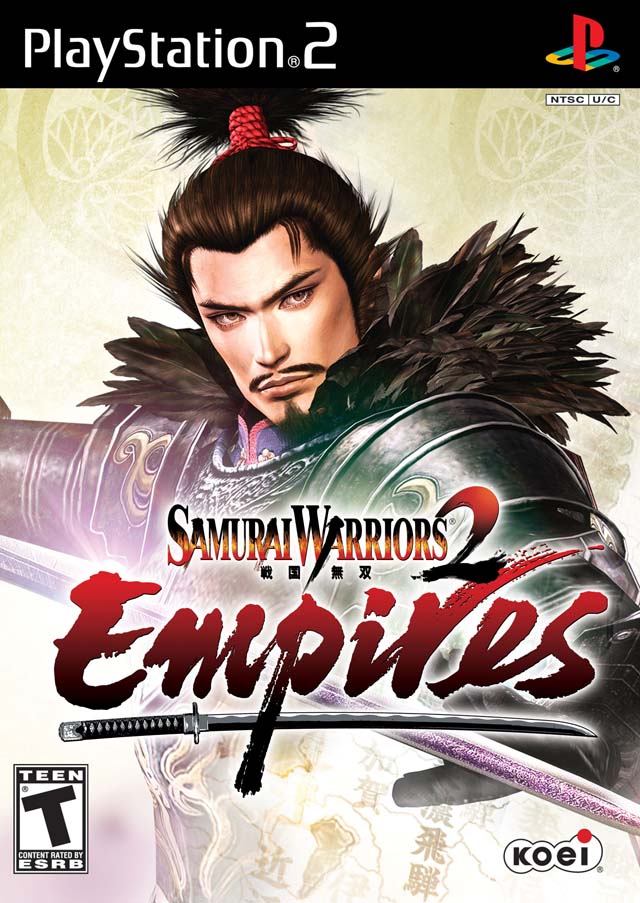
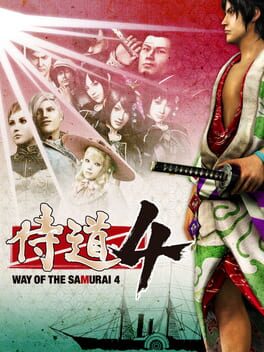
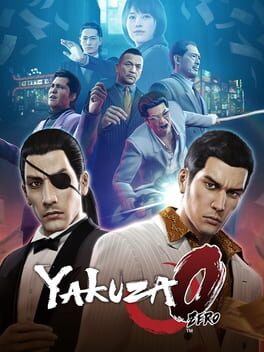
Games for the Gintama Fan
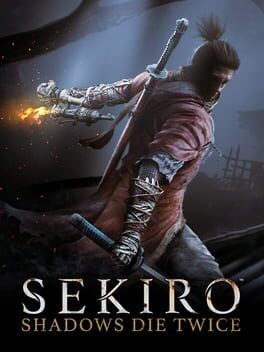
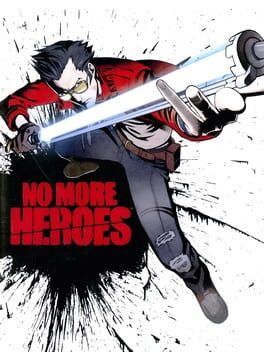
Hack-and-slash, irreverent RPGs, and chaotic co-op that match Gintoki's energy
The Serious Arcs Are the Point
Gintama is often sold as a comedy, and newcomers frequently bounce off the early filler episodes expecting parody wall-to-wall. The show's actual genius is its timing: it earns every serious arc by making you laugh until you've lowered your guard completely. The Yoshiwara in Flames arc, the Courtesan of a Nation arc, the Farewell Shinsengumi arc: these would be considered masterworks in any dramatic shonen. Because they arrive after hours of gags about Gintoki's Jump subscription, they land with a weight few series can replicate.
Sorachi's Debt to Classic Chambara
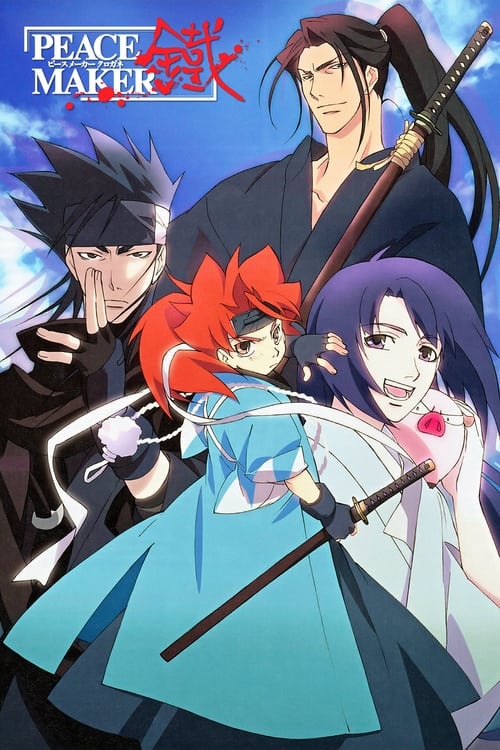
Gintama's comedy works partly because Sorachi knows his samurai genre inside out. The Shinsengumi members are lightly fictionalized versions of the real Shinsengumi. The Joi War in the backstory echoes Japan's actual Meiji Restoration anxieties about tradition versus modernization. Fans who come to the series having watched classic chambara films, Rurouni Kenshin, or Peacemaker Kurogane will catch layers of affection and parody that casual viewers miss entirely.

Why the Live-Action Films Work
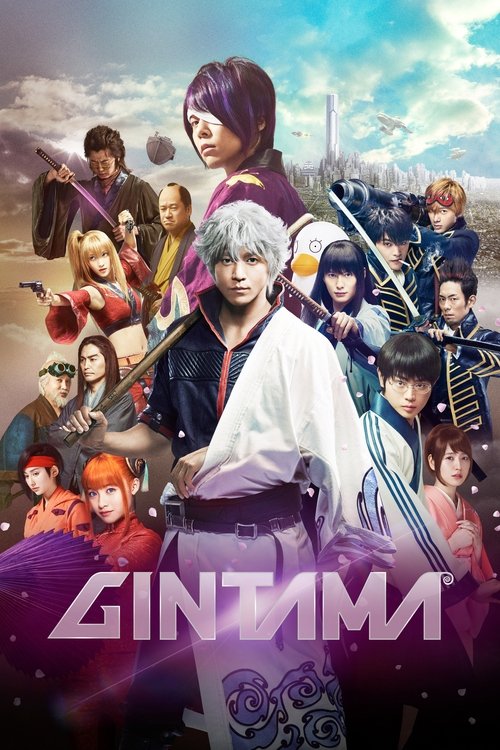
The 2017 live-action Gintama film directed by Yuichi Fukuda is one of the few anime adaptations that genuinely captures its source material's tone. Fukuda (School Live!, GTO) understood that Gintama's comedy is physical, fast, and self-aware about being an adaptation. The films don't try to condense the whole saga: they pick one arc, add meta-jokes about the production itself, and deliver the action cleanly. They are a rare template for how live-action anime adaptations can succeed.
The Yakuza Games Are the Closest Thing in Video Games
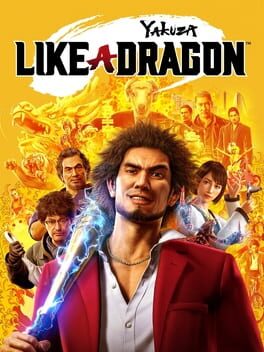
If Gintama's mixture of crude comedy, found-family loyalty, and sudden brutal seriousness appeals to you, the Yakuza series (especially Yakuza 0 and Yakuza: Like a Dragon) is the obvious gaming equivalent. Both revolve around a principled, somewhat ridiculous man who attracts a chaotic crew of misfits and then gets pulled into stakes far larger than he signed up for. Both take their drama completely seriously while offering side content so absurd you have to stop and recalibrate.
Gintama: A Timeline of the Saga
- 2003Manga begins in Weekly Shonen Jump
- 2006Anime series premieres on TV Tokyo Gintama
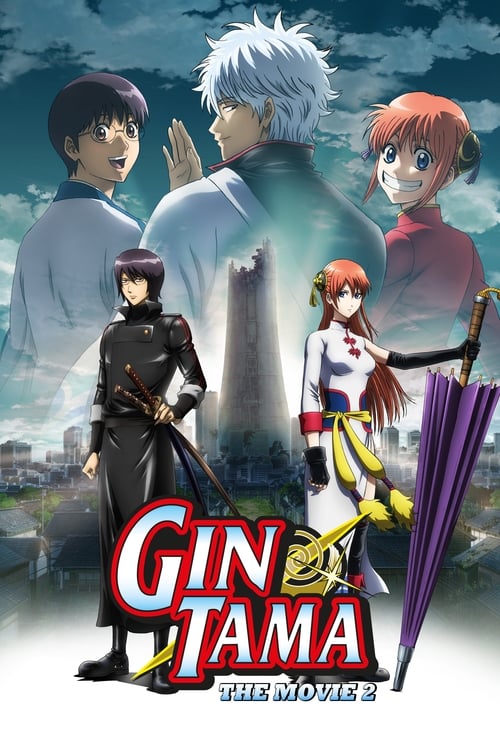
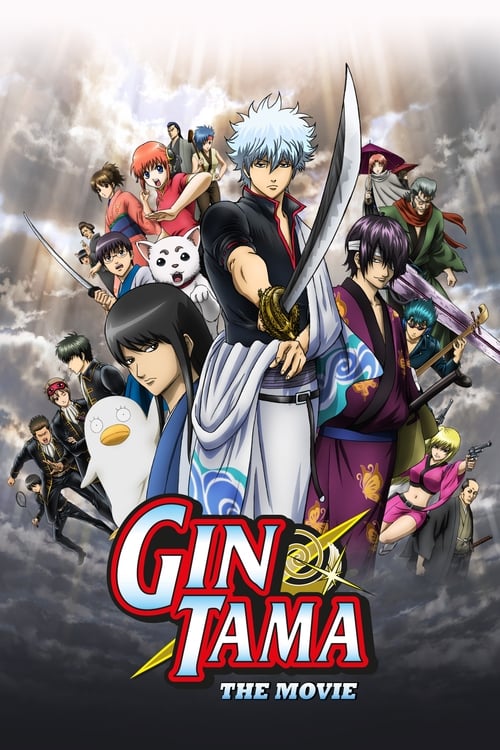
- 2010First theatrical film released Gintama: The Movie
- 2012Second TV series continues the saga Gintama
- 2013Be Forever Yorozuya film hits theaters Gintama: The Final Chapter - Be Forever Yorozuya
- 2015Gintama° airs: widely considered the peak season Gintama
- 2017Live-action film adaptation released Gintama
- 2019Manga concludes in Weekly Shonen Jump
- 2021Gintama: The Final closes the anime adaptation The Final
Samurai pride and absurdist comedy
For Fans of Rurouni Kenshin
Explore the For Fans of Rurouni Kenshin guide →Gintama is the only series where a parody episode about a Jump cancellation scare genuinely made me fear the show might end, and a sword fight three episodes later made me forget how to breathe.A longtime fan summing up the Sorachi paradox