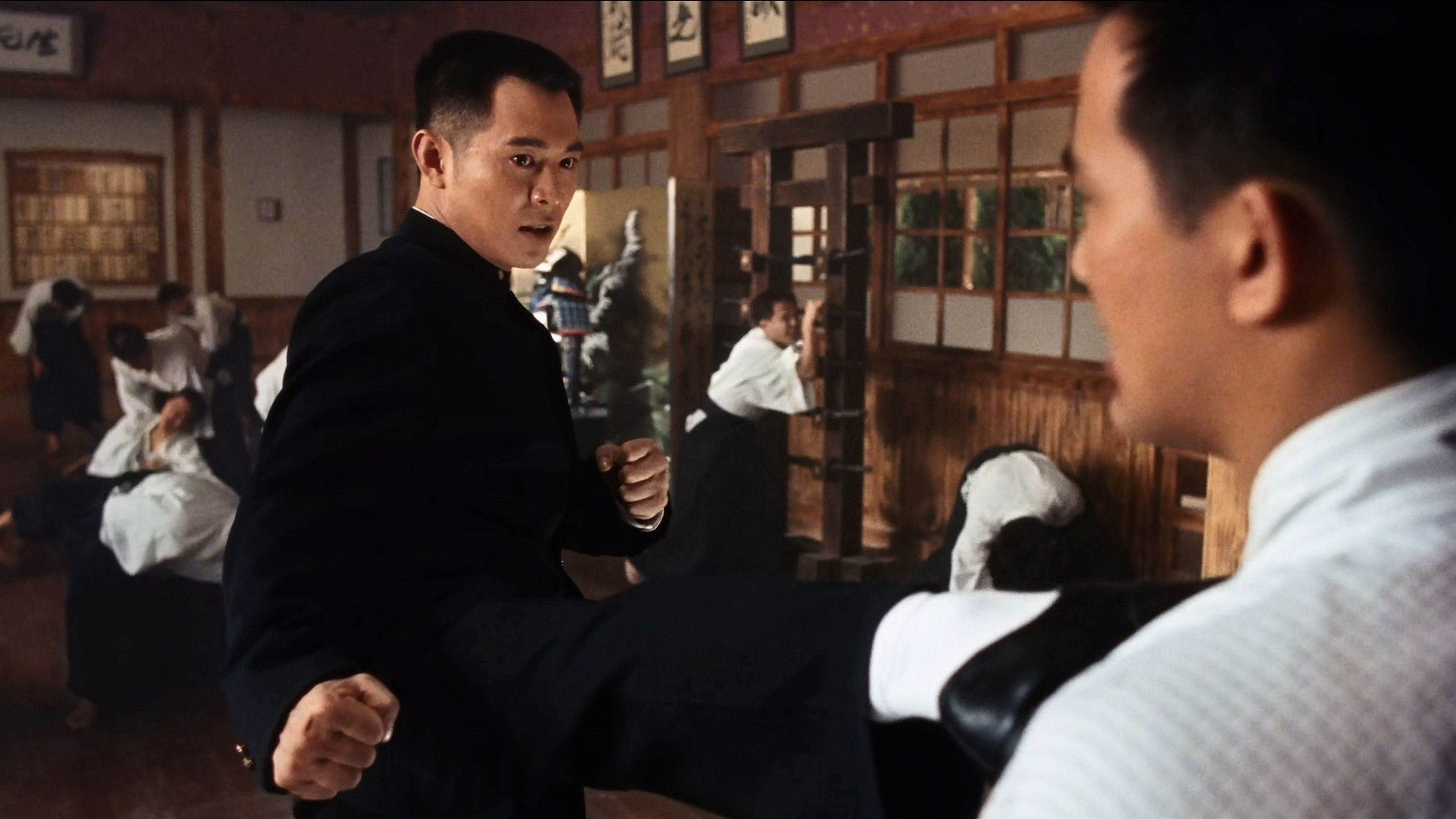

The Man Who Gave Jet Li His Best Fight Scene
Gordon Chan Ka-Seung earned his place in Hong Kong cinema by doing something most action directors never bother with: he made the fights mean something. He spent the late 1980s writing comedy screenplays for Stephen Chow before pivoting to directing, and that background shows in everything he makes. Even his hardest action films carry a strand of dark absurdism, a willingness to let dignity collapse at the wrong moment, to find the joke inside the grimace.
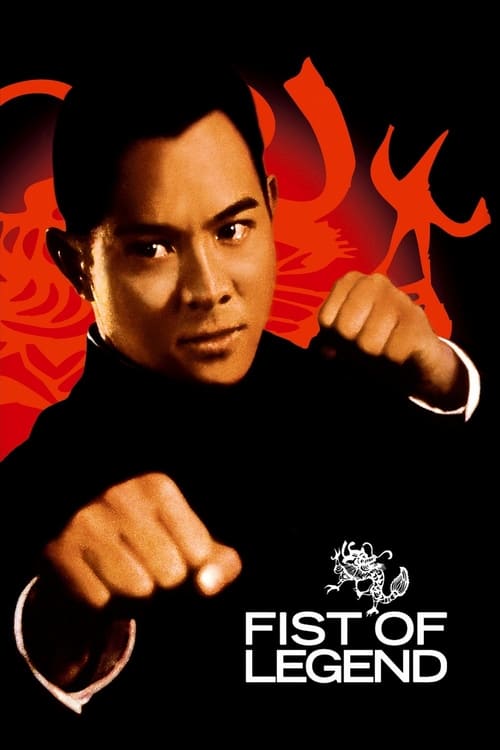
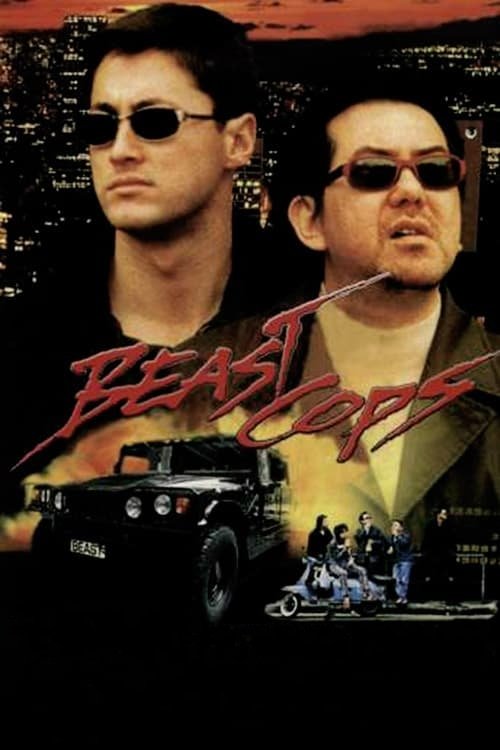
Fist of Legend (1994) is the film that defines his ceiling. Working with Jet Li at the height of his Hong Kong period, Chan delivered fight choreography (courtesy of Yuen Woo-ping) wrapped in a genuinely thoughtful script about colonialism, loyalty, and the politics of martial tradition. It is one of the few martial arts films that earns its ideology. Beast Cops (1998), co-directed with Dante Lam and starring Anthony Wong and Michael Wong, went darker still: a grimy, morally compromised portrait of Triad-adjacent policing that won the Hong Kong Film Award for Best Film and Best Actor. It felt less like a genre exercise than a character study that happened to contain violence.
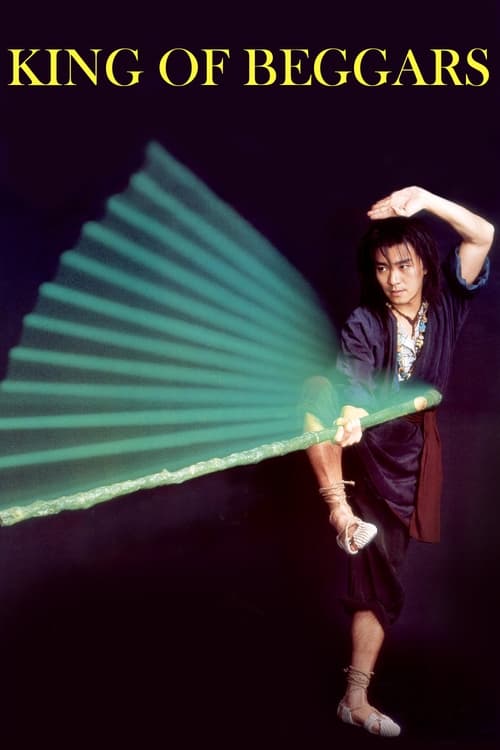
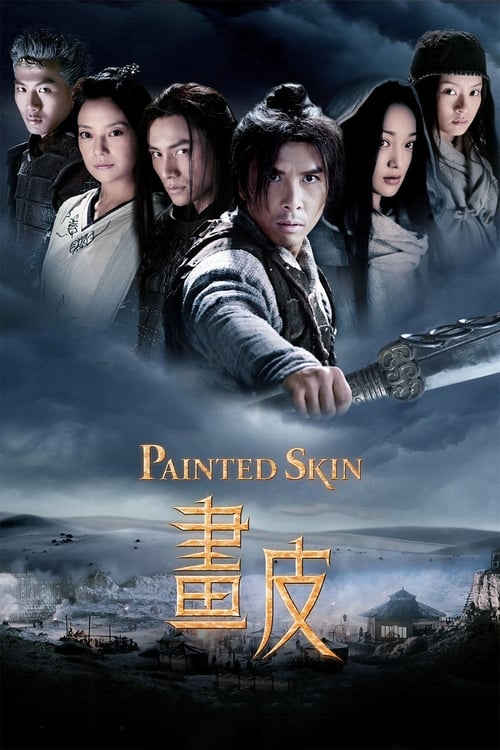
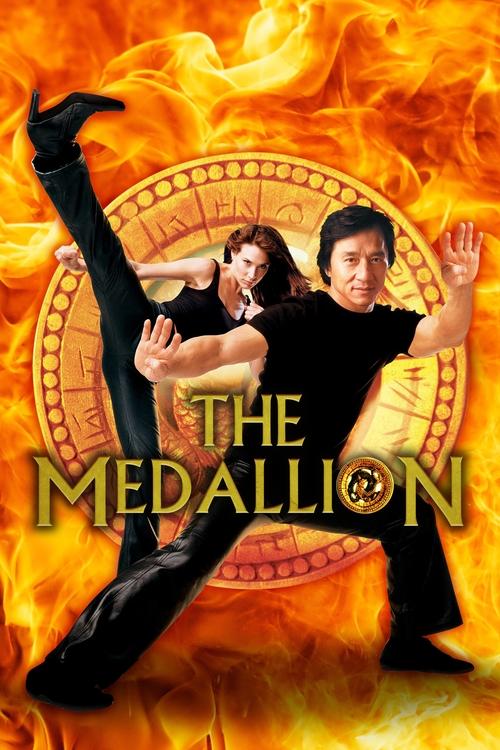
The rest of his filmography is uneven but rarely inert. King of Beggars (1992) is Stephen Chow at his most anarchic. The Medallion (2003) is a Jackie Chan vehicle that runs out of ideas before it runs out of runtime, and Painted Skin (2008) swings for gothic romance with real production ambition. What connects it all is a director who understands physical performance, who stages confrontation with clarity, and who keeps looking for the human cost inside the spectacle.
Essential Gordon Chan
His own films, ranked by how fully they realize his sensibility
Martial Arts Cinema With a Brain
Action films that use the fight to say something, not just fill time
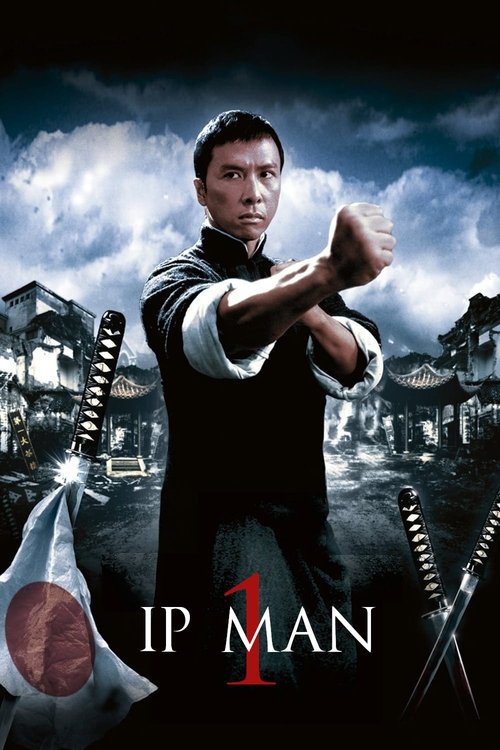
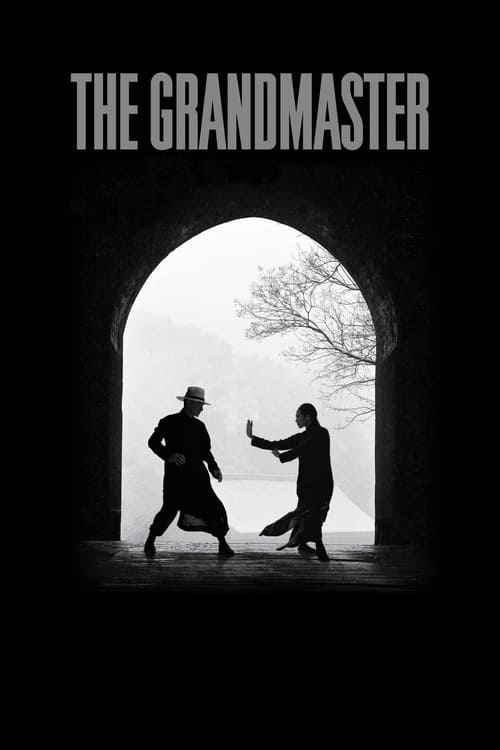
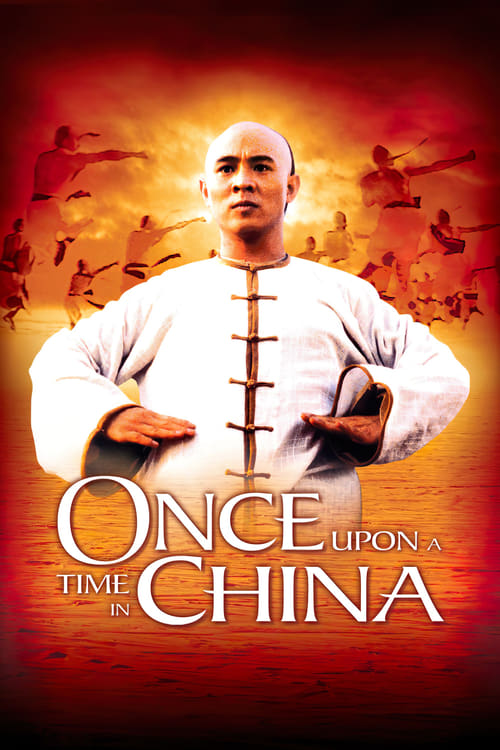


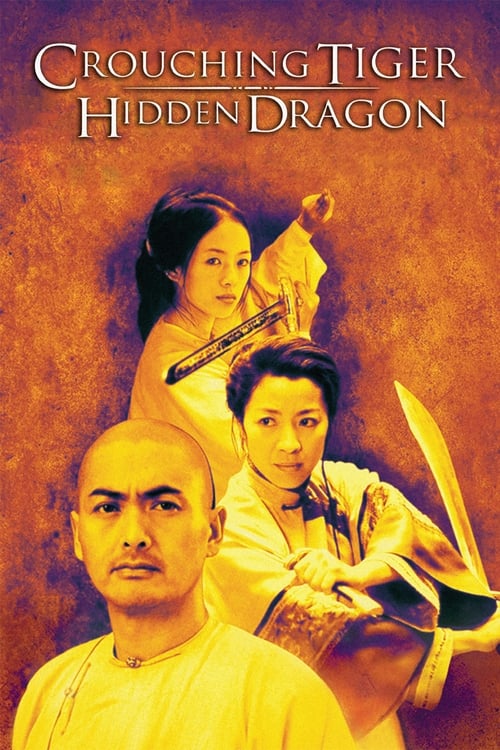
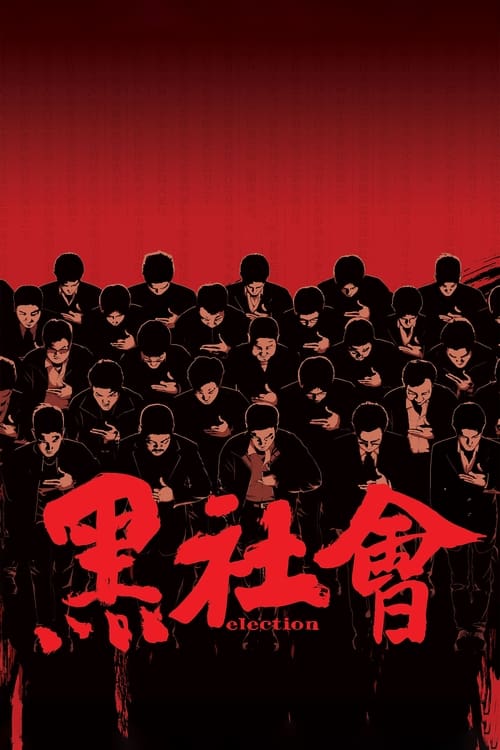
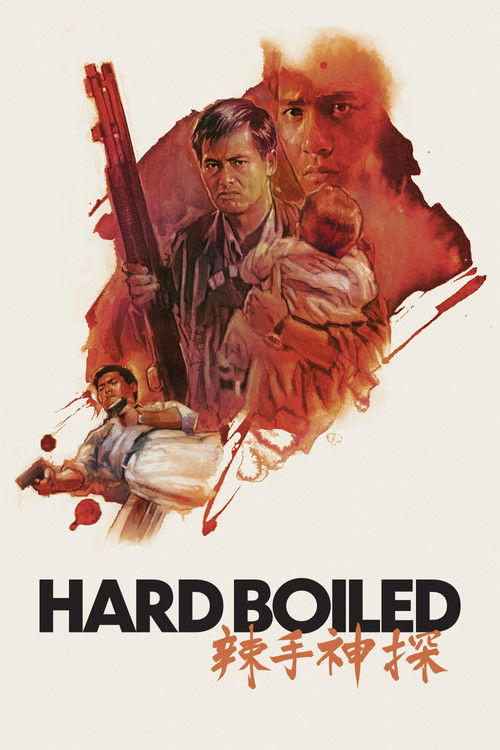
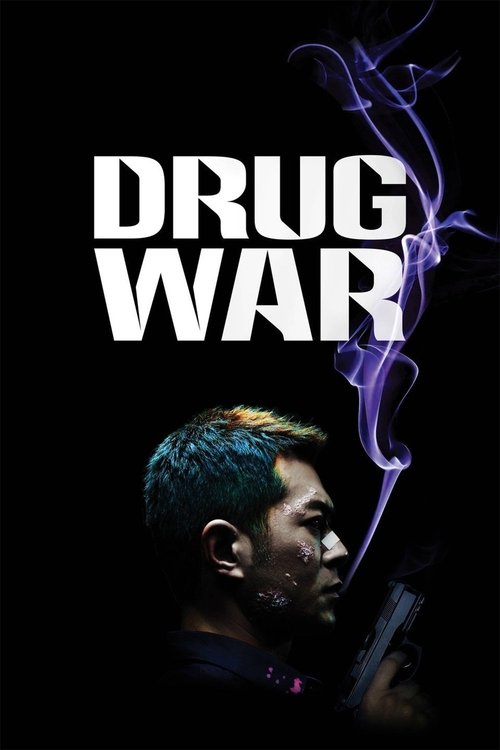
Hong Kong Noir: Cops, Triads, Moral Blur
Films in the Beast Cops tradition, where the line between law and crime dissolves


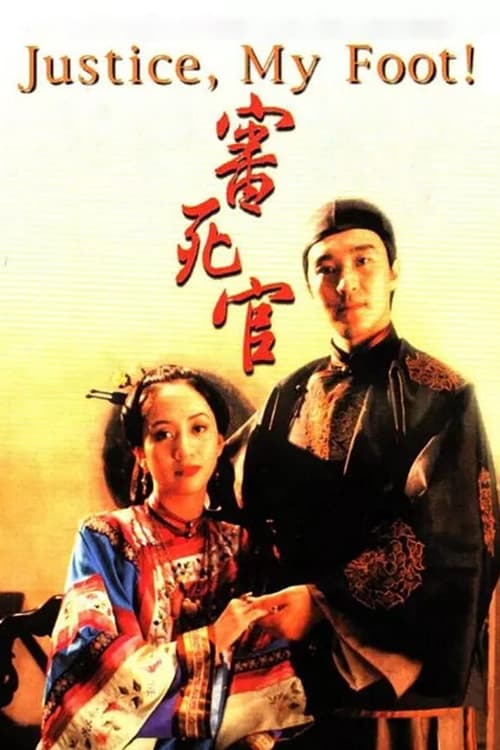
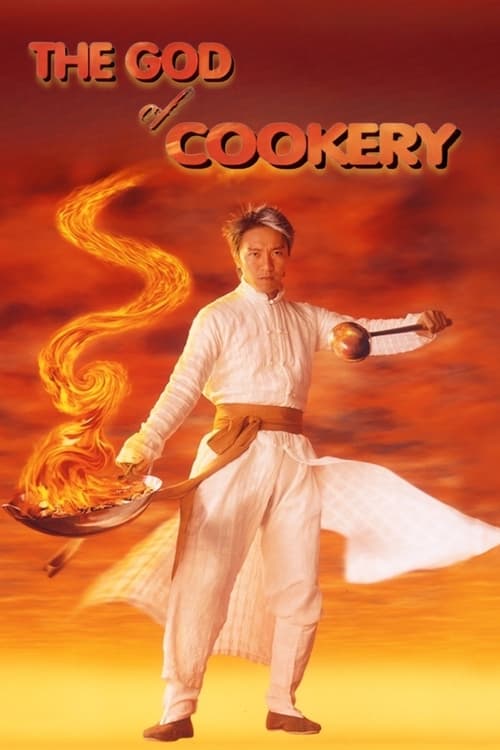
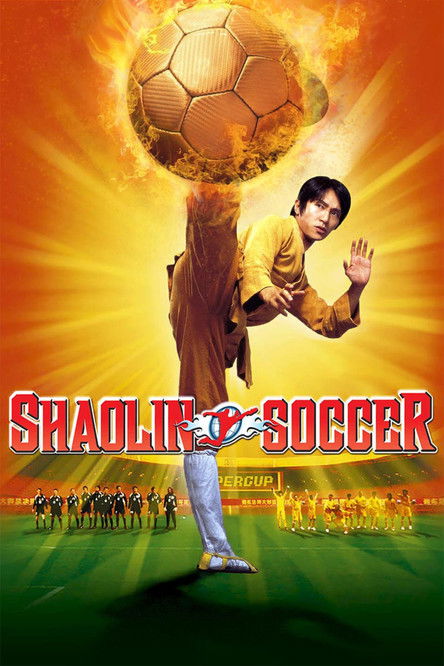
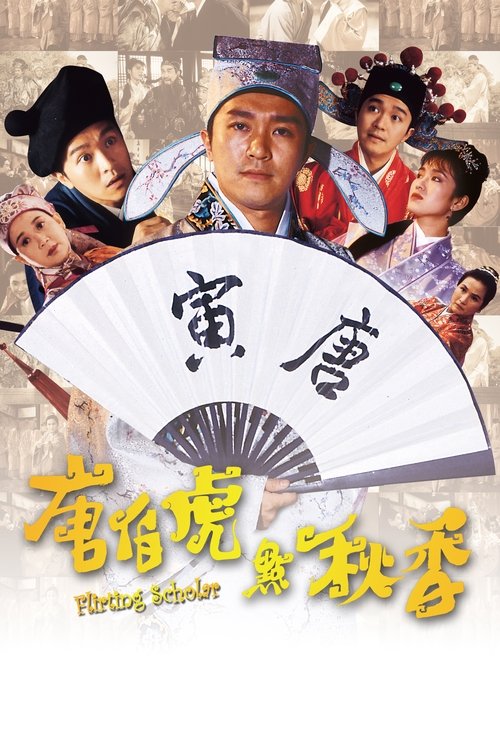
Stephen Chow's Universe
The anarchic comedy tradition Chan helped write before he started directing
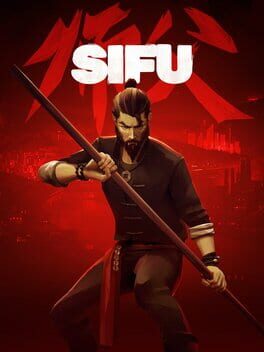
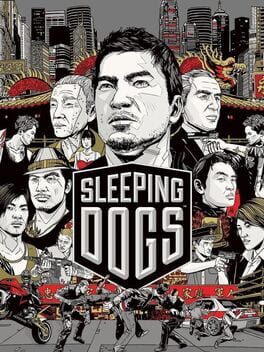
Games for the Martial Arts Fan
Fighting games and action titles that carry the same kinetic philosophy
Fist of Legend is the perfect entry point, and it is not even close
Start here. Not because it is the most personal film Gordon Chan has made, but because it is the one where every element is working at once: Yuen Woo-ping's choreography is genuinely virtuosic, the political subtext about Japanese occupation and Chinese identity is handled with more care than the genre usually allows, and Jet Li gives a performance that uses his physicality as character expression rather than mere spectacle. It is a remake of Bruce Lee's Fist of Fury that quietly argues a more complicated case than Lee was making. Watch it before anything else.
Beast Cops deserves to be in every conversation about Hong Kong crime cinema
It won Best Film at the Hong Kong Film Awards in 1998 and has been largely ignored outside Hong Kong ever since. That is a genuine critical failure, not a matter of taste. Anthony Wong plays a cop so embedded in Triad social life that the question of whose side he is on has simply stopped being meaningful to him, and the film refuses to resolve that ambiguity tidily. It sits closer to Abel Ferrara than to John Woo. Gordon Chan co-directed here with Dante Lam, and the shared credit may have diluted both directors' reputations for the result. Either way, this is the film that shows what Chan can do when he is not managing a star vehicle.
The spiritual successors are in games more than cinema right now
Sifu (2022) and Sleeping Dogs (2012) carry the specific DNA of Hong Kong action cinema more faithfully than most films made in the last decade. Sifu is obsessive about the cost and logic of fighting in a way that would make Gordon Chan's stunt coordinators feel understood. Sleeping Dogs nails the moral compromise and cultural texture of a cop operating inside criminal networks, which is exactly what Beast Cops was doing in 1998. The heirs to Hong Kong action are increasingly interactive.
King of Beggars is the underrated chaos film in the catalog
Stephen Chow's physical comedy has aged in strange ways, but King of Beggars (1992) holds up better than most of his early work because the absurdity has a genuine point: it is about the pretensions of martial heroism, about who actually holds power, about the gap between the official story and what really happened. Chan's direction keeps it moving too fast to become smug about any of this. It is the film that shows where he came from before Fist of Legend made him look like a prestige director.
The best Hong Kong action films are always arguing about something. Gordon Chan's are arguing about who gets to be Chinese, who gets to be a hero, and what it costs.CrossBinge
Gordon Chan: A Career in Punches and Pivots
- 1989Begins writing for Stephen Chow's early comedies
- 1992Directs King of Beggars with Stephen Chow King of Beggars
- 1994Fist of Legend establishes him as a major action director Fist of Legend
- 1998Beast Cops wins Hong Kong Film Award for Best Film Beast Cops
- 2003Moves into international co-productions with The Medallion The Medallion
- 2008Painted Skin marks a shift toward fantasy epic territory Painted Skin