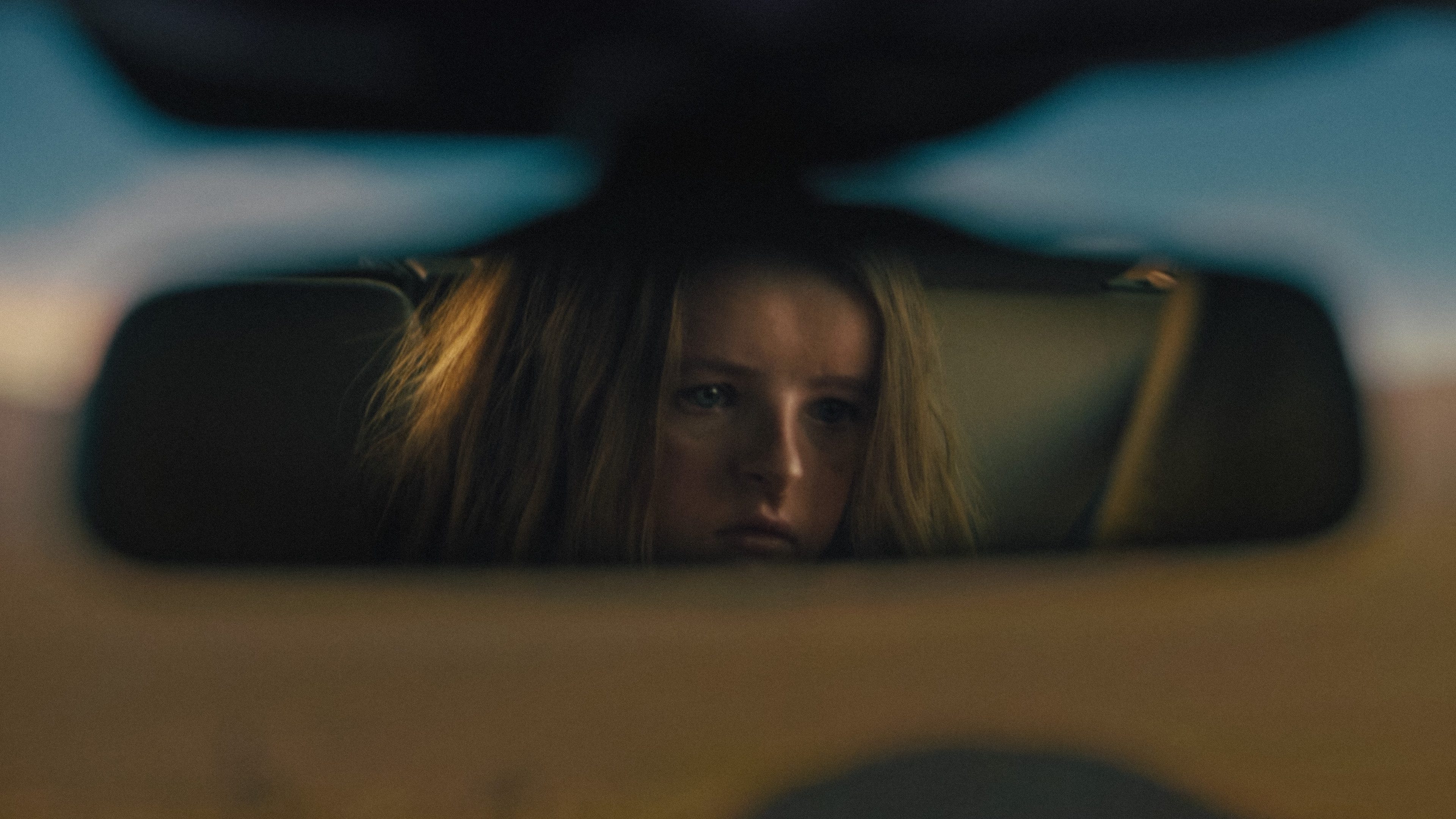

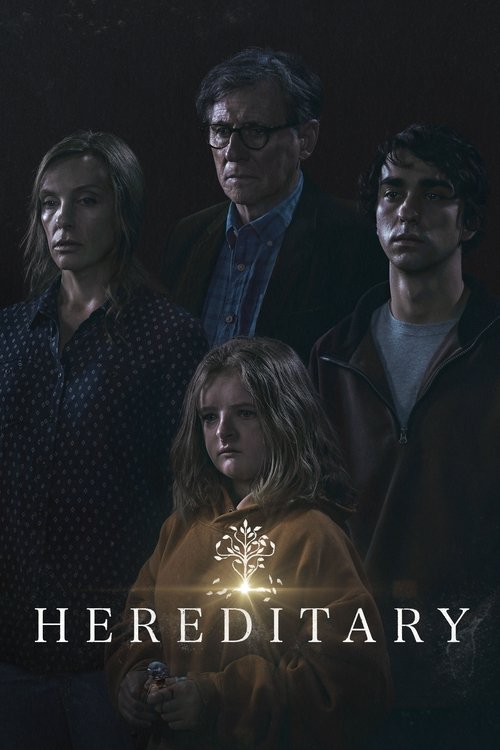
Hereditary (2018) does something most horror films refuse to do: it makes you feel the grief before it makes you feel the dread. Ari Aster's debut builds its terror on a foundation of real bereavement, family dysfunction, and the creeping suspicion that the people closest to you are not entirely who you thought. What fans of this film keep chasing is that combination: slow, atmospheric dread earned through character; horror that feels personal rather than mechanical; and an ending that reframes everything that came before. The films, books, games, and music here share at least one strand of that DNA.
Essential Hereditary
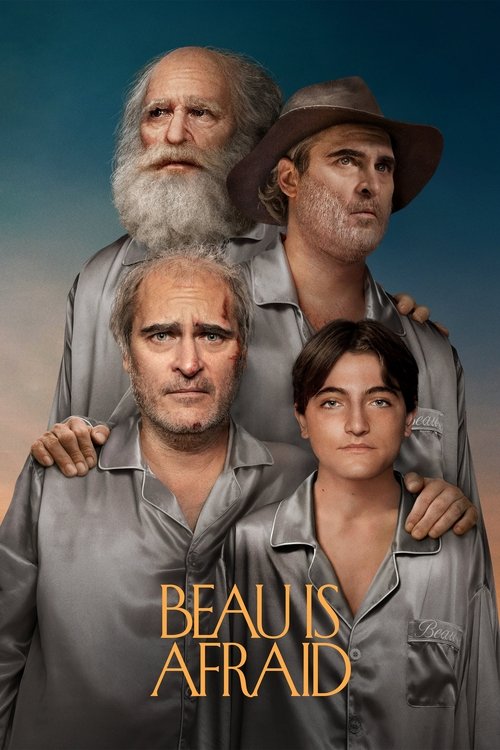
Ari Aster's own films, from debut to follow-up

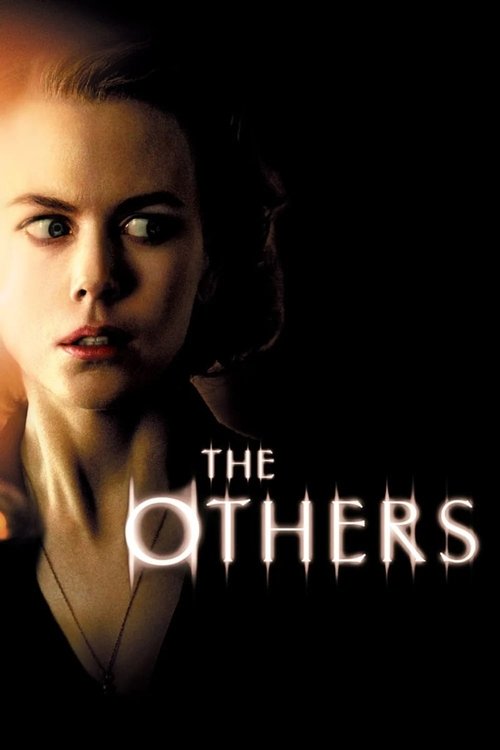
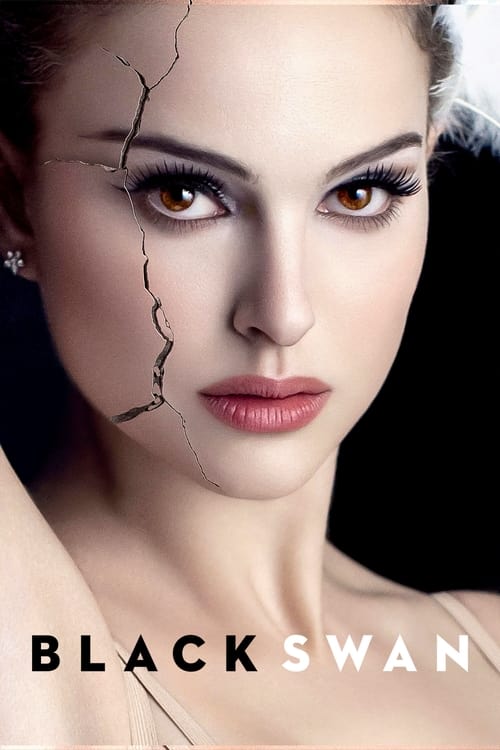
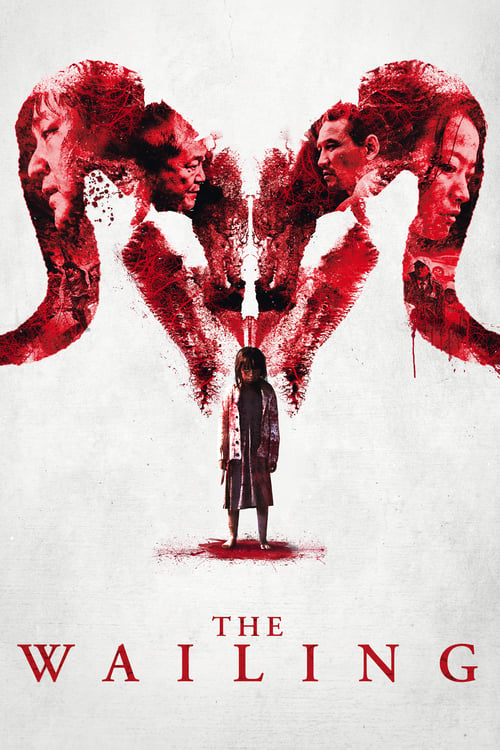
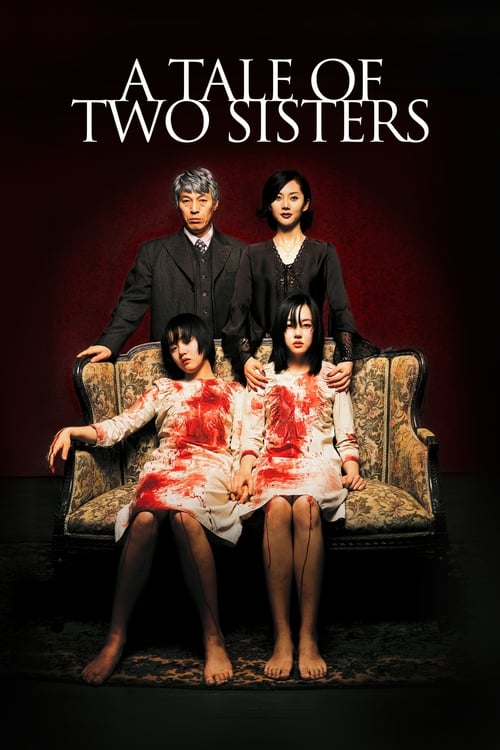
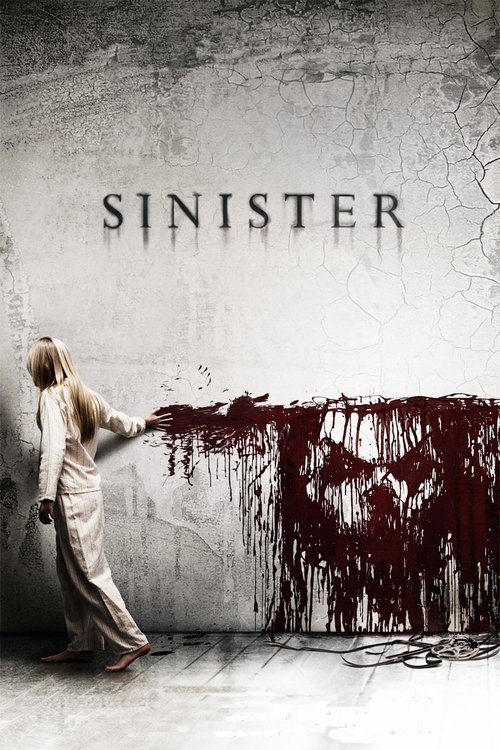
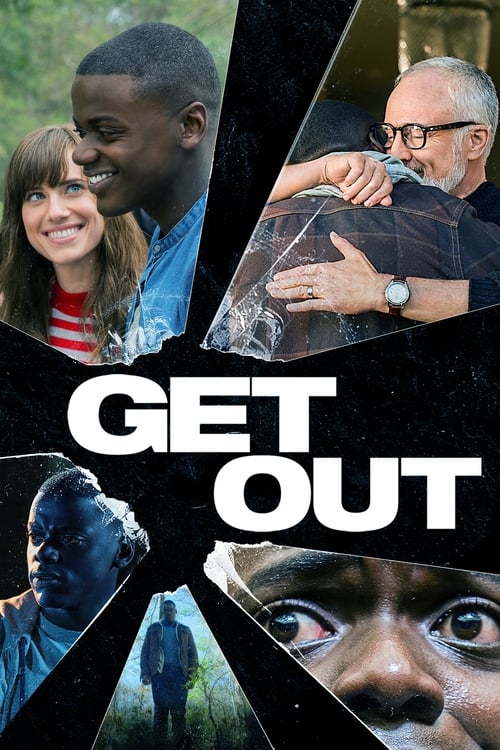
Same-Vibe Horror Films
Slow-burn, grief-soaked, or occult family horror that earns its scares


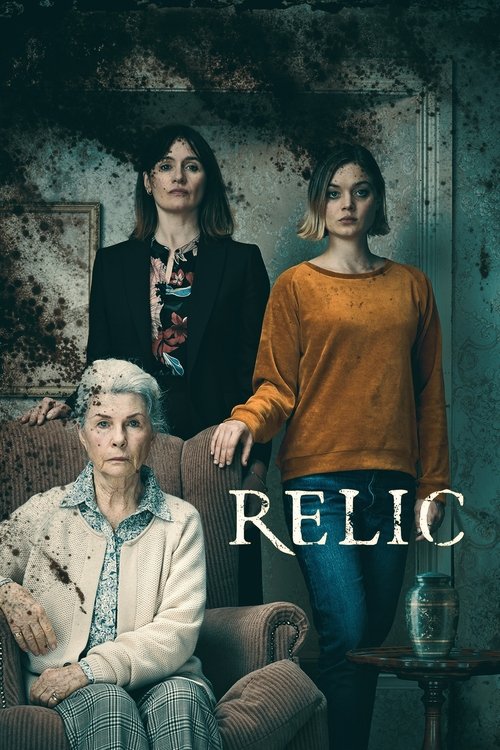
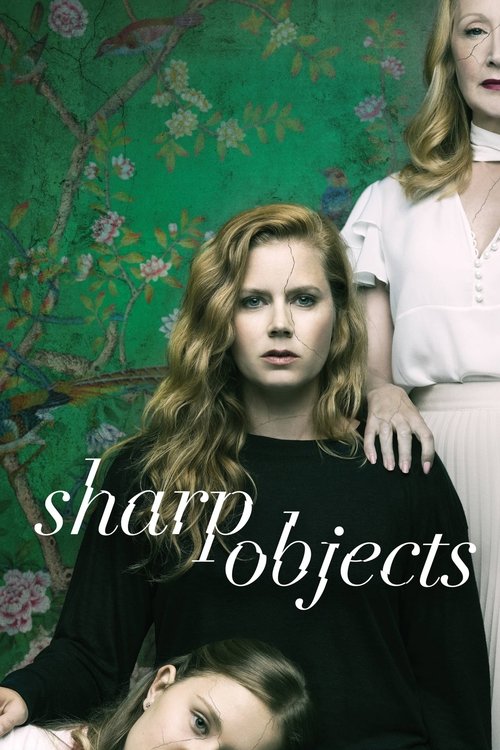
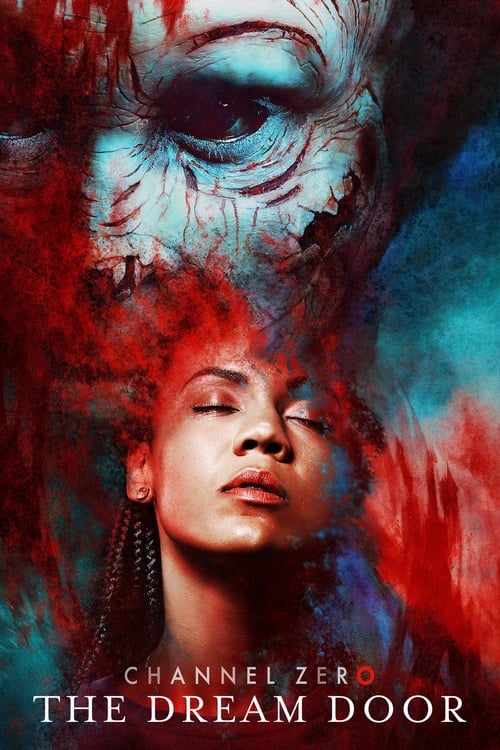
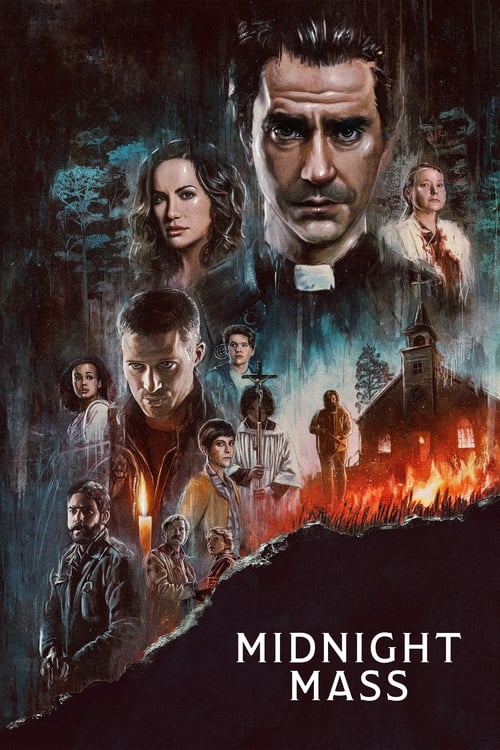
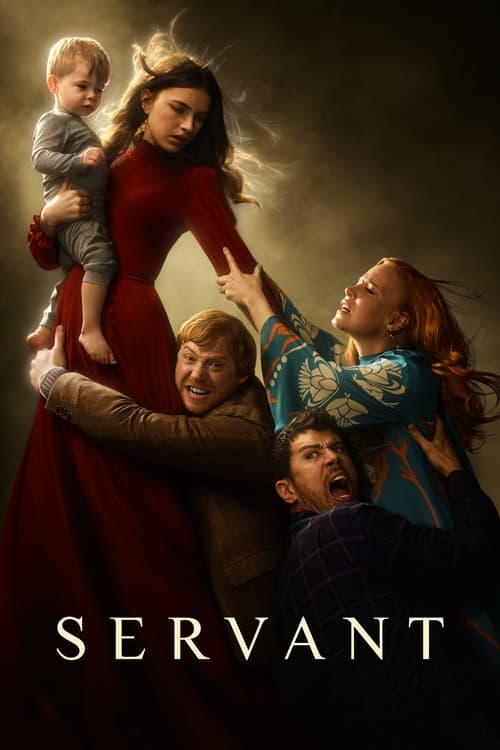
Series in the Same Vein
TV that shares the slow-dread family-horror register

Books That Go to the Same Dark Place
Novels of family horror, grief, and occult unease




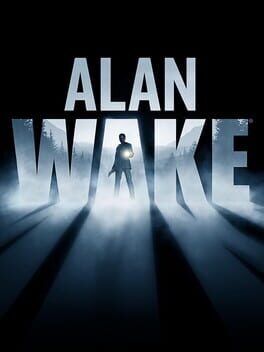
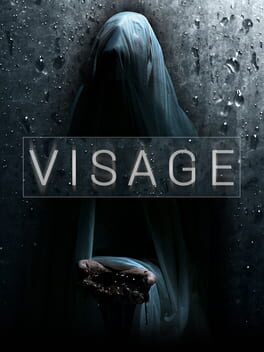
Games Sharing Hereditary's DNA
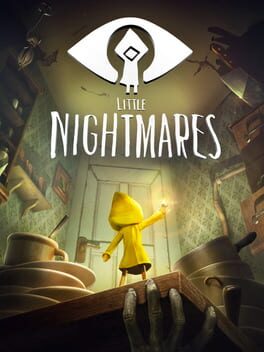
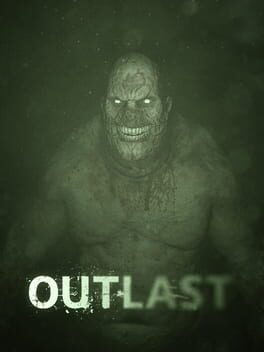
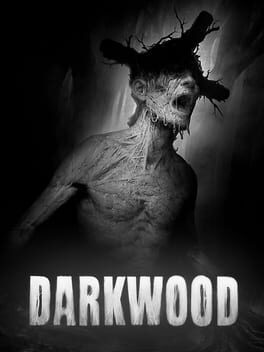
Atmospheric dread, occult discovery, and horror that builds from quiet unease
The Score and Its Cousins
Colin Stetson's Hereditary soundtrack and music that shares its unsettling register
Grief Is the Monster
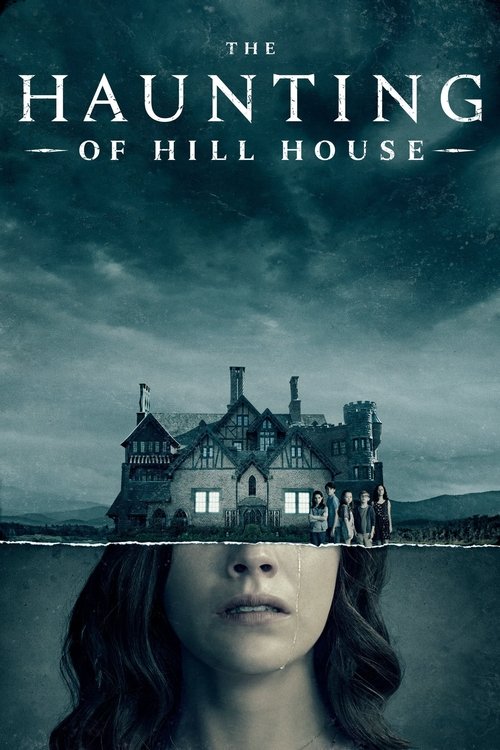
Hereditary's power comes from treating grief as a force that distorts perception. The Babadook does the same thing with depression, and The Haunting of Hill House stretches the idea across a whole family over decades. These are horror texts that insist the monster and the wound are the same thing.
The Occult as Family Secret
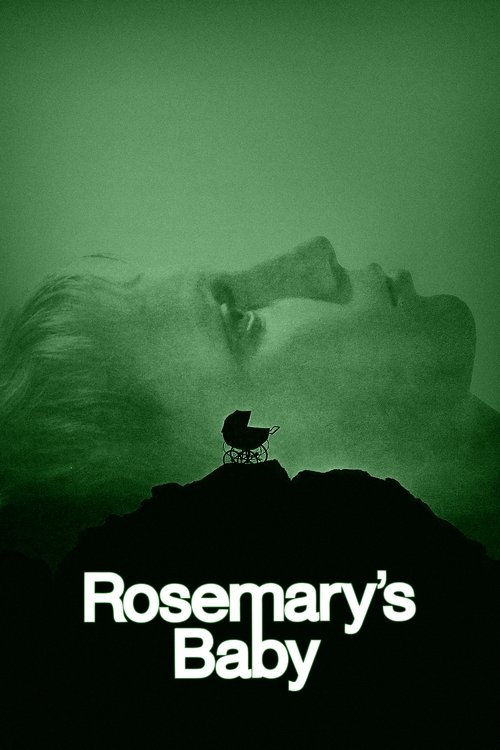
Rosemary's Baby established the template: the people around you are not protecting you. Hereditary refines it by making the conspiracy multigenerational, so the horror isn't just what is happening now but what was always coming. We Need to Talk About Kevin pushes that logic into literary realism, asking how much a parent can know and deny simultaneously.
Aster Versus Eggers: Two Routes into Folk Horror
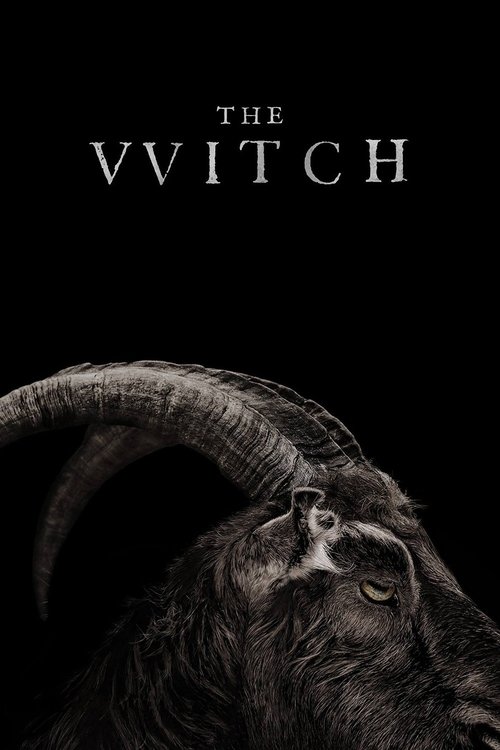
Robert Eggers in The Witch and Ari Aster in Hereditary arrived at roughly the same moment with similar ambitions: rigorously controlled atmosphere, deep research into period or subcultural detail, and genre horror used as a lens for examining what faith and family do to people. Both are worth studying closely, together.
When Games Earn Their Horror
Amnesia: The Dark Descent and Darkwood understand something that most horror games miss: the dread comes from what you cannot see and cannot control. Hereditary uses the same principle cinematically, holding on spaces just long enough to let the mind fill the gaps. These games put you inside that sensation rather than watching it.
A Lineage of Family Horror
- 1959Shirley Jackson publishes the definitive haunted-house novel The Haunting of Hill House
- 1968Polanski's paranoid domestic horror sets the template for occult conspiracy Rosemary's Baby
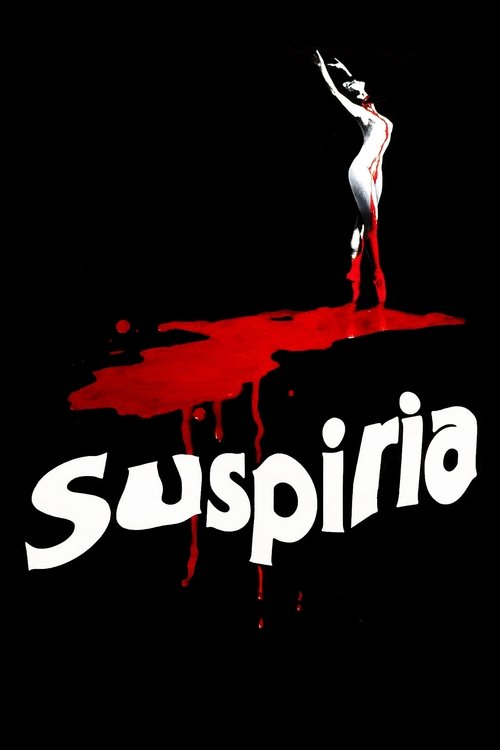
- 1977Dario Argento's Suspiria turns color and sound into pure dread Suspiria
- 2010Frictional Games redefine video-game horror around helplessness Amnesia: The Dark Descent
- 2014The Babadook makes grief and monstrosity inseparable The Babadook
- 2015Eggers strips folk horror back to its Puritan roots The Witch
- 2018Ari Aster's Hereditary resets the ceiling for slow-burn family horror Hereditary
- 2018Mike Flanagan expands grief-horror to eight episodes on Netflix The Haunting of Hill House
- 2019Aster follows Hereditary into midsummer ritual horror Midsommar
Psychological horror, possession, the occult
For Fans of Ari Aster
Explore the For Fans of Ari Aster guide →Hereditary works because it refuses to let you enjoy the horror from a safe distance. The grief is real before the dread arrives, which means by the time the film turns, you are already inside the family.CrossBinge