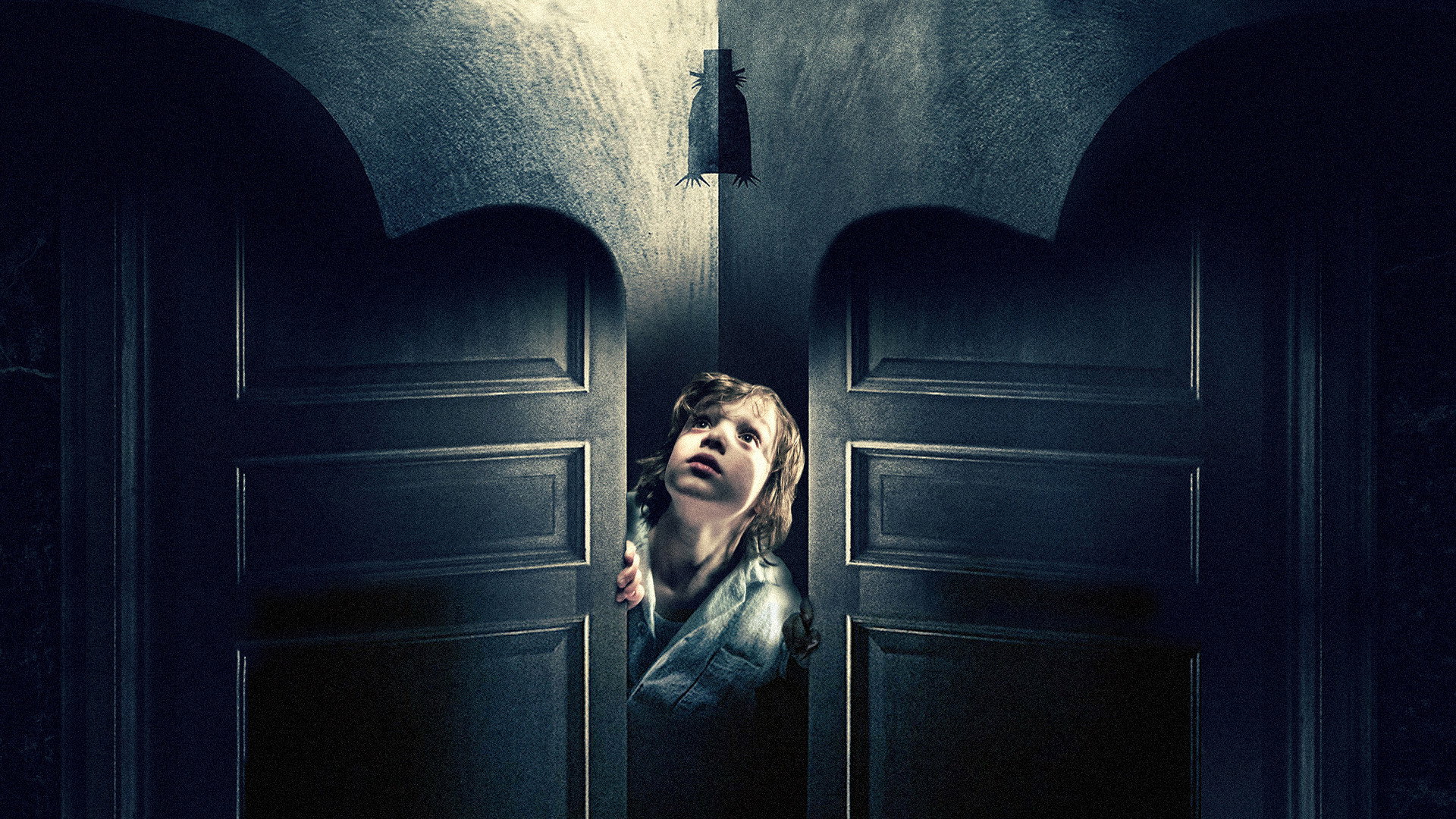

The Babadook (2014) is not a haunted-house film. It is a portrait of a widowed mother drowning in grief, and the creature that crawls out of her son's picture book is the shape her sorrow has taken. Jennifer Kent made it on a shoestring in South Australia and it announced a new voice in horror: one that trusts psychology over shock, that lets the monster linger at the corner of the frame rather than leap at the camera. The feeling a fan chases is that slow dread, the domestic space becoming unsafe, the horror that cannot be separated from love and loss. Everything below shares some part of that feeling.
Essential The Babadook
The film and its closest kin in the same vein of grief-horror and psychological dread

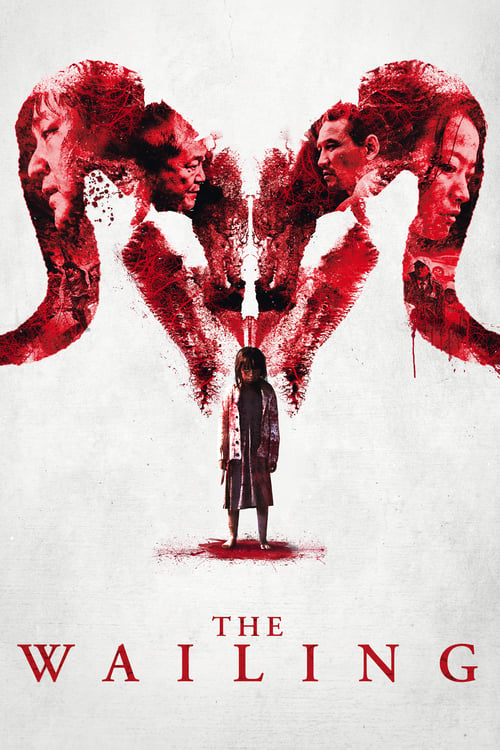
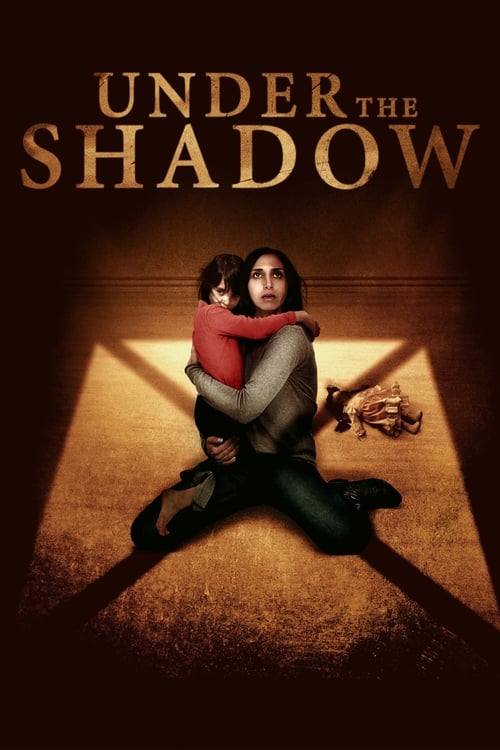
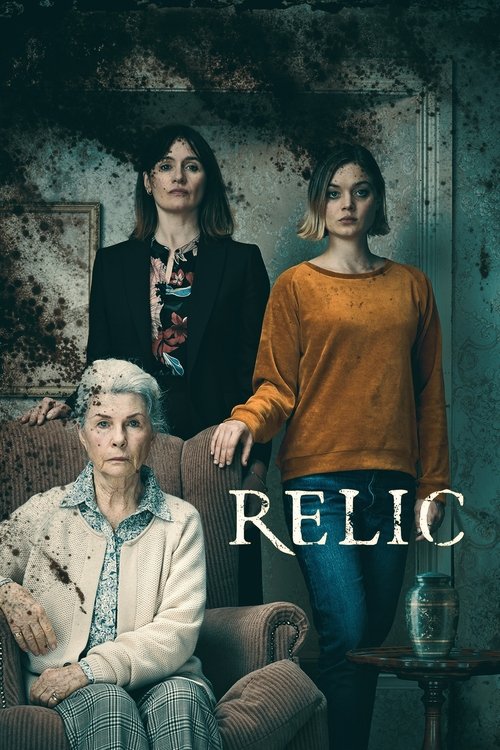
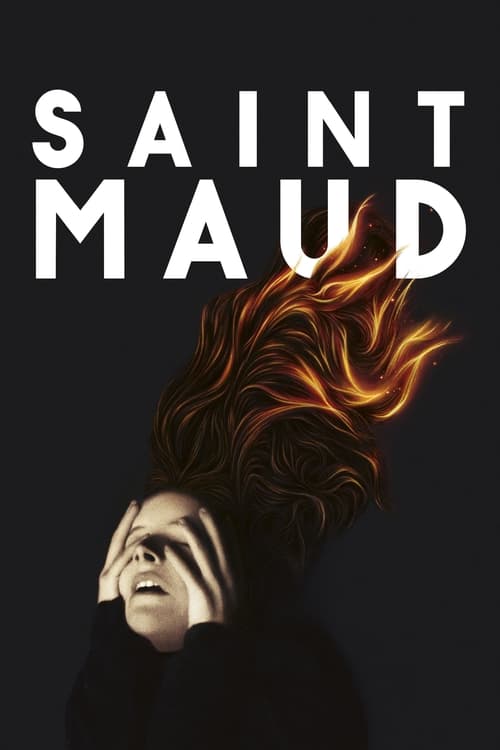
The Horror That Lives Inside
Films where the real monster is psychological and the domestic becomes the site of dread
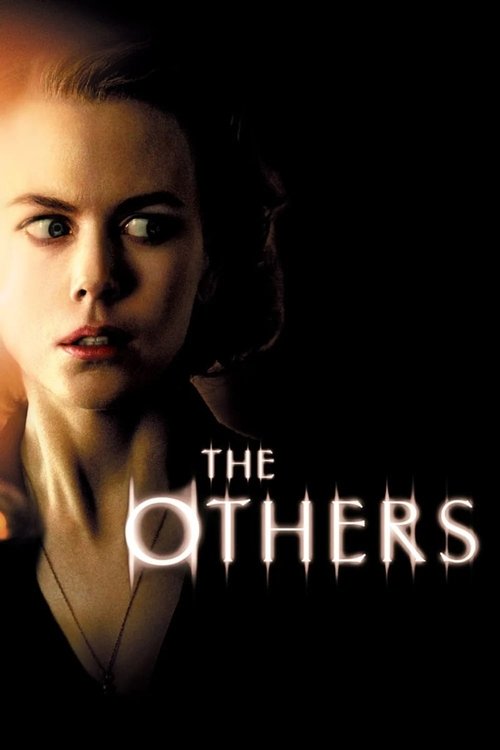
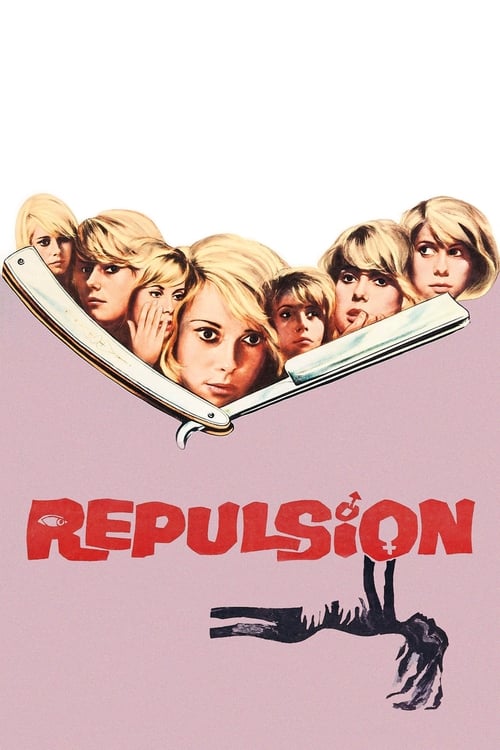
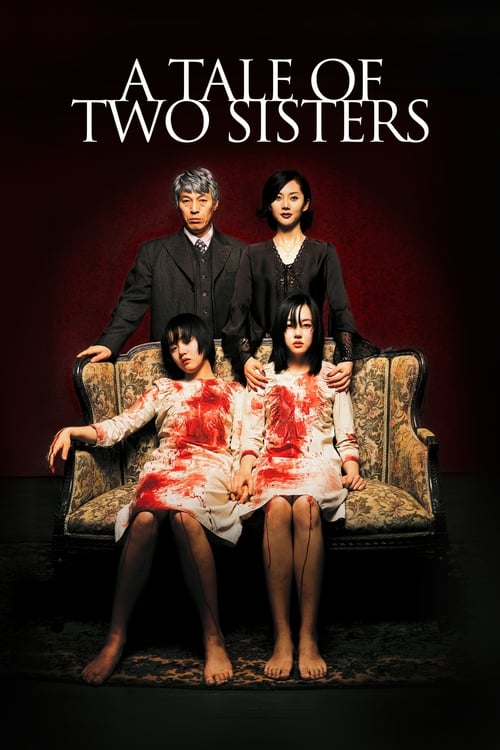
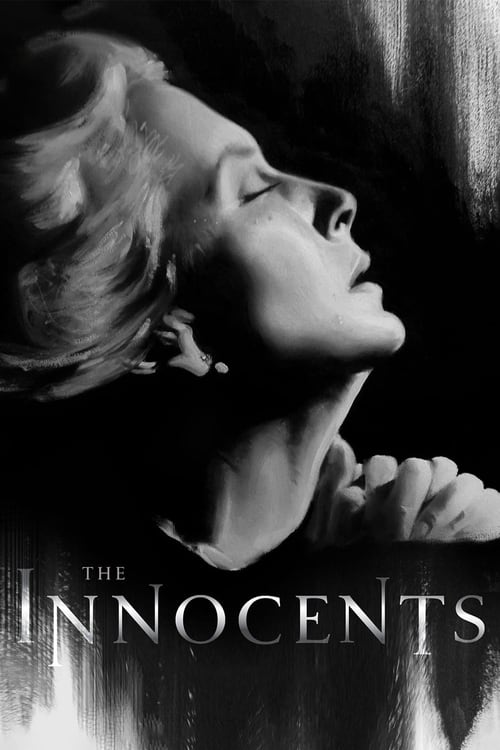
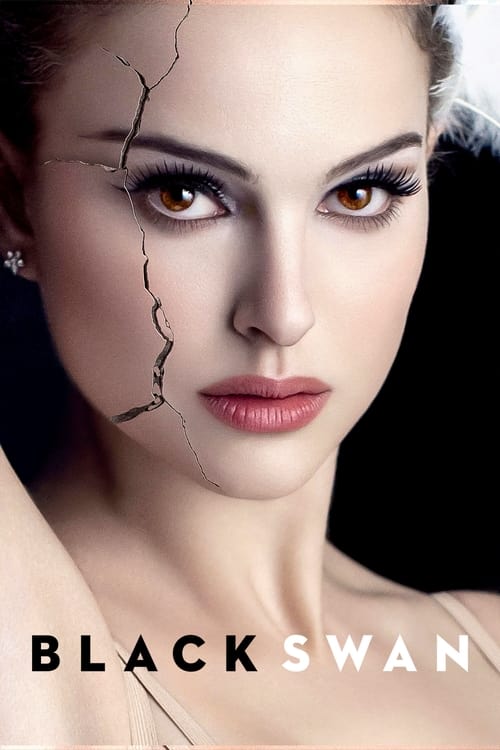
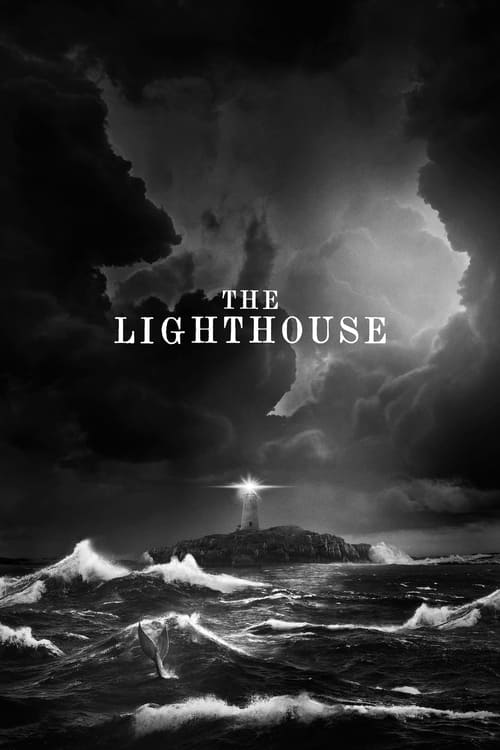
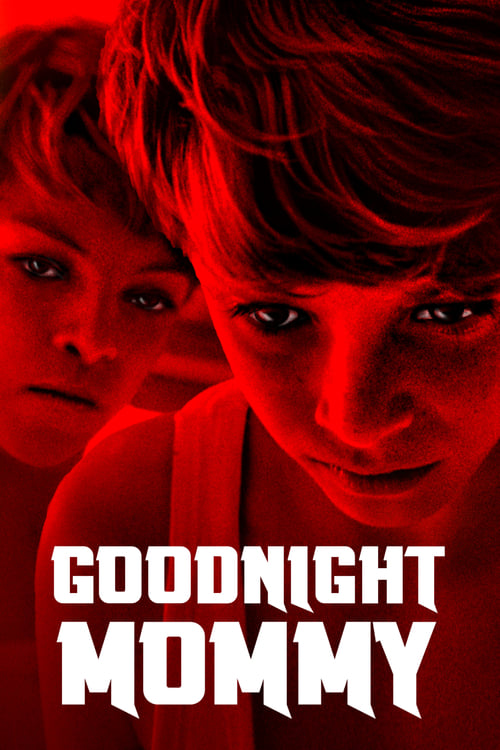
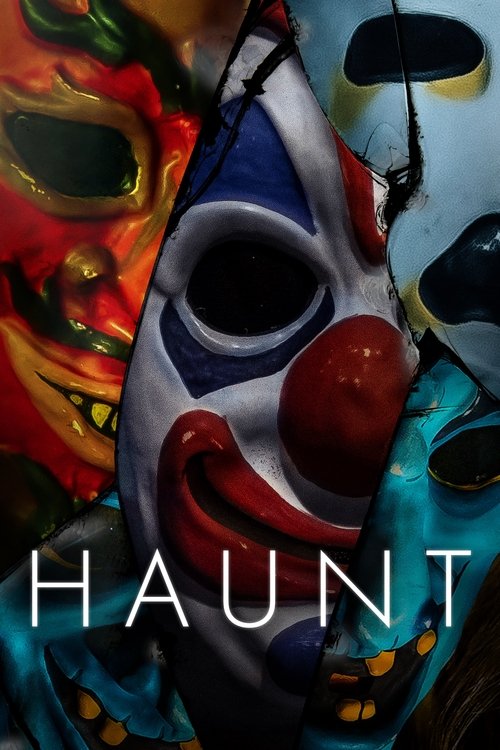
Grief Made Visible on Screen
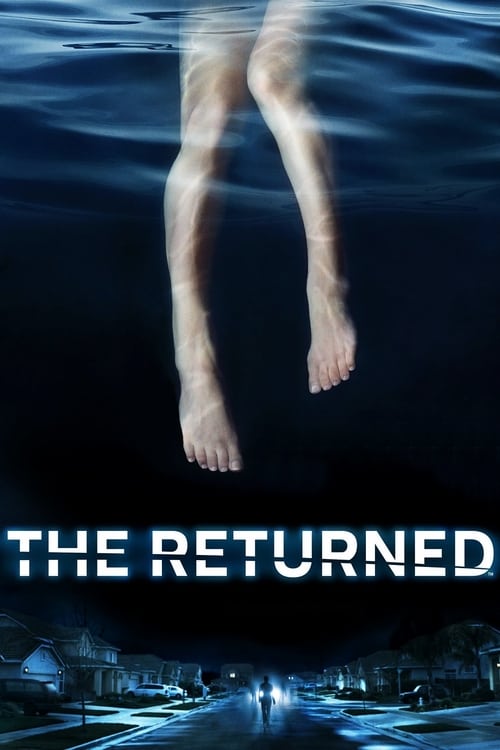
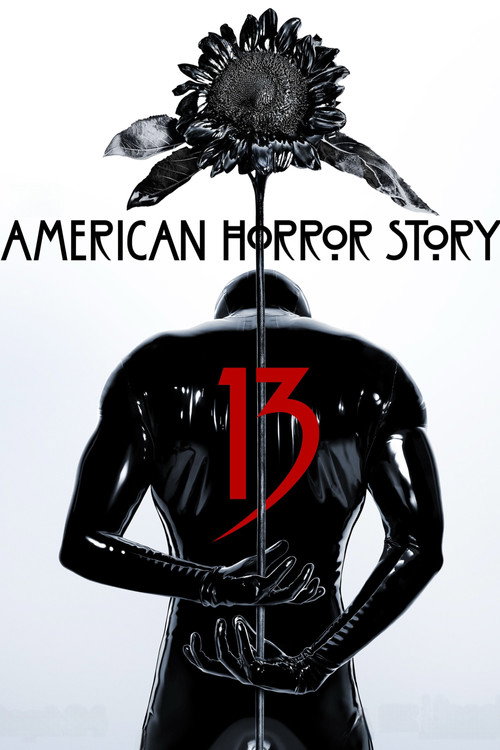
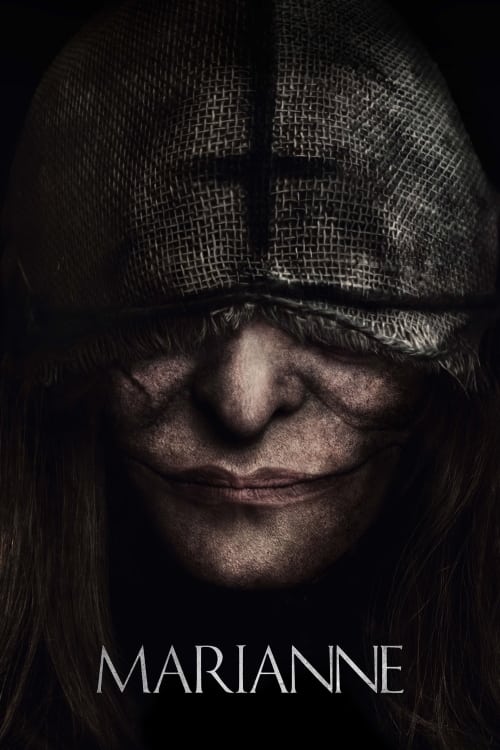
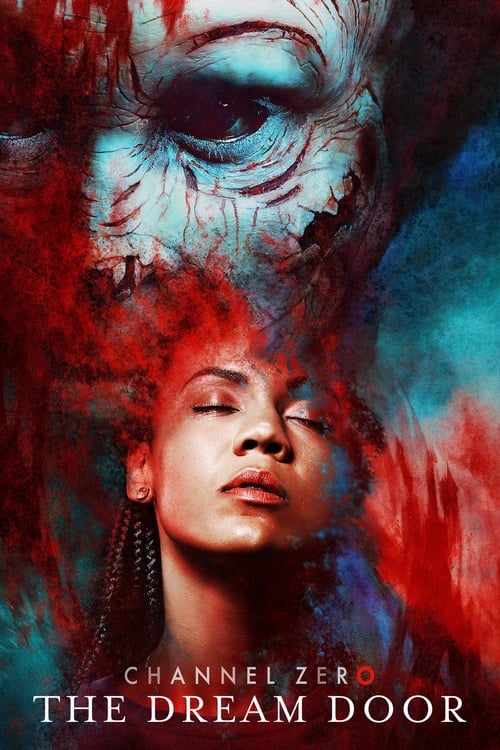
TV series that use genre and atmosphere to map the terrain of loss
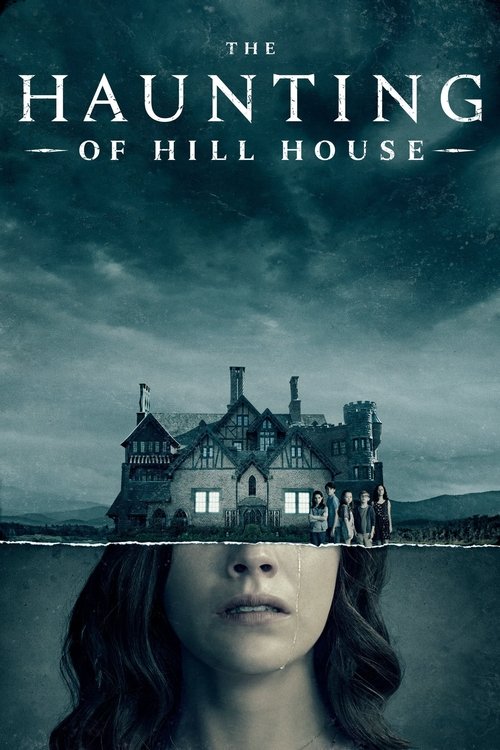
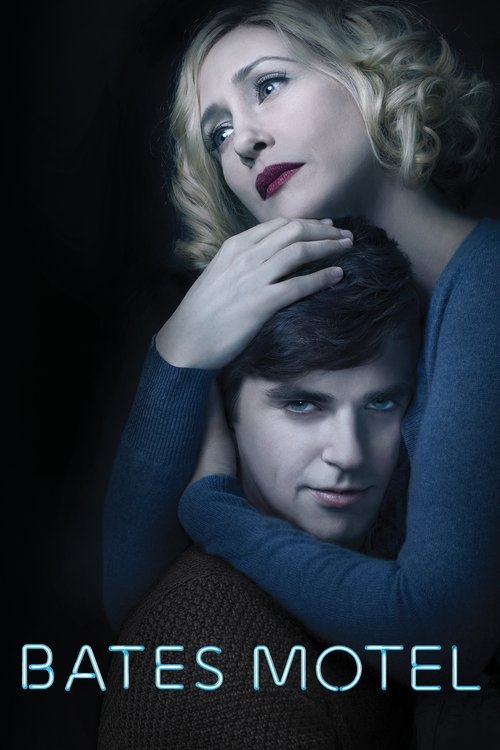

The Dread That Reads
Novels where horror is inseparable from parenthood, grief, or a mind at the edge


Games That Crawl Under Your Skin
Horror and psychological games that favour atmosphere and dread over action
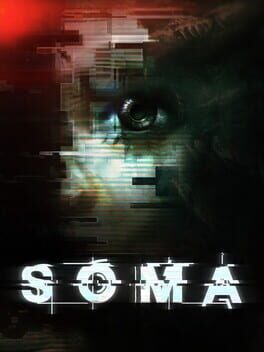
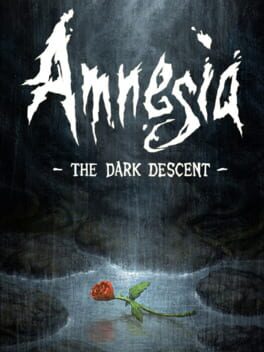
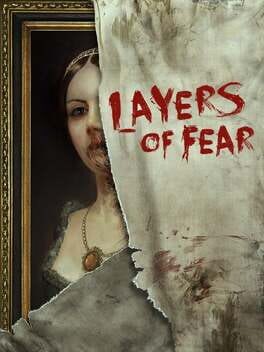
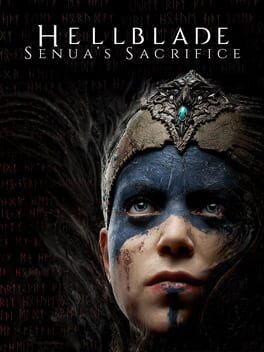
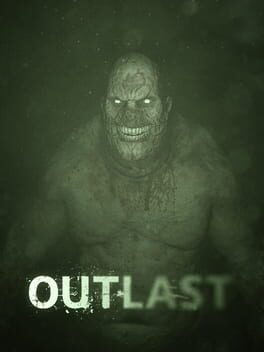
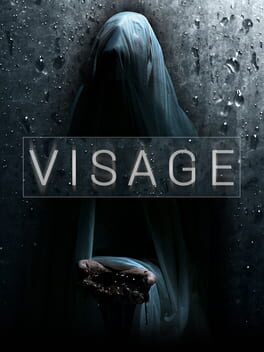
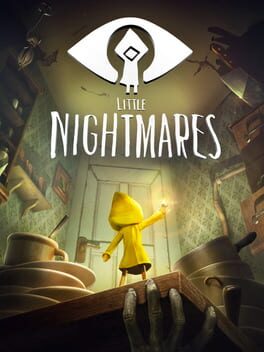
Sound of Dread
Scores and albums that occupy the same dark, intimate space as The Babadook's soundtrack
Grief is the real horror
The Babadook's monster never needs to be explained because it already has a name: unresolved grief. Amelia cannot mourn her husband's death properly because she is consumed by keeping her son alive, and the repression of that pain is what the Babadook feeds on. Kent understood that the scariest films are the ones where the horror is already inside the protagonist before any supernatural element arrives. When the ending refuses to destroy the creature and instead confines it to the basement, fed but contained, that is not ambiguity. It is the most honest thing a horror film has said about living with loss.
Jennifer Kent and the female horror voice
Before The Babadook, literary horror by women (Shirley Jackson, Angela Carter) had rarely translated directly into the film director's chair. Kent's debut opened a door that Saint Maud, Relic, and Midsommar walked through. Each of those films centres a woman's interiority, uses genre to map states of mind that are rarely taken seriously on screen, and refuses the male-gaze framing that horror so often defaults to. The Babadook did not invent this lineage, but it proved the commercial and critical case for it.
The slow burn is the point
The Babadook spent its first act doing almost nothing frightening at all. It built a specific texture: the exhaustion of single parenthood, the low hum of a child's unmet needs, the way a broken sleep cycle corrodes reality at the edges. By the time the creature arrived in force, the audience was already unsettled in a way that a cold-open jump scare could never achieve. Slow-burn horror is not patient horror. It is horror that does its real work early, so that when the climax comes, it lands on ground already thoroughly prepared.
A lineage of dread
- 1959Shirley Jackson publishes the novel that defines uncanny domestic dread The Haunting of Hill House
- 1960Michael Powell's Peeping Tom and Hitchcock's Psycho both arrive, placing psychological breakdown at horror's centre Psycho
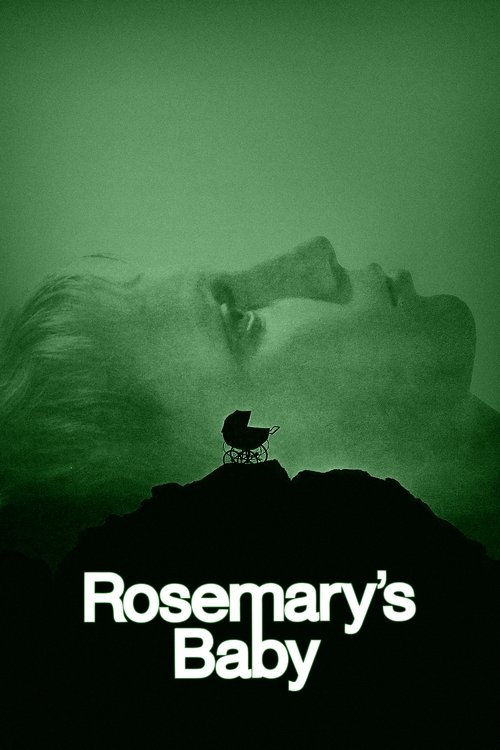
- 1968Rosemary's Baby frames pregnancy and domesticity as a site of creeping terror Rosemary's Baby
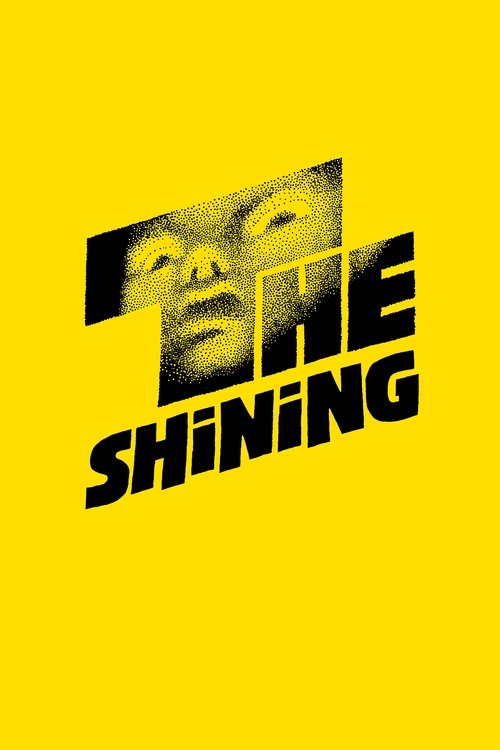
- 1980The Shining maps family collapse onto a haunted space The Shining
- 2001Amnesia: The Dark Descent later codified the helpless-protagonist horror game Amnesia: The Dark Descent
- 2011We Need to Talk About Kevin asks whether a mother can love the thing she fears most We Need to Talk About Kevin
- 2014The Babadook arrives and resets the bar for grief-as-monster horror The Babadook
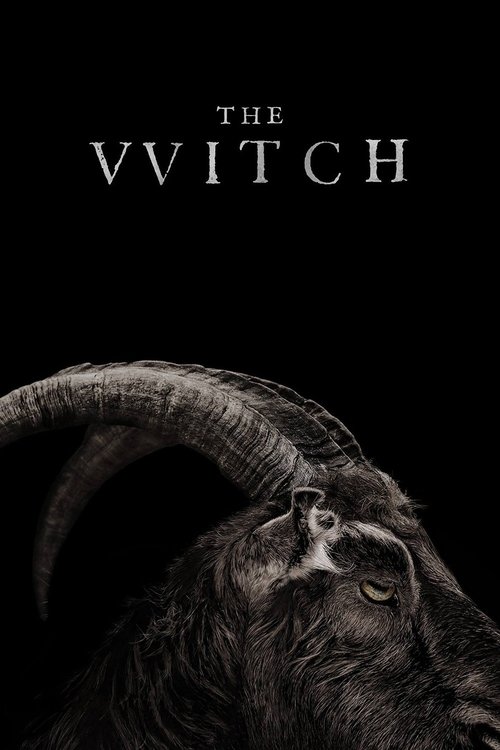
- 2015The Witch strips horror back to elemental Puritan dread The Witch
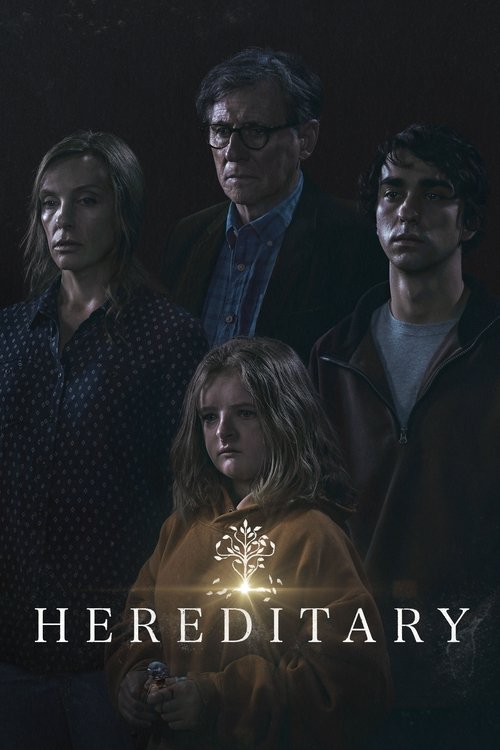
- 2018Hereditary pushes grief-horror to its most operatic extreme Hereditary
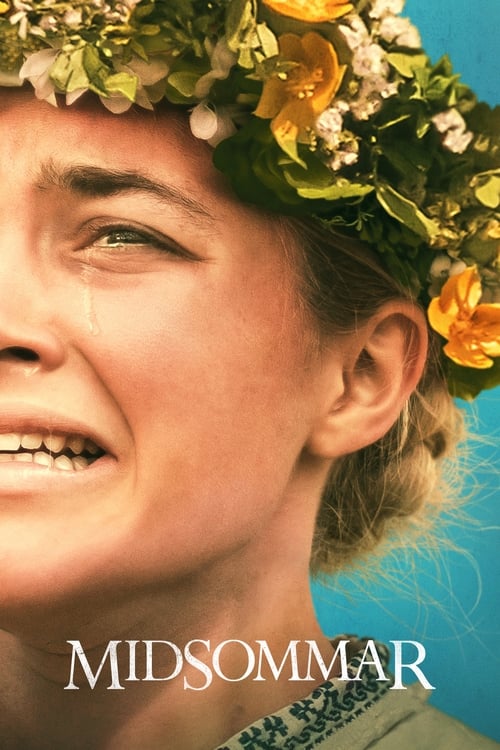
- 2019Midsommar relocates the internal darkness to broad Scandinavian daylight Midsommar
- 2020Saint Maud and Relic carry the female-interiority horror tradition forward Saint Maud
More slow-burn dread to unsettle you
Psychological Horror
Explore the Psychological Horror guide →The most frightening monster is the one you have already let into the house before you knew what it was.On The Babadook