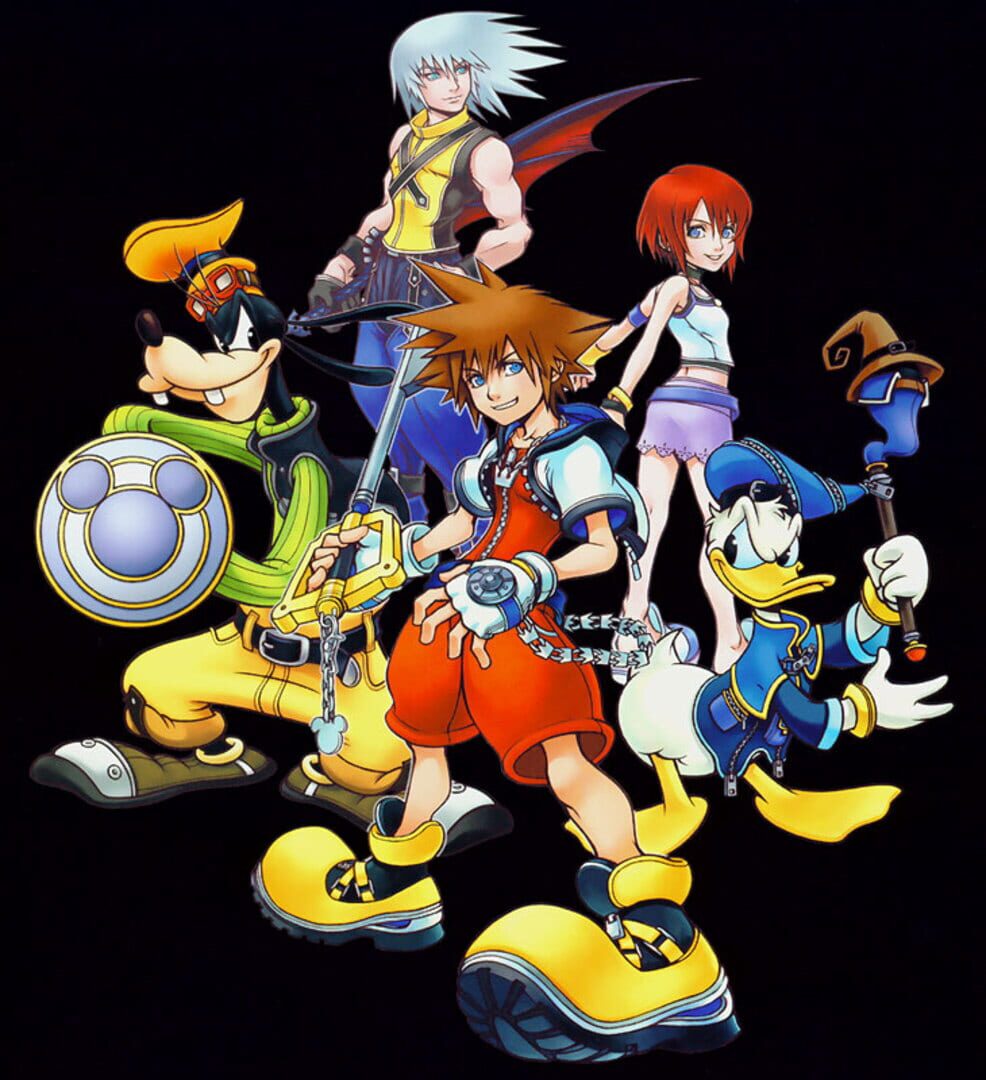

Kingdom Hearts arrived in 2002 as an improbable collision: Square's mastery of emotional JRPG storytelling slammed into the iconography of Disney's animated canon, and somehow it worked completely. A teenage boy named Sora picks up a weapon shaped like a giant key, befriends Donald Duck and Goofy, and sets off across worlds drawn from Agrabah, Wonderland, Neverland, and beyond -- all while a genuinely complex mythology about hearts, darkness, and identity slowly accumulates around him. The hook that keeps fans for life is not the Disney costumes but the feeling underneath: that friendship is a force strong enough to rewrite fate, and that losing yourself in the dark is only the beginning of finding out who you are.
Essential Kingdom Hearts
The core games, in the order that matters
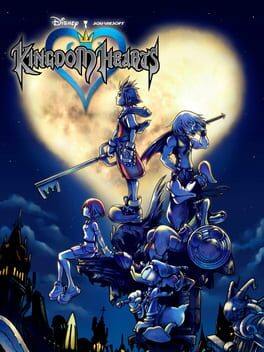 Kingdom Hearts
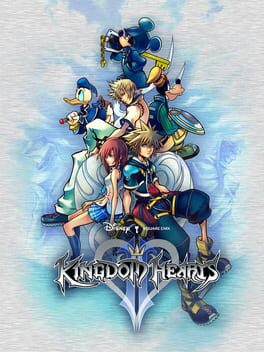 Kingdom Hearts II
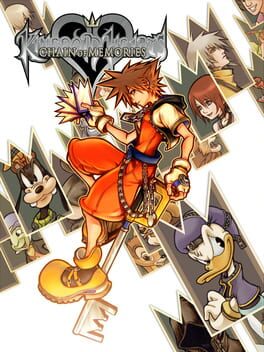 Kingdom Hearts: Chain of Memories
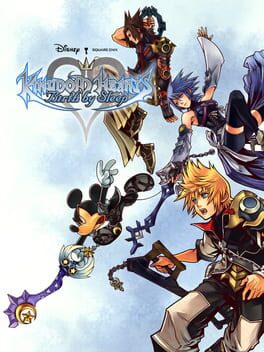 Kingdom Hearts Birth by Sleep
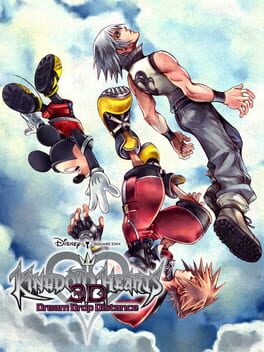 Kingdom Hearts 3D: Dream Drop Distance
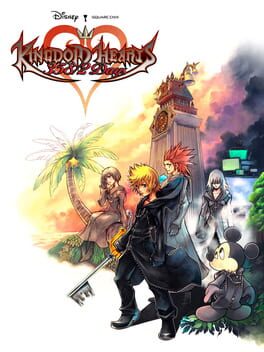 Kingdom Hearts 358/2 Days
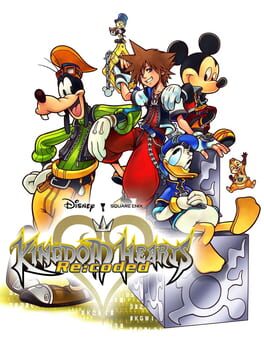 Kingdom Hearts Re:coded
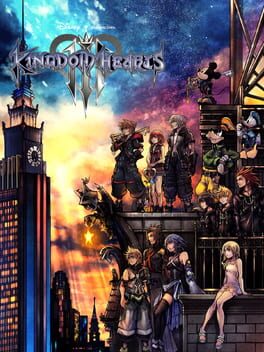 Kingdom Hearts III
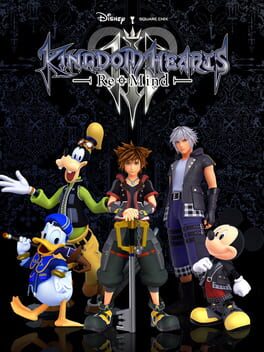 Kingdom Hearts III: Re Mind
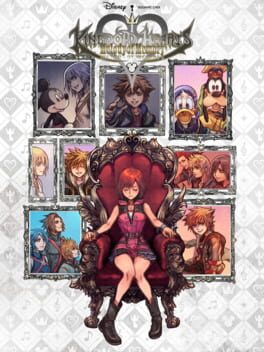 Kingdom Hearts: Melody of Memory
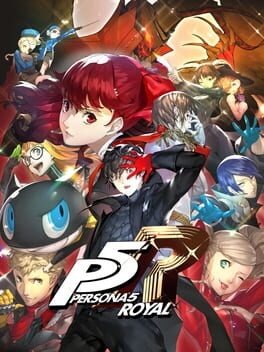
If You Love the Action-RPG Combat
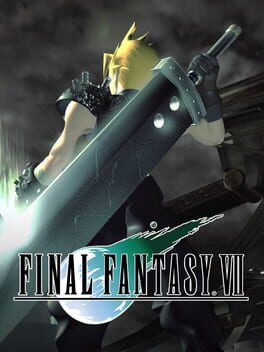
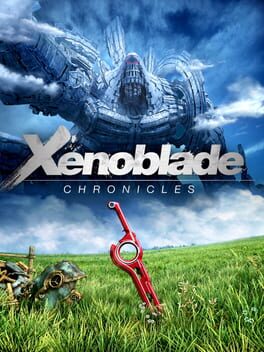
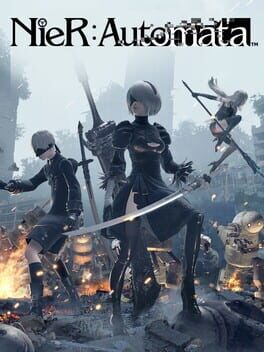
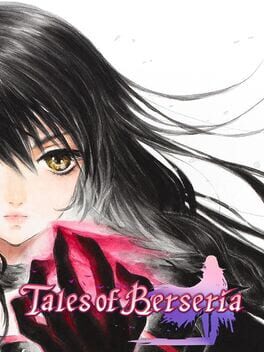
Games that mix fast, stylish battles with rich worlds and emotional stakes
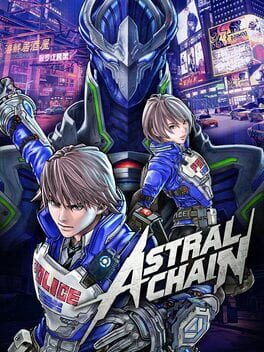
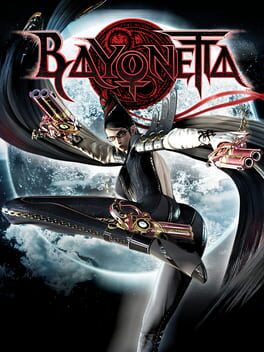
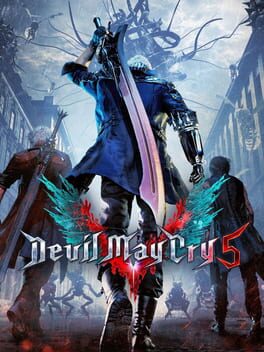
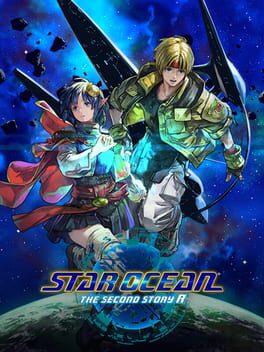
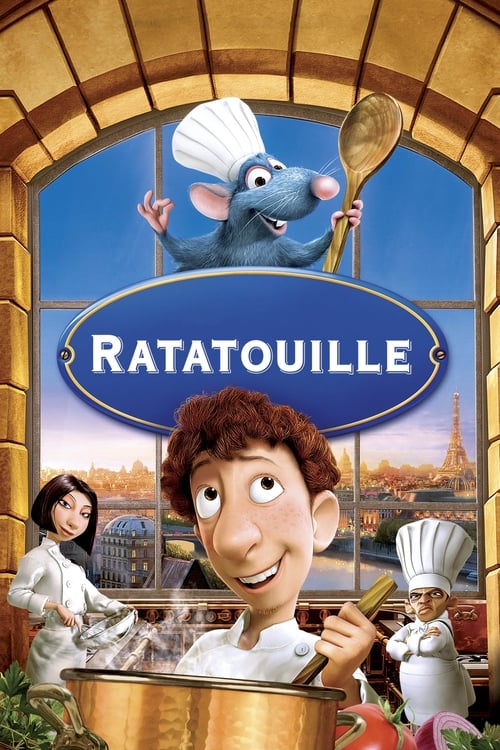
The Disney and Pixar Films Behind the Worlds
The animated classics that Kingdom Hearts borrows its soul from
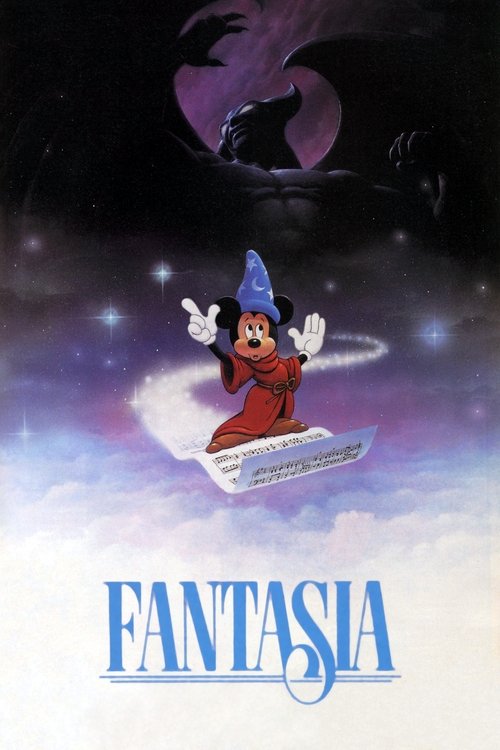
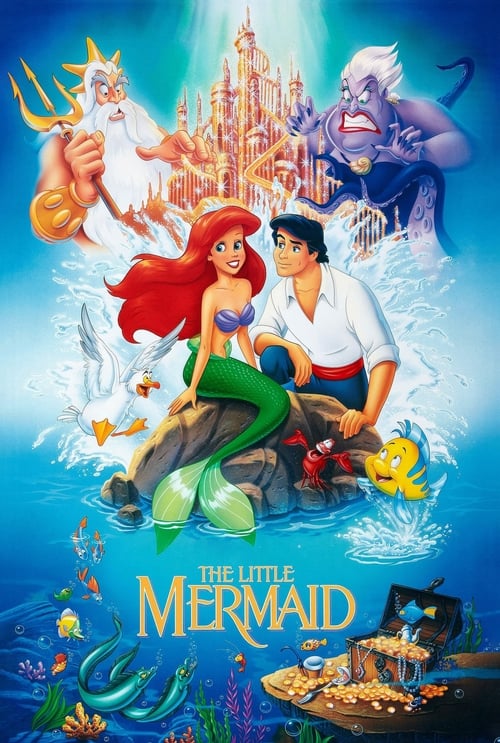
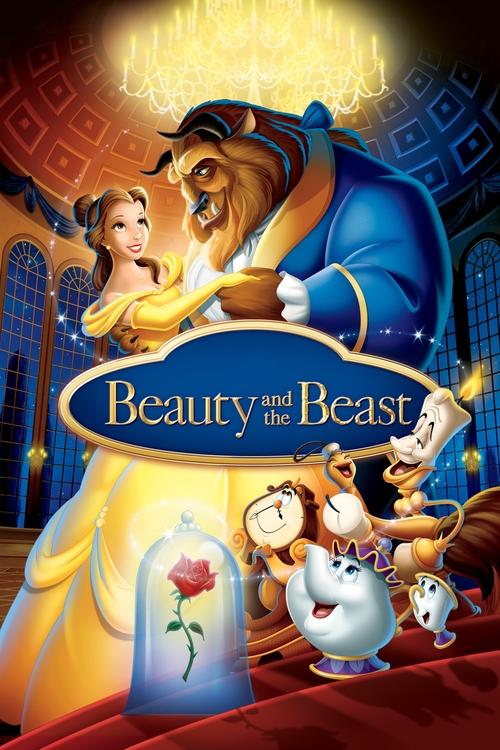
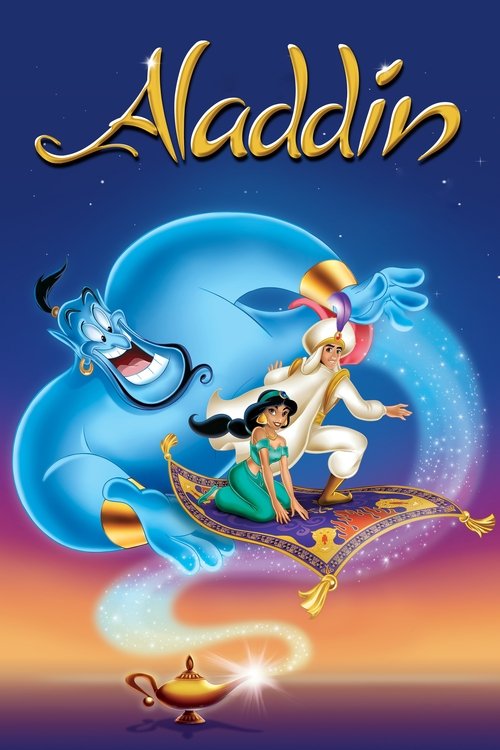
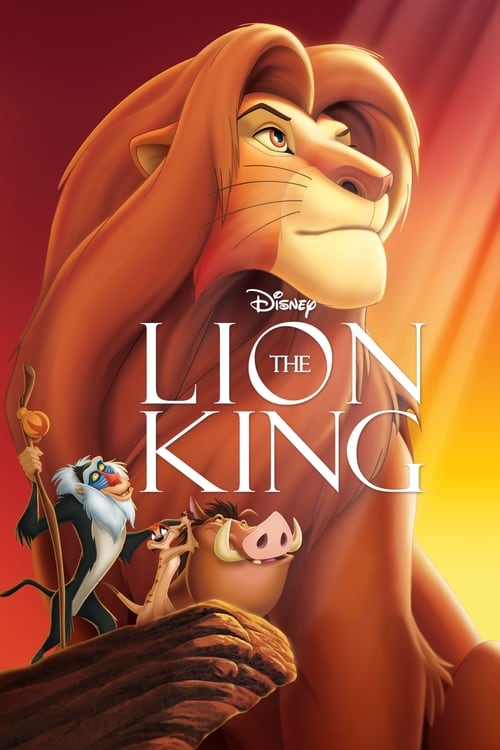

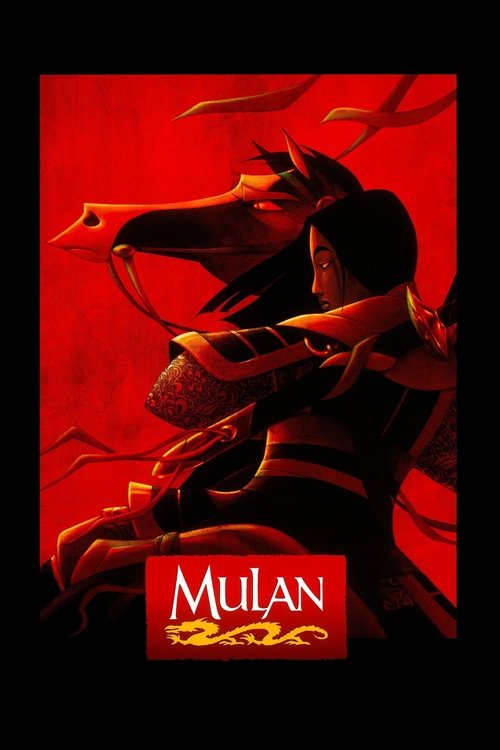

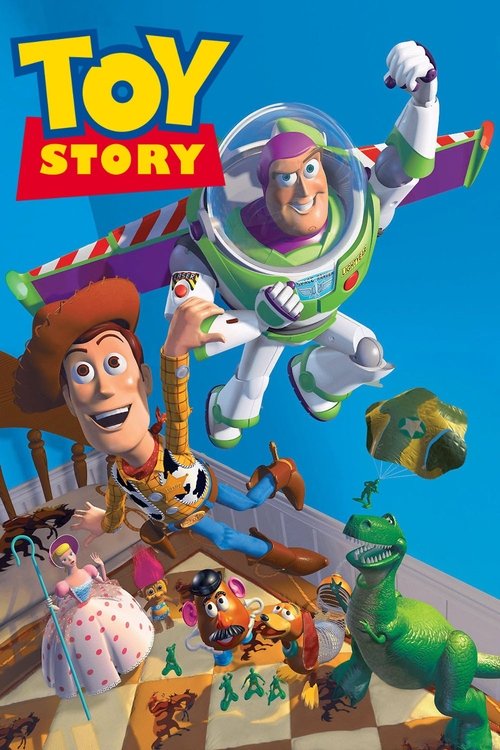
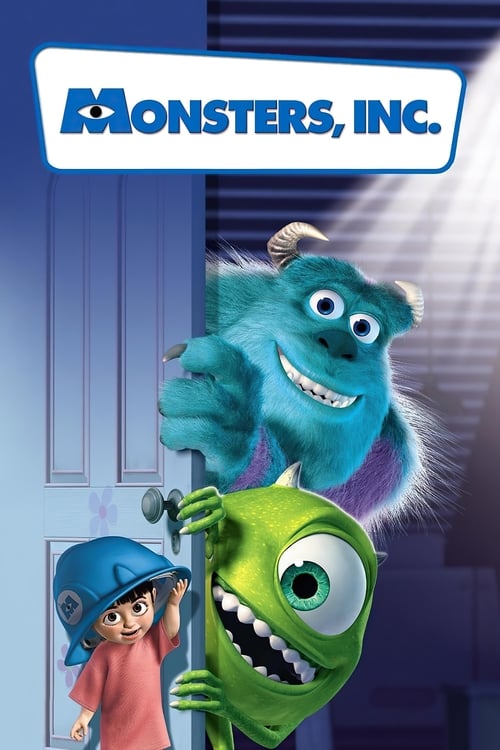

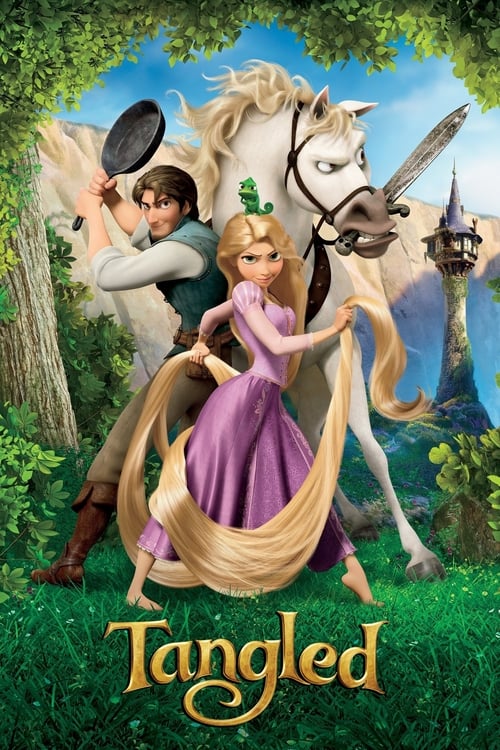
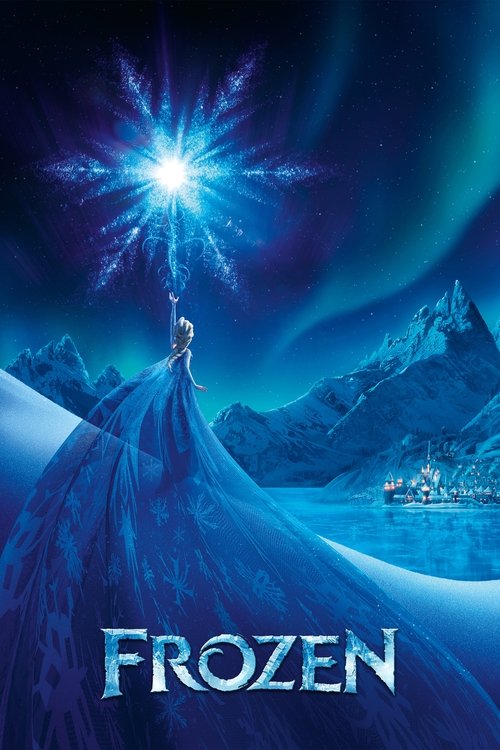
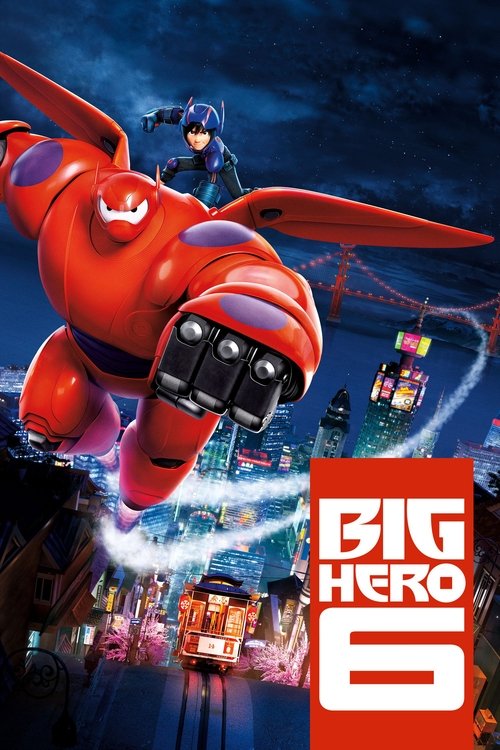
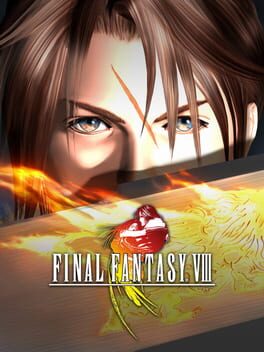
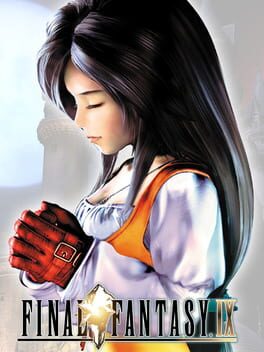
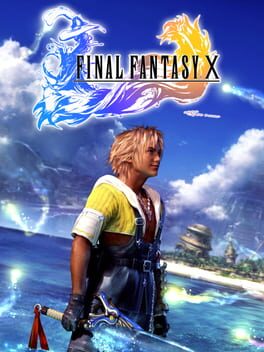
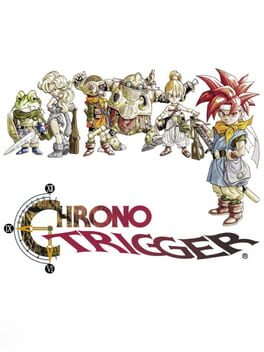
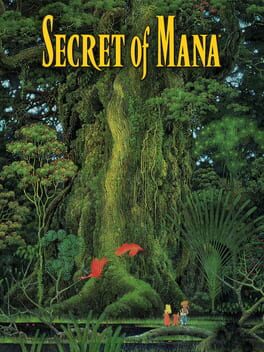
The Final Fantasy DNA
The Square Enix games whose characters and DNA run through every Kingdom Hearts title

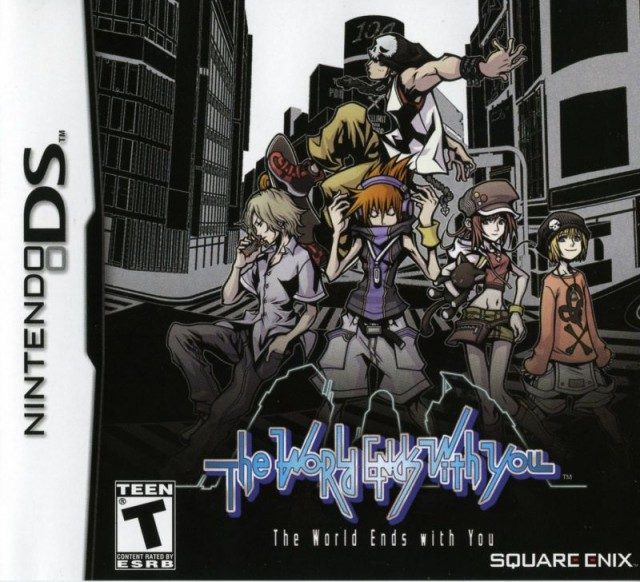
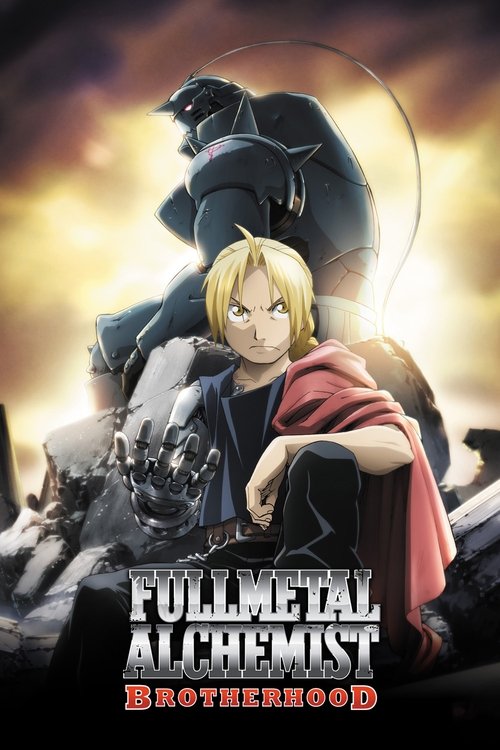
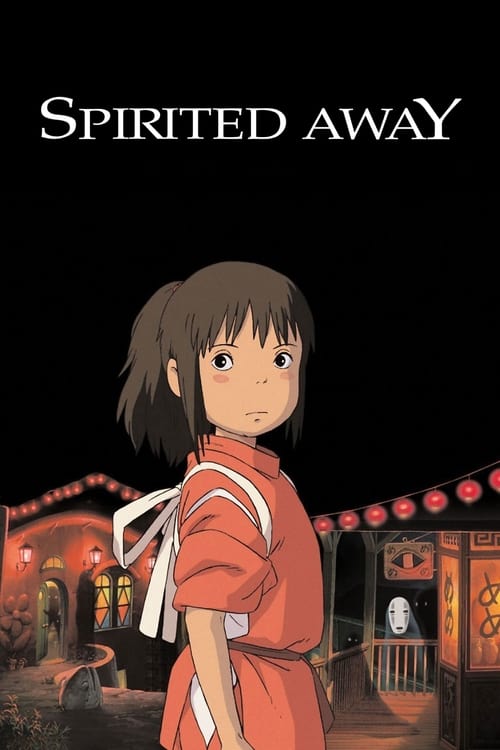
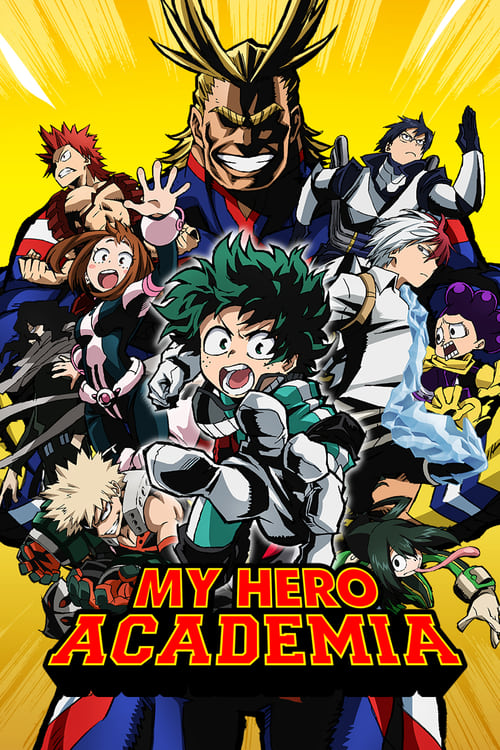
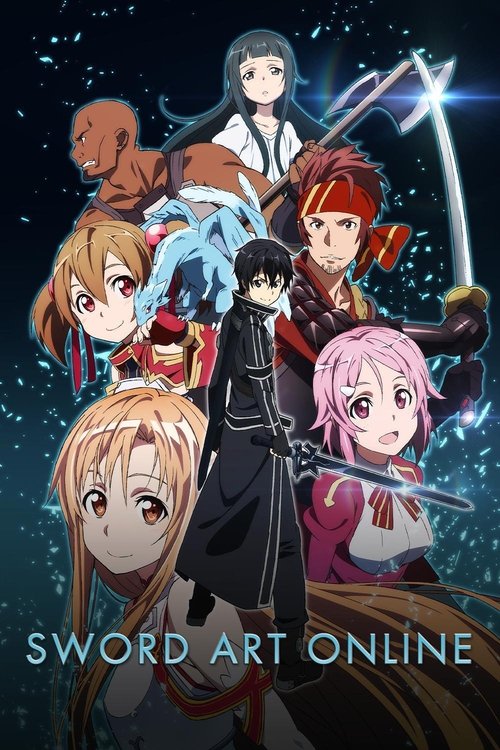
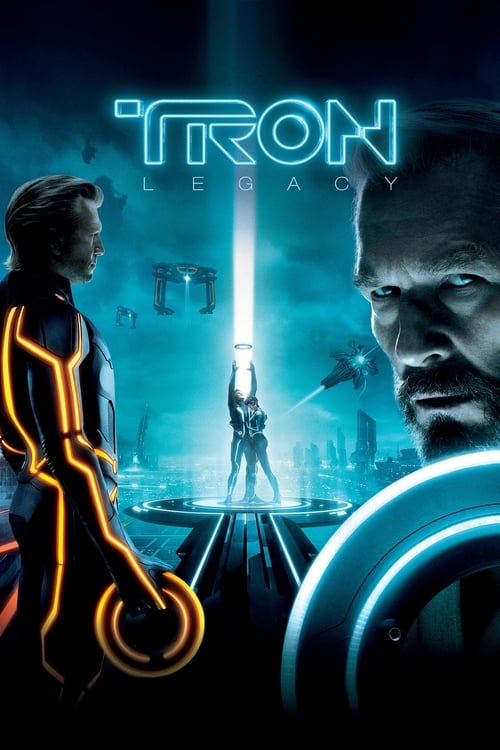
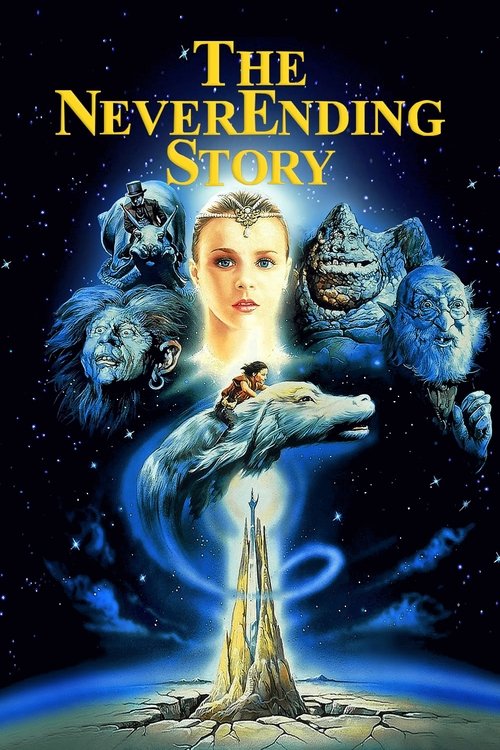
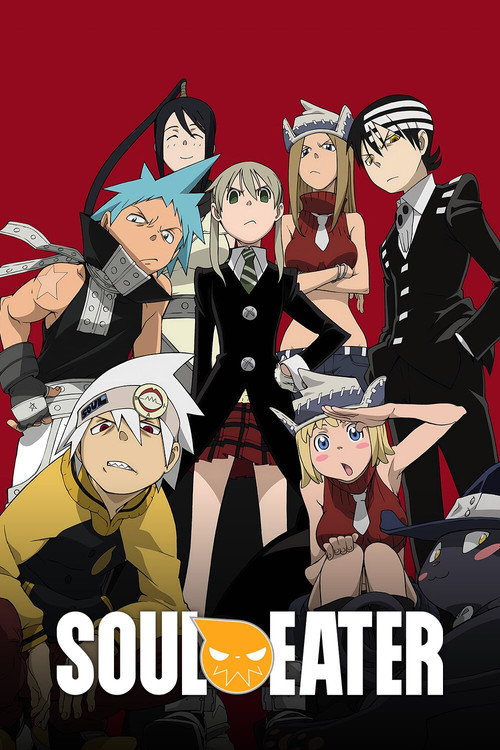
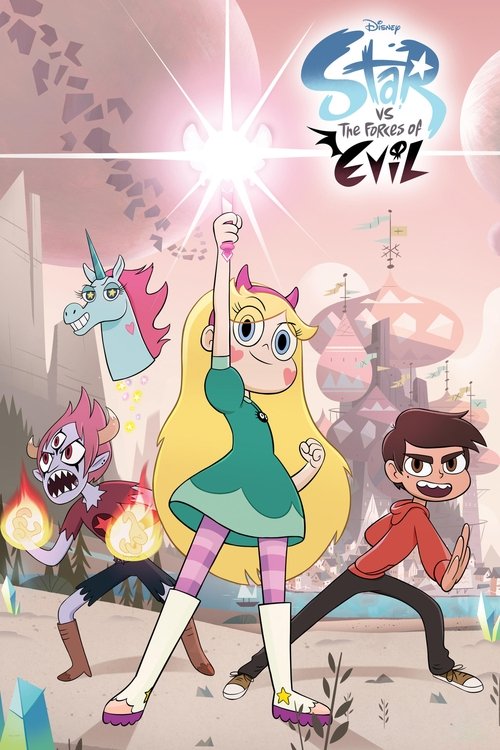
Anime and Films with the Same Chosen-Hero Heart
Stories about light vs. darkness, identity, and the bond between friends



The Soundtrack Is Half the Magic
Yoko Shimomura's score for Kingdom Hearts is not background music -- it is an emotional argument. 'Simple and Clean' and 'Sanctuary' by Hikaru Utada function as thesis statements for the entire series: hope dressed in melancholy, anthemic but quiet. The orchestral underscore layers Disney motifs with original themes that would not sound out of place in a Studio Ghibli film. Fans frequently cite the music as the reason they return to worlds they have already seen a dozen times.
Nomura's Lore Is a Feature, Not a Bug
Tetsuya Nomura's plot has been called impenetrable, convoluted, and self-indulgent -- and all of that is true. It is also exactly why Kingdom Hearts has a fandom, not just a player base. The lore demands investment: timelines that fold back on themselves, characters who share bodies and names, a mythology of hearts and Nobodies that pays off across a decade of games. Players who enjoy mapping out fictional cosmologies, speculating about identity, and connecting threads across entries will find that the series rewards patience.
It Treats Childhood Seriously
Kingdom Hearts does not talk down to children. Sora's journey involves grief, erasure of identity, the terror of watching friends dissolve into darkness -- and the games hold those emotions at full volume. There is something rare here: a game that carries the visual vocabulary of a children's film and the emotional weight of a coming-of-age novel. Fans who grew up with it often describe replaying it as adults and being surprised by how much was always there.
The Disney Worlds Go Deeper Than Cameos
The easiest way to underestimate Kingdom Hearts is to assume the Disney worlds are window dressing. They are not. Each world is designed so that Sora's emotional arc intersects with the film's theme: in Halloween Town he confronts how darkness looks from the inside; in Atlantica (for better or worse) the game makes him genuinely vulnerable. The worlds that land best -- Hollow Bastion, the World That Never Was, San Fransokyo -- are the ones where the Disney premise and the KH mythology become inseparable.
A Universe Built Over Two Decades
- 2002Kingdom Hearts launches on PS2, combining Disney and Final Fantasy in an original action-RPG. Kingdom Hearts
- 2004Chain of Memories introduces memory-loss mechanics and the Organization XIII mystery. Kingdom Hearts: Chain of Memories
- 2005Kingdom Hearts II deepens the lore with Nobodies, the Organization, and Roxas. Kingdom Hearts II
- 2009358/2 Days (DS) tells Roxas and Xion's story; the most emotionally brutal entry. Kingdom Hearts 358/2 Days
- 2010Birth by Sleep (PSP) travels 10 years back to Terra, Aqua, and Ventus -- the original trio. Kingdom Hearts Birth by Sleep
- 2012Dream Drop Distance (3DS) bridges the gap to KH3 and introduces the Sleeping Worlds. Kingdom Hearts 3D: Dream Drop Distance
- 2017The KH 1.5+2.5 and 2.8 HD collections bring the full series to PS4. Kingdom Hearts HD 2.8 Final Chapter Prologue
- 2019Kingdom Hearts III closes Sora's first arc after 17 years of wait. Kingdom Hearts III
- 2020Melody of Memory frames the series as a musical retrospective and sets up the next arc. Kingdom Hearts: Melody of Memory
Chosen keys and worlds that bend
For Fans of Final Fantasy
Explore the For Fans of Final Fantasy guide →You don't need a reason to help people. Helping people is its own reason.Sora, Kingdom Hearts