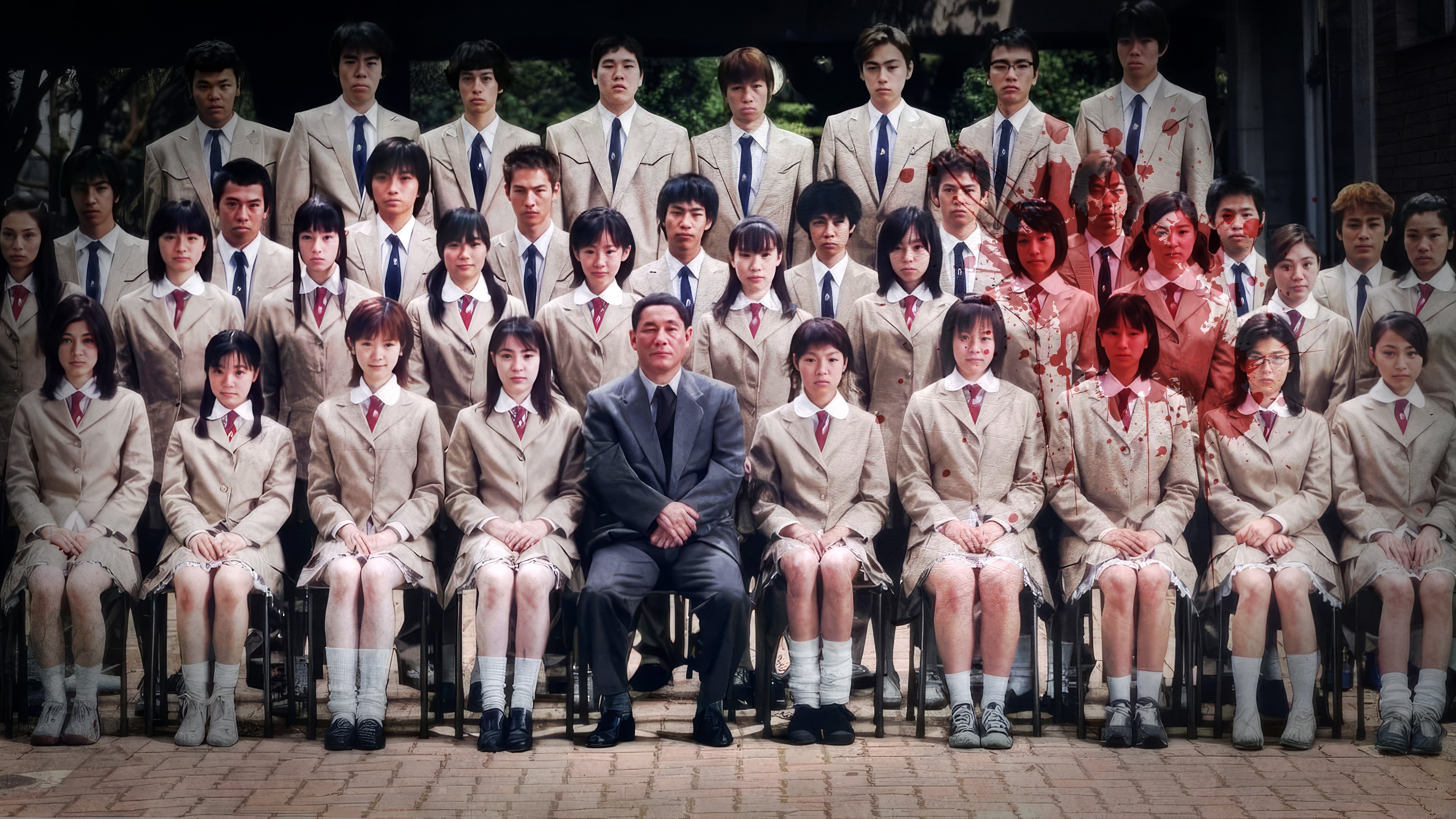

The Director Who Never Made Peace with Postwar Japan
Kinji Fukasaku was fifteen years old when American bombs fell on the munitions factory where he and his classmates were conscripted to work. He watched his friends die. He watched adults flee. That experience became the marrow of everything he made: a lifelong conviction that institutions, governments, and organizations exist primarily to betray the individuals trapped inside them.
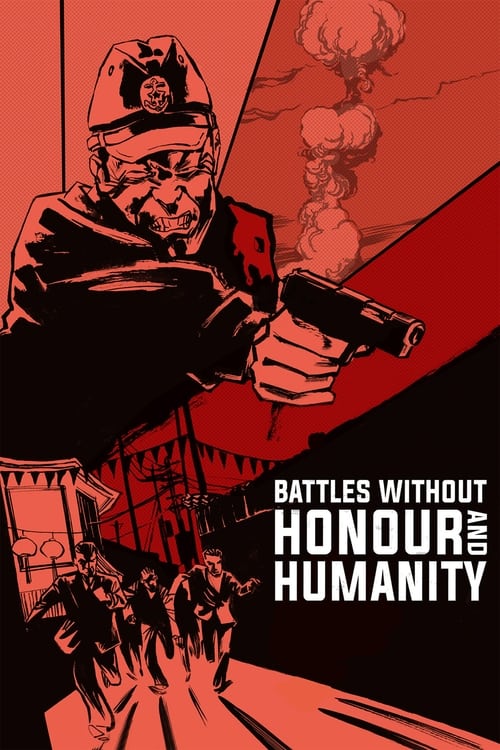
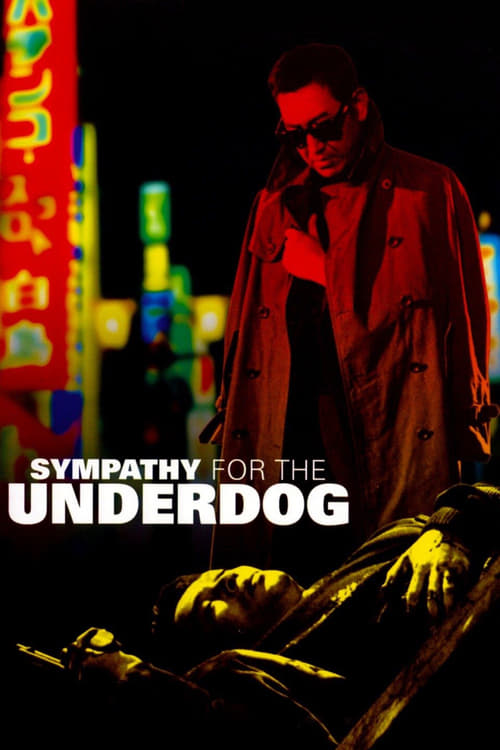
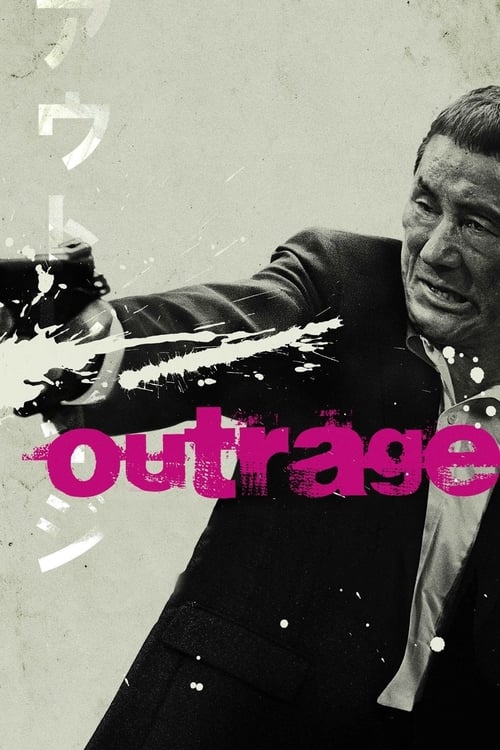
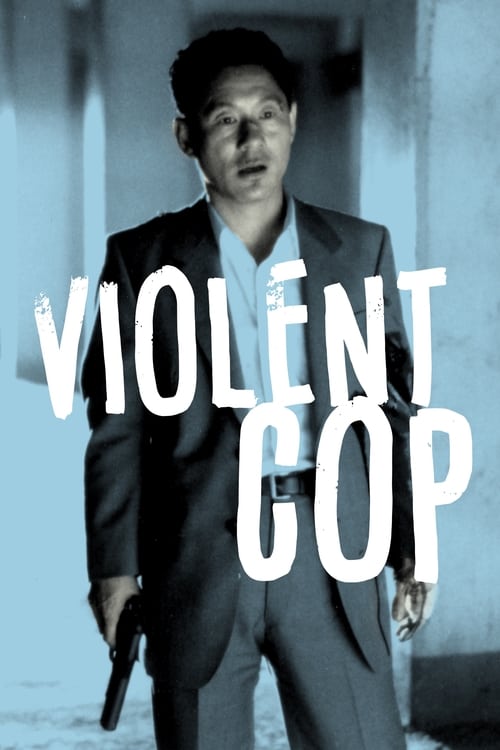
His films move like controlled panic. The camera never settles; it shoves through crowds, pivots on characters mid-sentence, catches violence before anyone has time to dignify it. The yakuza in his Battles Without Honour and Humanity series are not romantic outlaws. They are men ground up by a system that rewards loyalty with disposal, and they know it, and they keep going anyway because there is nothing else.
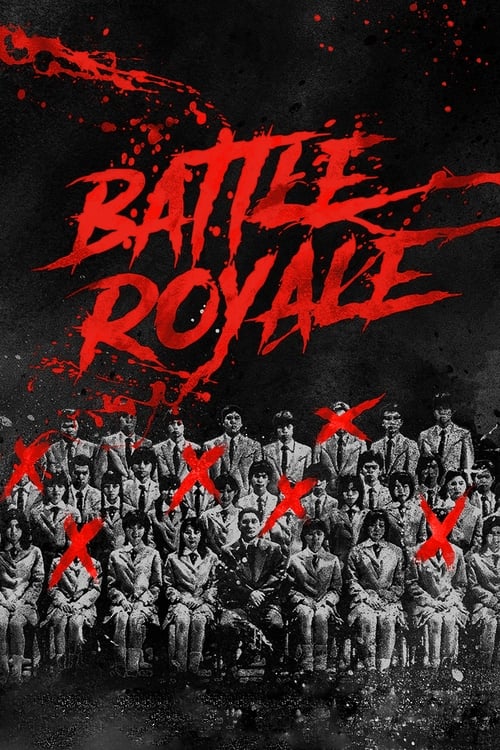
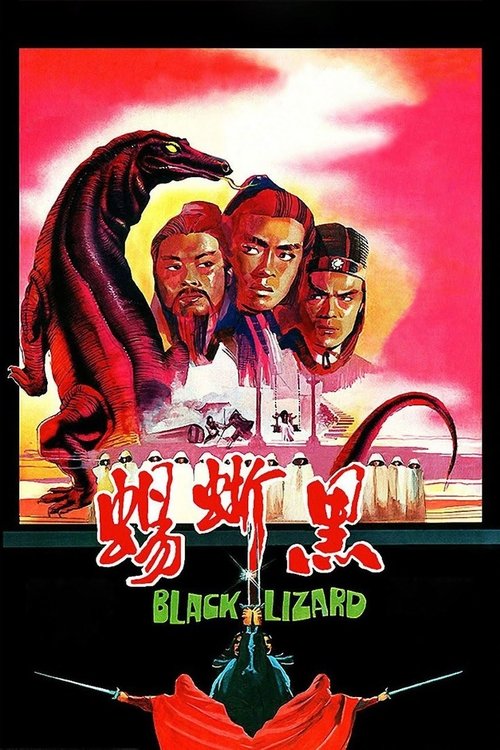
Fukasaku spent five decades making genre films, costume epics, pinky violence movies, science fiction, and youth-rage parables, but the same nerve runs through all of it: a furious clarity about how power works and who it costs. When Battle Royale arrived in 2000, it felt like a summation, not a departure. The government sends children to an island to murder each other. Of course it does.
Essential Kinji Fukasaku
Start here, then go deeper
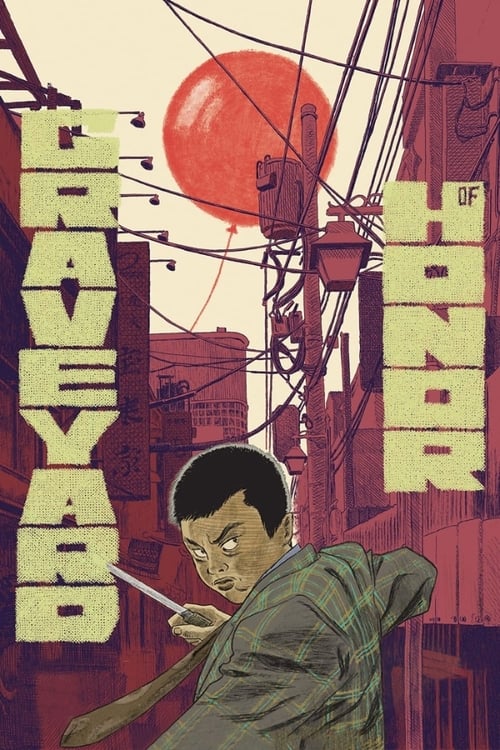
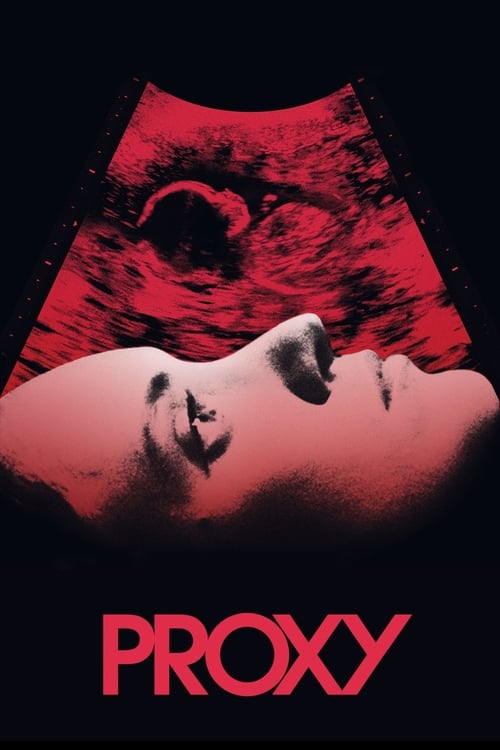
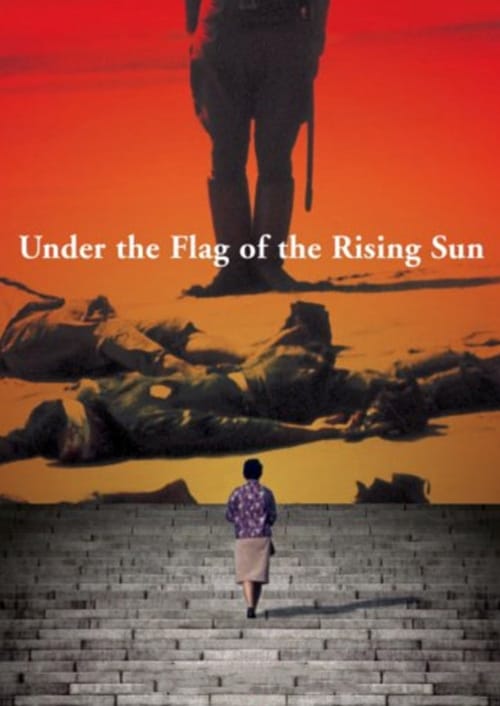
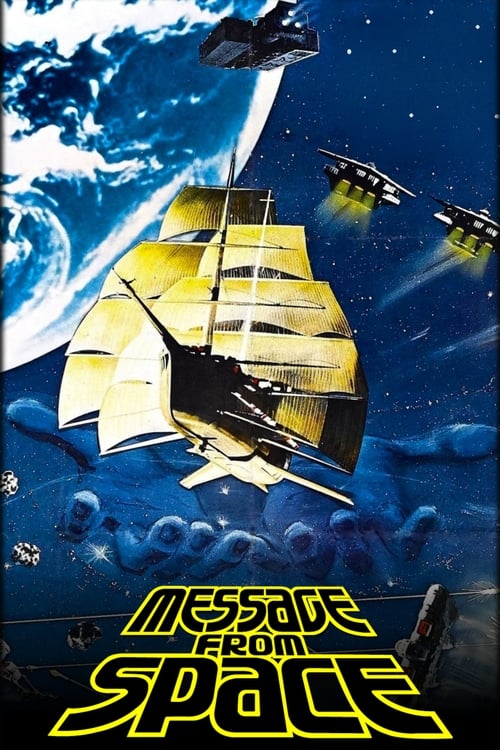
Institutions That Grind Men Down
Crime, war, and the organizations that use people up

Handheld Chaos and Kinetic Violence
Films that put the camera in the middle of the mess
Youth Rage and the Adults Who Failed Them
From Battle Royale's premise to its literary and gaming cousins



Japan's Dark Postwar Heart
The social rot and political cynicism Fukasaku spent his career excavating


The perfect entry point is not Battle Royale
Everyone comes in through Battle Royale because the concept sells itself. But it is an endpoint, a controlled explosion, and it assumes you already trust the director. The better door is Battles Without Honour and Humanity (1973). Five films over two years, based on a real yakuza's prison diary, shot with the urgency of a news crew embedded in a war. By the time you reach the fifth entry you understand exactly why Fukasaku saw children killing children as a logical next step.
The underrated one: Cops vs Thugs
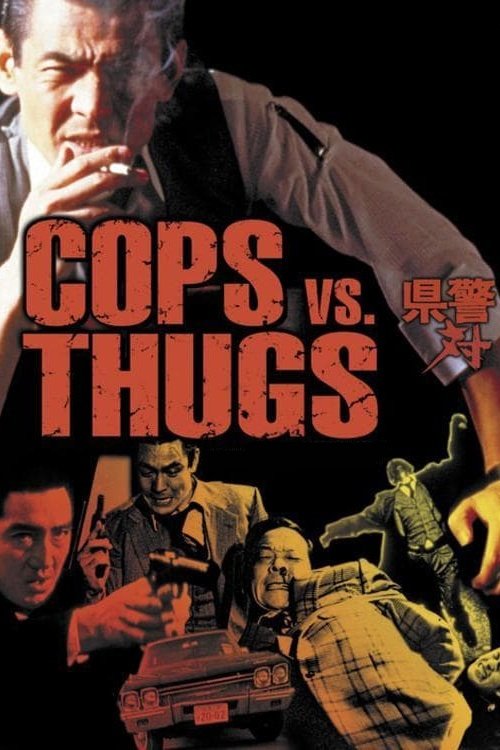
Cops vs Thugs (1975) sits in the shadow of the Yakuza Papers series but it might be the more disturbing film. The line between the police and organized crime collapses so completely that you stop being able to track which side anyone is on. There is no heroism here, no clean moral exit, just people who have made arrangements and are now trapped inside them. It is the Fukasaku film most directly about how institutions rot from the inside, and it has been underseen for fifty years.
His spiritual successor is working in games, not film
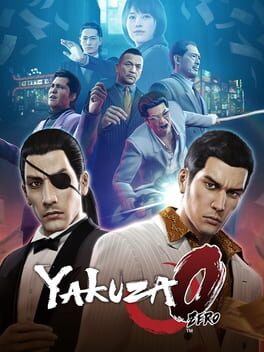
The Yakuza series carries more of Fukasaku's DNA than most people who have seen both will admit. The same milieu (postwar Japanese underworld), the same interest in loyalty as a trap, the same affection for men caught inside codes of honor they did not write. Yakuza 0 in particular has the sweep and moral complexity of the Yakuza Papers films, told through a different medium but with the same eye for how criminal organizations metabolize individual lives. The setting is 1988 Kamurocho and Sotenbori; the soul is pure 1973.
Battle Royale the novel is darker than the film, and that is saying something
Koushun Takami wrote Battle Royale before Fukasaku directed it, and the novel spends far more time inside individual students' heads, making the deaths slower and more personal. It is not a better work than the film, but it is a different one: where Fukasaku uses velocity to make the horror systemic, Takami makes it intimate. Reading the book after seeing the film is a useful exercise in understanding what each medium does that the other cannot.
He had seen how institutions treated the bodies of young people, and he spent fifty years making sure no one would forget it.CrossBinge editorial
A Career in Brief
- 1961Feature debut
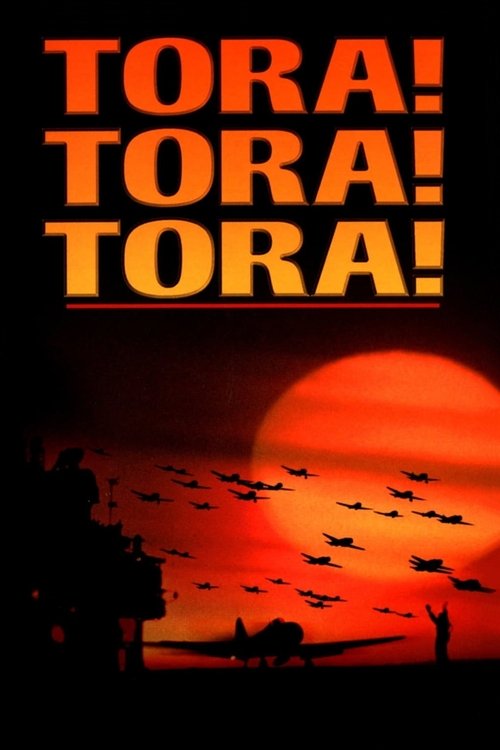
- 1968International co-production Tora! Tora! Tora!
- 1973Career-defining series begins Battles Without Honor and Humanity
- 1975Series concludes, standalone masterwork Cops vs. Thugs
- 1980Japan's most expensive film to that date Virus
- 2000Final masterpiece Battle Royale
- 2003Death during filming