

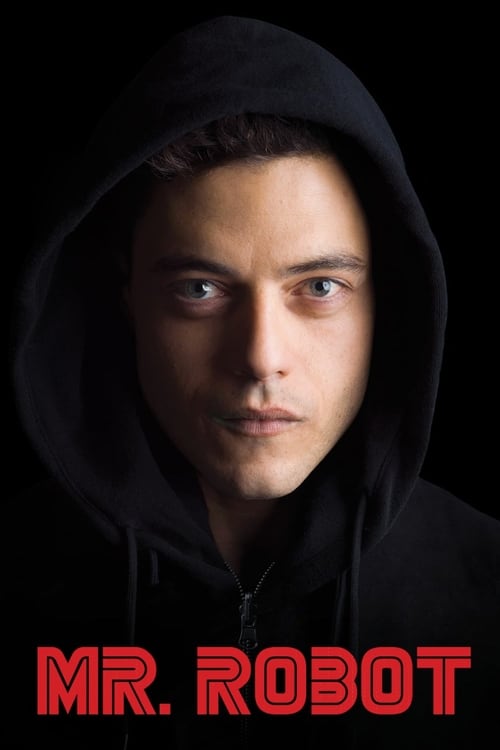
Mr. Robot (USA Network, 2015-2019) is a four-season psychological thriller built around Elliot Alderson, a cybersecurity engineer and vigilante hacker who recruits himself into an anarchist collective bent on erasing consumer debt. Creator Sam Esmail shot it like a film: off-center compositions, long silences, a Hitchcock-inflected score from Mac Quayle, and a narrative unreliability that reframes everything you thought you understood. The show earns its paranoia. Its vision of surveillance capitalism, corporate consolidation and the fragility of the self arrived exactly when the culture was ready to feel those things as threats. For fans of tight, writer-controlled television where form and content are inseparable, almost nothing else hits the same frequency.
Series with the Same Slow Burn
TV that trusts the audience to keep up


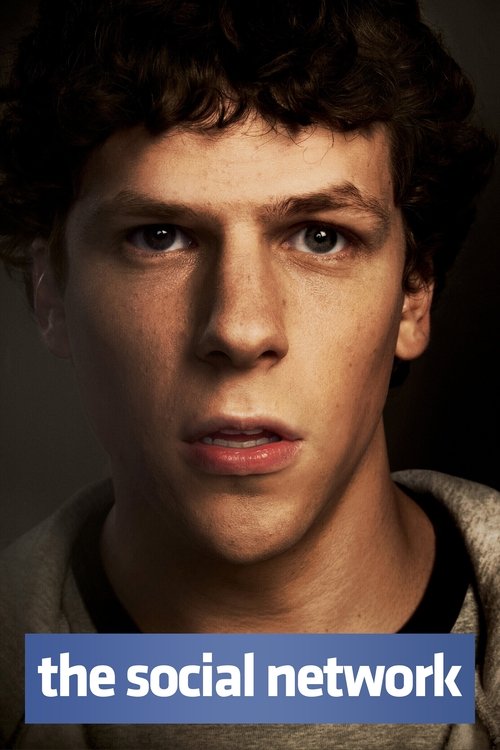
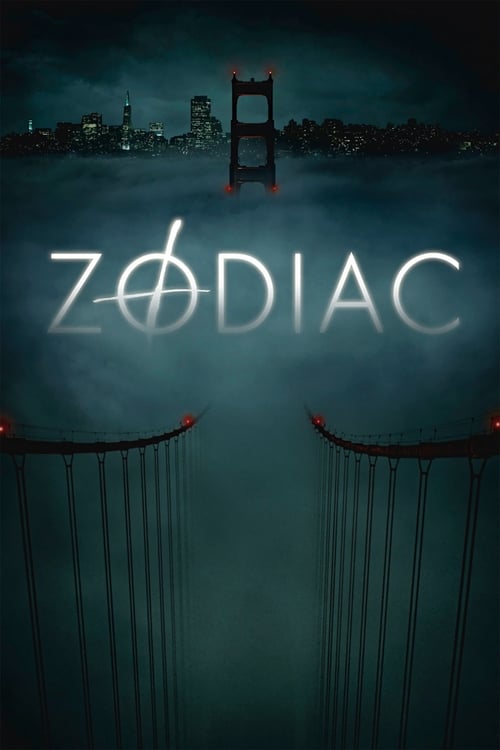
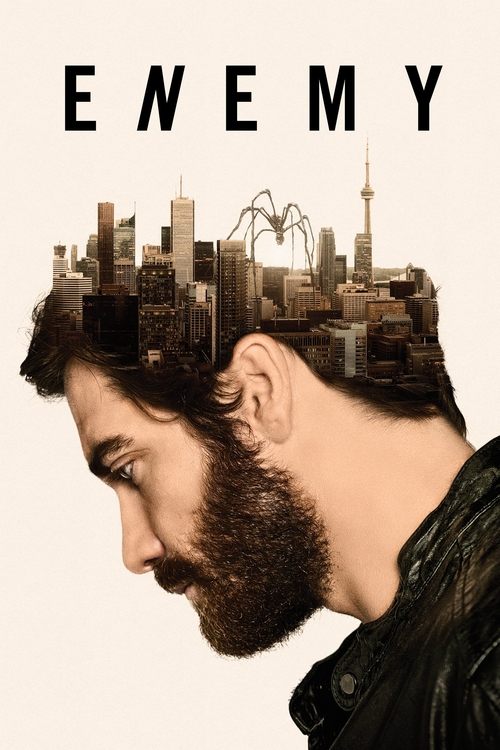
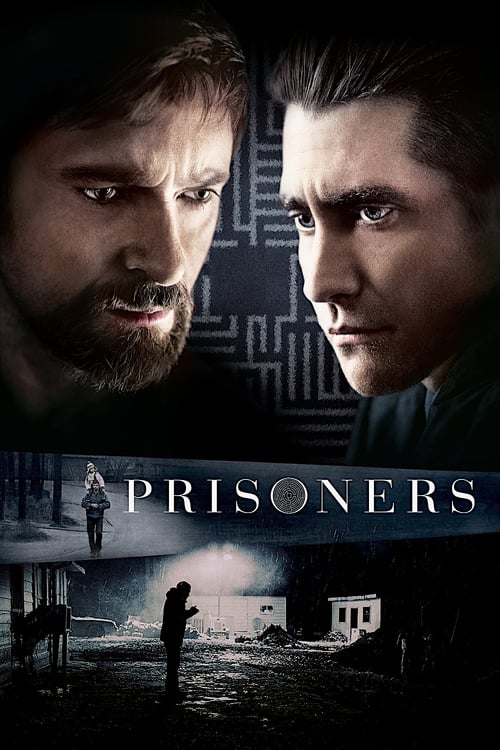
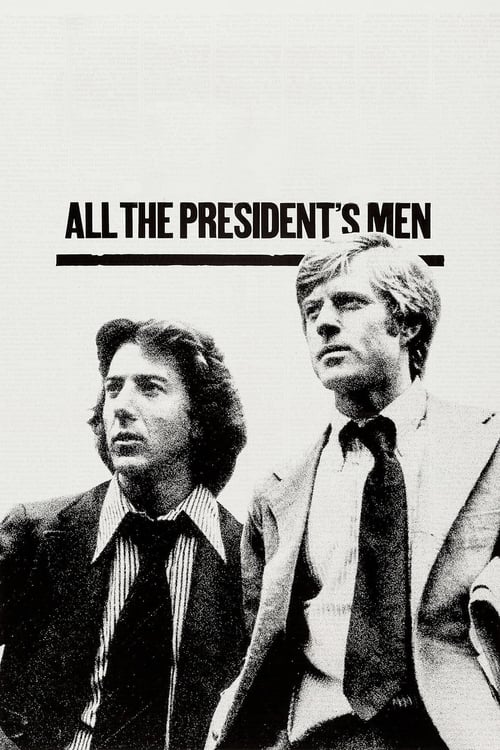
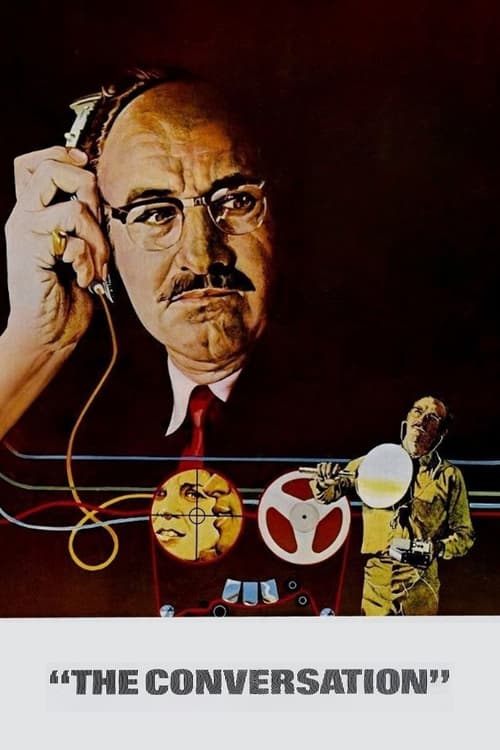
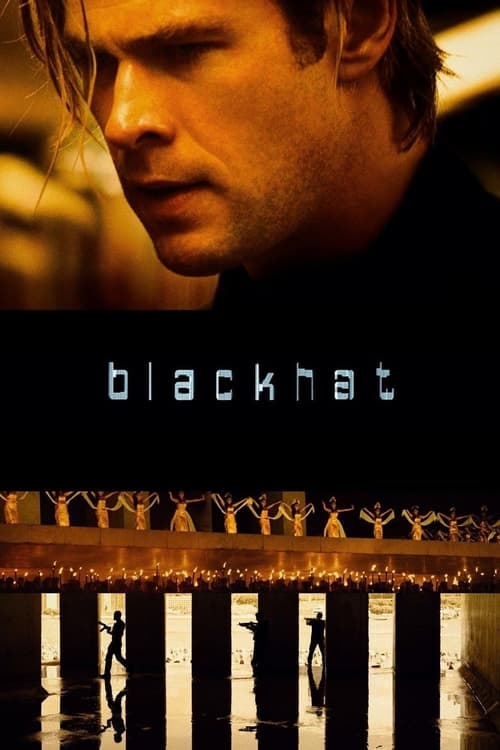
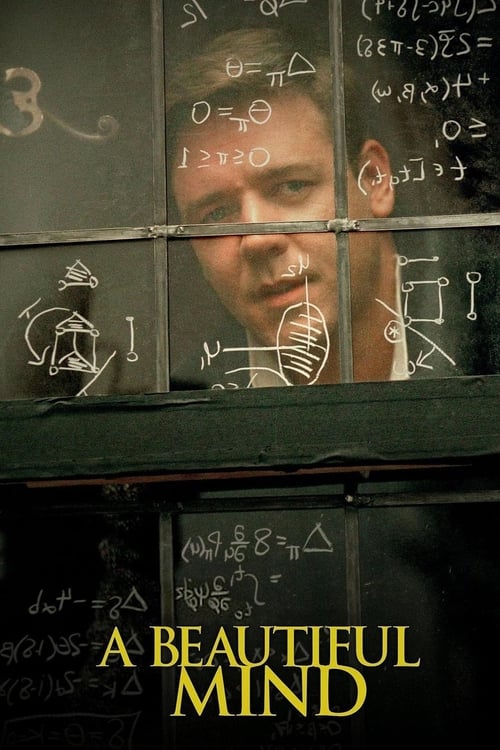
Films in the Same Key
Paranoid, precise and morally unresolved

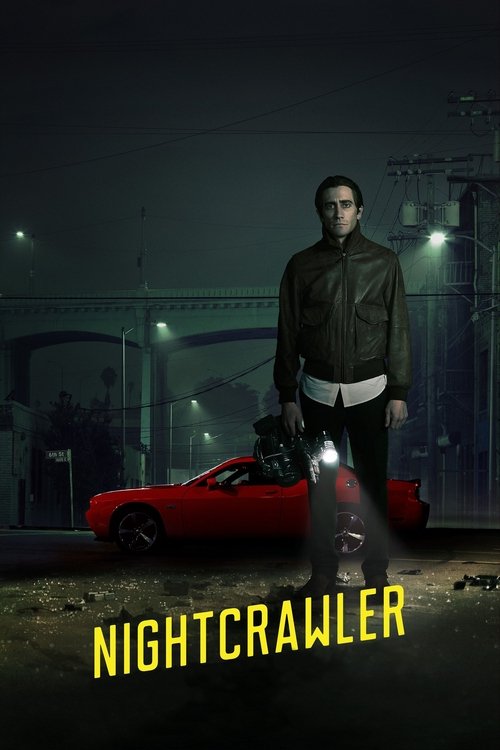
Books That Live Inside a Fractured Mind
Fiction where the narrator is the last person to trust
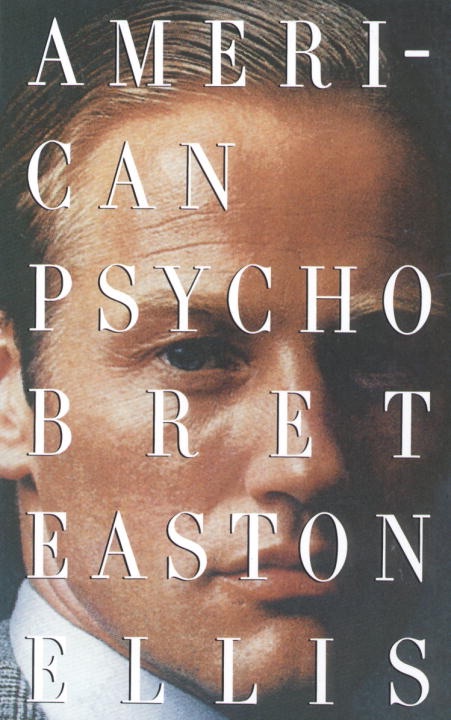


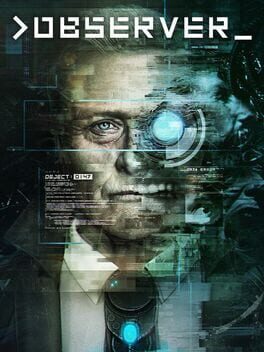
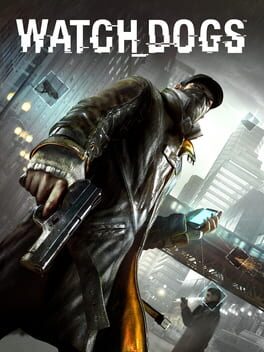
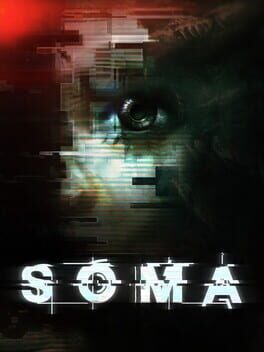
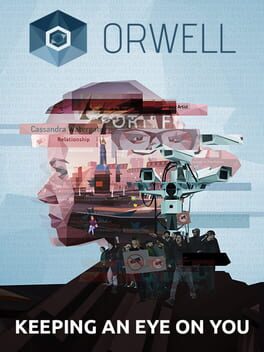
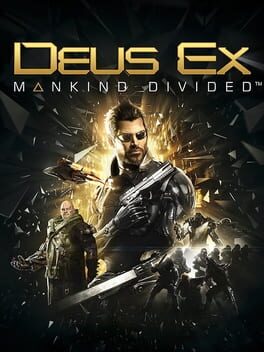
Games for the Paranoid and the Precise
Play where systems are the enemy and information is power



The One-Shot Episode Is the Best Hour of TV This Decade
Season 3, Episode 5 of Mr. Robot was filmed to look like a single continuous take across an entire hour. No cuts, no safety net. Sam Esmail used it to stage a heist, a moral catastrophe and a breakup simultaneously, and the format's relentlessness makes the emotional weight land harder than any editing could. It is a structural argument that television can do things cinema never gets the space to attempt.
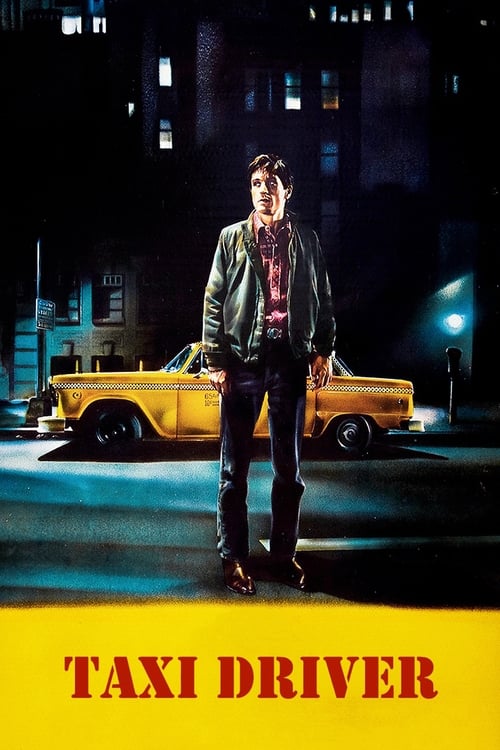
Fight Club Is the Obvious Comparison, But Scorsese Is the Real Ancestor
Rami Malek's Elliot shares DNA with Tyler Durden, but Esmail's directorial instincts track closer to Scorsese's Taxi Driver: a city as psychic landscape, a protagonist whose reliability decays in real time, violence that arrives as release rather than spectacle. The comparison to Fincher is easy and not wrong, but it undersells how much Mr. Robot is interested in New York as a character and in loneliness as an ideology.
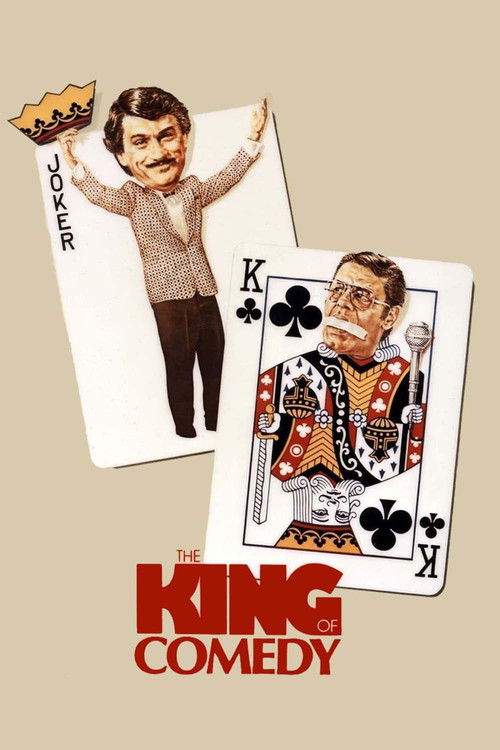
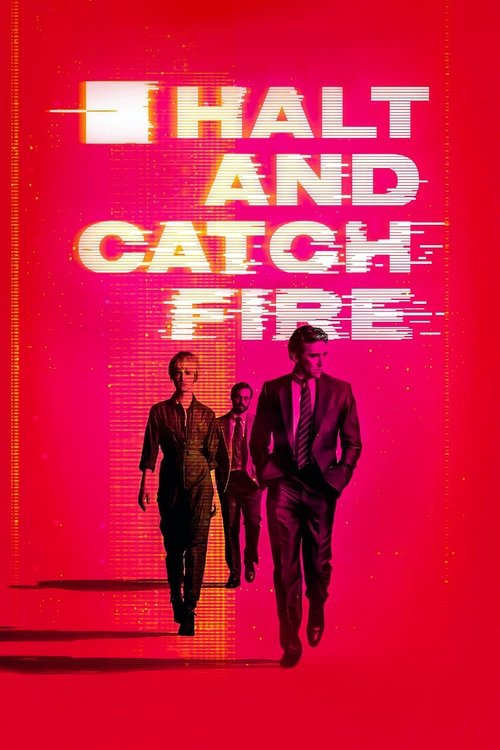
Halt and Catch Fire Is the Companion Piece No One Talks About
Both shows treat technology as the arena where characters act out their deepest hungers for control, recognition and connection. Where Mr. Robot is cold and nocturnal, Halt and Catch Fire is warm and elegiac. Taken together they form a 30-year portrait of the digital industry from personal computers to the internet to social media, and together they make the case that the people who build systems are always the most trapped inside them.
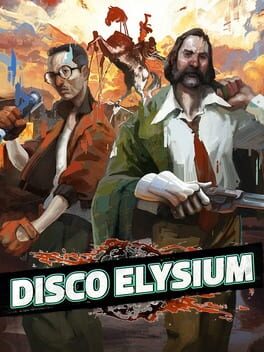
Disco Elysium Is the Game Mr. Robot Would Play
Both works place a fractured consciousness at the center, weaponize internal monologue, and ask whether the stories we tell ourselves to get through the day are survival mechanisms or prisons. Disco Elysium goes further into the political and the absurd, but the core gesture is the same: the self is a negotiation between competing voices, and there is something darkly funny about that once you accept it.
A Timeline of Paranoid TV
- 1974The Conversation puts surveillance anxiety on film The Conversation
- 1984Neuromancer coins cyberspace and rewires the genre Neuromancer
- 1996Fight Club the novel asks who controls your inner voice
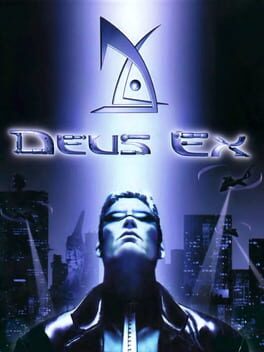
- 2000Deus Ex makes conspiracy a gameplay system Deus Ex
- 2010The Social Network dramatizes the violence inside a startup The Social Network
- 2014Halt and Catch Fire begins its quiet reinvention of tech TV Halt and Catch Fire
- 2015Mr. Robot premieres and resets the bar for prestige paranoia Mr. Robot
- 2019Disco Elysium brings the fractured-self detective to games Disco Elysium
- 2020Devs and Dark close out the decade's obsession with determinism Devs
Hackers, paranoia, control
Hacking & Cybercrime
Explore the Hacking & Cybercrime guide →Hello, friend. Hello, friend? That's lame. Maybe I should give you a name. But that's a slippery slope. You're only in my head. We have to remember that.Elliot Alderson, Mr. Robot