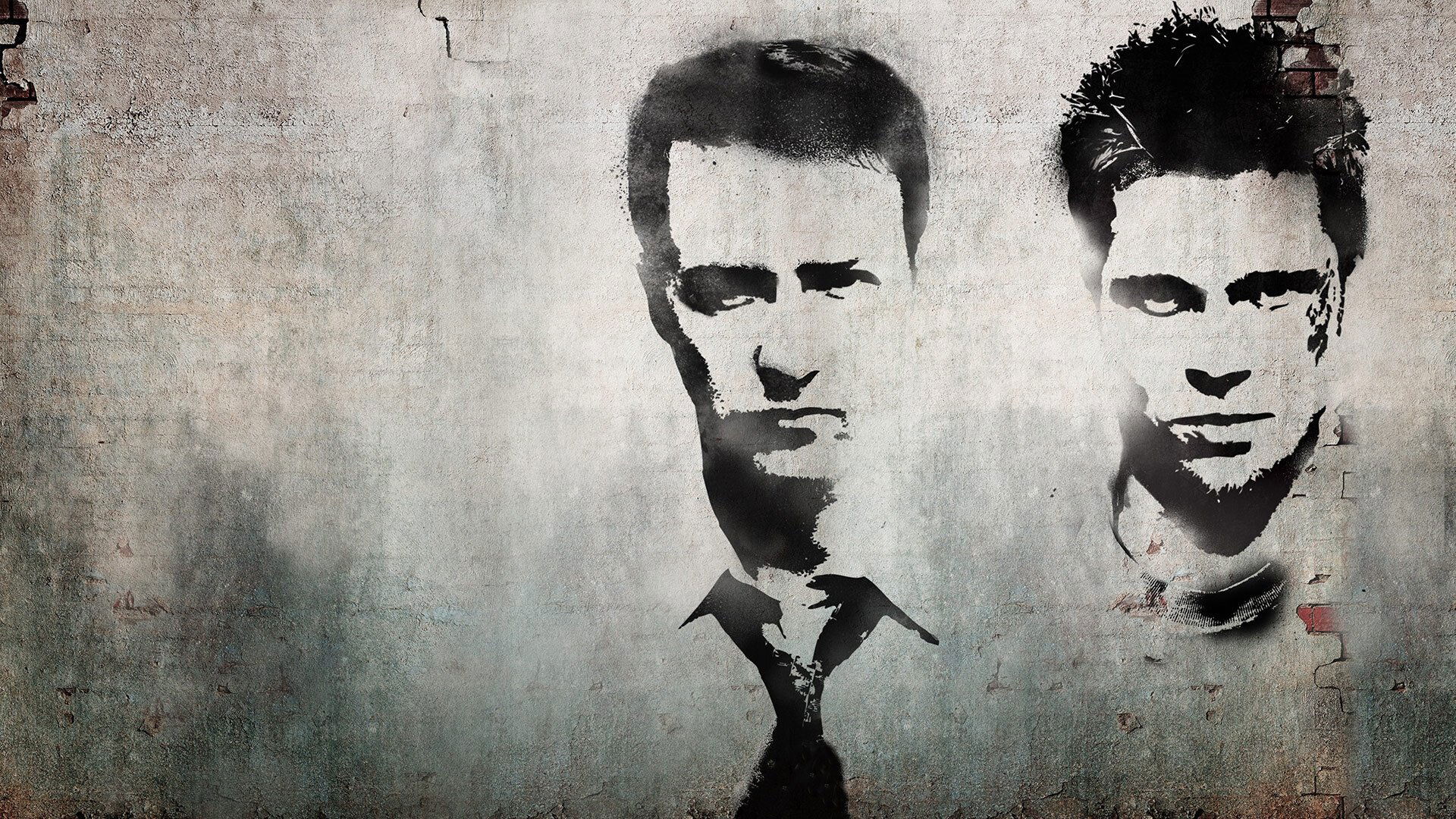

The Social Network is a film about a lawsuit, or rather two lawsuits, but what Aaron Sorkin and David Fincher made is something closer to a Greek tragedy in startup clothing. Mark Zuckerberg (Jesse Eisenberg) builds the largest social platform in history and winds up alone in a conference room, refreshing a friend request. The through-line fans chase is not the tech: it is the friction between brilliance and empathy, the cost of burning every bridge on the way up, and the way institutions (Harvard, Silicon Valley, venture capital) reward certain kinds of ruthlessness while punishing others. Sorkin's rapid-fire dialogue gives every scene the pressure of a deposition. Trent Reznor and Atticus Ross wrap it all in a low, cold electronic score that never quite lets you off the hook.
Essential The Social Network
The film itself, and the other Fincher works that share its surgical precision


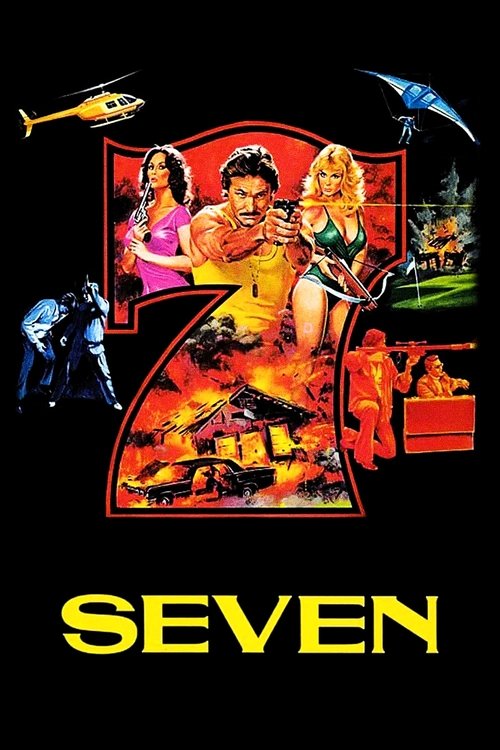
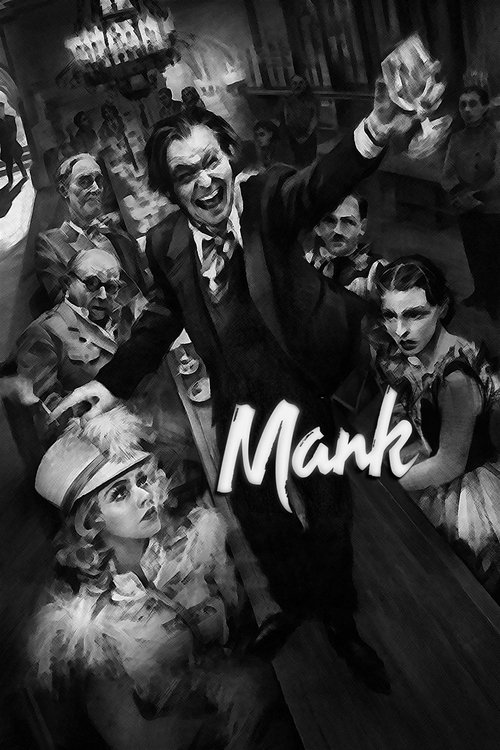
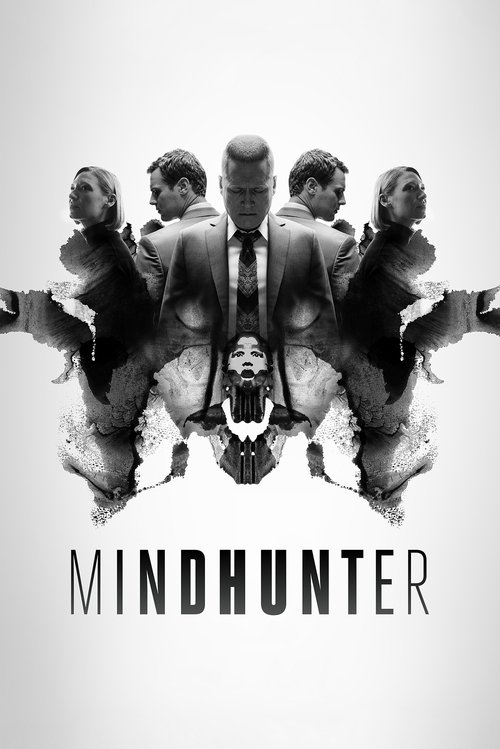
Same vibe: films about ambition eating people alive
Smart protagonists, institutional pressure, winners who lose something irreplaceable
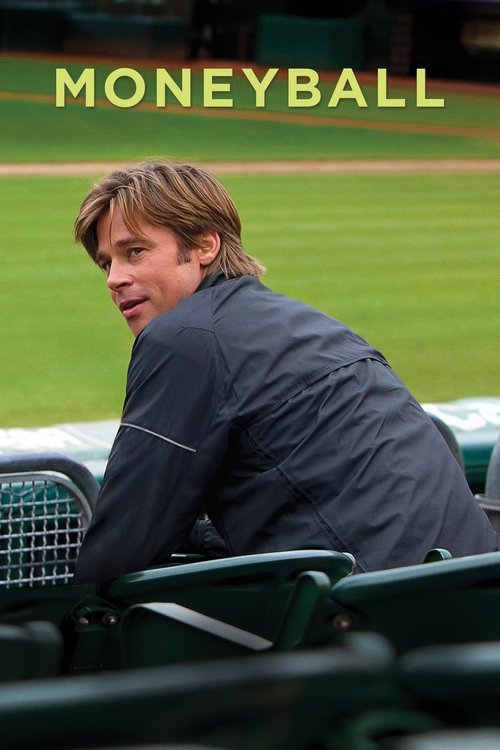
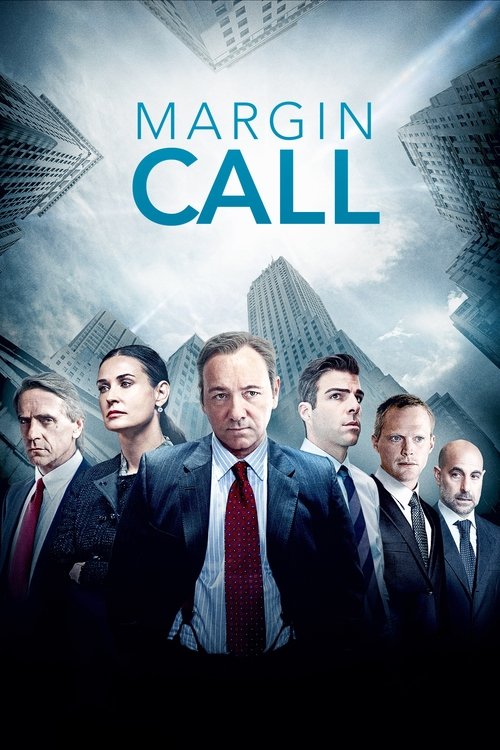
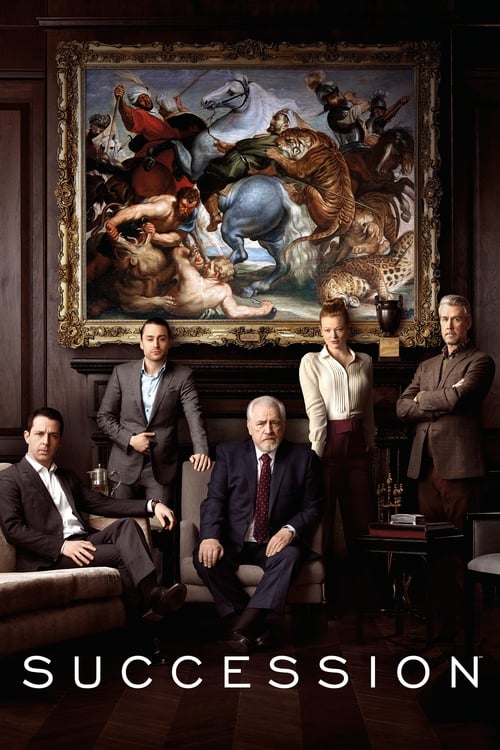
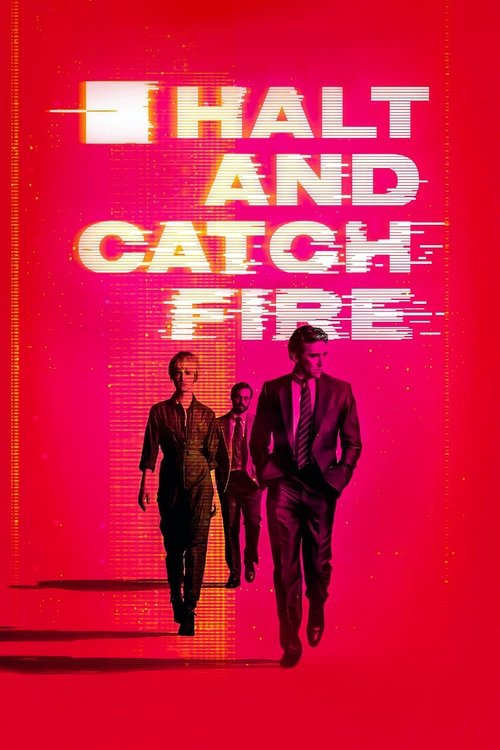
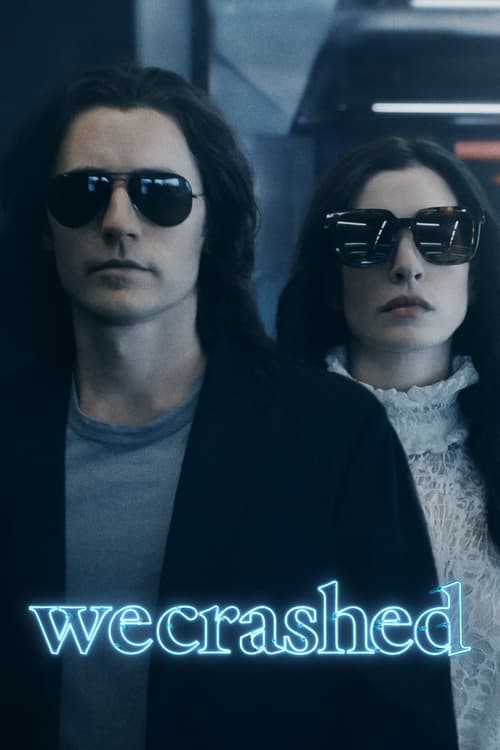
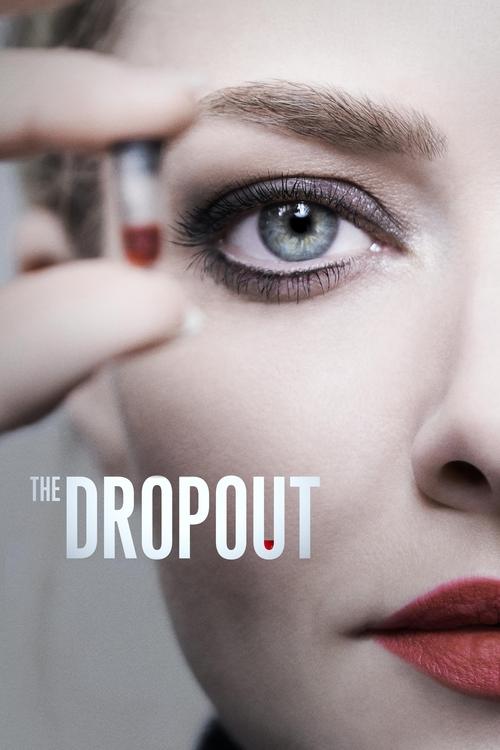
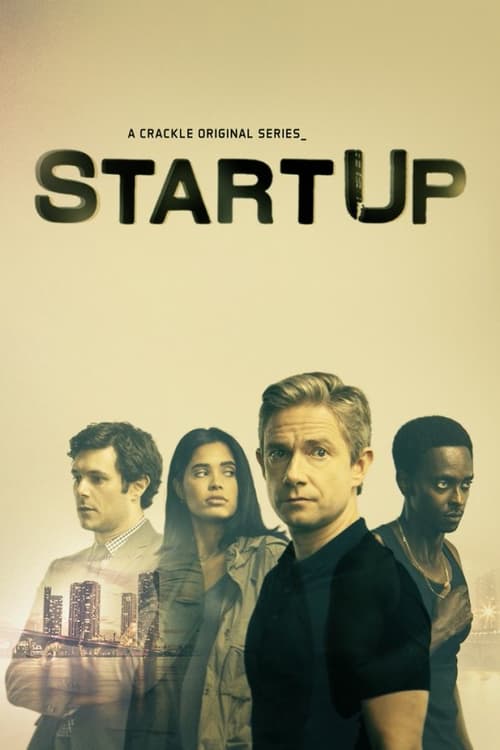
Series for people who want to live inside the boardroom
Long-form TV that sustains The Social Network's tension across seasons
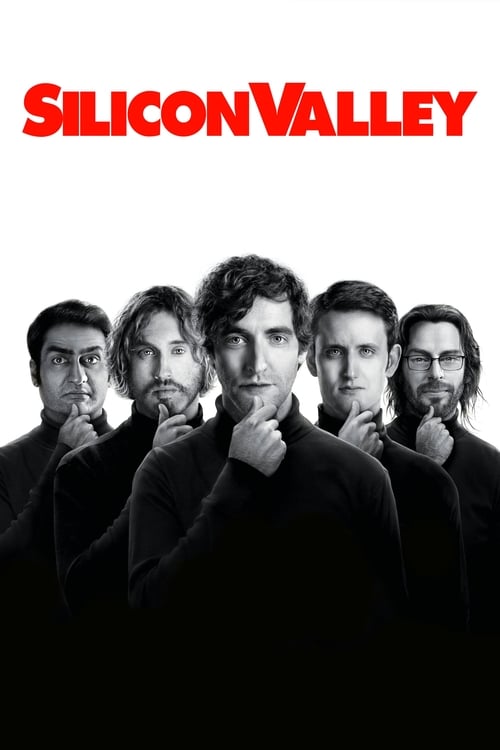
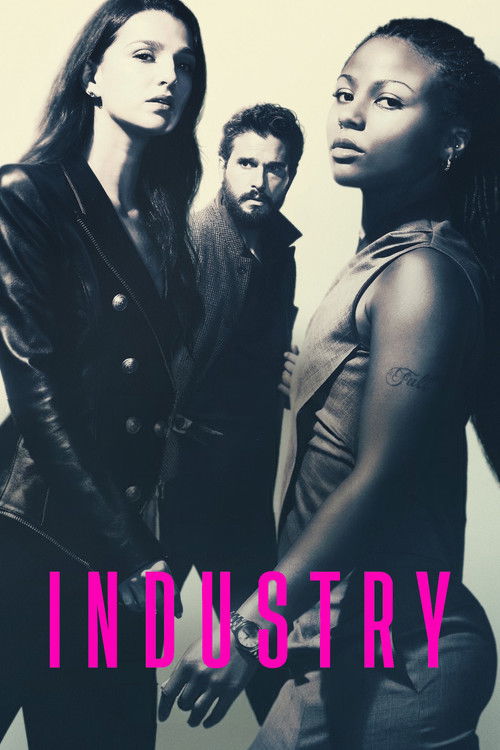
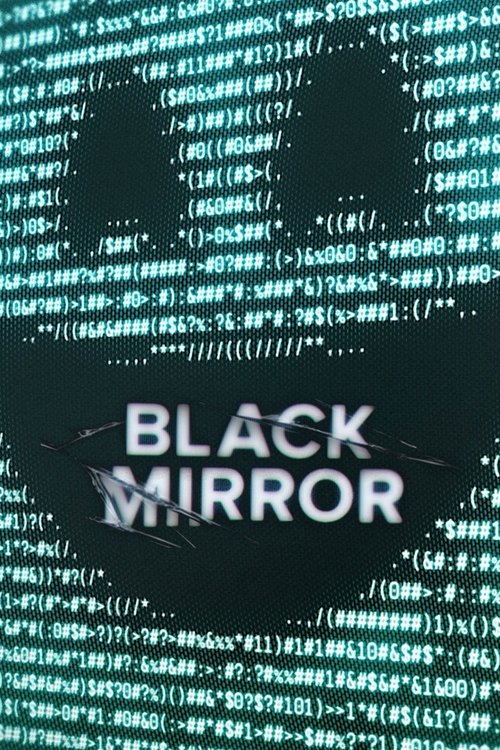
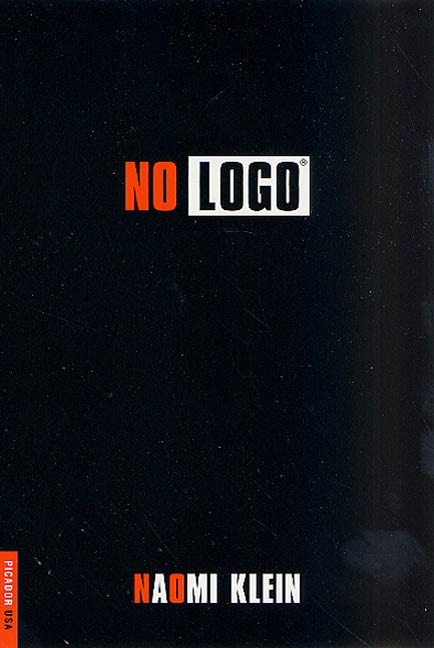
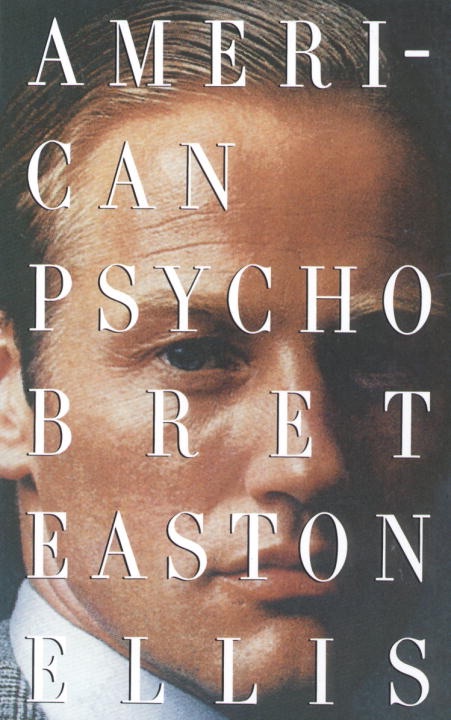
The novels the film feels like it was adapted from (it wasn't)
Books with the same cold intelligence, fractured friendship, and institutional critique



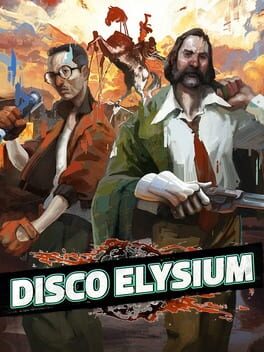
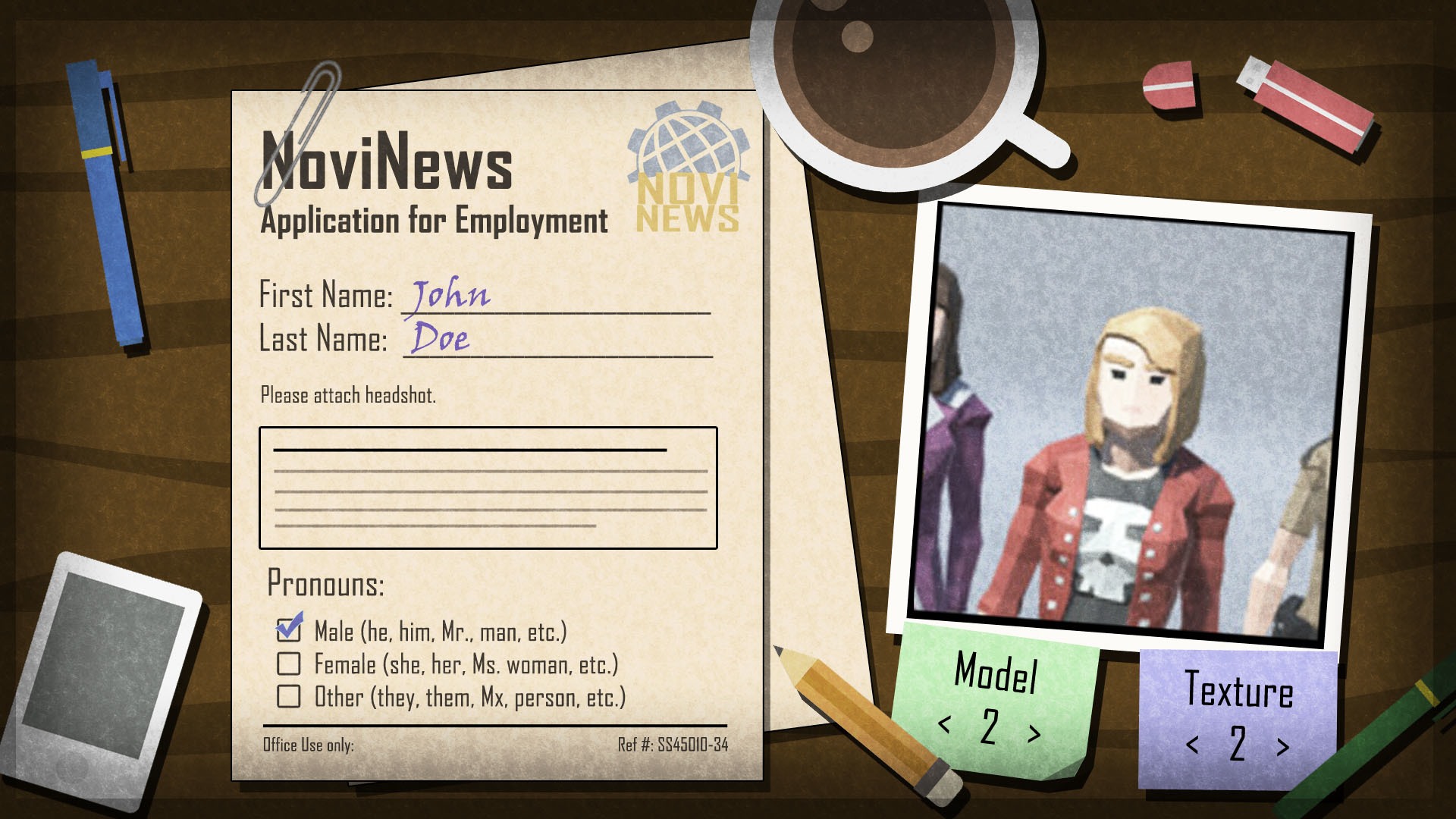
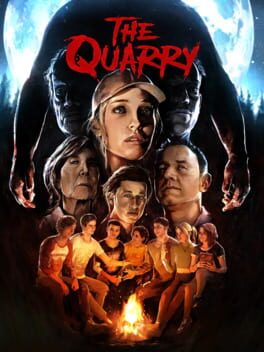
Games with the same power-and-consequence architecture
Games where every decision compounds, trust is currency, and someone always gets betrayed


The score and its musical kin
Trent Reznor and Atticus Ross set a new bar for electronic film scoring; these belong alongside it
Aaron Sorkin wrote the real villain out of the room
The film's genius is structural: you watch events from inside three separate legal depositions, which means every scene is already testimony, already disputed. Sorkin does not tell you who is right. Zuckerberg's cruelty toward Eduardo Saverin (Andrew Garfield) is legible and real; so is Saverin's naivety. Sean Parker (Justin Timberlake) functions as a catalyst and a cautionary tale at the same time. The film trusts you to hold contradictions without resolving them, which is exactly what great courtroom drama does.
Fincher directed a film about the internet without a single glamorous tech moment
There are no dramatic server rooms, no montage of code compiling into magic. Fincher shoots Harvard as a place of cold beauty and social cruelty, and Facebook's early offices as fluorescent-lit boxes where people eat takeout and argue. The point is that the product is almost incidental. What matters is who controls it, who gets diluted, and who ends up holding worthless paper. That restraint is why the film does not date the way so many tech movies do.
The best breakup movie of the 2010s is about two men who were never dating
Saverin and Zuckerberg's falling-out has the precise emotional weight of a bad romantic breakup: the shared past, the unequal investment, the moment one person realizes the other was always prepared to leave. Andrew Garfield plays Saverin's hurt as something genuinely wounded rather than merely aggrieved. The film works as a tech drama, a legal thriller, and a story about what it costs to mistake a business partnership for a friendship.
Trent Reznor and Atticus Ross changed what film scoring could be
The score's opening track, Hand Covers Bruise, has appeared in more trailers, video essays, and fan edits than almost any other piece of contemporary film music. Reznor and Ross took their Nine Inch Nails instinct for tension-as-texture and applied it to a film set almost entirely in offices and courtrooms. The result is music that sounds like a system thinking, cold and relentless. Their work on Gone Girl and The Girl with the Dragon Tattoo built on the same method.
A decade of prestige tech storytelling, kicked off by one film
- 2010The Social Network premieres; Sorkin and Fincher reframe the startup myth as tragedy The Social Network
- 2011Ben Mezrich's source book The Accidental Billionaires already a bestseller
- 2012Gone Girl published; Fincher films it two years later with another Reznor/Ross score Gone Girl
- 2014Halt and Catch Fire premiere proves prestige TV can do tech history Halt and Catch Fire
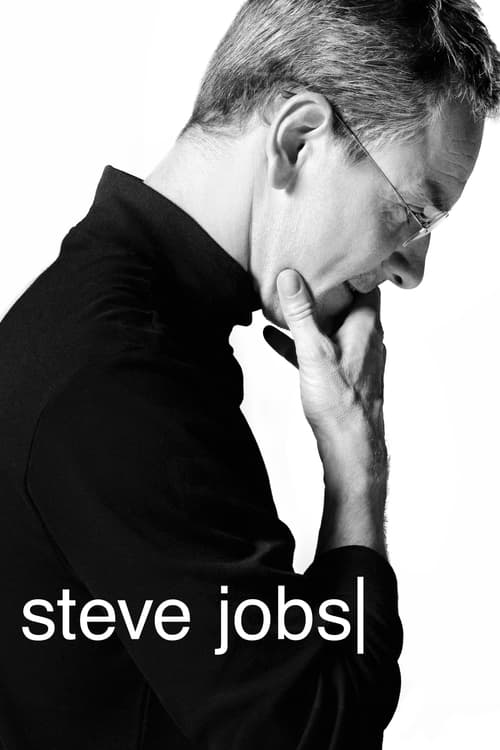
- 2015Steve Jobs (Sorkin script, Boyle direction) attempts a different format: three scenes, one man Steve Jobs
- 2015Disco Elysium in development; the detective RPG will borrow the same deposition structure Disco Elysium
- 2018Succession premieres; the dynasty-and-dilution theme finds its definitive long-form home Succession
- 2019Mindhunter season 2; Fincher proves the same visual grammar works across a whole series MINDHUNTER
- 2021Mank revisits the same Fincher obsession: who gets credit for what Mank
More ambition, betrayal, cold rooms
For Fans of David Fincher
Explore the For Fans of David Fincher guide →You are going to go through life thinking that people don't like you because you're a nerd. And I want you to know, from the bottom of my heart, that that won't be true. It'll be because you're an asshole.Erica Albright, The Social Network (2010)