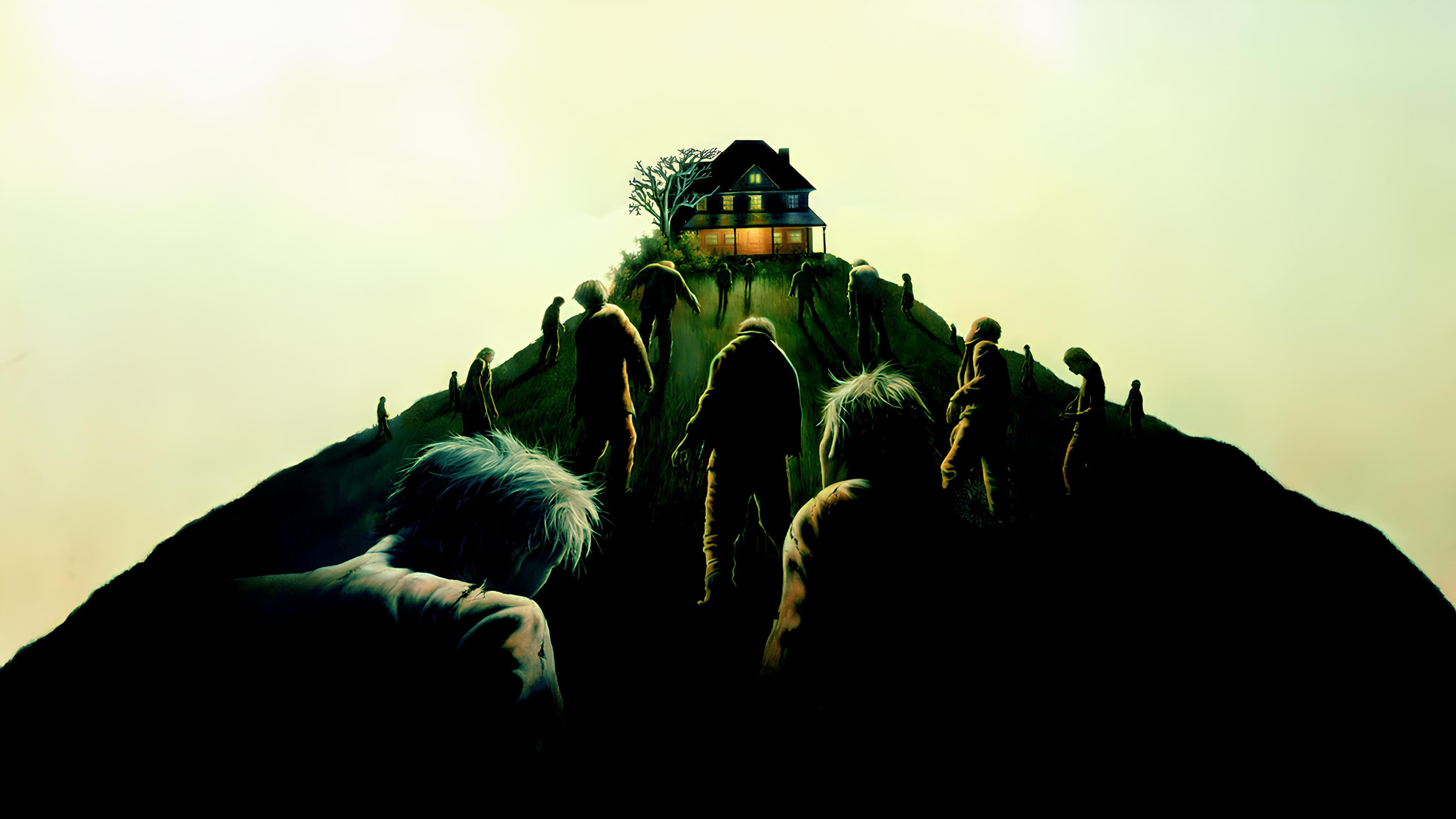

George Romero shot Night of the Living Dead in 1968 on a Pittsburgh weekend budget and accidentally reinvented horror. What fans chase is not the gore (there is remarkably little) but the feeling: ordinary people locked in a farmhouse while the world outside quietly ends, turning on each other faster than the dead can reach them. The film's genius is structural. The threat outside is slow, almost patient. The real catastrophe is the room. Race, authority, cowardice, and competence collide in real time, and the ending refuses every comfort. If you love what this film does, you love horror that uses monsters as mirrors and leaves the frame on a note of cold, quiet devastation.
Essential Night of the Living Dead
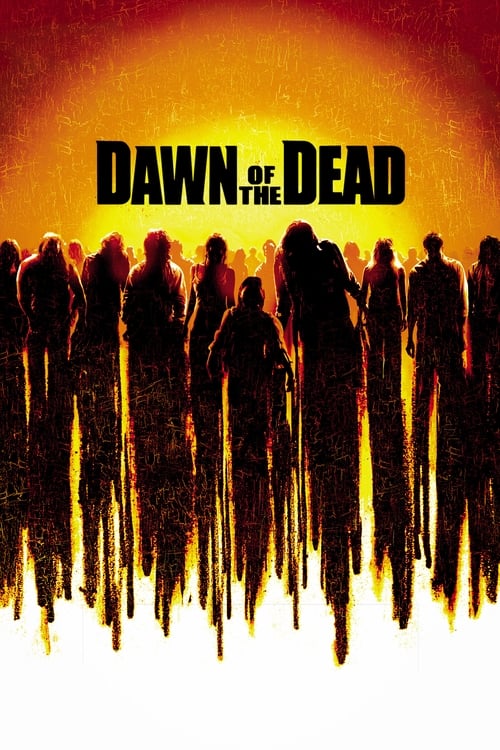
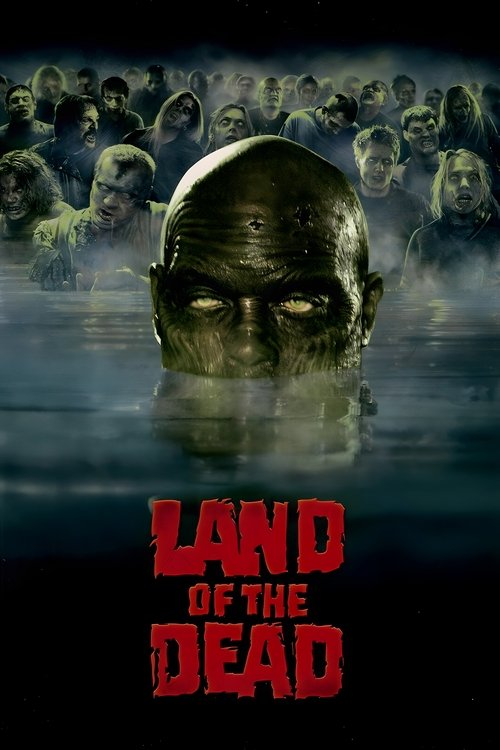
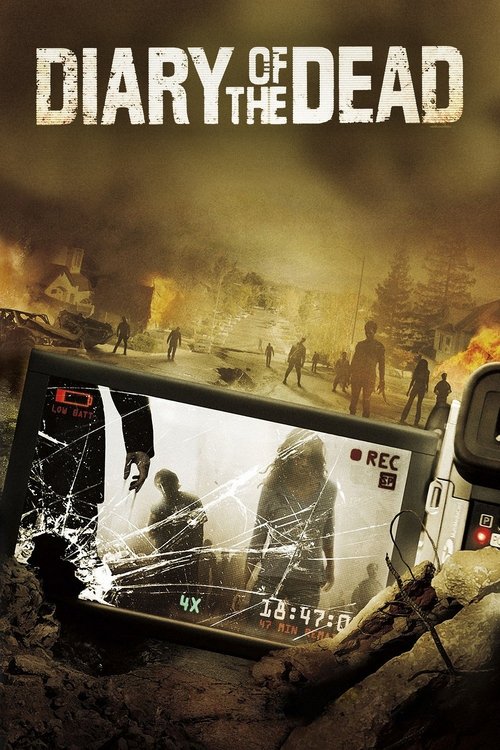
Romero's own Dead series: the full arc of an idea that grew into a mythology.


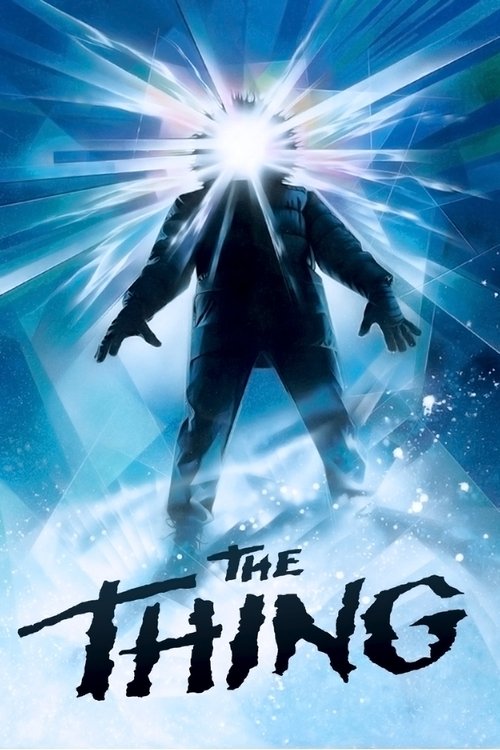
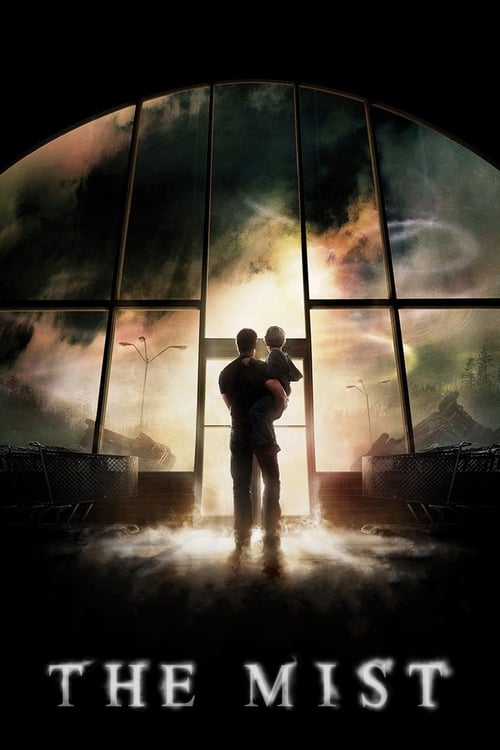
If You Love the Siege Structure
Films that lock characters in a confined space while something terrible closes in.

![[REC]](https://image.tmdb.org/t/p/w500/hgyJR4sgMsee6xMFM3xYiG6cDCh.jpg)

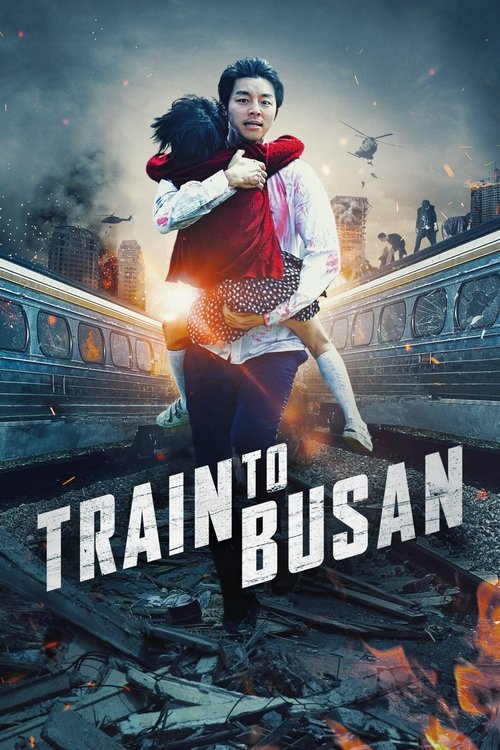
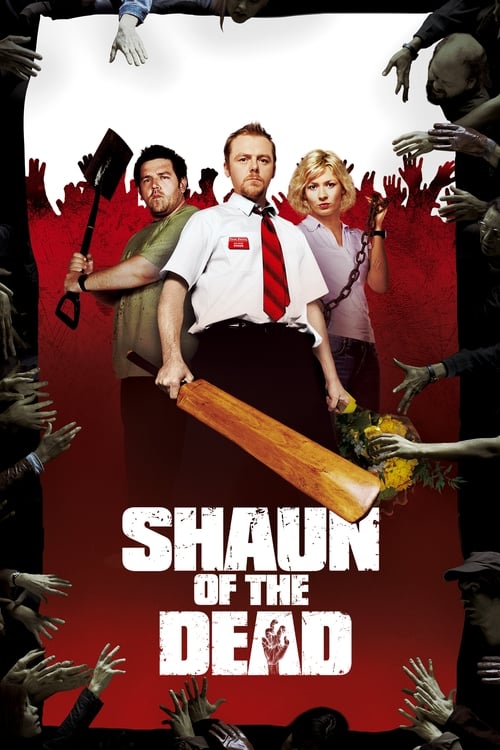
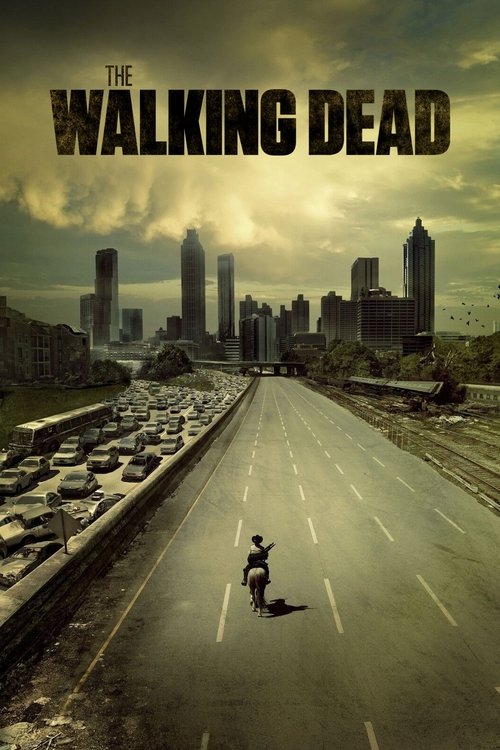
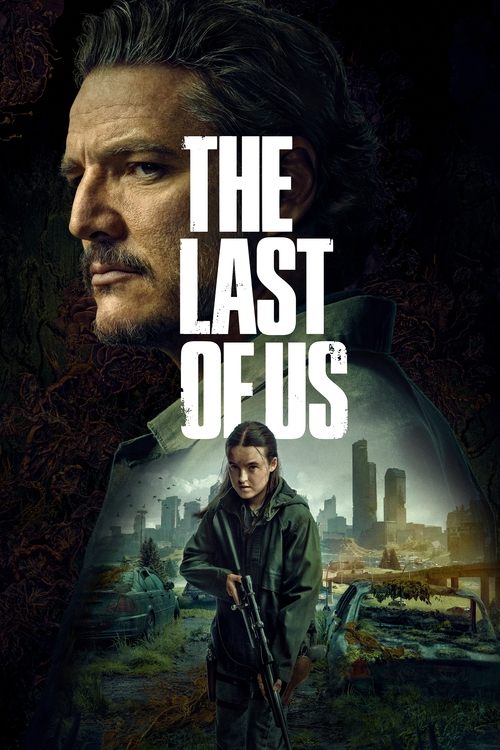
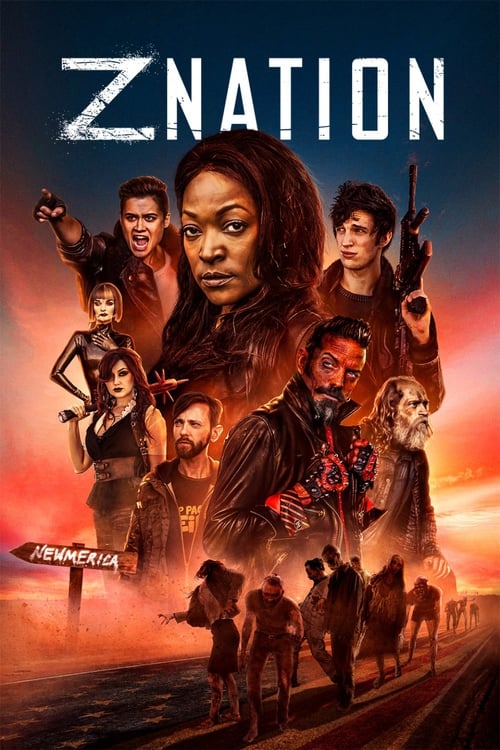
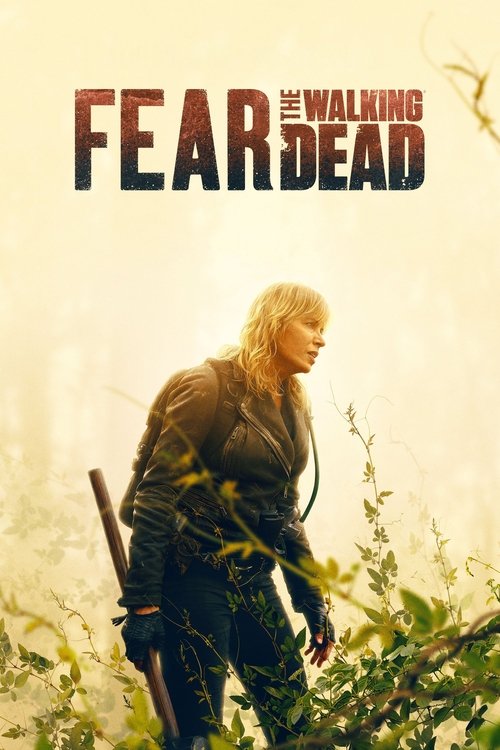
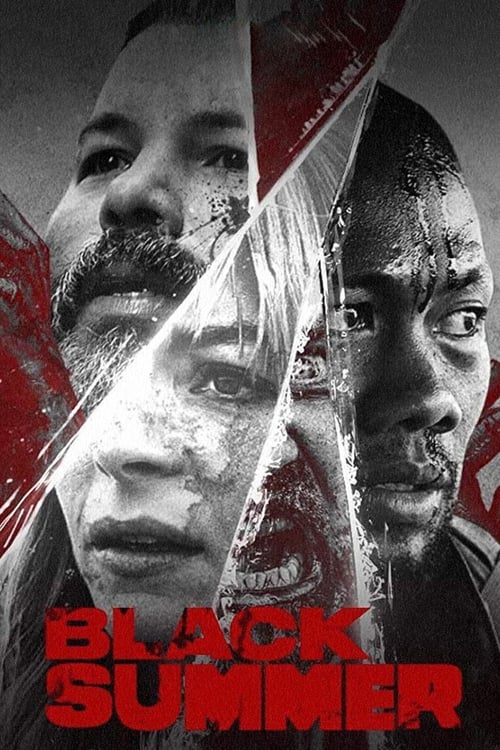
Series That Carry the Same Dread
Television that builds on the zombie apocalypse as a lens for human collapse.
The Novels Behind the Undead
Books that explored the zombie as metaphor before and after Romero made it cinema.


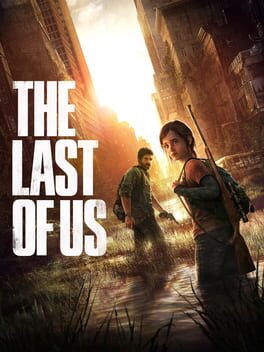
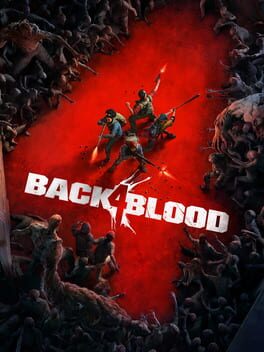
Games That Live in the Same Nightmare
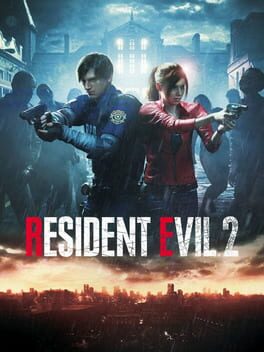
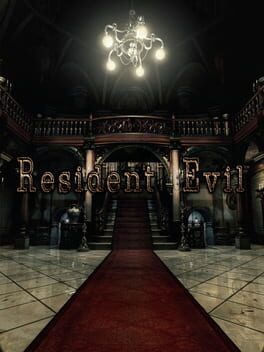
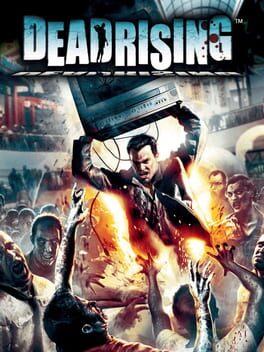
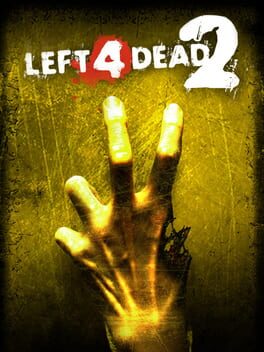
Survival horror games that owe a structural or thematic debt to Romero's farmhouse.
Romero's Real Subject Was Never the Dead
Every sequel Romero made confirmed what Night of the Living Dead established: the undead are a backdrop. Dawn of the Dead is a shopping mall satire. Day of the Dead is about military authority crushing scientific curiosity. The zombies are the pressure that reveals who people already were. That is the template every great entry in this genre follows, from The Last of Us to 28 Days Later. The monsters do not matter. The room does.
The Ending Still Lands Because It Refuses to Explain Itself
Most horror films of 1968 punished transgression and rewarded conformity. Night of the Living Dead does something colder: it punishes competence. The person who keeps the most people alive, who makes the correct tactical calls, who refuses to panic, does not survive because of those qualities. He survives the dead and is destroyed by the living. Romero does not editorialize. He just cuts to black. That refusal to soften the blow is what the film's admirers are really loyal to.
I Am Legend Is the Missing Link
Richard Matheson's 1954 novel I Am Legend is, more than any other single work, the source Romero drew from, even though he was not adapting it. The lone survivor, the siege, the infected who were once neighbors, the inversion of the monster's identity at the end: all of it is in Matheson. Read the novel and Night of the Living Dead suddenly looks like chapter two of the same story. The 2007 film adaptation is a weaker take, but the book is essential.
The Resident Evil Games Are the Closest Games Get to the Farmhouse
Dead Rising and Left 4 Dead owe Romero their premises openly (Dead Rising's mall is pure Dawn of the Dead), but the Resident Evil series captures something closer to Night's specific anxiety: limited resources, claustrophobic spaces, and the creeping awareness that surviving the next five minutes still leaves you trapped. Resident Evil 2's police station has the farmhouse's geometry. You know the exits. You know what is between you and them. That knowledge is not comfort.
A History of the Siege
- 1954Richard Matheson publishes I Am Legend, the novel that defines the lone-survivor-vs-infected template.
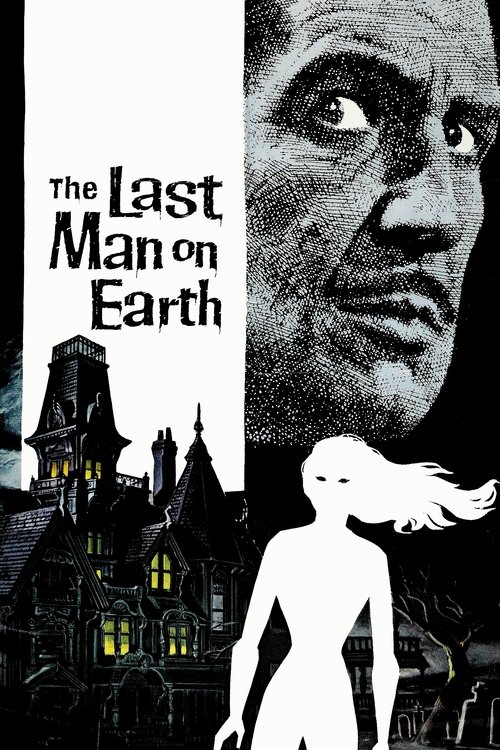
- 1964The Last Man on Earth adapts Matheson directly, starring Vincent Price.
- 1968Night of the Living Dead premieres; Romero creates the slow shambling zombie as a distinct archetype. Night of the Living Dead
- 1978Dawn of the Dead expands the mythos into consumer satire; Goblin scores it for European release. Dawn of the Dead
- 1985Day of the Dead takes the Dead series underground into a military bunker. Day of the Dead
- 1996Resident Evil launches survival horror as a game genre with direct Romero DNA. Resident Evil
- 2003Robert Kirkman launches The Walking Dead comic, the most sustained expansion of Romero's premise. The Walking Dead, Vol. 14
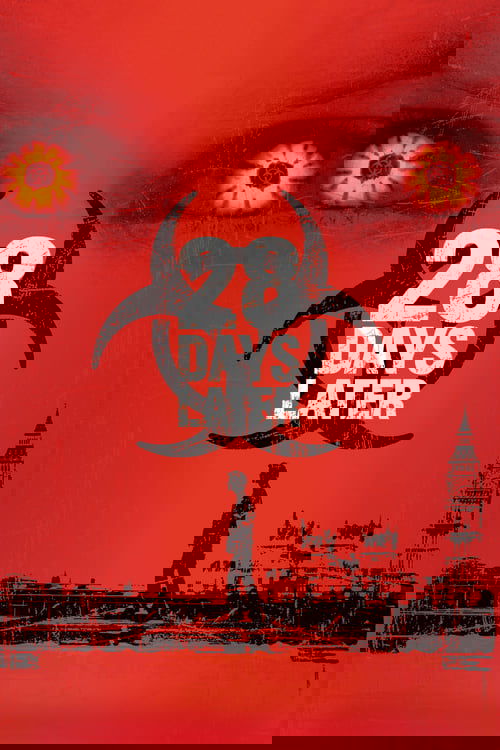
- 200228 Days Later reinvents the zombie as fast and viral, shifting the genre's energy. 28 Days Later
- 2010AMC's The Walking Dead brings the zombie siege to mainstream television. The Walking Dead
- 2013The Last of Us on PlayStation 3 fuses survival horror with character drama in a way Romero would recognize. The Last of Us
- 2023HBO's The Last of Us adaptation premieres to massive audiences, completing the farmhouse-to-prestige-TV arc. The Last of Us
The siege that never ends
For Fans of The Walking Dead
Explore the For Fans of The Walking Dead guide →They're coming to get you, Barbara.Night of the Living Dead (1968)