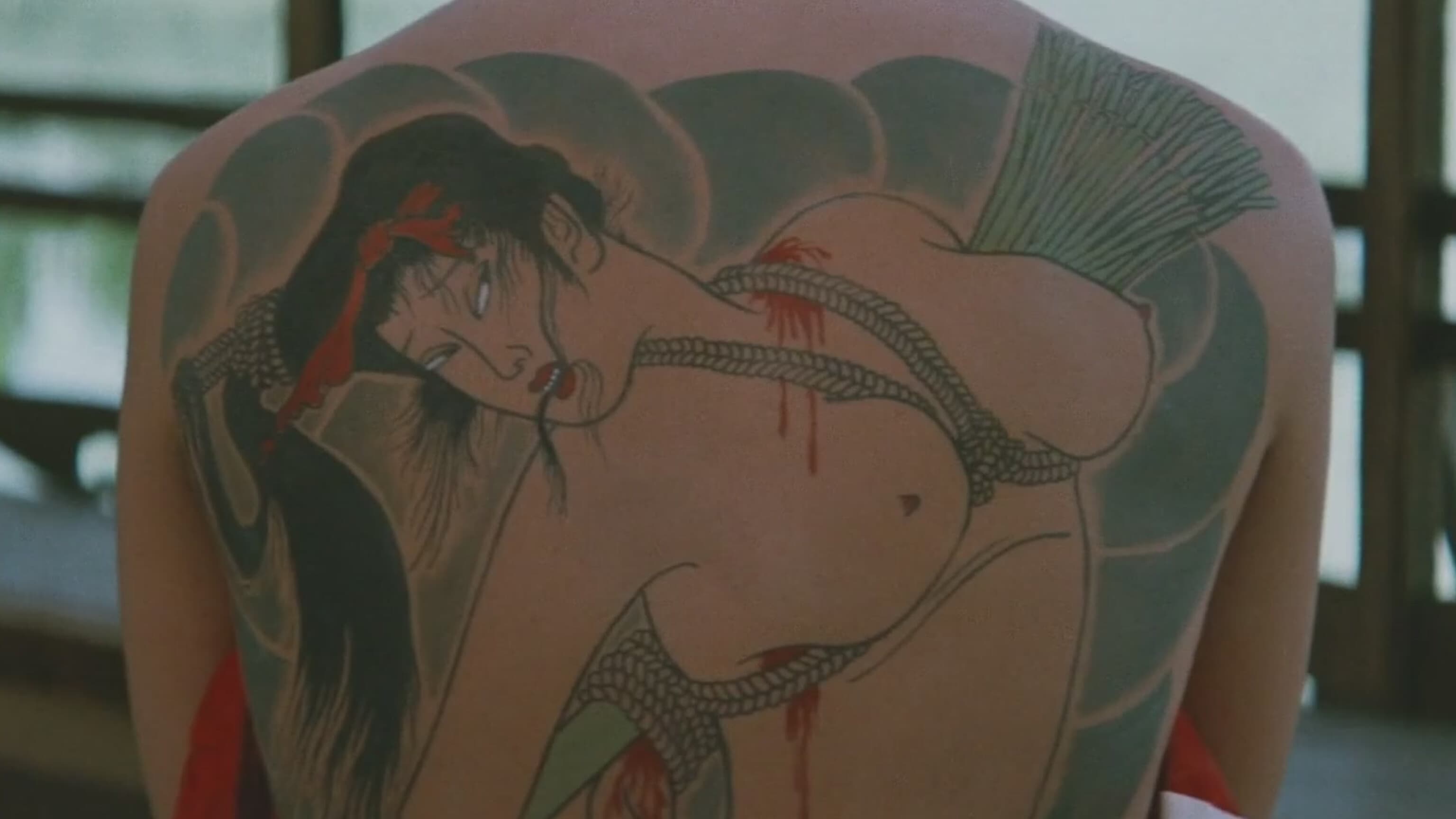

Norifumi Suzuki spent the 1970s making films at Toei that were sold as exploitation and worked as something sharper. Working in a factory-production system that churned out pinky violence and yakuza pictures, he turned the genre's voyeuristic machinery against itself: his women don't just survive the criminal world, they reorganize it. A Suzuki film gives you the surface pleasures of the genre (speed, color, improbable violence, transgression for its own sake) and then quietly insists that what you're watching is about hierarchy and the people it grinds down. The signature mood is controlled tension just before it snaps. Social codes operate as both prison and shelter in his work; a character can be loyal to a structure that will destroy her, and Suzuki finds that tragic rather than stupid. Films like Female Yakuza Tale and Sex and Fury remain genuinely strange because they're not quite cynical and not quite earnest. They occupy the narrow band where genre filmmaking gets weird enough to be art.
Essential Norifumi Suzuki
His own films, in order of audacity
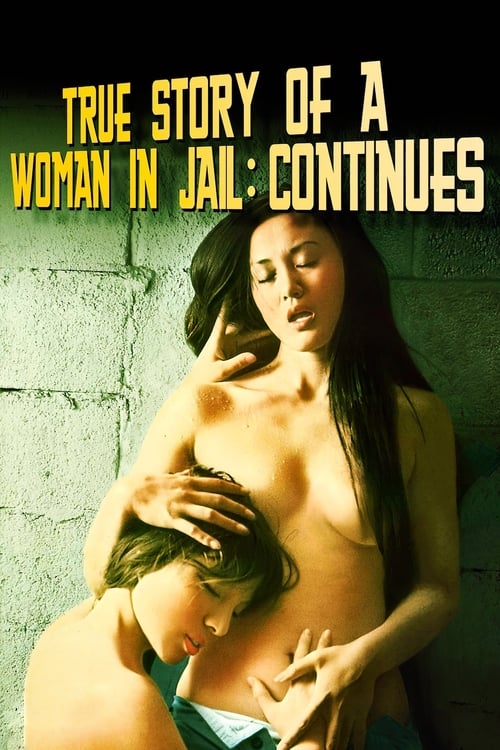

Women who take the power anyway
Films about female protagonists asserting authority in worlds built against them





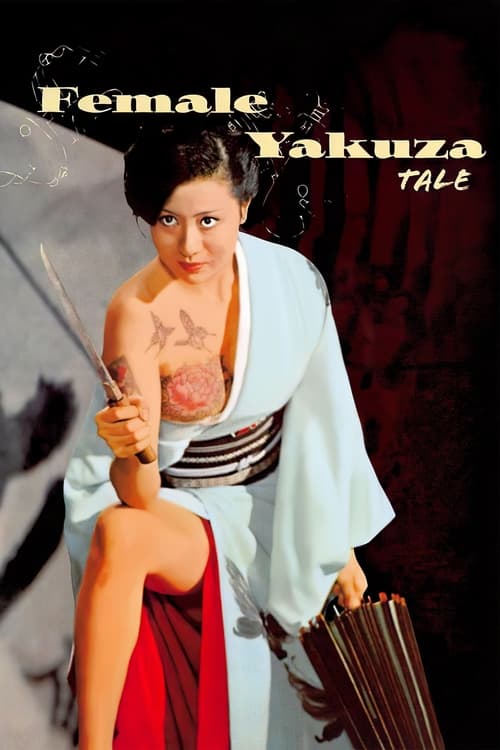
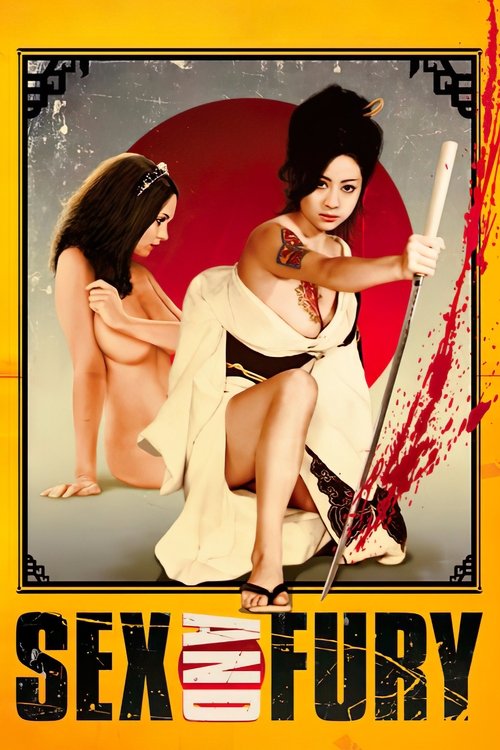
Start with Female Yakuza Tale, not Sex and Fury
Female Yakuza Tale is the more direct entry point precisely because it strips the period setting away and puts everything in the grimy present tense of 1970s Tokyo crime. The social critique is right on the surface. Sex and Fury is more visually spectacular, with its snow-fight sequence becoming the reference point most people know, but it assumes a familiarity with the genre conventions that Female Yakuza Tale earns from scratch. Get the grammar right first.
The codes of violence: loyalty, hierarchy, the blade
Period films and yakuza stories where honor is the trap
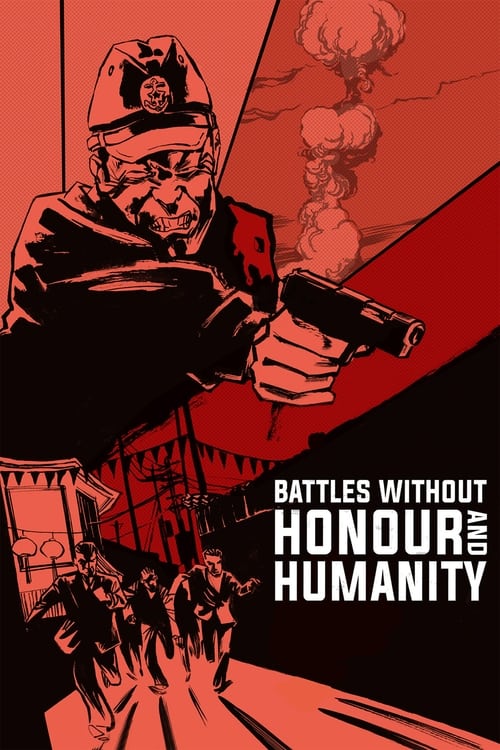


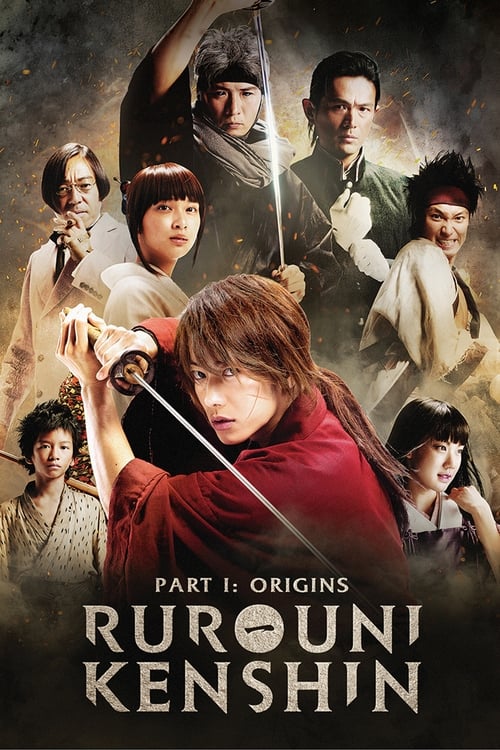
Female Prisoner #701: Scorpion is the closest peer, not the imitation
Shunya Ito's Female Prisoner #701: Scorpion (1972) arrived in the same Toei moment and is often bracketed with Suzuki's work because both put an unbreakable woman at the center of an institution designed to punish her. But Ito's approach is more formally extreme: the prison sequences become almost abstract. Suzuki keeps his feet in recognizable social space. Watching both tells you more about each director than watching either alone.
Slow boil: controlled surfaces, hidden violence
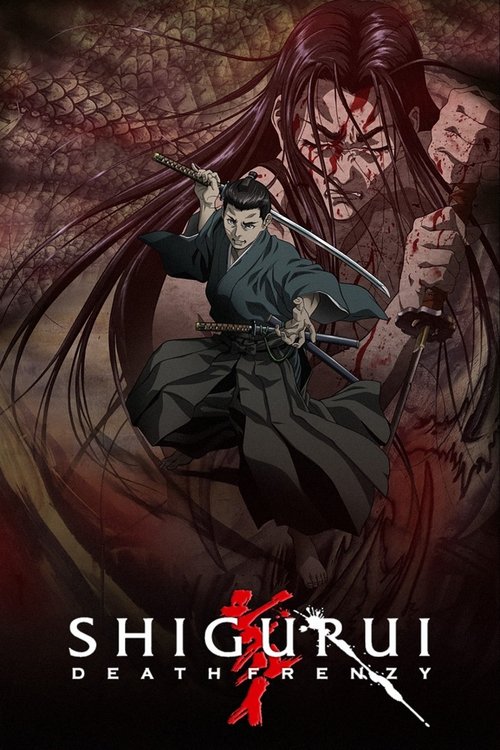
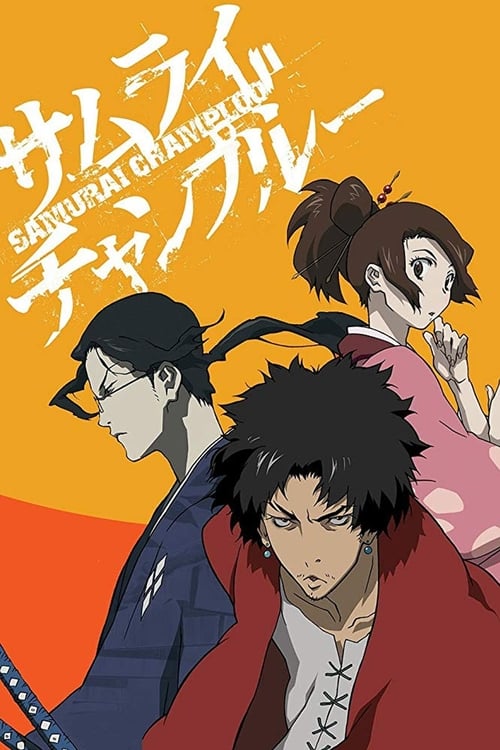
Series and anime that share Suzuki's tension before the snap





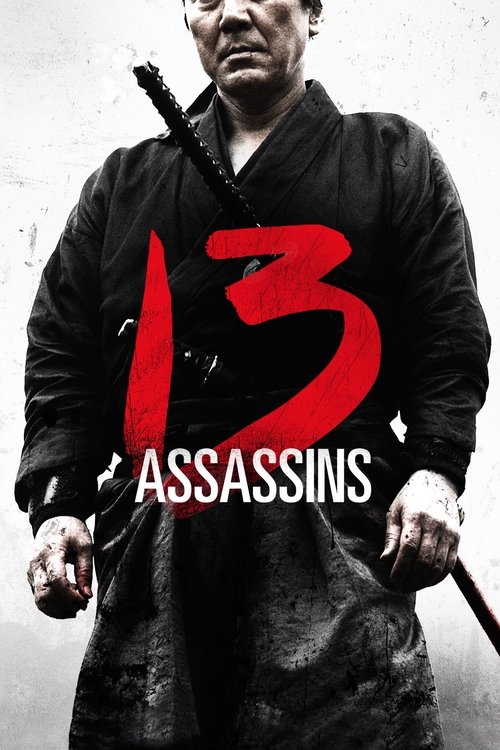
13 Assassins is where the Toei sensibility went after the genre died
Takashi Miike's 13 Assassins (2010) is the most direct inheritor of what Suzuki and Kinji Fukasaku built at Toei in the 1970s: the idea that extreme violence against a corrupt hierarchy is both justified and tragic, and that watching it should feel like both a release and a cost. The film is technically a remake of a 1963 Toei production, which puts the genealogy in plain sight. If you responded to the way Suzuki's period films feel morally serious inside a genre frame, this is the most satisfying modern version.
The world that trained them: books and games
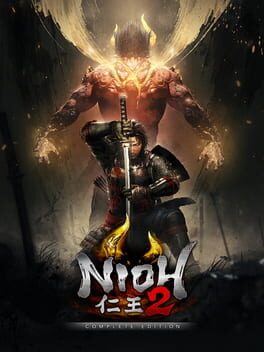
The same undercurrent of duty, transgression, and the cost of the code





The Toei exploitation films looked cheap and moved fast, and that was the point. You could get a lot of truth into a film if nobody was looking too closely at the frame.On Suzuki's method, pinky violence retrospective
Norifumi Suzuki at Toei: a decade of transgression
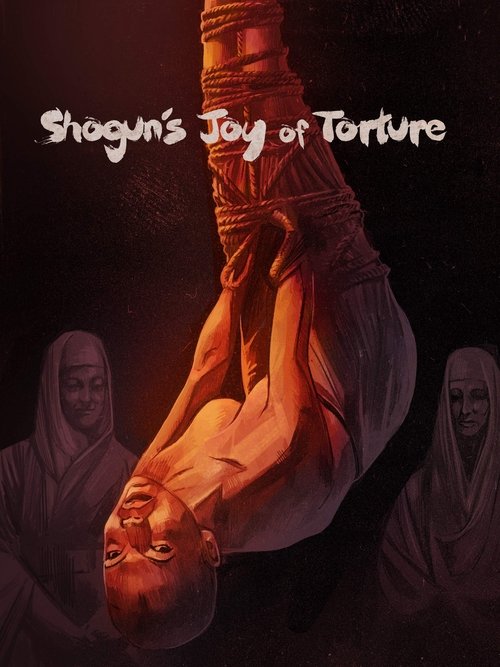
- 1968Shogun's Joy of Torture Shogun's Joy of Torture
- 1972Terrifying Girls' High School
- 1972Girl Boss Guerrilla
- 1973Female Yakuza Tale Female Yakuza Tale
- 1973Sex and Fury Sex and Fury
- 1974School of the Holy Beast
- 1975Wandering Ginza Butterfly 2
- 1977Yakuza Ladies 2