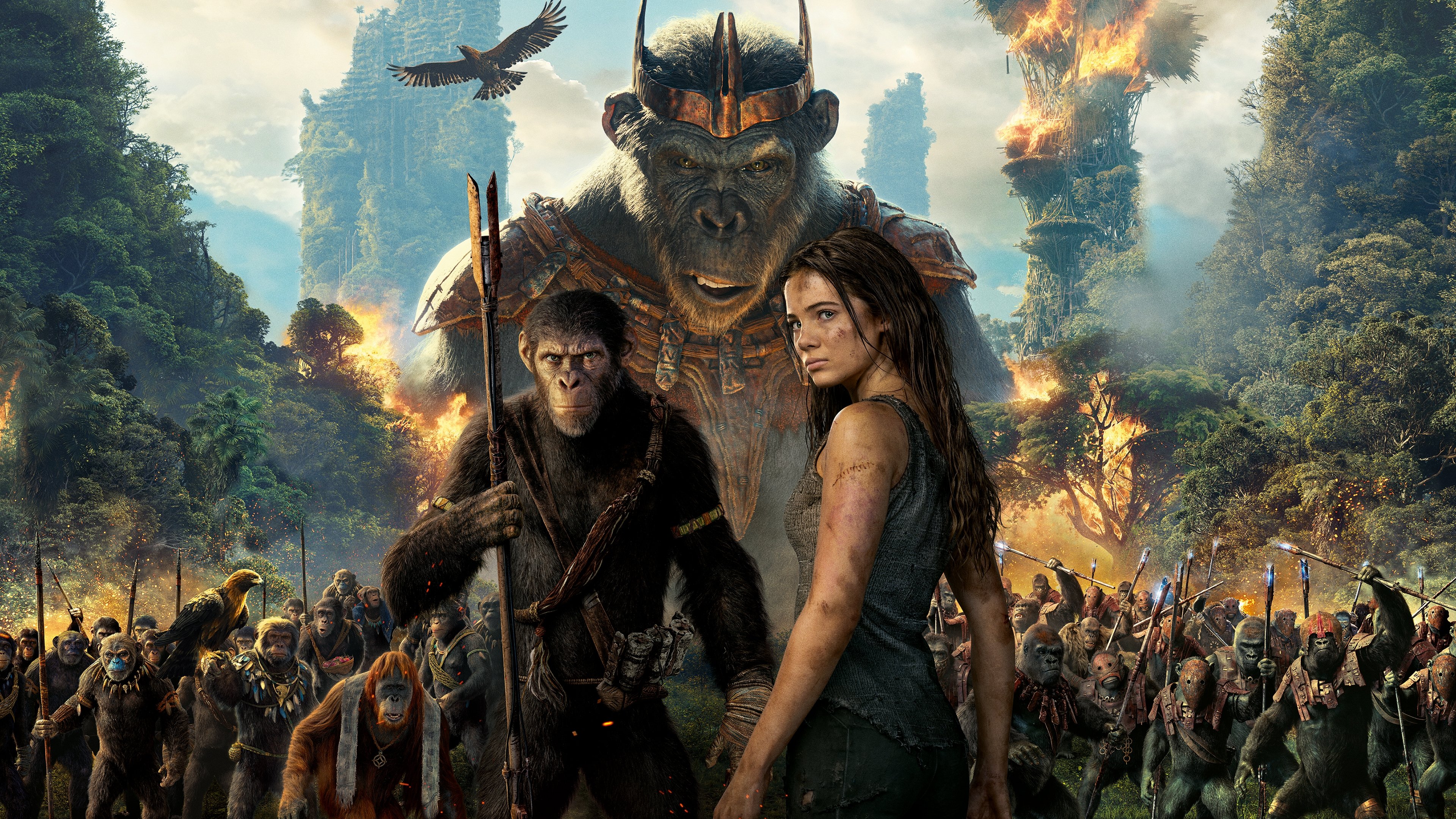

Planet of the Apes started with Pierre Boulle's 1963 satirical novel, became a 1968 film that redefined science fiction cinema, and has since grown into one of the most durable franchise concepts in popular culture. The through-line is not really about apes. It is about power, intelligence, and the human tendency to assume dominion is permanent. Whether it is Charlton Heston discovering the Statue of Liberty, Andy Serkis building a revolution in a California forest, or Owen Teague inheriting a post-collapse world, the films keep asking the same uncomfortable question: what exactly makes a civilization, and who deserves to run one? That tension, between survival and ethics, between evolution and empire, is what has kept fans returning across sixty years and multiple complete reinventions of the story.
Essential Planet of the Apes
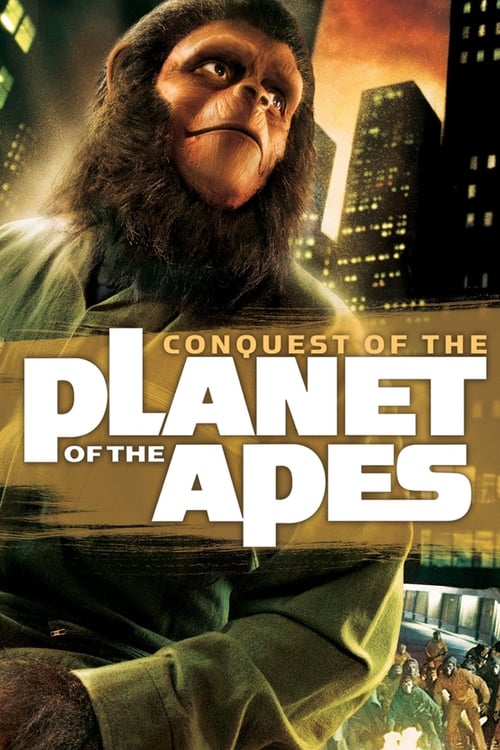
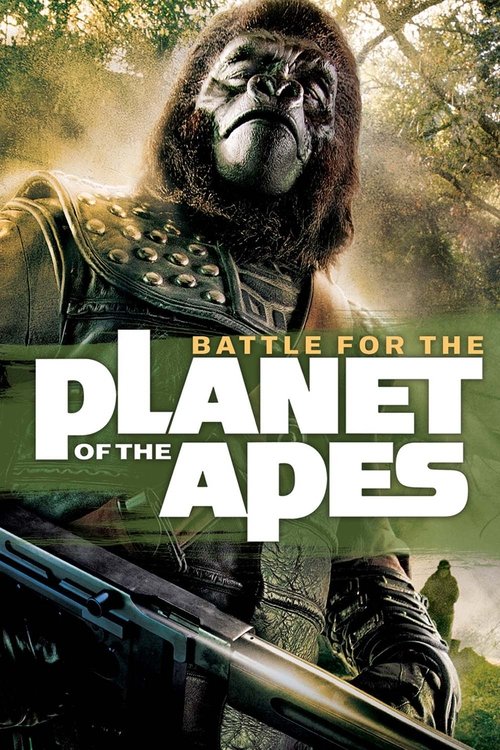
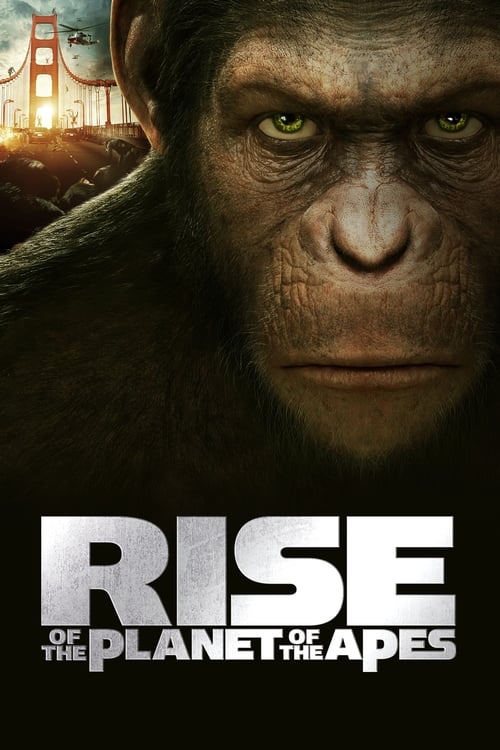
The films in chronological release order, from the original shock ending to the modern trilogy's quiet heartbreak.
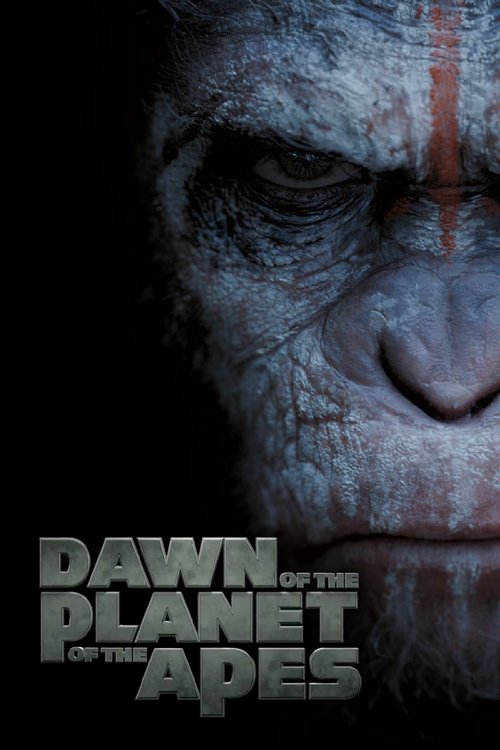
Dawn of the Planet of the Apes is the franchise at its moral peak
The 2014 middle chapter of the Caesar trilogy is, by any measure, the best film in the franchise. It earns its tragedy honestly: both sides want peace, both sides have individuals who will sabotage it, and the film refuses to assign clean villain status to either species. Gary Oldman's Dreyfus is not a monster, and Koba is not simply evil. The film understands that cycles of violence are sustained by fear, not hatred, which makes it far more unsettling than any dystopia built on pure cruelty.
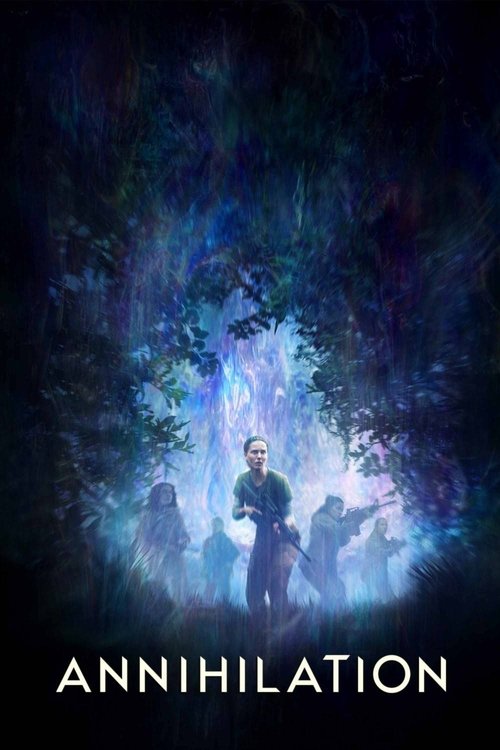
If You Love the Films: Science Fiction That Earns Its Despair
Films that share the same core: a world recognizably ours, changed just enough to expose something true about power and survival.





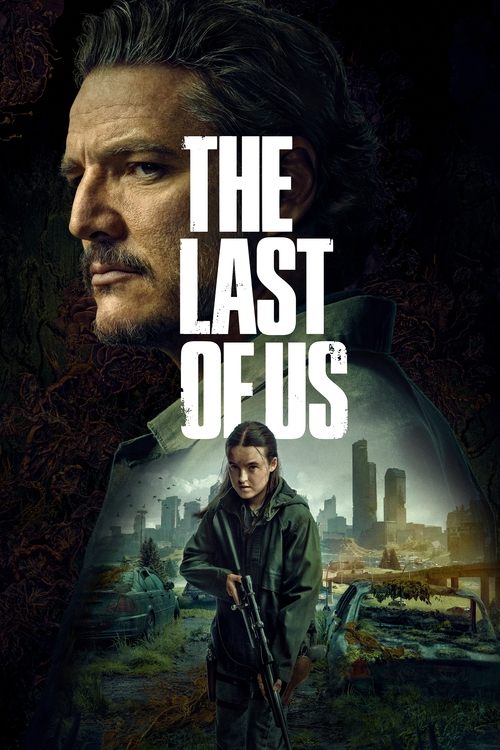
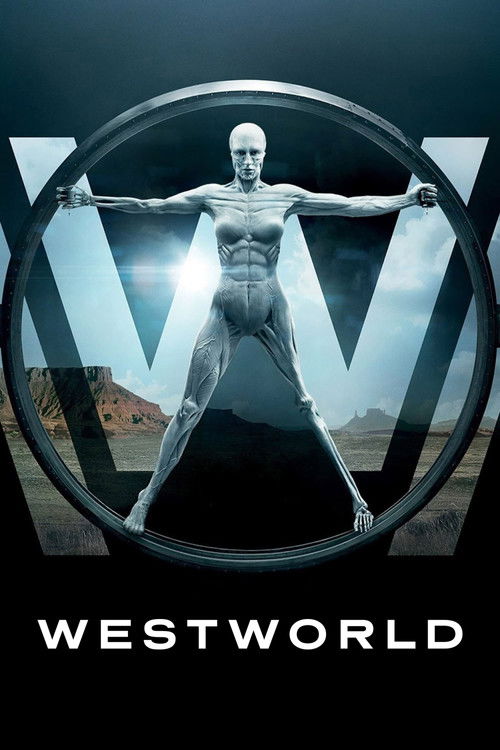
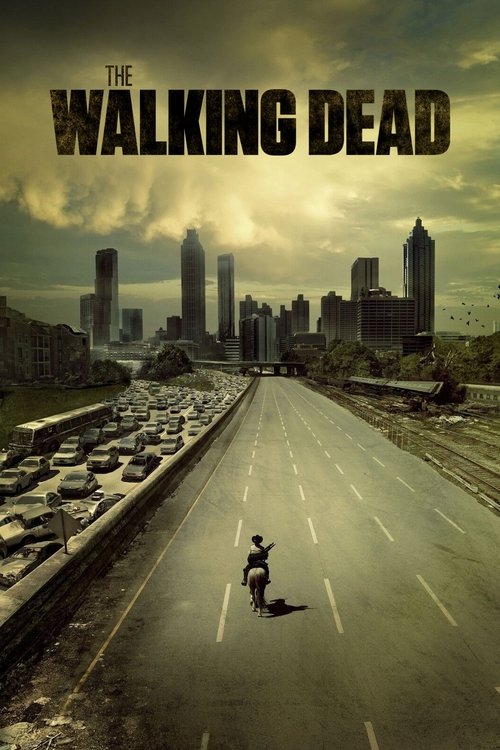
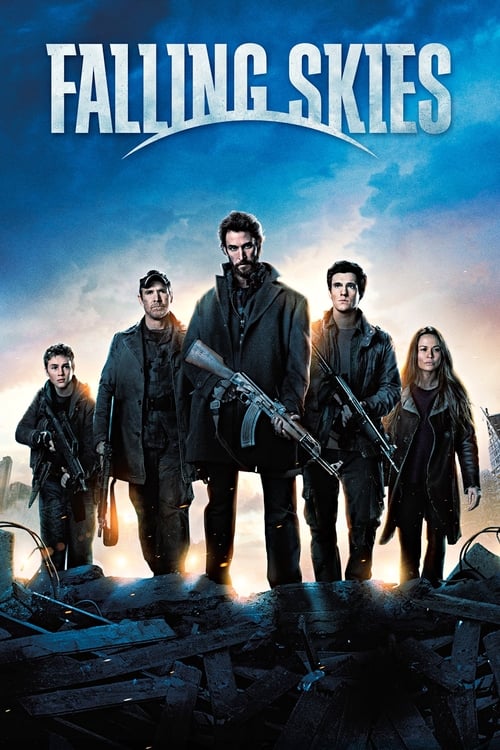
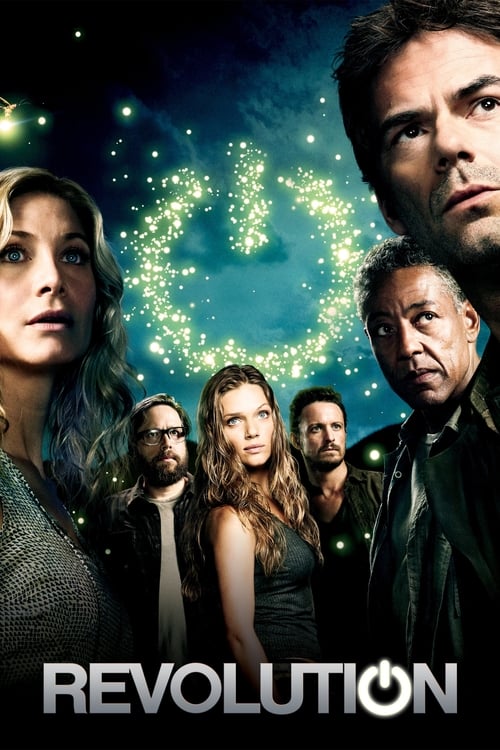
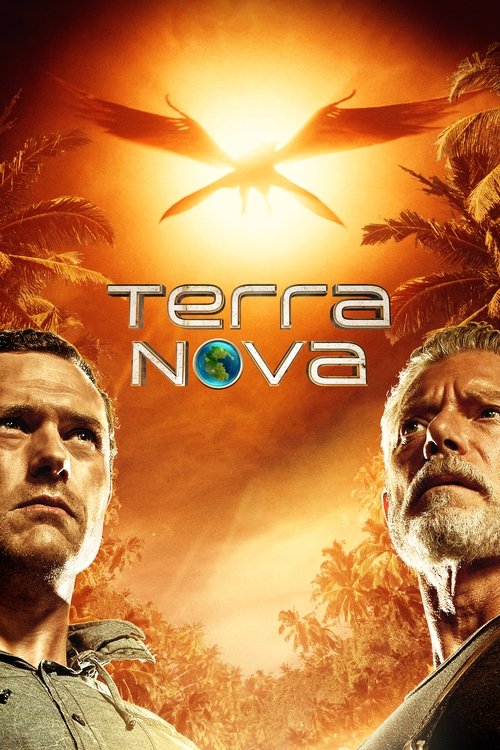
Revolution and Collapse: TV That Asks the Same Questions
Series about civilizational breakdown, species hierarchy, and who gets to write the rules after the old world ends.


The Books: Satire, Survival, and Smarter Apes
The novel that started it all, official tie-ins, and the broader shelf of post-collapse fiction and primate science that feeds the same imagination.


Pierre Boulle's novel is sharper and stranger than any adaptation
Boulle's 1963 source novel is a genuinely odd piece of work. It frames the whole story as a manuscript found in a bottle floating in space, read by a couple of aristocrats who find it mildly amusing and toss it back. The satire is colder and more French than Hollywood ever managed. The ape society is not menacing; it is complacent, bureaucratic, and obsessed with status. Boulle was writing about colonialism and the self-satisfied assumptions of the educated class, and the discomfort lands differently in prose than on screen.
Games: Post-Collapse Strategy and Species Survival
Games that put you in command of a species, a faction, or a survivor struggling to rebuild something worth having.





The Caesar trilogy is motion capture cinema's greatest achievement
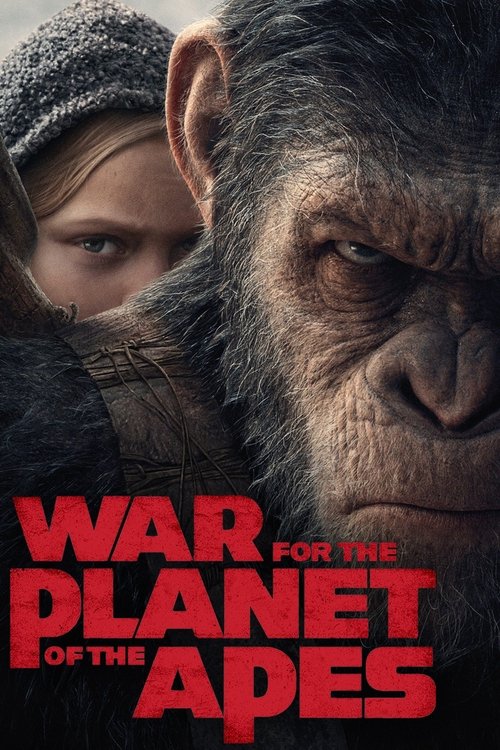
Andy Serkis's Caesar across the three films, Rise, Dawn, and War, represents the full arc of a revolutionary: idealist, pragmatist, then something close to a martyr. The performance works entirely through expression and posture, with no dialogue for most of the first film, yet Caesar's interior life is always legible. Weta Digital built tools specifically to capture facial microexpressions, and the result is that a non-human character generates more genuine empathy than most human leads in franchise cinema. War for the Planet of the Apes is, among other things, a measured anti-war film that borrows from Apocalypse Now without embarrassing itself.
Take your stinking paws off me, you damned dirty ape.George Taylor, Planet of the Apes (1968)
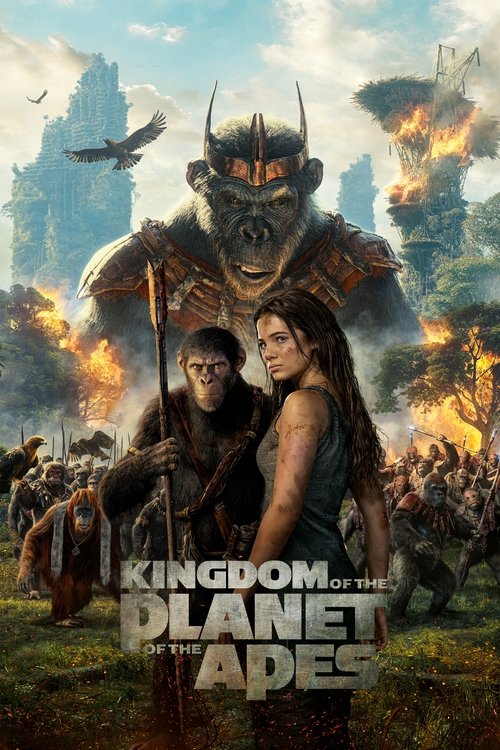
Kingdom of the Planet of the Apes earns its franchise reset
The 2024 entry had the unenviable task of following Caesar's completed arc while setting up a whole new mythology. It largely succeeds by not pretending Caesar is replaceable. Noa is his own character with his own set of problems, and the film is wise enough to treat Caesar as legend rather than sequel bait. The world-building, a post-post-collapse society where apes have organized into competing kingdoms, gives the franchise room to run for another generation without retreading the Caesar trilogy's emotional ground.
Sixty Years on the Planet
- 1963Pierre Boulle publishes La Planete des Singes in France Planet of the Apes
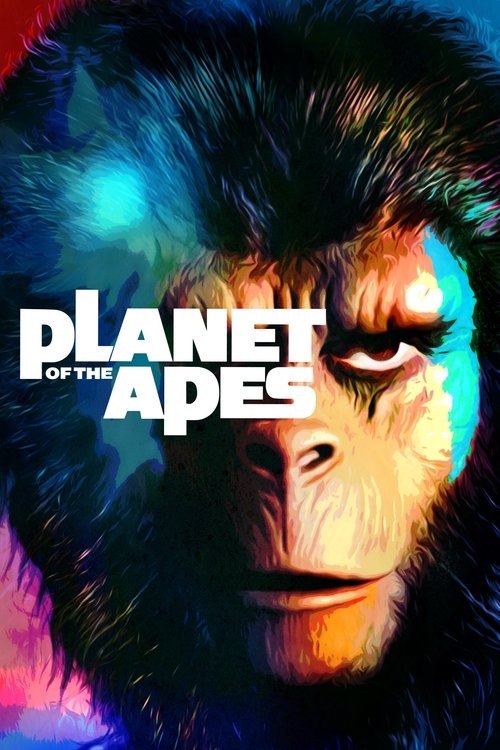
- 1968Franklin J. Schaffner directs the Charlton Heston original; the ending becomes one of cinema's most quoted moments Planet of the Apes
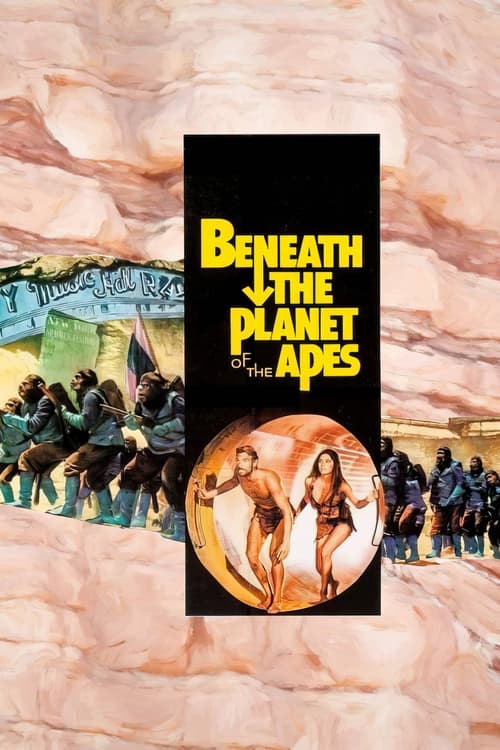
- 1970First sequel expands (and nearly ends) the saga in one film Beneath the Planet of the Apes
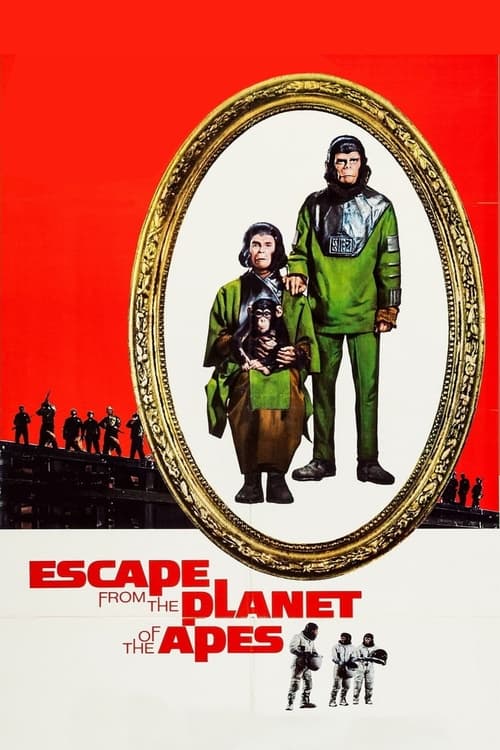
- 1971Escape from the Planet of the Apes reverses the premise: apes arrive in 1970s Earth Escape from the Planet of the Apes
- 1974CBS live-action TV series runs for 14 episodes, continuing the original timeline Planet of the Apes
- 2001Tim Burton remakes the original with Mark Wahlberg; divisive and quickly set aside Planet of the Apes
- 2011Rise of the Planet of the Apes relaunches the franchise with performance-capture Caesar Rise of the Planet of the Apes
- 2014Dawn deepens the Caesar trilogy into genuinely political territory Dawn of the Planet of the Apes
- 2017War for the Planet of the Apes concludes Caesar's arc with an elegiac, Apocalypse Now-inflected finale War for the Planet of the Apes
- 2024Kingdom of the Planet of the Apes launches a new generation and new mythology centuries after Caesar Kingdom of the Planet of the Apes