
The Journeyman Who Kept Surprising Everyone
Richard Fleischer is the director critics kept underestimating and audiences kept loving. Working from the late 1940s through the 1990s, he moved between genres with a restless pragmatism that looks, in retrospect, like genuine range: tight crime noirs, spectacular science fiction, true-crime procedurals, sweeping historical epics, sword-and-sorcery blockbusters. The through-line was not style in the auteur sense but something more practical and rarer: a ferocious clarity about what any given story needed and the technical confidence to deliver it.
His father was Max Fleischer, the animation pioneer behind Betty Boop and Popeye, which perhaps explains Richard's lifelong comfort with spectacle. But where Max worked in the fantastical, Richard was drawn to the tactile: real submarines, real locations, real procedural weight. Even his most outlandish films, a miniaturized medical crew swimming through a human bloodstream, a future where food is manufactured from a grim secret resource, carry a documentary seriousness that grounds the premise and makes the horror land harder. Fans of his work love that quality: the sense that however wild the concept, someone is doing the math.
Essential Richard Fleischer
The director's own films, from noir to sci-fi epic


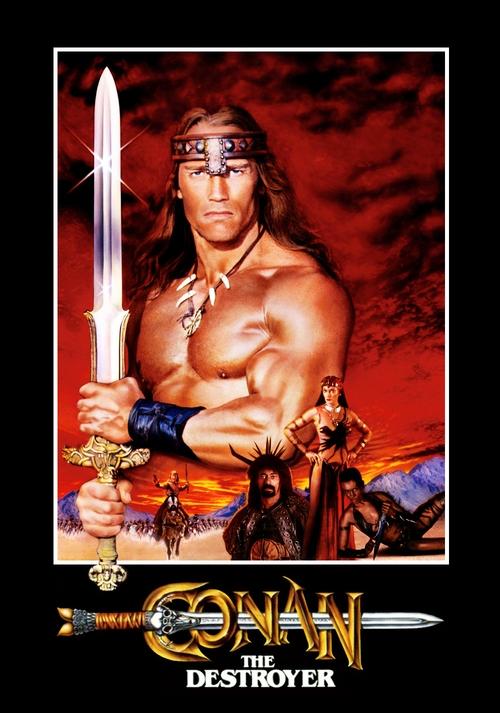


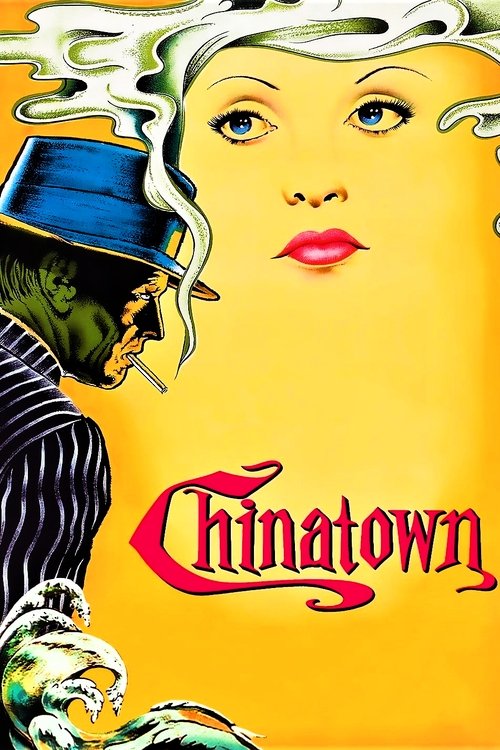
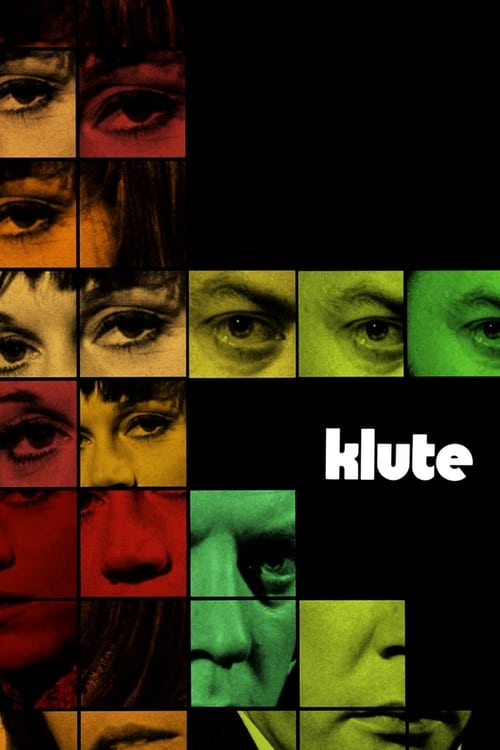
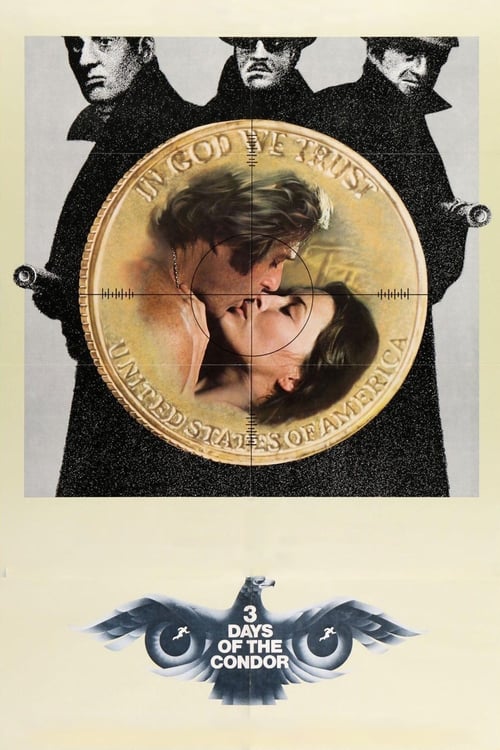
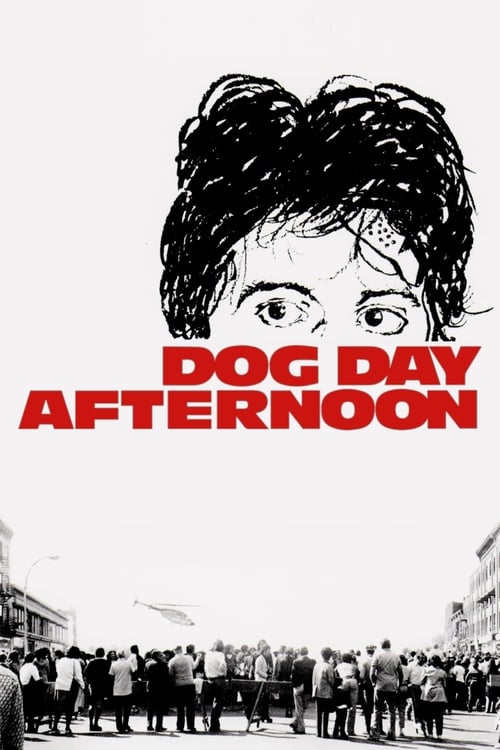
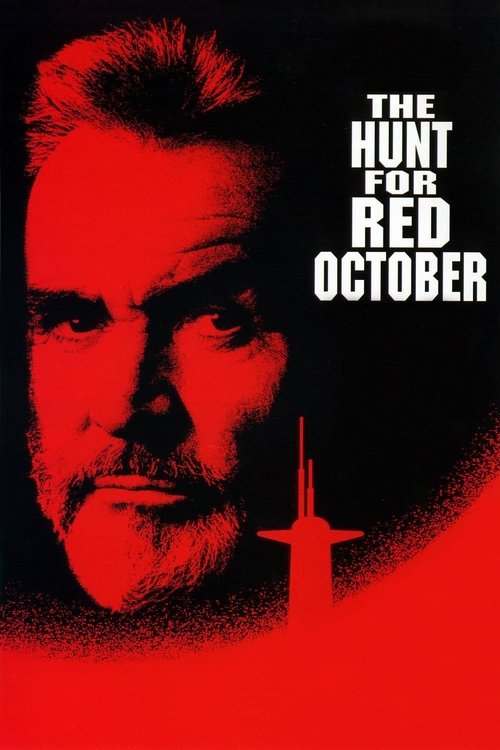
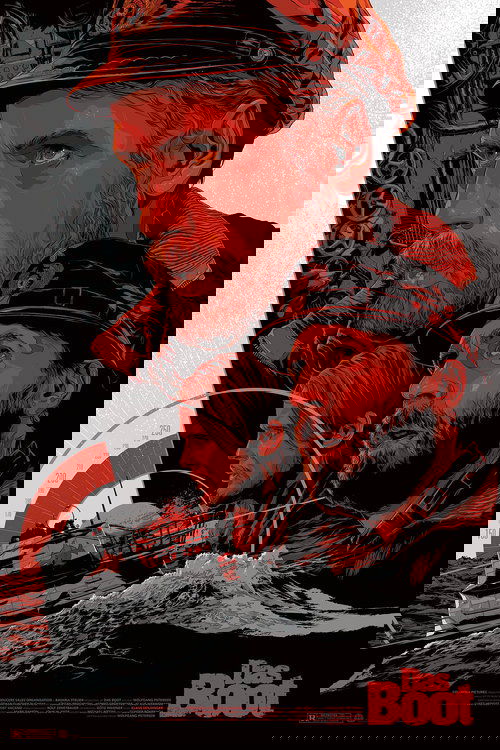
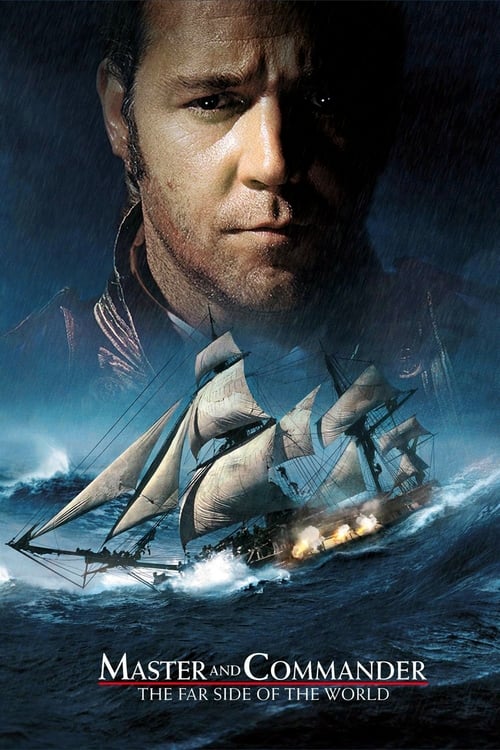
Pulp Made Serious
Films with that same genre-craft elevated by real procedural weight
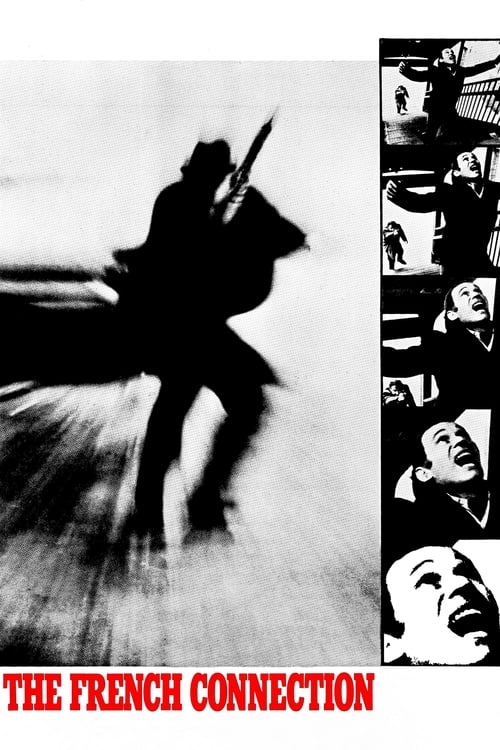
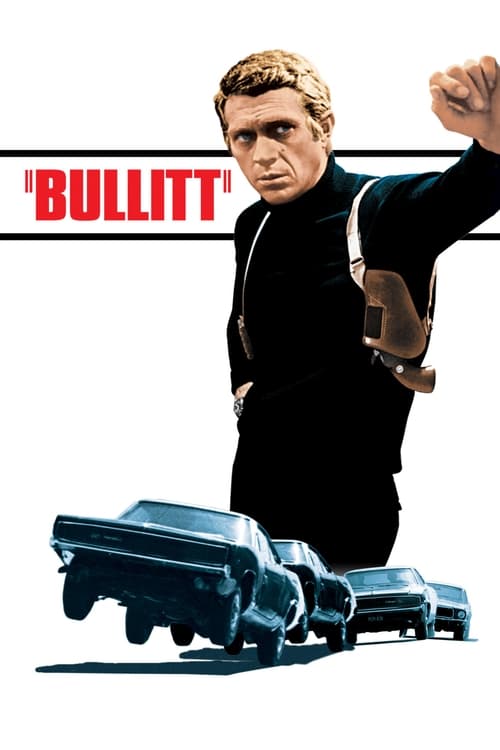

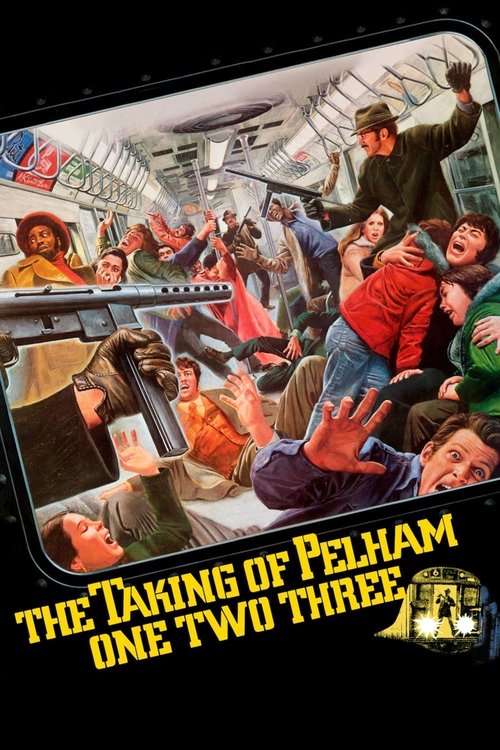

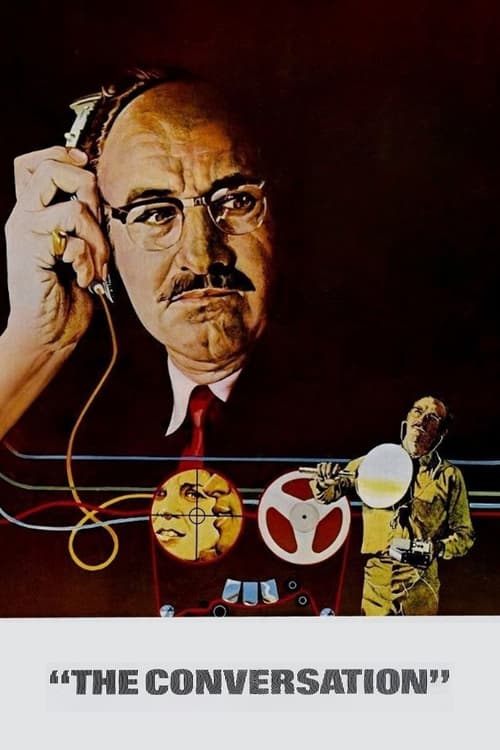
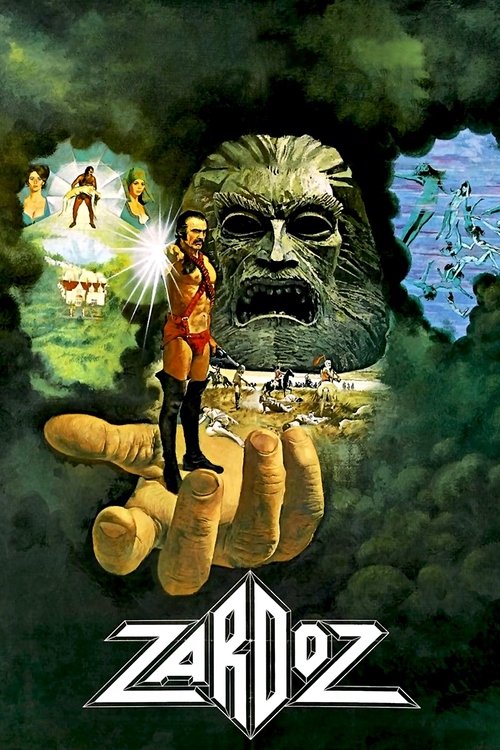
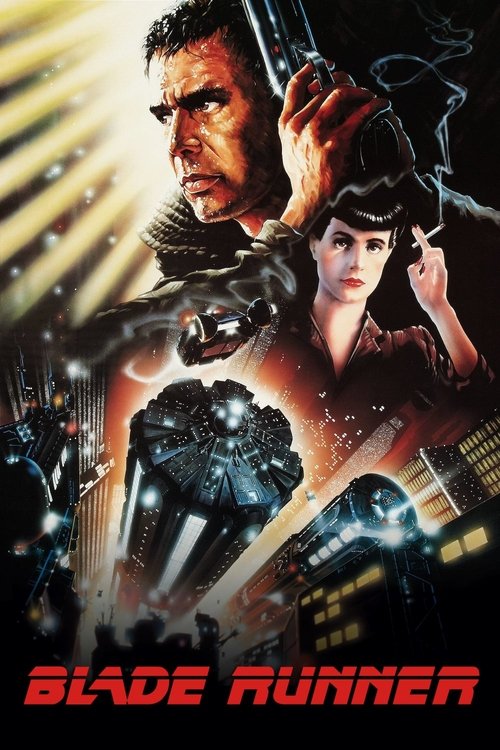
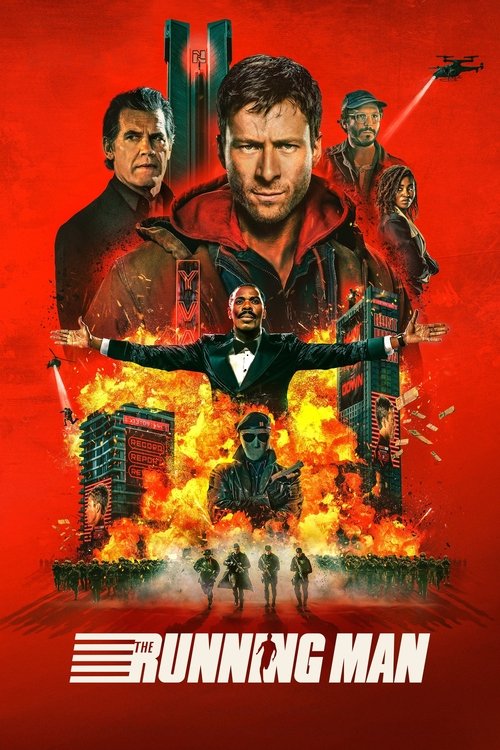
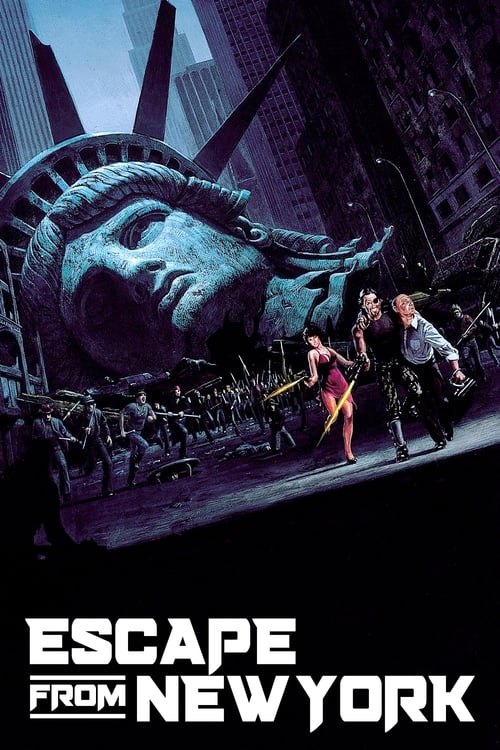
Dystopias With a Body Count
Science fiction that uses the future to indict the present
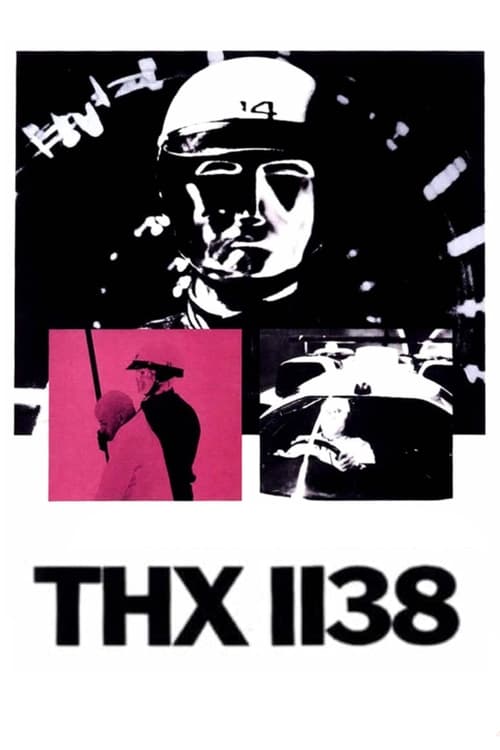

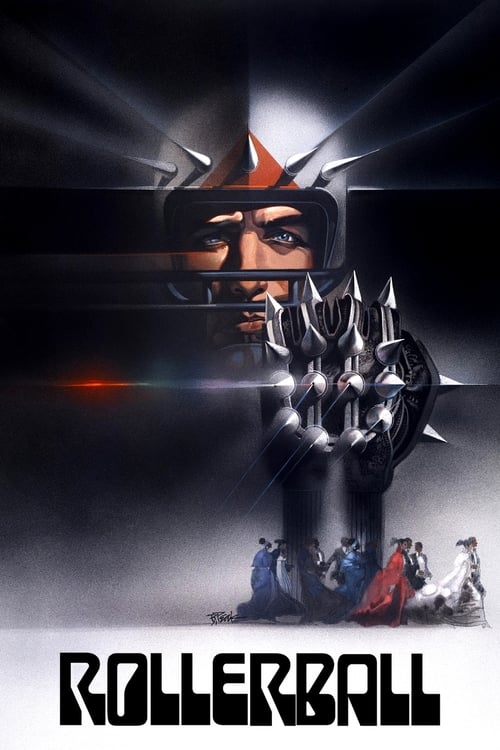
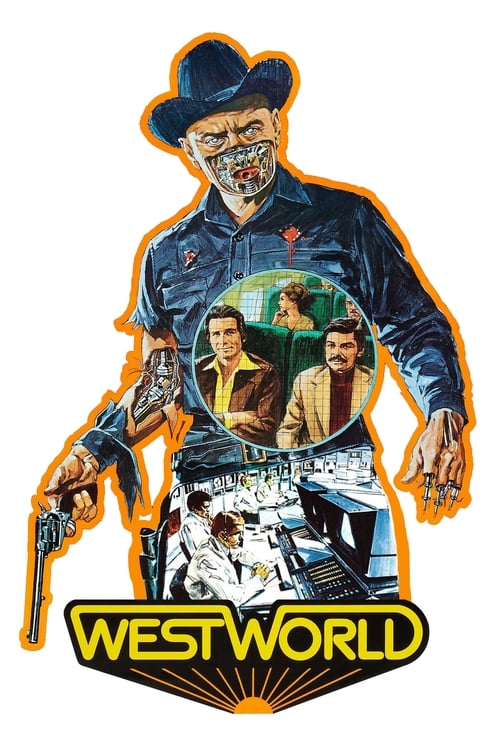


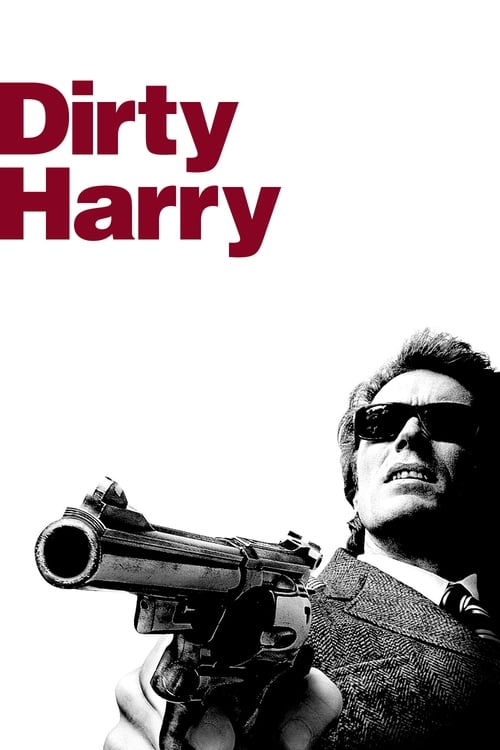
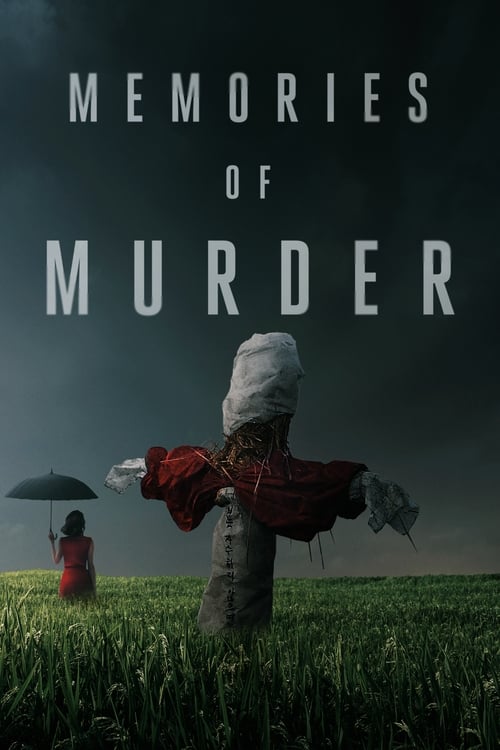
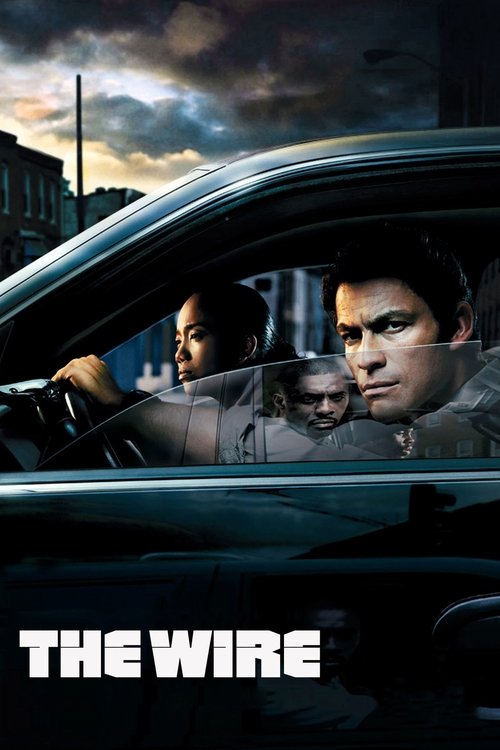
True Crime as Cinema
The case-file approach that defined a generation of crime films and TV




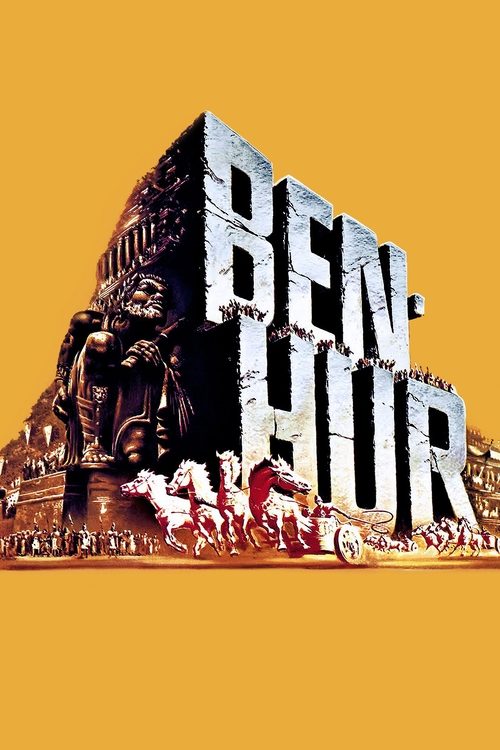
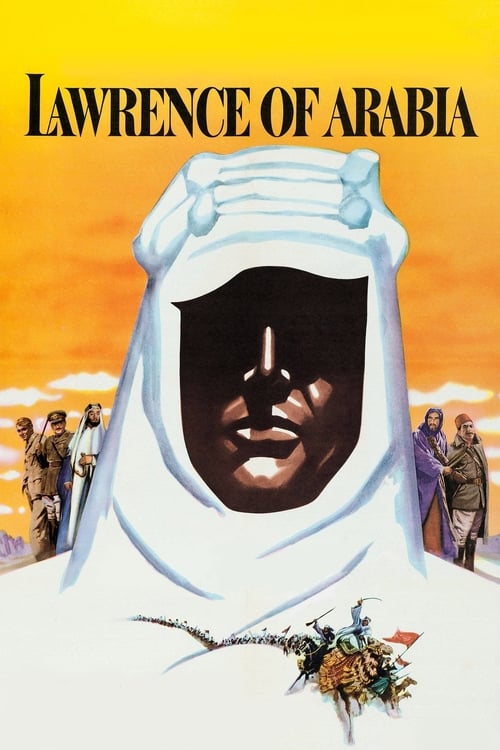
Spectacle With Substance
Big-canvas adventure and epic filmmaking that trusts the material
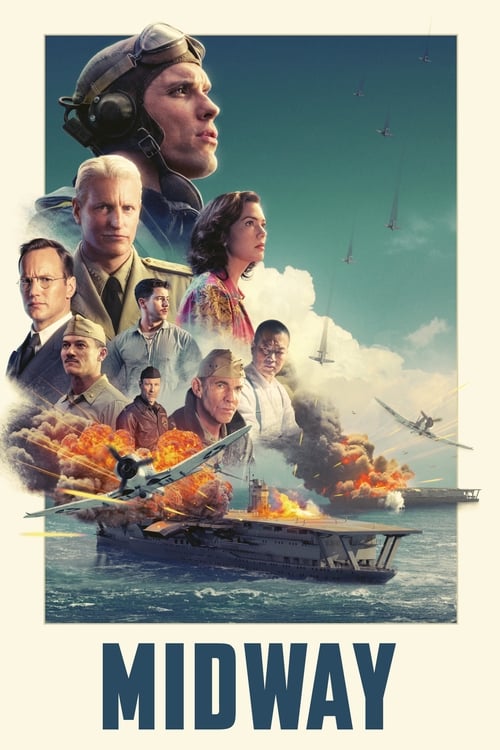
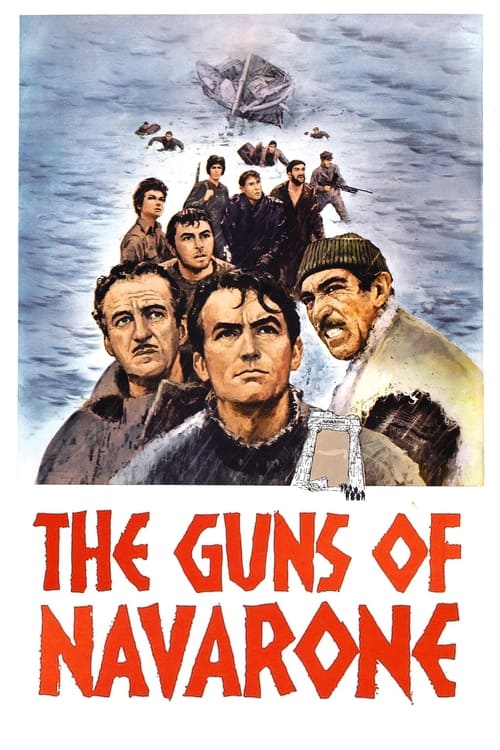

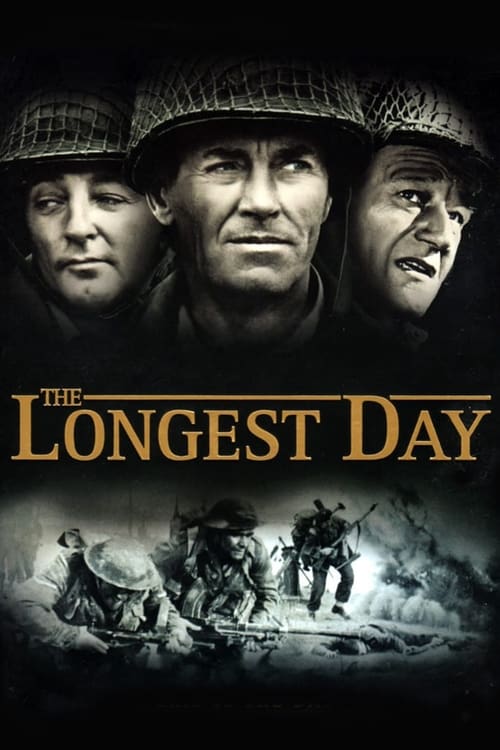
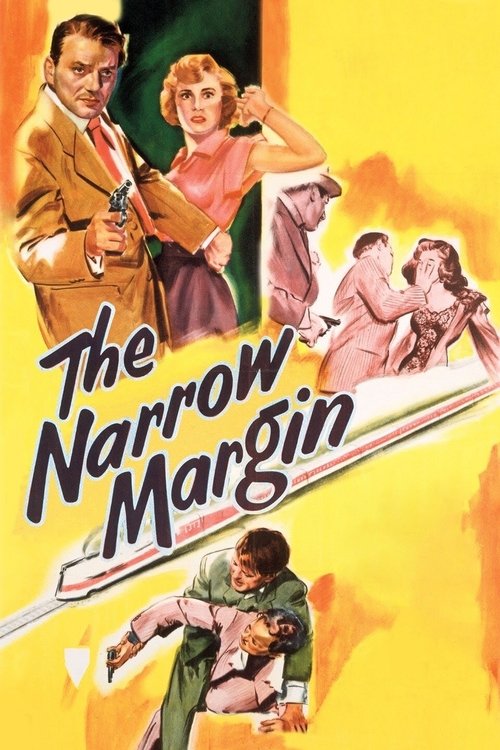
Start with The Narrow Margin (1952), not the big ones
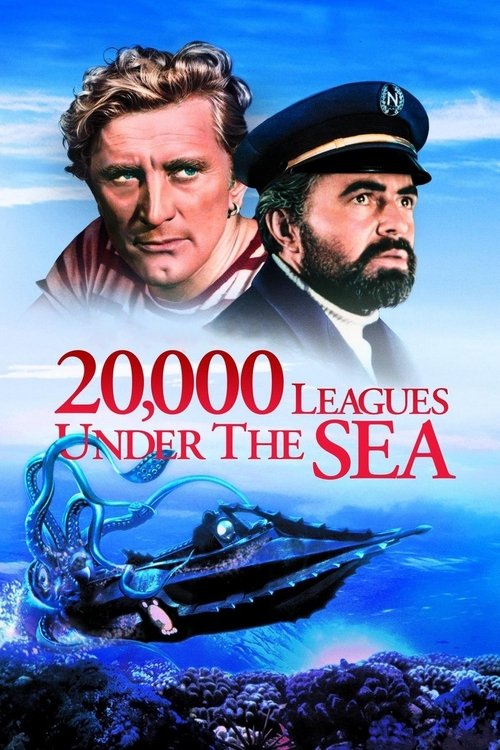
Everyone points newcomers to 20,000 Leagues or Fantastic Voyage, and those are fine. But The Narrow Margin is where you see what Fleischer actually does best: a ludicrously simple premise (a locomotive, a widow, a cop, a contract killer) stretched to 71 minutes of pure coiled tension. It is as economical as a short story and as gripping as anything he made with ten times the budget. See this first and you understand the engine under all his later work.
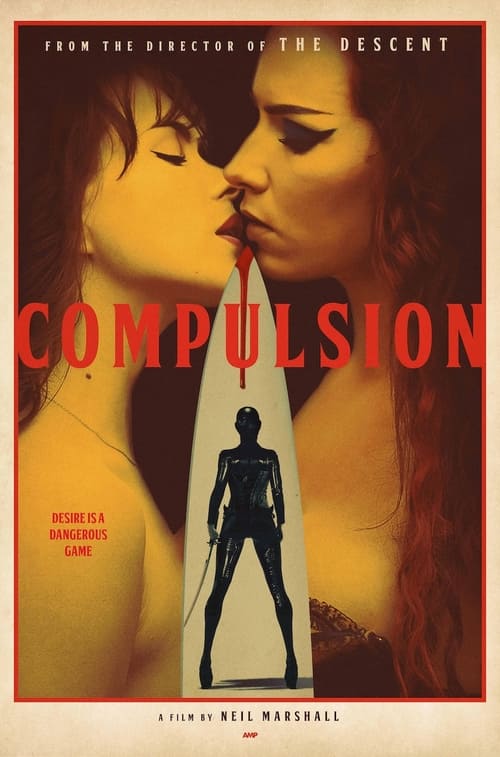
Compulsion is the one critics forgot to rehabilitate
Orson Welles delivers one of his great late-career performances in Compulsion, a fictionalisation of the Leopold and Loeb case, and Fleischer frames the whole film as a study in the arrogance of intelligence detached from conscience. It arrived the same year as Anatomy of a Murder and got less attention, but its portrait of true crime as legal and psychological spectacle is sharper and angrier than its reputation suggests. The film has never gotten the reassessment it deserves.
Soylent Green lands harder now than it did in 1973
When Soylent Green was released, its overpopulation nightmare felt like speculative extrapolation. Watch it now and the geography of inequality, the heat, the corporate indifference, the food insecurity all register differently. Charlton Heston is effective, but Edward G. Robinson, in his final film role, is the emotional core: a man who remembers when the world was livable. The ending is famous; the film around it is better than the punchline suggests. Harry Harrison's source novel Make Room! Make Room! is worth reading alongside it, if only to see how much bleaker Fleischer's adaptation actually is.
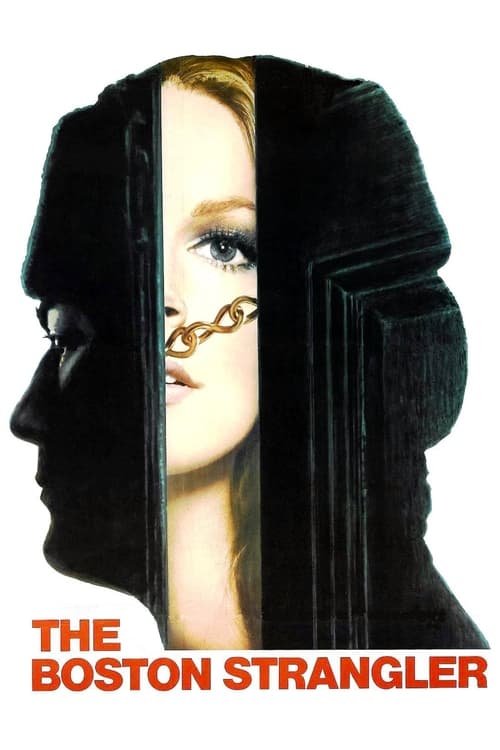
The Boston Strangler invented a visual language true crime still uses
Before true-crime prestige television, before procedural drama had its current grammar, Fleischer built The Boston Strangler around an aggressive split-screen technique that fragments point of view the way a real investigation does: no single perspective, no omniscient narrator, just accumulating evidence and dread. Henry Fonda and Tony Curtis are both exceptional, but the real star is the editing strategy. It makes the film feel not like a dramatisation but like a document.
A Career Across Genres
- 1947Debut noir: Child of Divorce
- 1952The Narrow Margin establishes his economy of form The Narrow Margin
- 1954Disney epic 20,000 Leagues opens a new scale 20,000 Leagues Under the Sea
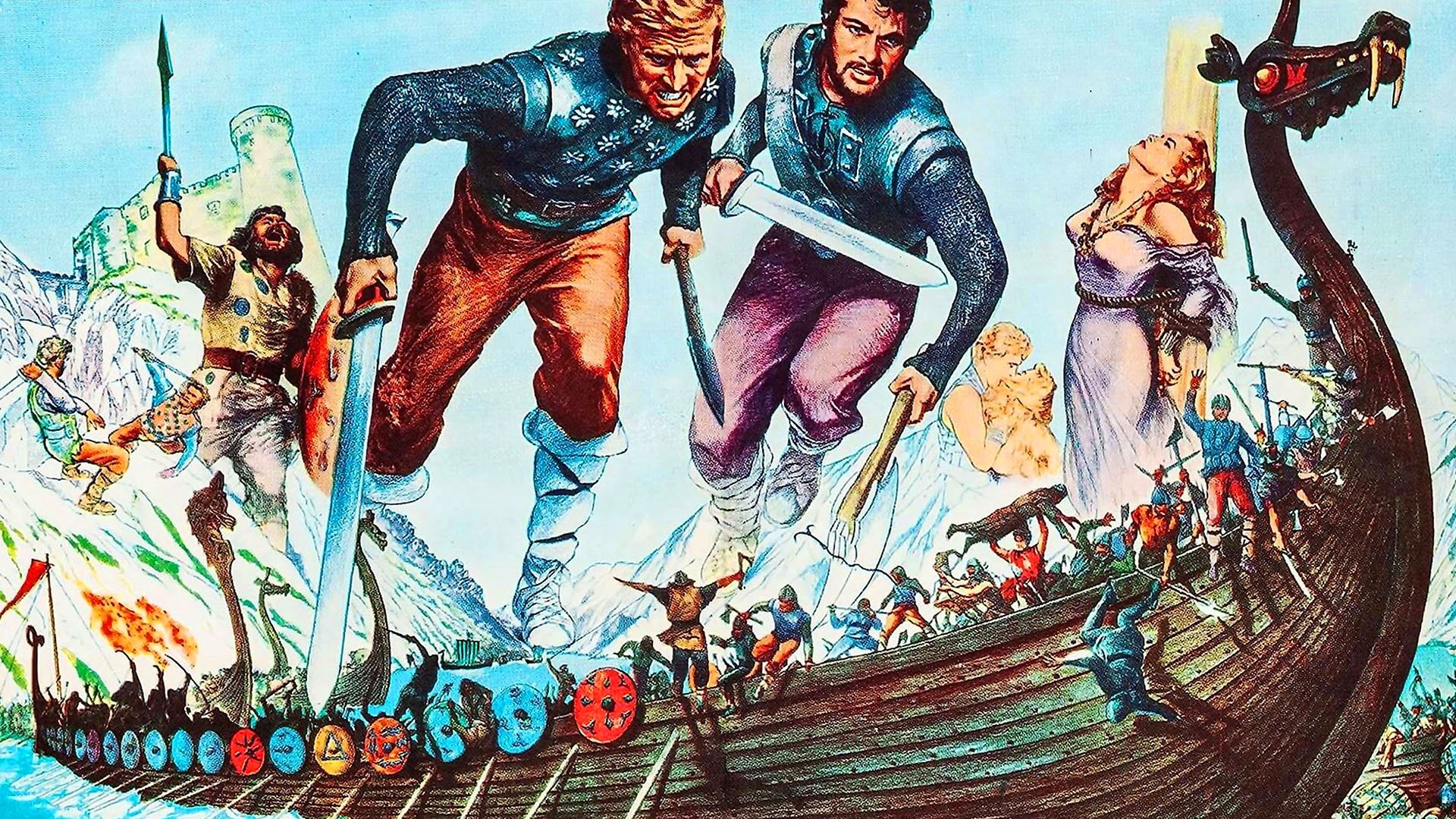
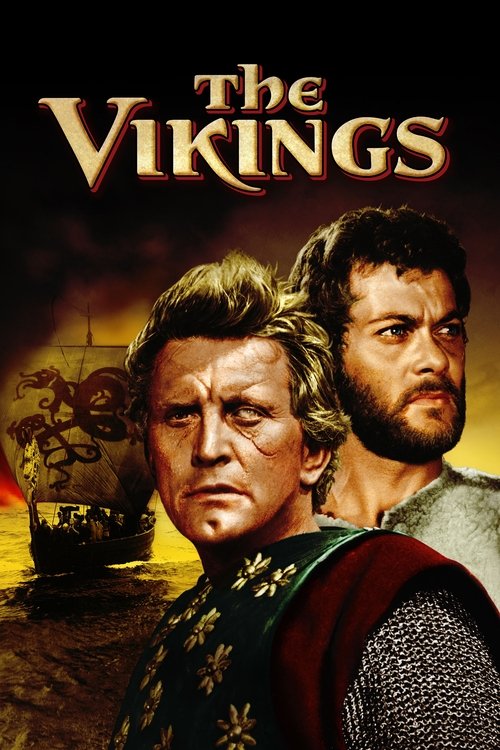
- 1958Kirk Douglas in The Vikings The Vikings
- 1959Leopold and Loeb: Compulsion Compulsion
- 1966Fantastic Voyage: science fiction as visual event Fantastic Voyage
- 1968True crime reinvented in The Boston Strangler The Boston Strangler
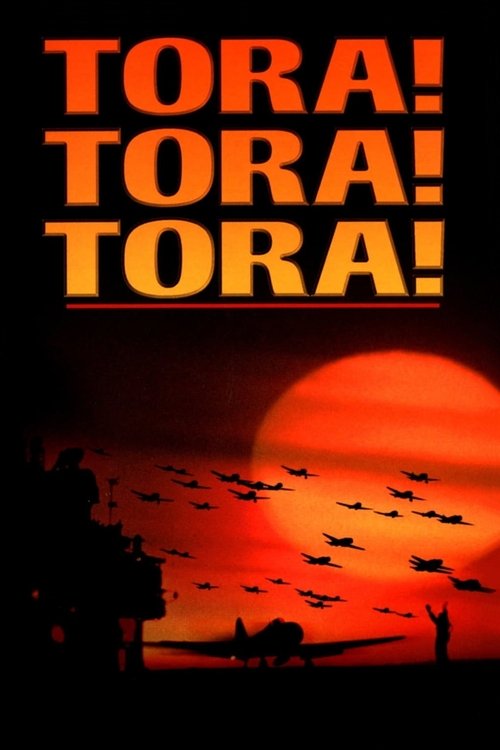
- 1970US/Japan co-production Tora! Tora! Tora! Tora! Tora! Tora!
- 1973Soylent Green becomes a cultural shorthand Soylent Green
- 1984Late-career Conan the Destroyer Conan the Destroyer
Pulp Made Monumental: Dystopias and Depths
Dystopian Societies
Explore the Dystopian Societies guide →He never had a style you could name, which is another way of saying he had total control of every style he needed.CrossBinge editors