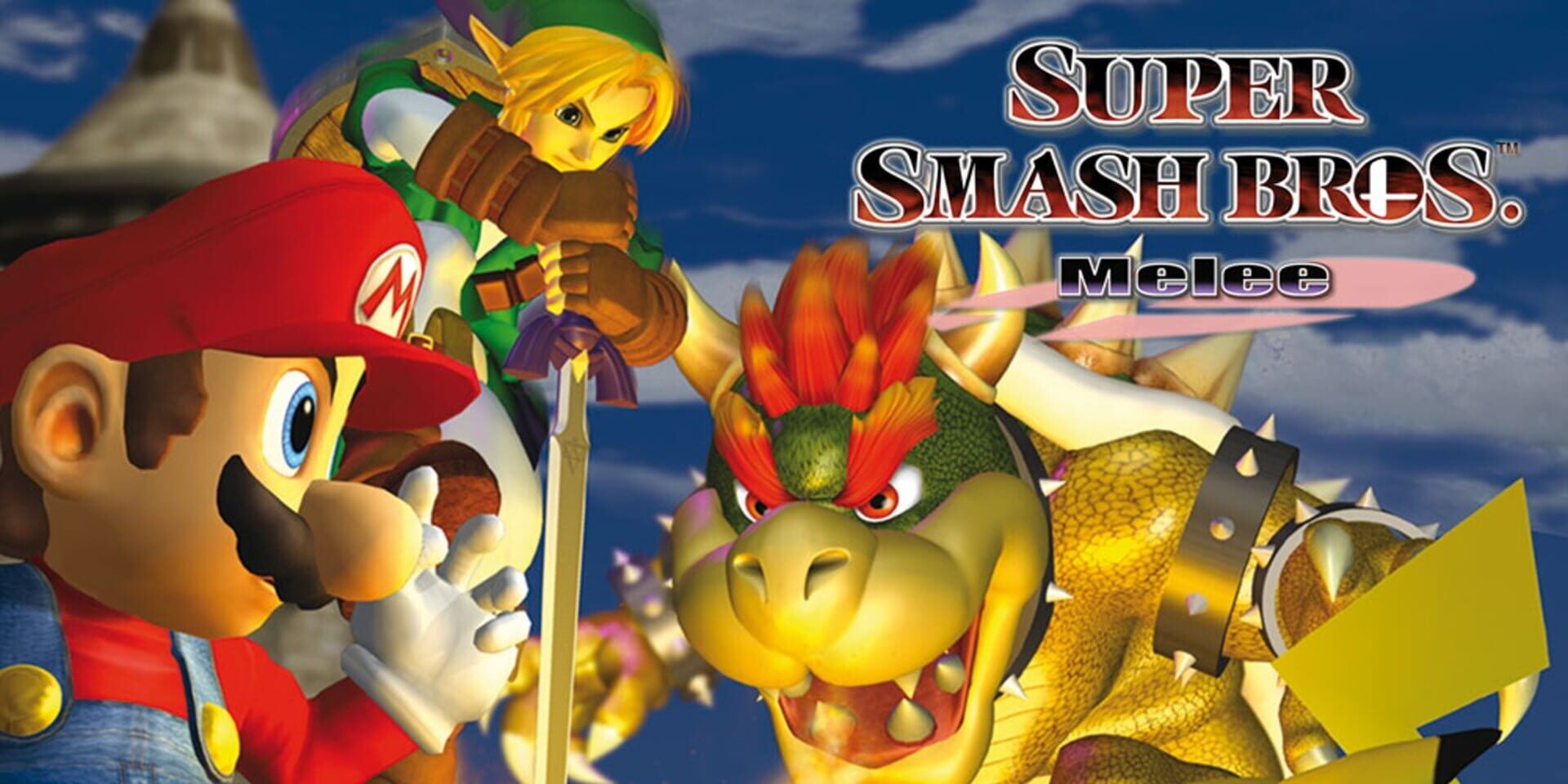

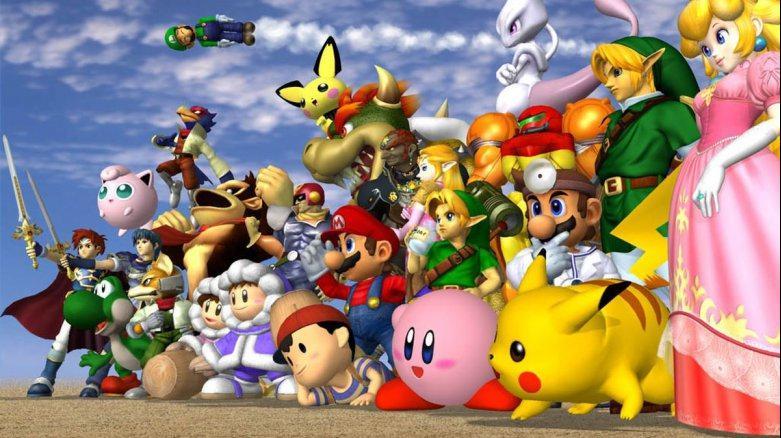
Super Smash Bros is not a traditional fighting game. It is a love letter to gaming history: a series that pulls beloved characters from across dozens of franchises, throws them into chaotic platform arenas, and asks players to fight for bragging rights at family gatherings, college dorms, and esports venues alike. From the 1999 Nintendo 64 original to Super Smash Bros. Ultimate's roster of over 80 fighters, the series has defined what a crossover can feel like. The appeal is not just the combat mechanics (though those go surprisingly deep for dedicated players). It is the thrill of seeing Mario face Link, of watching Solid Snake square off against Pikachu, of finally settling which childhood hero wins. The franchise is a gateway: every fighter on the roster comes from a world worth exploring on its own terms.
Essential Super Smash Bros
The core games in the series, from the original party brawler to the record-setting Ultimate
Platform Fighters and Brawlers Like No Other
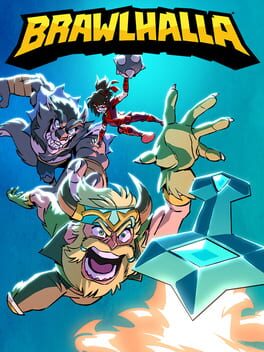
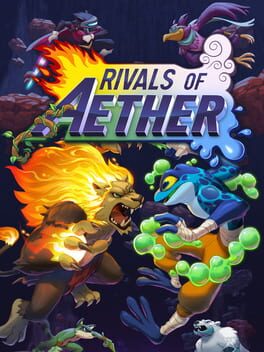
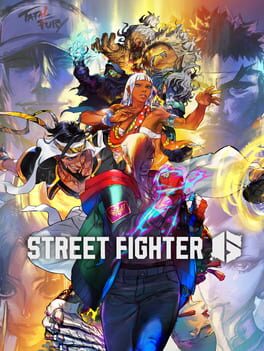
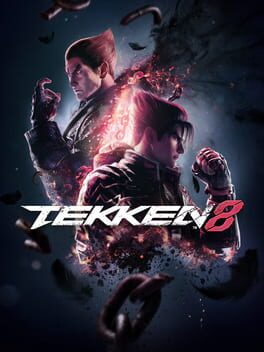
Games that share the same chaotic competitive energy or the platform-fighter format
The Universes Behind the Roster
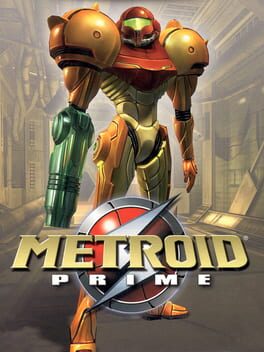
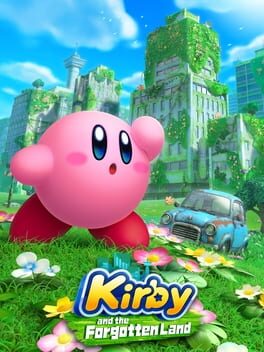
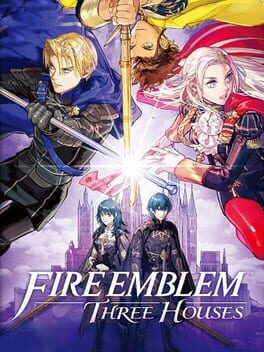
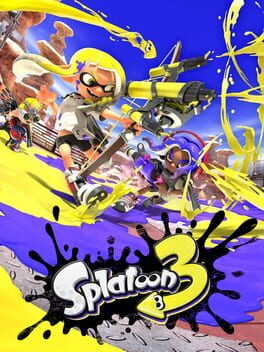
The flagship games that gave Smash its most iconic fighters, each worth playing on their own
Melee Never Stopped Mattering
Super Smash Bros. Melee (2001) was supposed to be a launch title. Nintendo rushed it out in five months. By most development logic, it should have been a forgettable curio. Instead, its engine produced a movement system so fluid and expressive that competitive players built an entire technical vocabulary around it: L-canceling, wavedashing, edge-guarding. Two decades later, dedicated Melee tournaments still fill venues at EVO and beyond. No patch, no sequel, no update. The game just works, in ways its creators did not entirely plan, and the community never let it go.
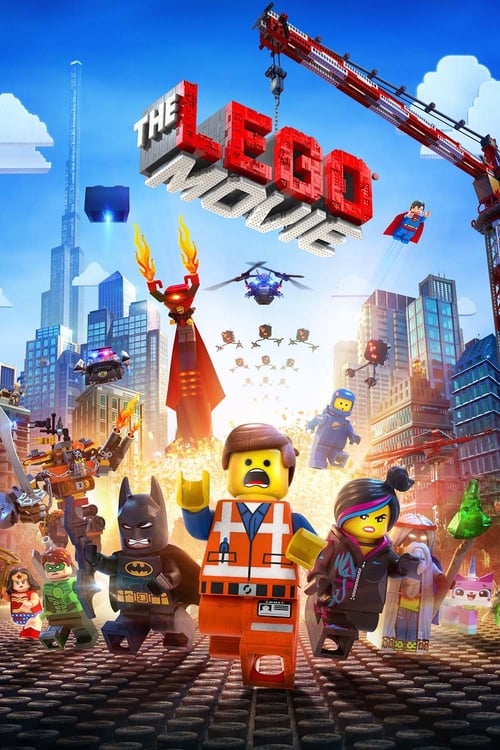
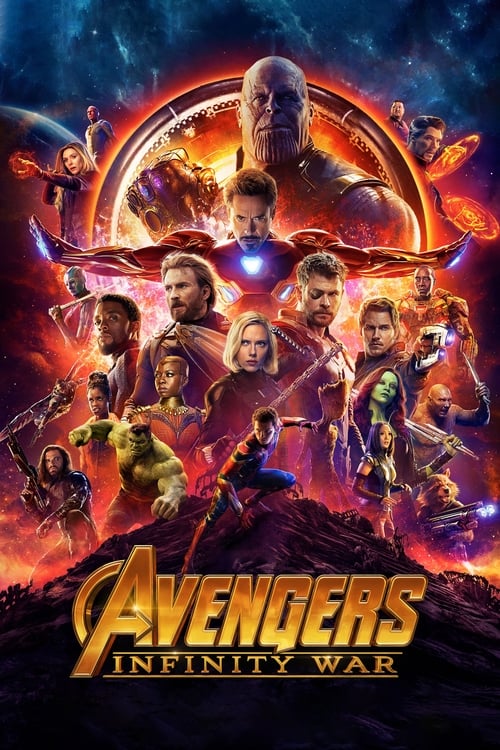
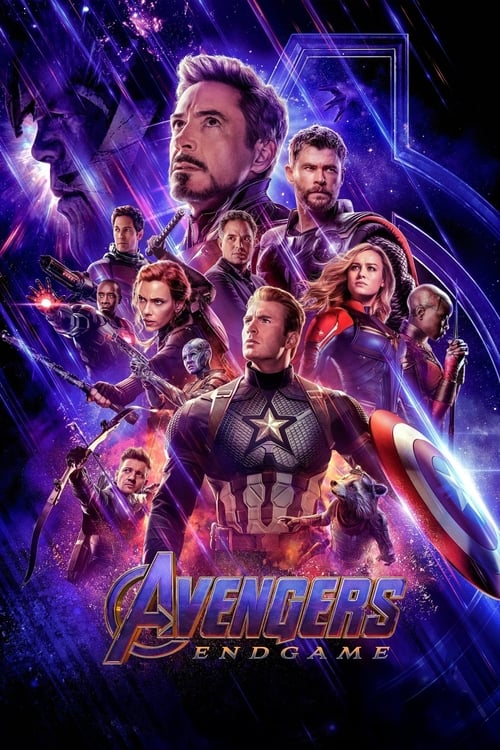
Films and Series with the Same Crossover Energy
Stories built on the collision of beloved icons, ensemble chaos, and the joy of fan service done right

Nintendo on Screen: Adaptations and Animated Worlds
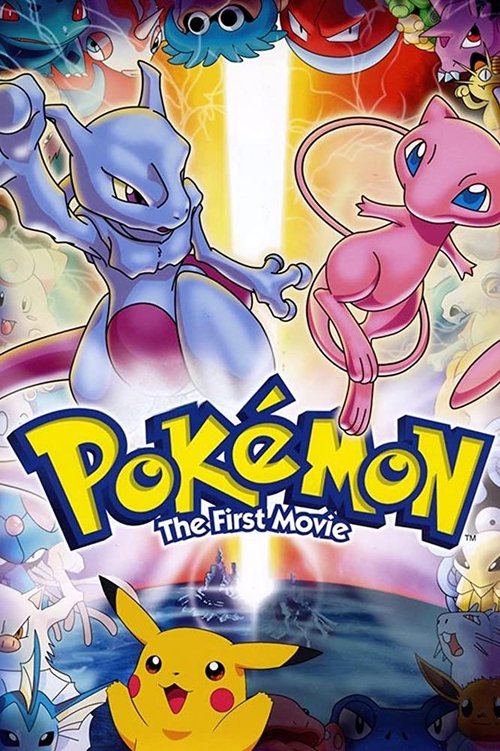
Animated series and films that brought Nintendo's characters to life beyond the games
The Guest Characters Changed Everything
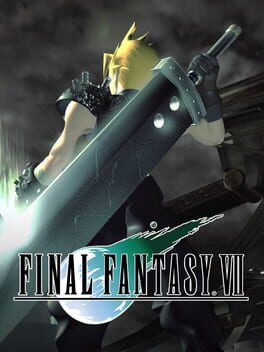
When Solid Snake appeared in Super Smash Bros. Brawl, it felt like a genuine surprise: a gruff, tactical stealth operative sharing a roster with cartoon plumbers and pink blobs. Then Sonic arrived. Then Cloud Strife, Bayonetta, Joker from Persona 5, Steve from Minecraft. Each reveal became a cultural event, a moment where the Smash series doubled as a statement about gaming history. The guest characters are not just marketing. They are arguments about which games matter, which characters have transcended their medium, and which franchises belong in the conversation about what gaming is.


Competitive Play Made It Infinite
For years, Nintendo barely acknowledged that Super Smash Bros. had a competitive scene. The EVO moment in 2013, when the Smash Melee community crowdfunded their way onto the main stage over Nintendo's initial resistance, became one of esports' founding stories. The tension between a family party game and a precision competitive discipline is built into Smash's DNA. The same game that works at Christmas dinner also supports frame-perfect technical play at professional tournaments. That range is almost unheard of in game design.
The Smash Era
- 1999Super Smash Bros. launches on N64, 12 characters, instant cult hit Super Smash Bros. (1999)
- 2001Melee arrives on GameCube with technical depth that spawns a competitive scene Super Smash Bros. Melee
- 2008Brawl brings Sonic, Solid Snake, and a cinematic Adventure Mode to Wii Super Smash Bros. Brawl
- 2013Melee community crowdfunds their spot at EVO, reshaping esports history
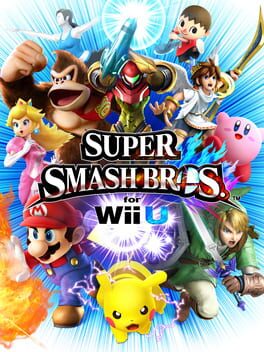
- 2014Smash 4 launches on 3DS and Wii U; Bayonetta and Cloud later rock the roster Super Smash Bros. for Wii U
- 2018Ultimate releases with every fighter ever in the series: 80+ characters, record sales Super Smash Bros. Ultimate
- 2021The Fighter Pass concludes with Sora from Kingdom Hearts, ending years of DLC reveals
Crossover icons and rivalry
For Fans of Super Mario
Explore the For Fans of Super Mario guide →Super Smash Bros. is the only game where a plumber, a space bounty hunter, and a Pokemon trainer can share a stage and none of it feels wrong.CrossBinge