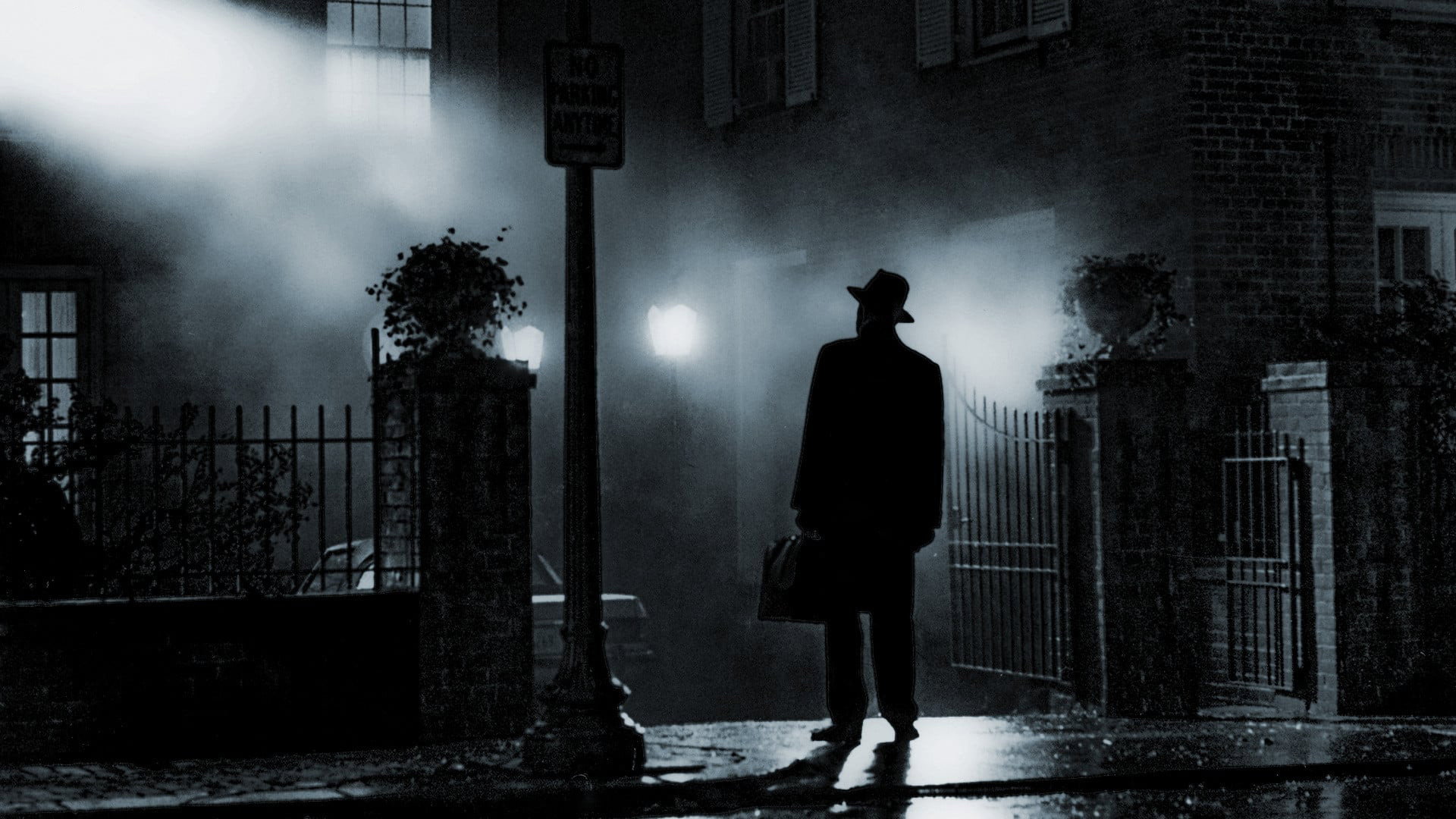

William Friedkin's 1973 adaptation of William Peter Blatty's novel is not simply a scary movie. It is a film about faith tested to its absolute limit, a mother's helpless love, and the terror of losing a child to something beyond any rational explanation. What fans chase is not just the shock of it but the weight: the Catholic theology worn into every frame, the clinical procedural dread of the first act, the way Father Karras's crisis of belief mirrors the audience's own disorientation. The Exorcist earns its horror because it earns its characters first.
Essential The Exorcist
The film itself and its direct legacy
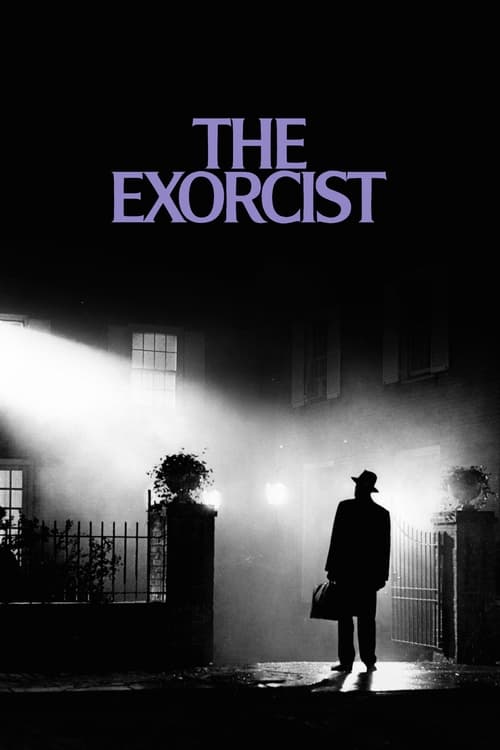
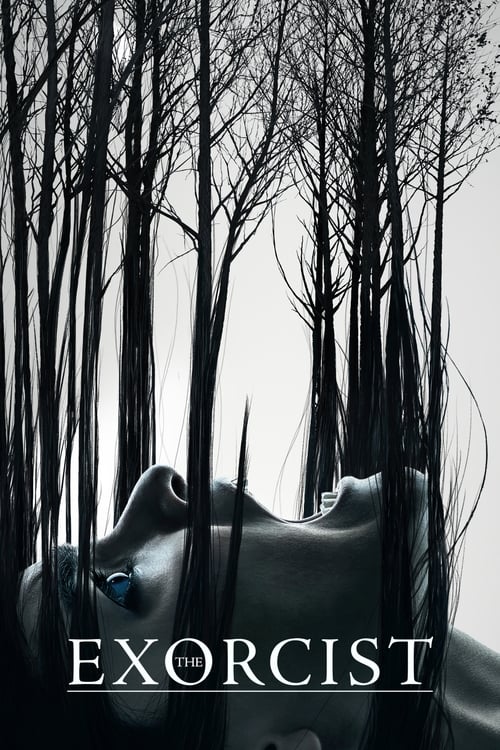
Possession, Faith, and Dread: Films in the Same Vein
Supernatural horror that takes evil seriously
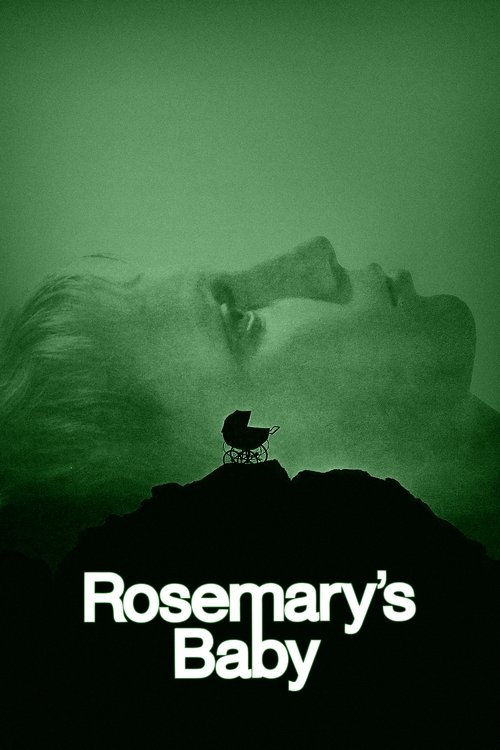
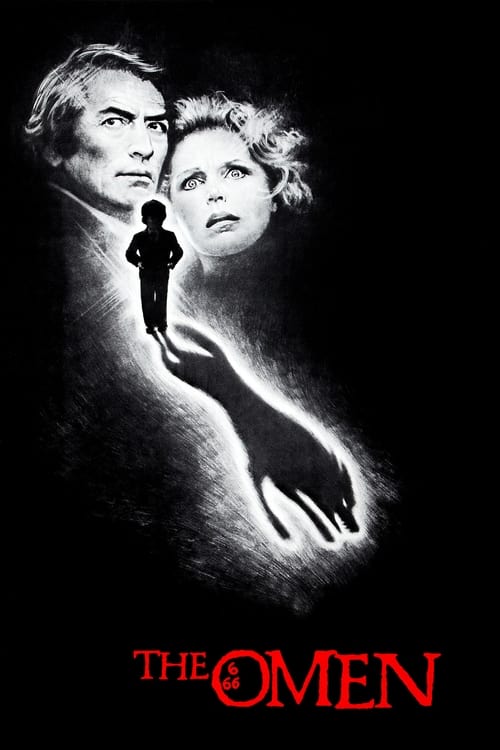
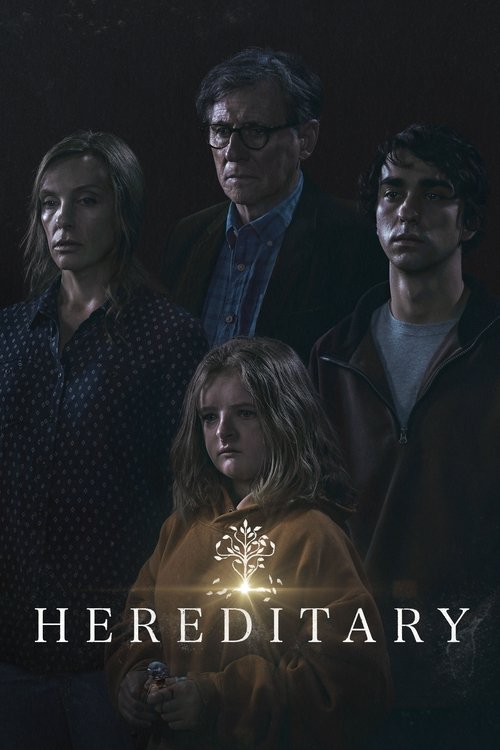
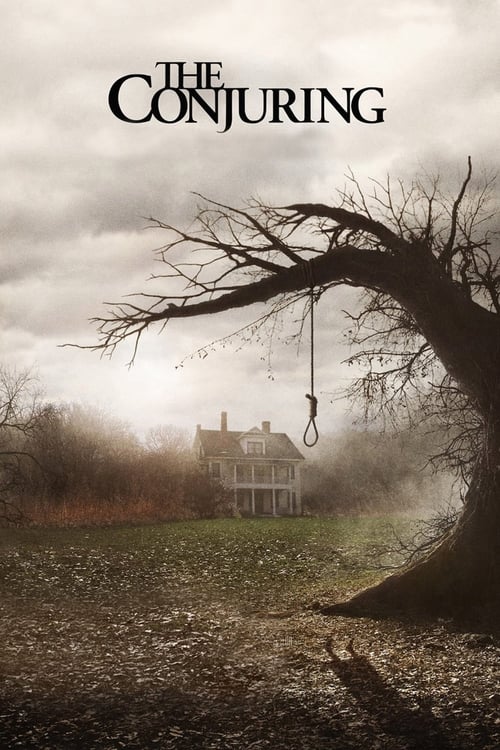

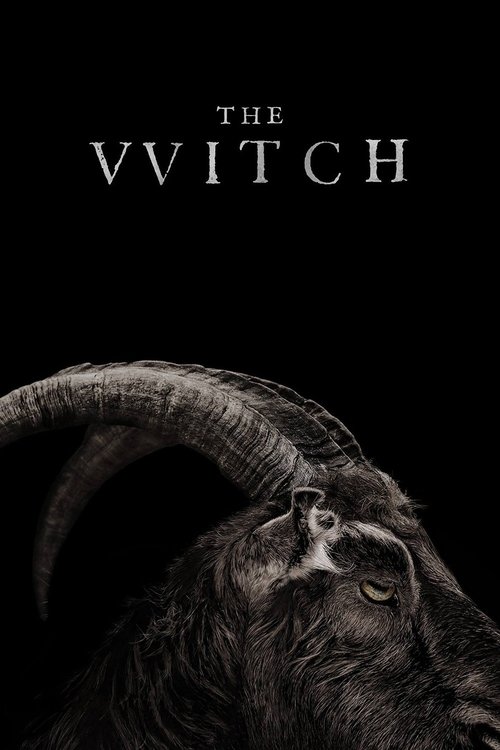
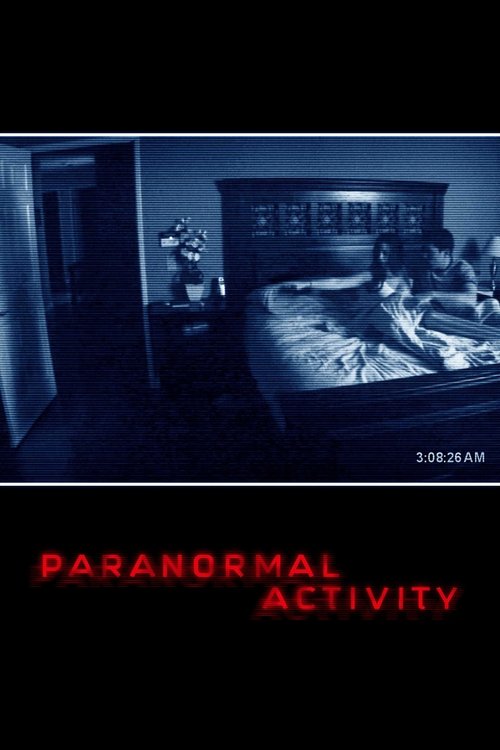
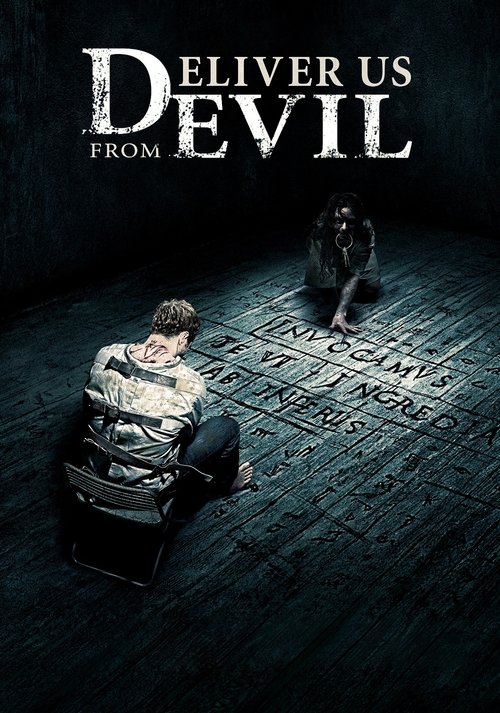
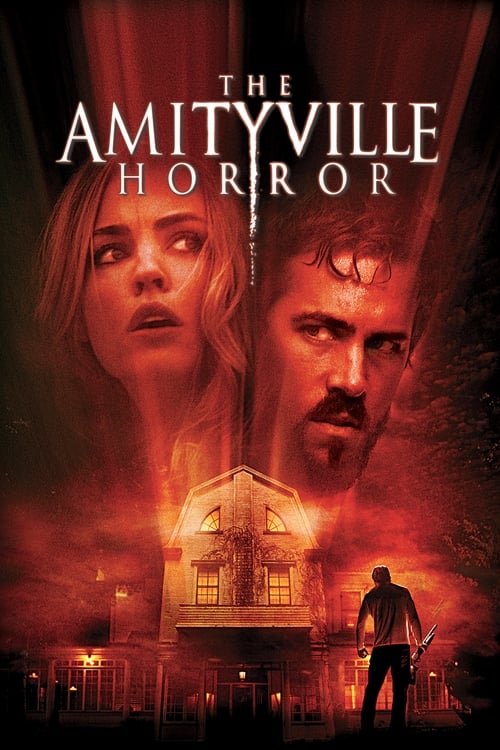
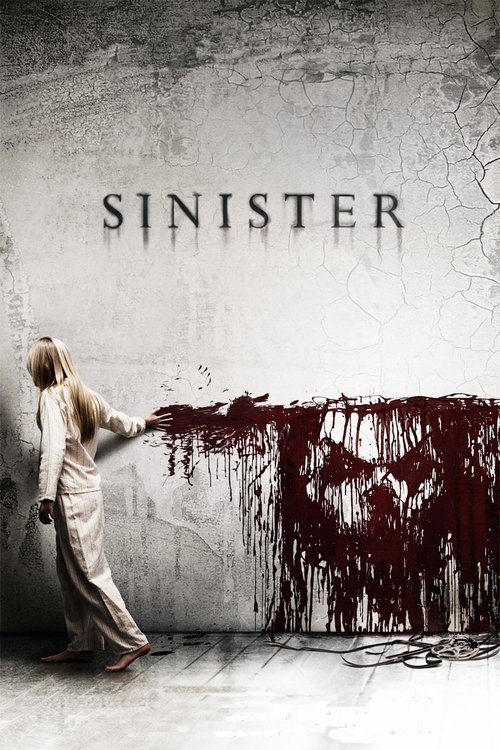
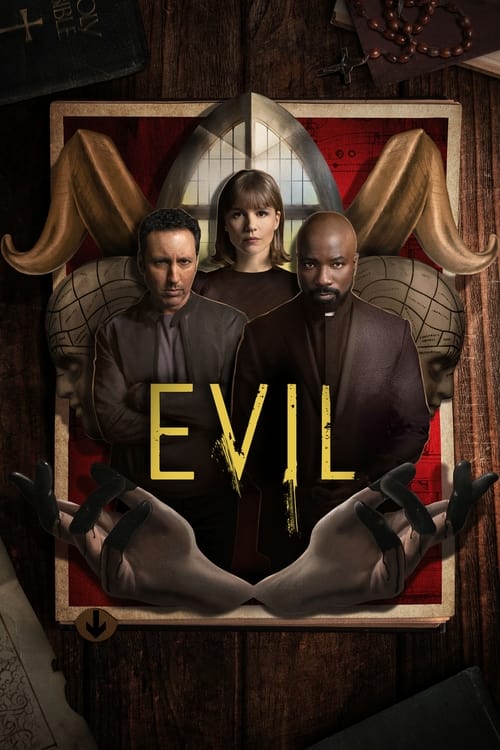
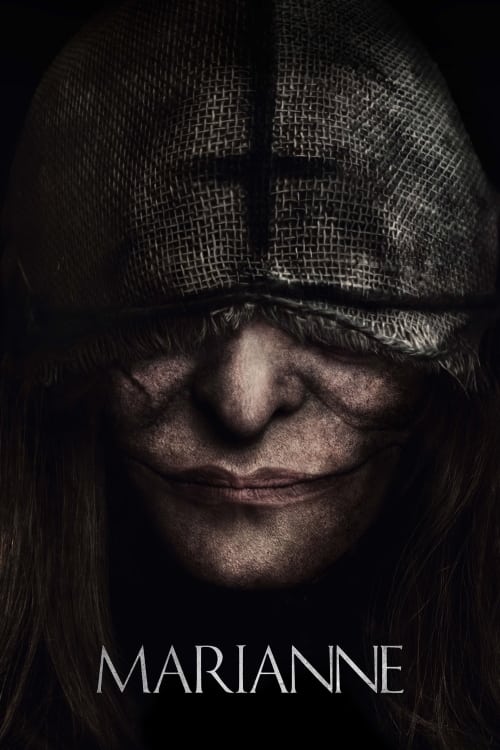
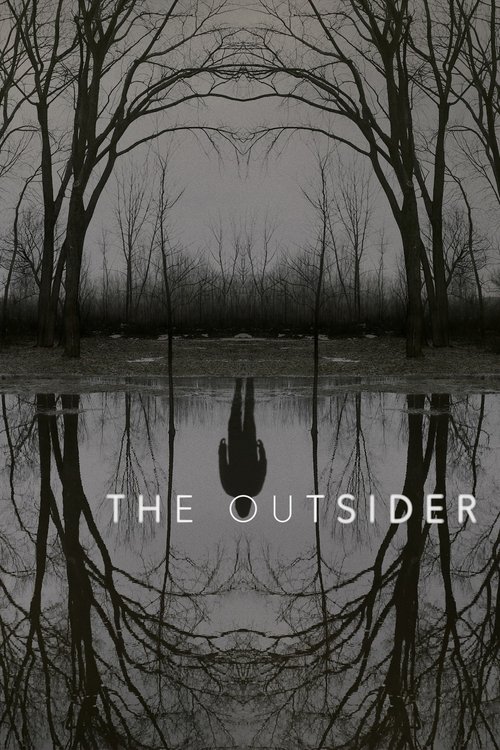
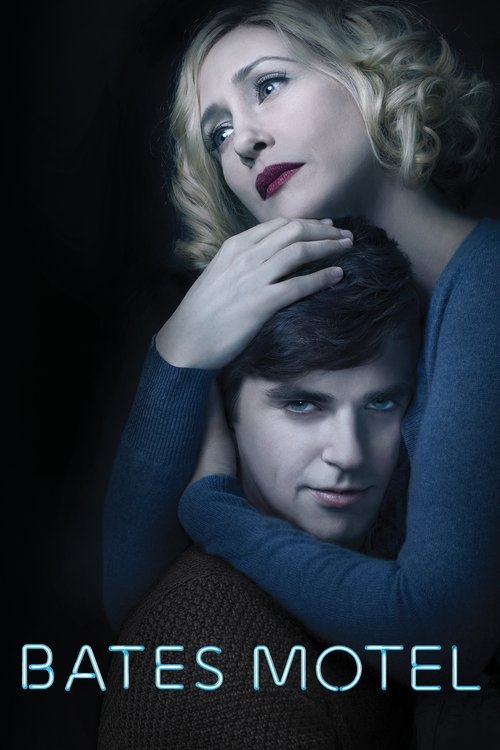
Horror Series That Hold the Dread
Television horror that takes its time and its theology

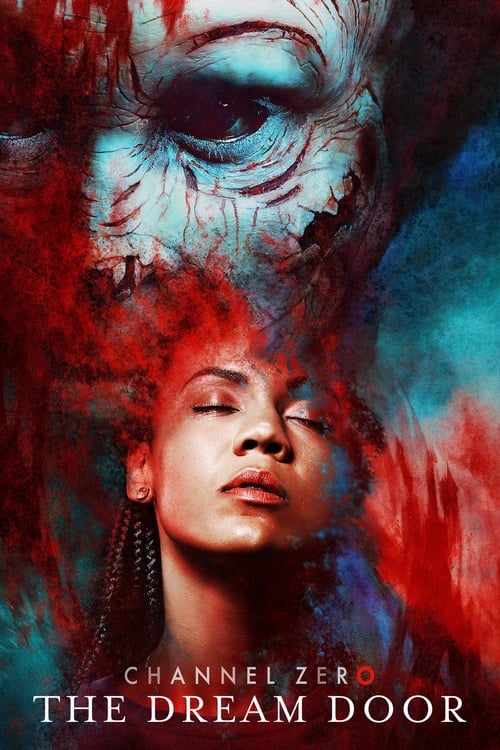
The Novels That Live in the Same Dark
Books built on the same dread: faith, evil, and the body as battleground


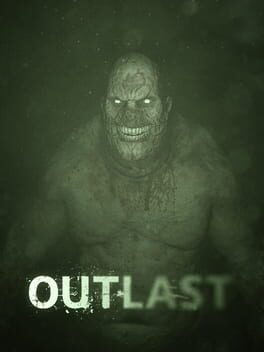
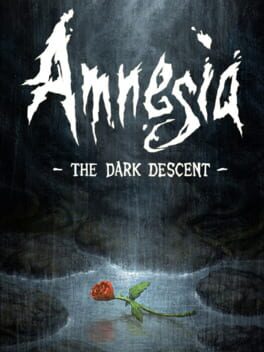
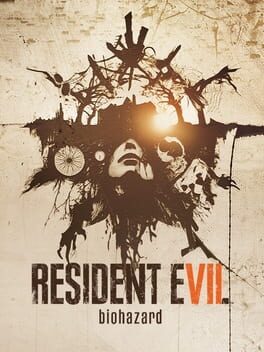
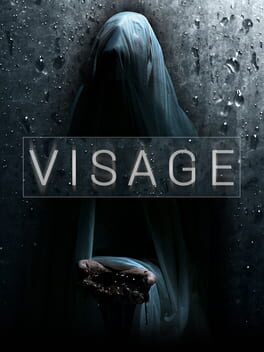
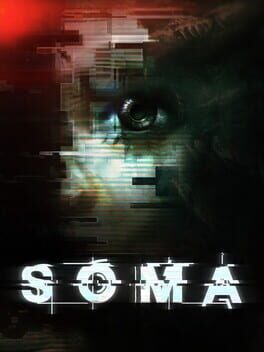
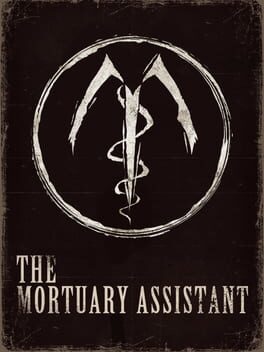
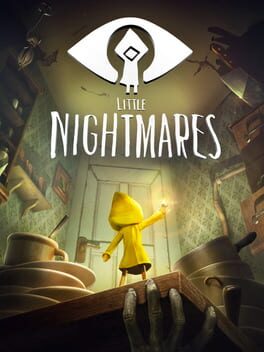
Games That Reach Into Real Fear
Horror games that understand atmosphere over cheap scares

The Score and the Silence: Music That Unsettles
Soundtracks and albums that use quiet as a weapon
Friedkin Understood That Faith Makes Horror Possible
The Exorcist works because it is not skeptical about the supernatural. Friedkin and Blatty insist that demons are real, that the Church's rites mean something, that faith is a genuine power in the universe. That commitment is what separates it from most horror: you cannot feel true terror at a possession unless the film believes in the thing doing the possessing. The moment you sense a director winking, the fear drains away.
Rosemary's Baby Is Its Closest Ancestor
Both films locate supernatural evil inside domestic life, inside a loving family environment, and both use a woman's body as the site of invasion and violation. Roman Polanski's 1968 film built the template that Friedkin inherited: slow procedural dread, clinical detail, a protagonist surrounded by people who cannot see what she sees. If you love one, the other is essential.
Hereditary Is the Closest Modern Heir
Ari Aster's 2018 debut does something Friedkin would recognize: it earns its supernatural horror through exhausting, specific family grief first. The occult mechanics are secondary to a mother who cannot escape what has been done to her bloodline. The horror is that the worst thing that could happen to a family is exactly what happens, and something ancient is behind it all.
Mike Flanagan's Series Work Inherits the Soul, Not the Shock
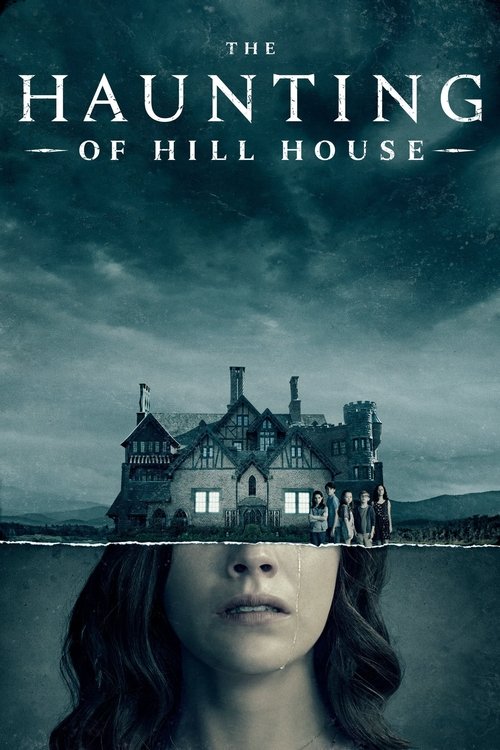
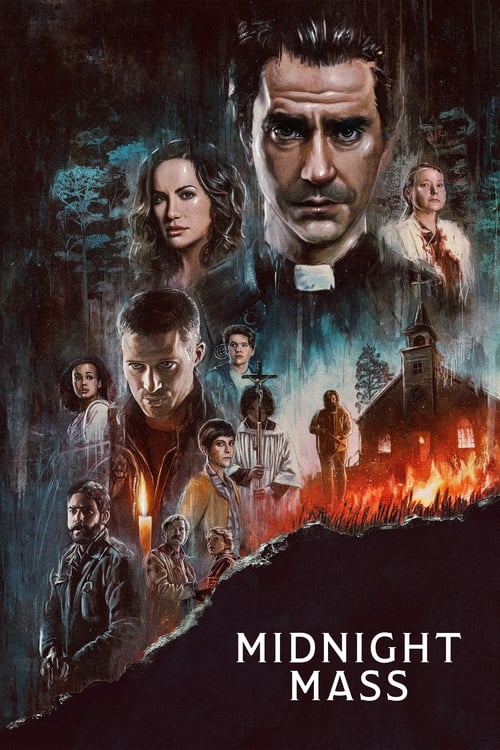
The Haunting of Hill House and Midnight Mass both ask the same question The Exorcist asks: what does a person do when the supernatural meets their deepest grief or deepest faith? Flanagan is not interested in jump scares for their own sake. He is interested in what horror reveals about longing, addiction, family, and death. That ambition places him in direct lineage from Blatty and Friedkin.
The Exorcist and Its Legacy
- 1971William Peter Blatty publishes the source novel, based loosely on a 1949 reported exorcism case in Maryland
- 1973Friedkin's film opens in December and becomes one of the highest-grossing films of its era, nominated for ten Academy Awards The Exorcist
- 1983Blatty's sequel novel Legion expands the story of Lt. Kinderman The legion
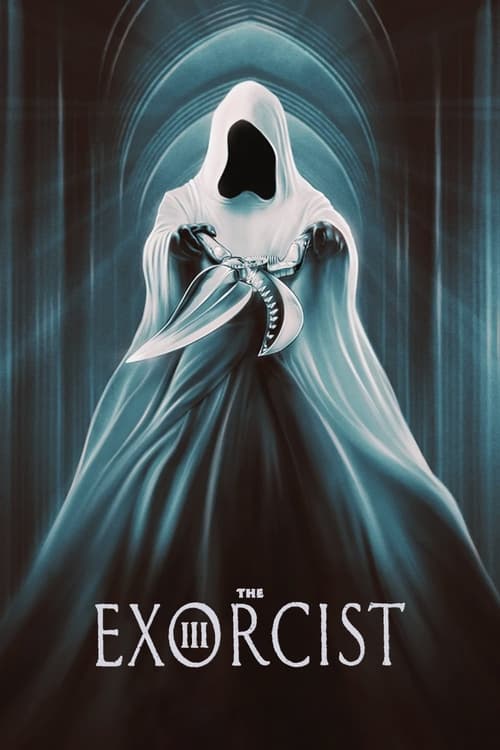
- 1990Blatty directs The Exorcist III himself from the Legion novel, considered the only worthy sequel The Exorcist III
- 2010Paranormal Activity had already reshaped found-footage possession horror; The Conjuring universe launches in 2013 Paranormal Activity
- 2016Fox's TV series continues the MacNeil mythology as a prestige horror drama The Exorcist
- 2018Hereditary resets expectations for modern elevated horror with possession at its center Hereditary
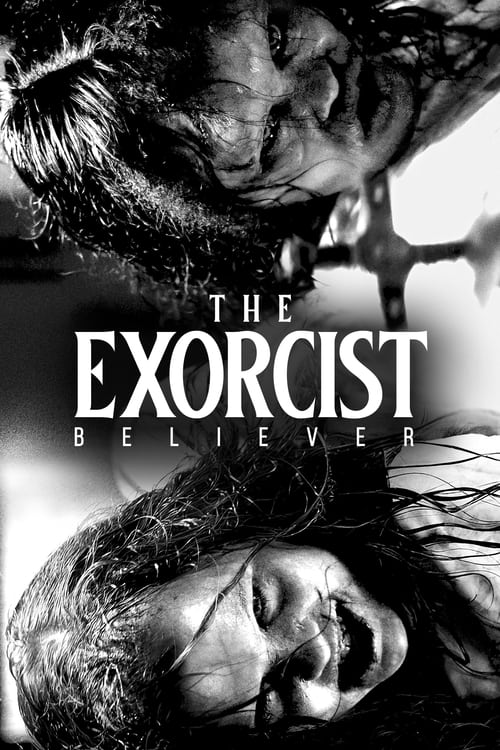
- 2023The Exorcist: Believer attempts a direct continuation with original cast The Exorcist: Believer
Possession, demons, and dread
Possession & Exorcism
Explore the Possession & Exorcism guide →What an excellent day for an exorcism.Regan MacNeil, The Exorcist (1973)