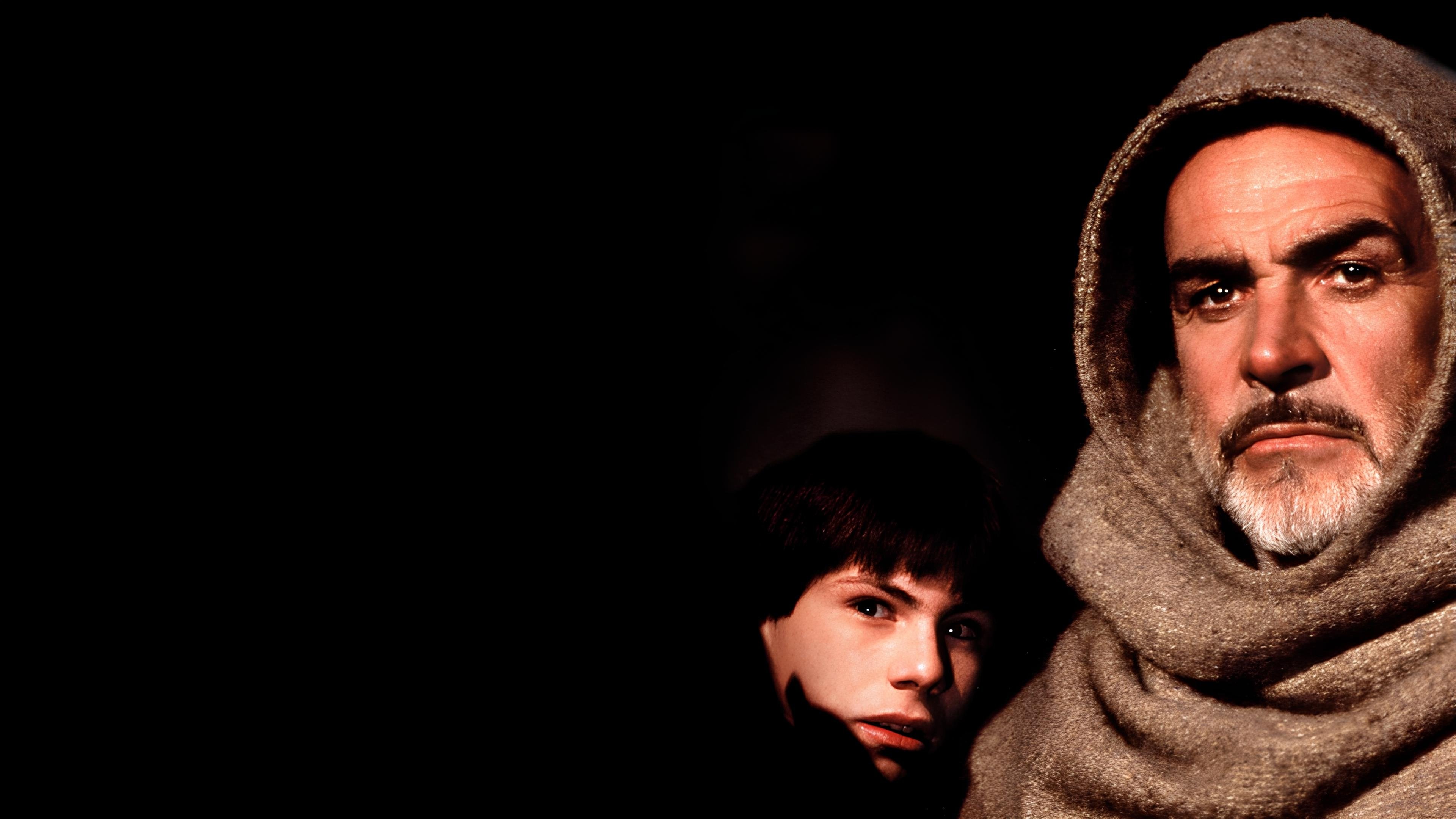

The Renaissance fan chases a very specific feeling: the vertigo of a world rewriting its own rules. Florence in 1490. Rome under Julius II. Venice at the height of its mercantile empire. What hooks you is not just the art on the walls but the atmosphere behind it, the sense that patrons, painters, poets, merchants, and spies are all improvising the future in real time. Humanist philosophy presses against church doctrine. Classical antiquity is excavated and weaponized. Beauty and brutality share the same banquet table. Whether you come for Leonardo's notebooks, Machiavelli's cold calculations, or the sheer visual excess of the Sistine ceiling, the through-line is the same: people who believed, for one brief and dangerous century, that human genius could remake the world.
Essential Renaissance Cinema
Films set in or shaped by the period, from intimate biography to grand spectacle
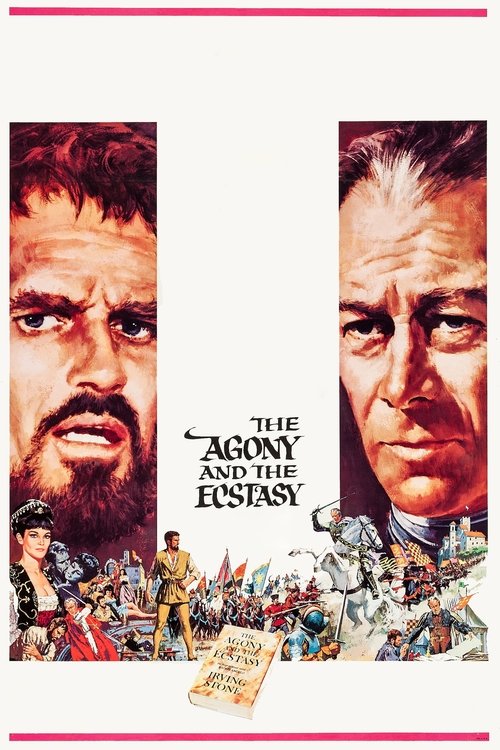
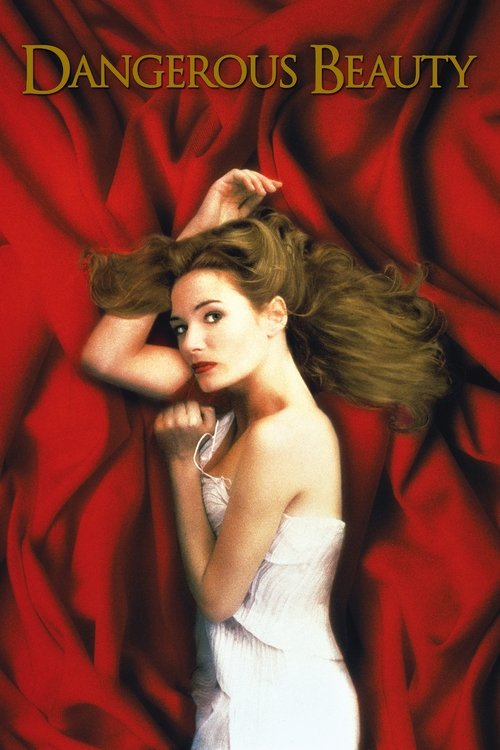
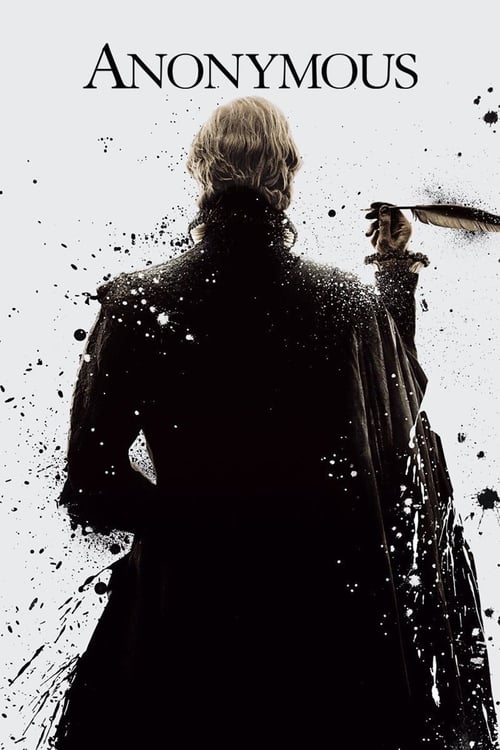
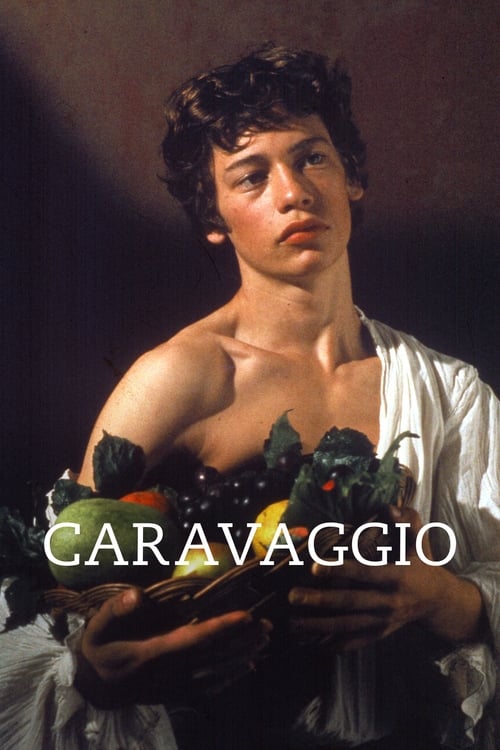
Courts and Conspiracies on Screen
TV series that capture the political intrigue, family ambition, and moral complexity of the era
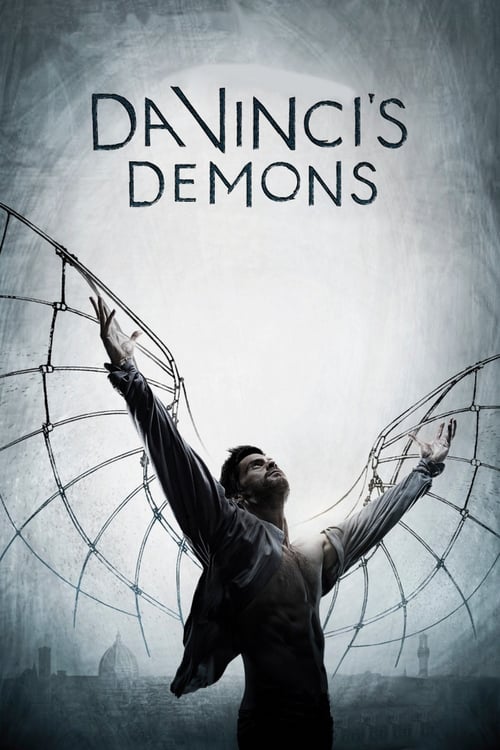
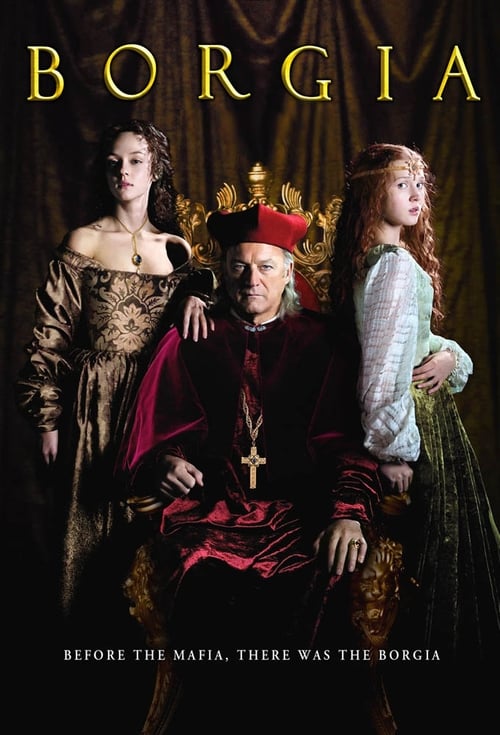

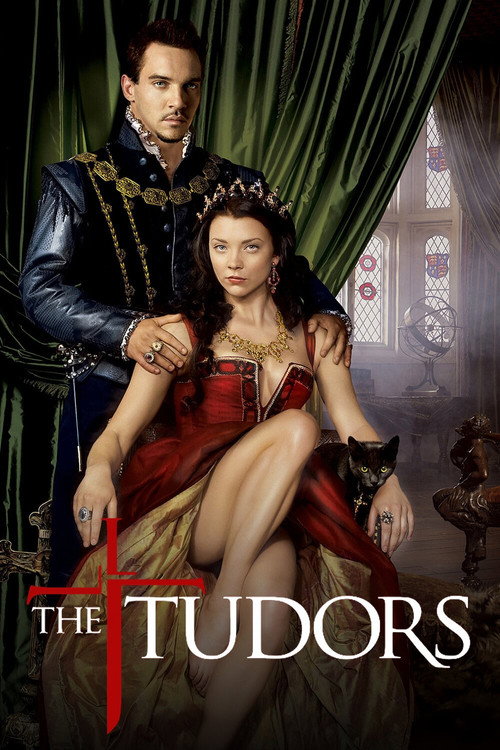
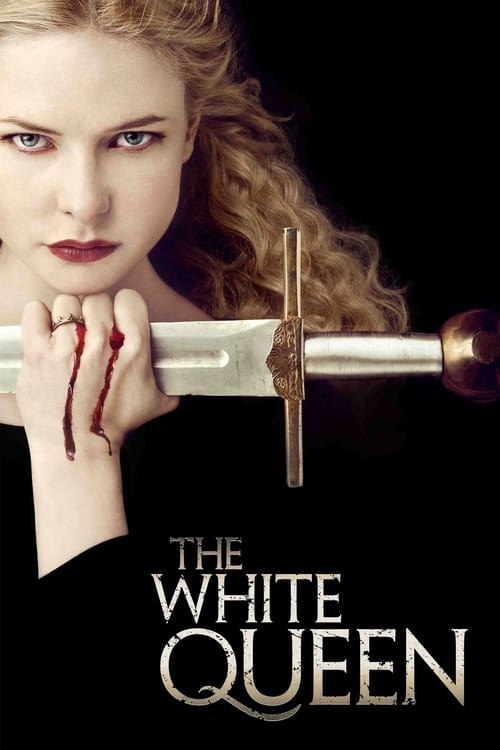
Renaissance Novels: Power, Belief, and Beauty
Fiction and non-fiction that put you inside the workshops, courts, and conspiracies of the period


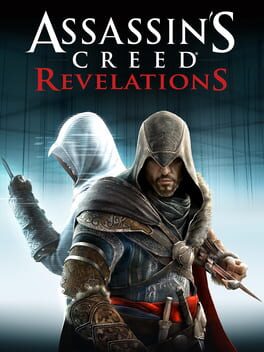
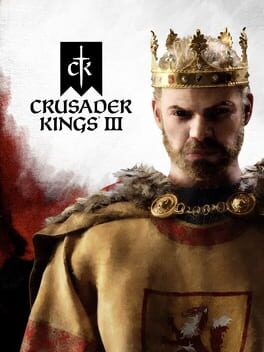
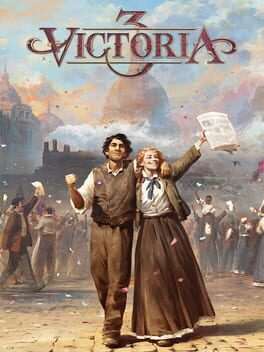
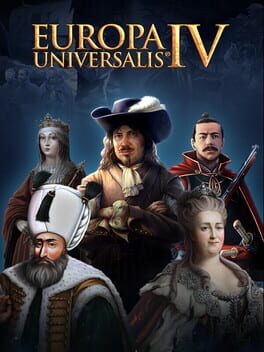
Games That Capture the Era
From open-world historical sandboxes to intrigue-driven strategy
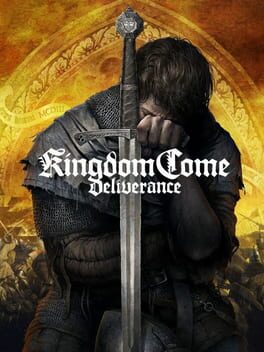
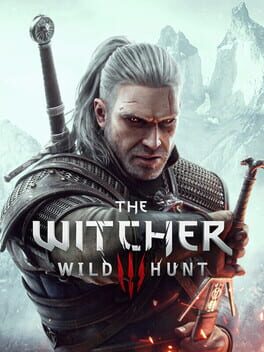
Machiavelli Was Not the Villain
The Prince gets quoted by every would-be strongman, but Machiavelli was a republican diplomat who wrote a bitter, ironic handbook for a prince he despised. Reading him in context, alongside his Discourses and his comedies, reveals a thinker who genuinely loved the Florentine republic and mourned its loss. The coldness in the prose is the coldness of a man who had been tortured and exiled. The works below orbit that same tension: how does a principled person operate inside a corrupt system?
The Artist as Scientist, the Scientist as Artist
What makes Leonardo da Vinci singular is not the paintings alone but the refusal to separate disciplines. He designed war machines, mapped river systems, studied the flight of birds, and painted the most reproduced smile in history. The Renaissance ideal of the uomo universale (the universal human) was not a marketing slogan but a genuine intellectual program. The works below share that restless, cross-domain ambition: stories about people who insist that art and science are asking the same questions.
Florence as a State of Mind
The Medici did not invent banking, philosophy, or art. They funded it, shaped it, and made Florence the city where all three converged. The Palazzo Vecchio, the Uffizi (then a government office), the Platonic Academy: these were infrastructure for ambition as much as beauty. Stories set in Florence during the Medici ascendancy feel like watching a startup city-state discover its own leverage. The best of them capture the granularity: who owes whom money, whose cousin controls which guild, which cardinal can be quietly pressured.
When Faith and Reason Collided
The Renaissance did not kill religion. It made religion more anxious, more complicated, and more interesting. The same decades that produced Botticelli's Primavera also produced Savonarola's bonfire. The Inquisition and the Platonic Academy coexisted in the same city. The works below hold that friction without resolving it: stories where the old certainties are cracking and nobody quite knows what comes next.
Five Centuries of Renaissance Fascination
- 1513Machiavelli writes The Prince in exile after the fall of the Florentine republic The Prince
- 1607Monteverdi's L'Orfeo premieres in Mantua, establishing opera as a new art form
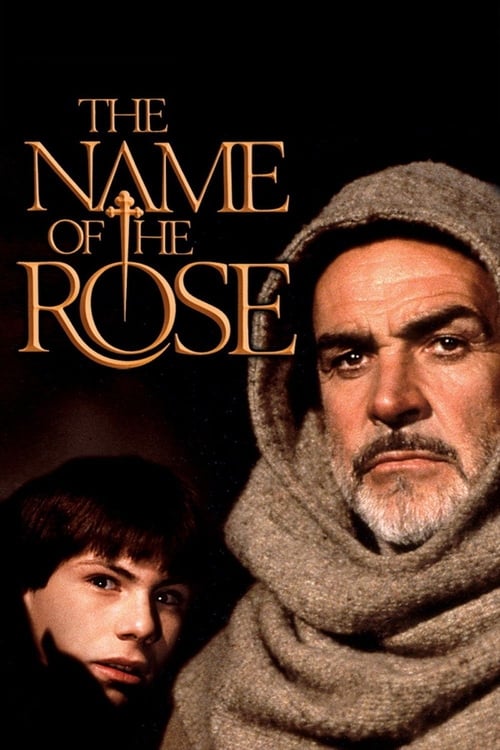
- 1980Umberto Eco publishes The Name of the Rose, a murder mystery inside a medieval monastery that becomes a global phenomenon
- 1986Jean-Jacques Annaud adapts Eco's novel for the screen with Sean Connery as Brother William The Name of the Rose
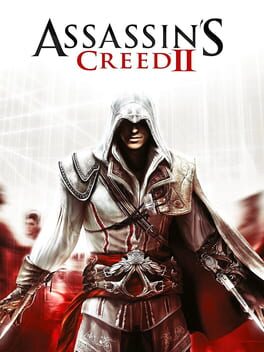
- 2009Assassin's Creed II drops players into Ezio's Florence and Venice at the height of Medici power Assassin's Creed II
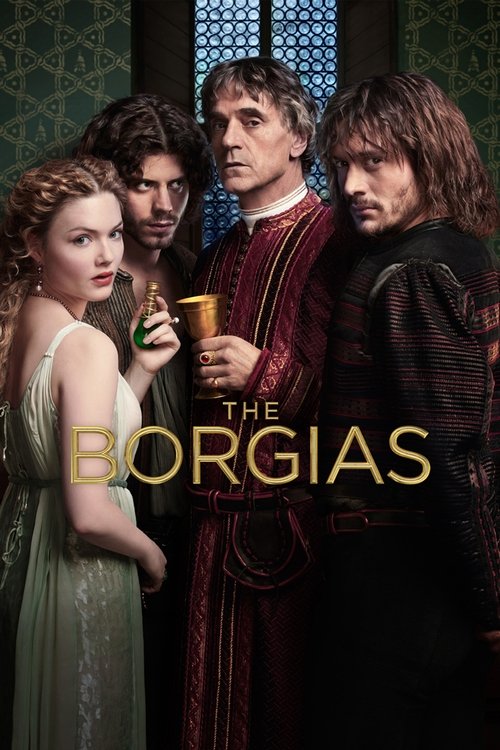
- 2011Showtime's The Borgias brings papal Rome to prestige TV with Jeremy Irons as Rodrigo Borgia The Borgias
- 2016Netflix's Medici series dramatizes the rise of Cosimo and Lorenzo de' Medici across three seasons Medic
More art, intrigue, and history
The Tudors & Renaissance
Explore the The Tudors & Renaissance guide →The Renaissance did not happen to art. Art is how the Renaissance happened.CrossBinge editors