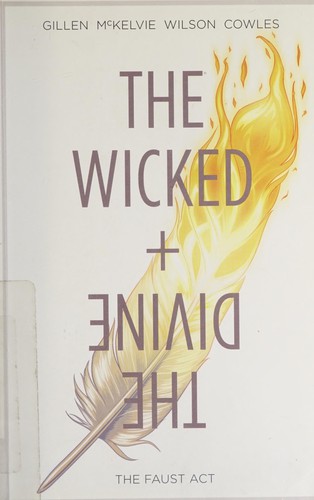

Every ninety years, twelve gods are reincarnated into young human bodies. They become the most magnetic people alive. They are worshipped. They are despised. Within two years, they are dead. Kieron Gillen and Jamie McKelvie's The Wicked and The Divine (Image Comics, 2014-2019) built its mythology around that brutal contract: glory and obliteration, indivisible. Across 45 issues the series worked as music criticism, as queer coming-of-age, as a sustained argument about what it costs to be consumed by devotion, whether you are the god or the fan. What the Pantheon gives you is real. It is also a trap. Fans of WicDiv are typically chasing that precise charge: gorgeous, devastating, smart about fandom itself, and willing to burn its own cast to make a point.
Essential Wicked + Divine
The collected volumes, in order, plus the key Gillen/McKelvie collaboration that preceded it


Gods Among Us: Comics That Mythologize the Present
Comics and graphic novels that fold ancient power into contemporary life with the same density of ideas


Pop Mythology on Screen
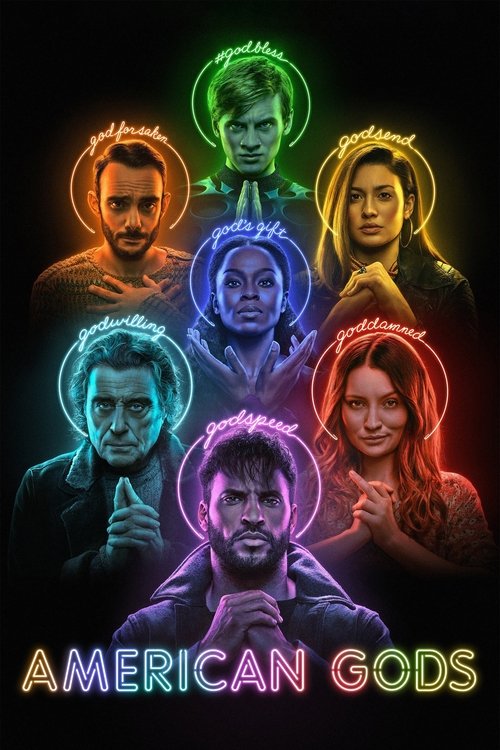
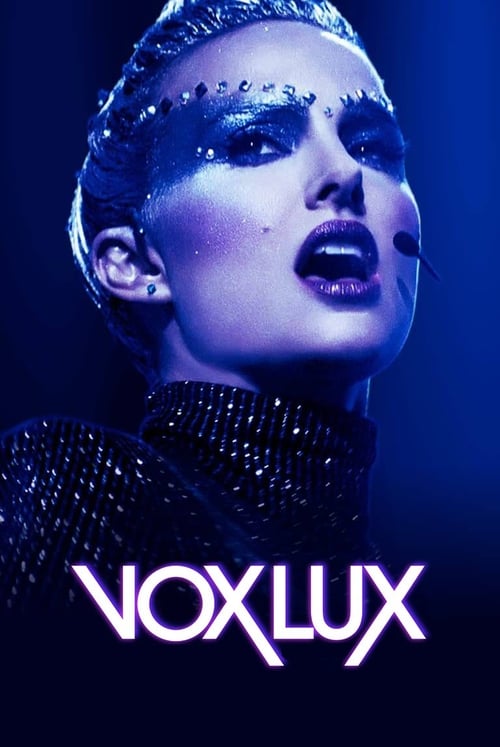
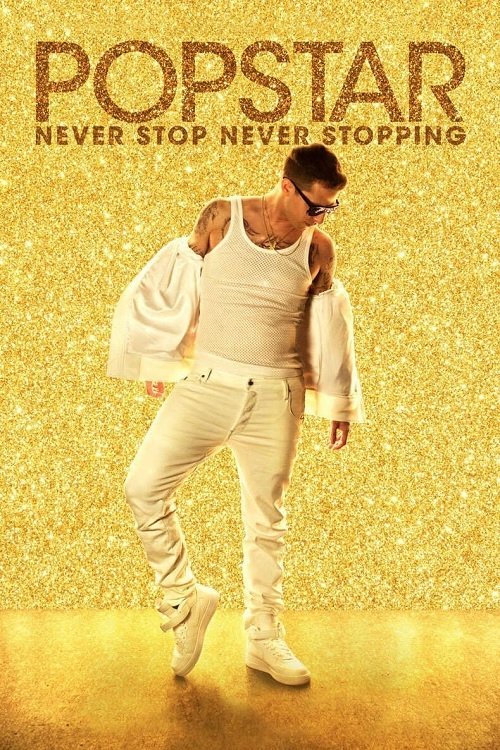
Films and series that treat celebrity, fandom, and the divine with the same dark glamour
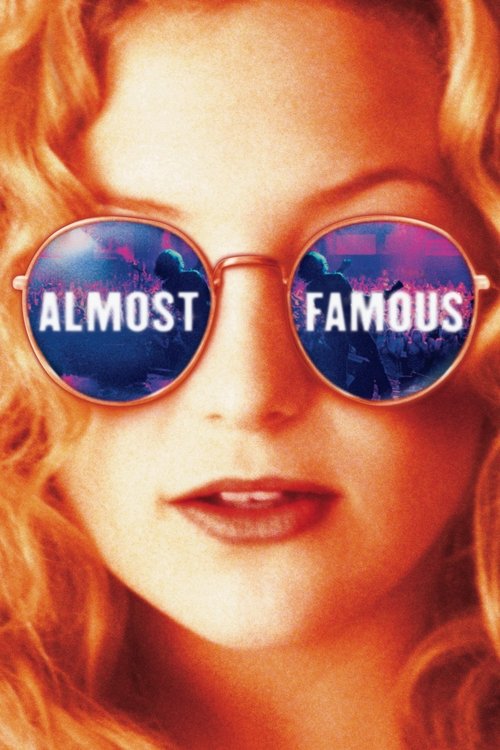
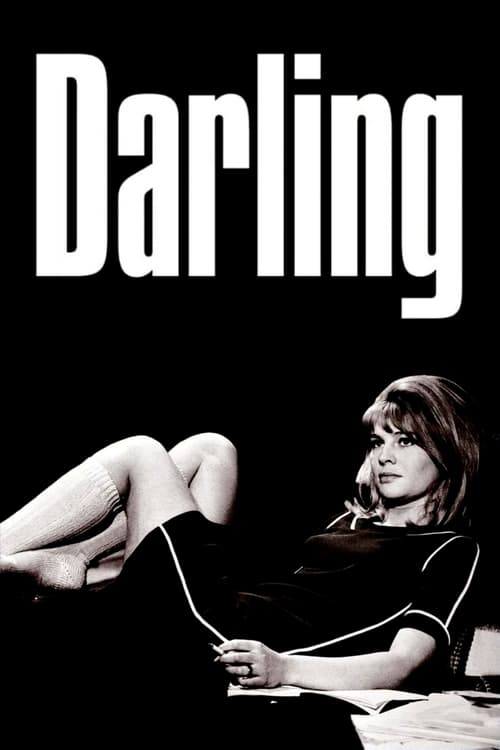
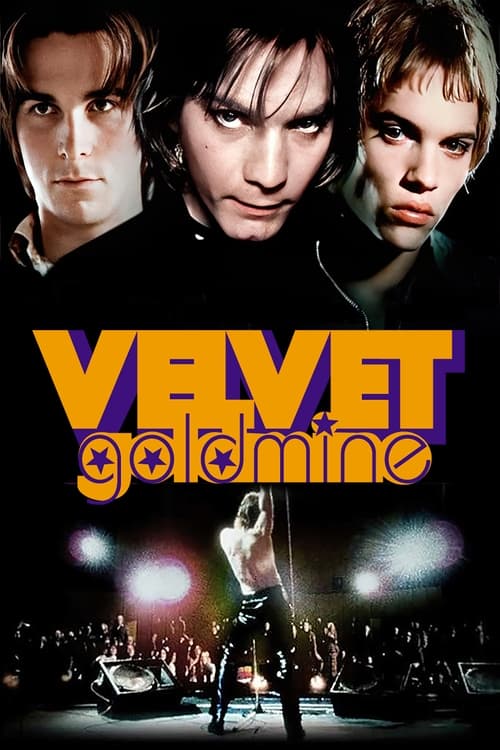
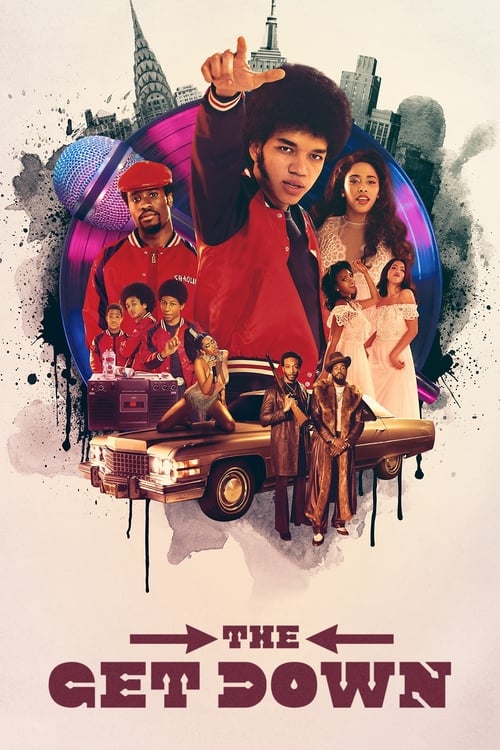
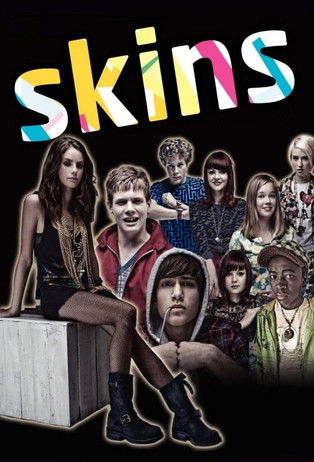

Beautiful and Doomed: Novels About Fame, Power, and the Price You Pay
Fiction that shares WicDiv's obsession with what devotion costs the devoted and the object of devotion alike



Games Where Power Is a Bargain You Will Regret
Games that frame divine or supernatural ability as something that transforms and ultimately destroys the self
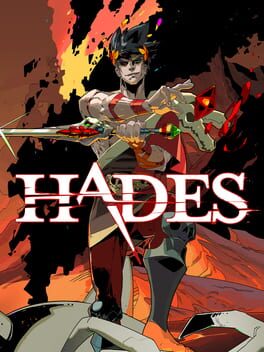
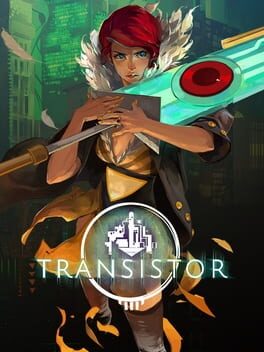
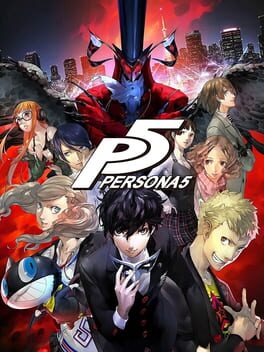
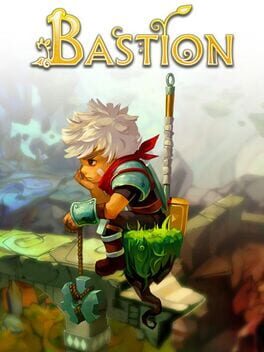
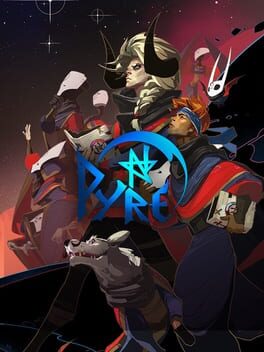
The Series Understands Fandom Better Than Most Academic Writing About Fandom
Laura Wilson starts as a fan. She wants proximity to something transcendent. WicDiv never mocks her for it. The series is unusually precise about why people devote themselves to artists who do not know they exist: not because fans are deluded, but because the feeling those artists produce is genuinely singular and irreplaceable. Where the series is ruthless is toward the systems that exploit that hunger. The gods are products as much as they are people. Their managers know this. The fans suspect it. The gods themselves are the last to accept it.
Hades Gets the Greek Gods Right for the Same Reason WicDiv Does
Supergiant's Hades and WicDiv are not formally related, but they solve the same problem. How do you make mythology feel urgent rather than musty? Both answers are roughly identical: give the gods bad days, complicated family dynamics, aesthetic signatures that feel contemporary, and mortality in some form. The gods of WicDiv die young by contract; Zagreus dies and restarts. The tragedy is structural in both cases, baked into the premise so the player or reader cannot escape it. That structural grief is what separates them from mere retellings.
Sandman Is the Ancestor, But WicDiv Argues With It
Neil Gaiman's Sandman established that comics could do ambitious mythological fiction with literary ambition. WicDiv inherits that permission and quietly pushes back. Where Sandman venerates mystery and allows its divine figures a certain untouchable remove, WicDiv insists the gods are teenagers from Brixton and Sunderland who cannot fully process what has happened to them. The grandeur is real; so is the acne. That specific combination, awe and awkwardness sharing the same panel, is the thing that most direct Sandman successors fail to replicate.
The Pantheon Cycle
- 2014The Faust Act begins: Laura meets Lucifer at the O2, a judge loses his head, and the Recurrence has already started badly The Wicked + The Divine, Vol. 1
- 2015Fandemonium: the Pantheon expands, the mystery deepens, and the fan becomes something more complicated
- 2015Commercial Suicide: nine single-character spotlight issues, each drawn by a different artist, that reframe everything seen so far The Wicked + The Divine, Vol. 3
- 2016Rising Action: the conspiracy sharpens; the power within the Pantheon begins to curdle from the inside The Wicked + The Divine, Vol. 4
- 2017Imperial Phase I and II: what happens when a god decides the rules do not apply to them, even the rules about dying
- 2019The series concludes across volumes 7 and 8: the contract is paid, the cycle closes, the cost is totalled
More gods, glamour, mythic stakes
Greek Mythology
Explore the Greek Mythology guide →Every ninety years, twelve gods return as young people. They are loved. They are hated. In two years, they are dead. It happened before. It will happen again. It is happening now.Opening caption, The Wicked and The Divine #1 (Kieron Gillen)