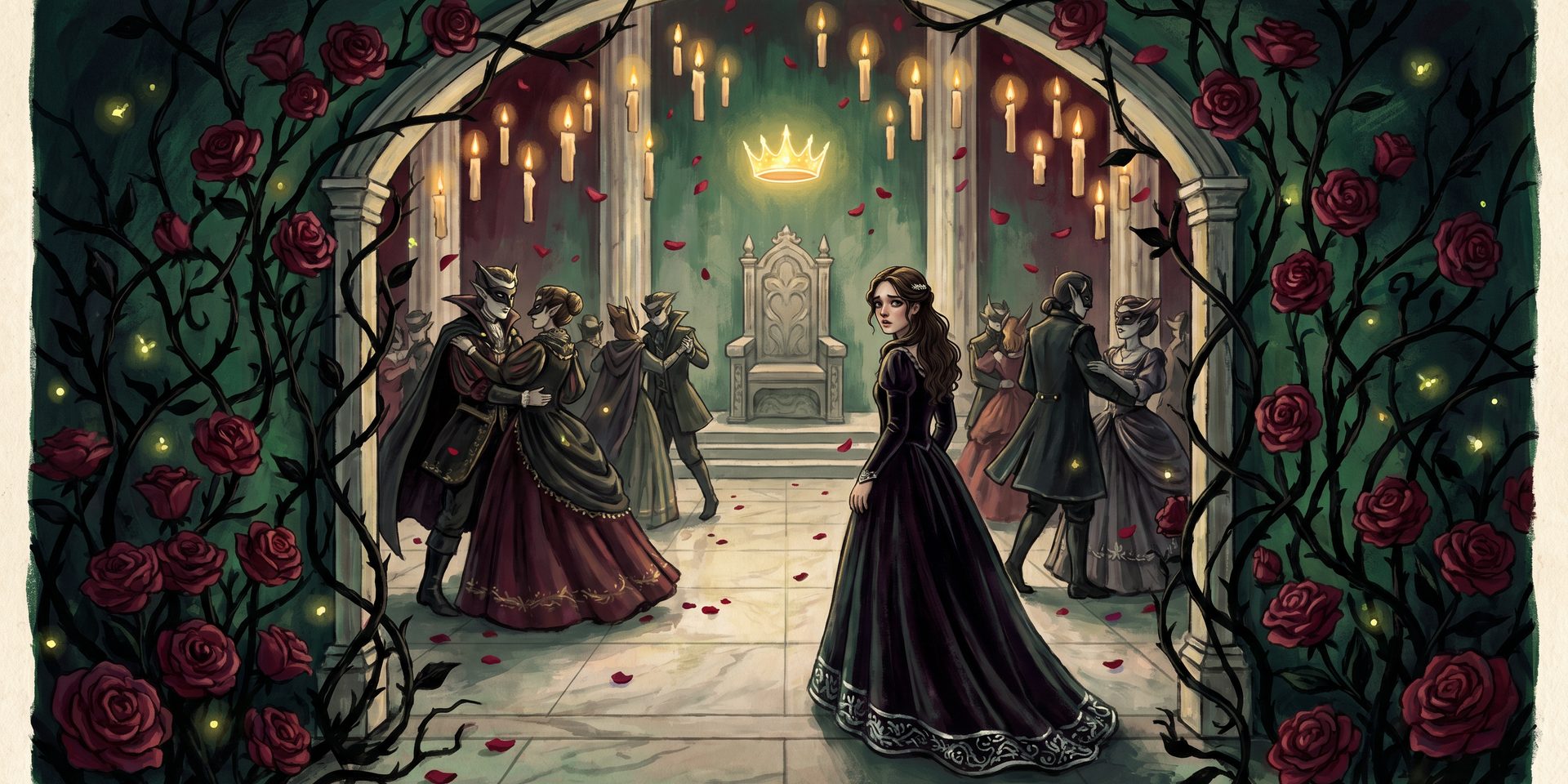

Romantasy is the publishing story of the decade, and it did not come from nowhere. The lineage runs straight from Twilight's vampire-in-biology-class through the Shadowhunter years to the fae courts of Sarah J. Maas and Holly Black, where the love interest is dangerous, the bargain is binding, and the kingdom's fate hangs on whether two people can stop lying to each other. The rule that separates it from fantasy-with-romance is simple: take out the love story and the plot collapses.
This guide maps the whole territory: the paranormal wave that built the audience, the court intrigue era, the crossover titles adults now buy in millions, and the fairy-tale retellings in between. Part of our complete YA fantasy and science fiction guide; note that several of the biggest titles here straddle the YA and adult shelves on purpose.
The essential romantasy
The courts, the bargains and the slow burns that earn it


From bitten to bargained: the romantasy arc
- 2005Twilight: the paranormal romance supernova Twilight
- 2007City of Bones opens the Shadowhunter decade City of Bones
- 2007Vampire Academy sharpens the formula's teeth Vampire Academy
- 2011Daughter of Smoke and Bone shows how literary the form can go Daughter of Smoke and Bone
- 2012Throne of Glass begins the Maas empire Throne of Glass
- 2015A Court of Thorns and Roses names the genre-to-be A Court of Thorns and Roses
- 2017Caraval turns the romance into a game Caraval
- 2018The Cruel Prince crowns the faerie-court era The Cruel Prince
- 2020From Blood and Ash leads the adult crossover From Blood and Ash
- 2023Divine Rivals brings the wartime letters and the tears Divine Rivals
The paranormal years
Before the courts there were the vampires. Twilight's success built an entire industrial base of paranormal romance, Shadowhunters, dhampir academies, fallen angels, faerie changelings, and trained a generation of readers to expect the supernatural boy and the mortal girl and the choice between worlds. The books aged unevenly, but the machinery they built, the fandoms, the ship wars, the midnight release lines, is the same machinery that powers romantasy today.
The paranormal wave
Vampires, Shadowhunters and fallen angels, 2005 to 2013


The court era and the new wave
Faerie politics, cursed bargains and the current charts


To the stars who listen, and the dreams that are answered.A Court of Mist and Fury
The romance on screen
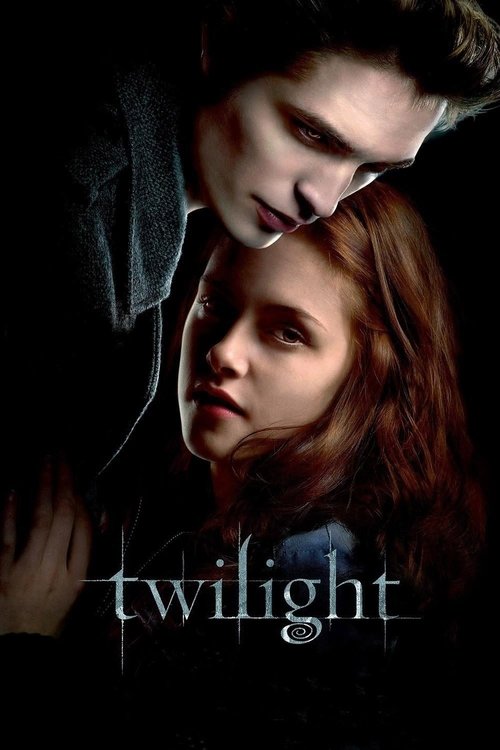
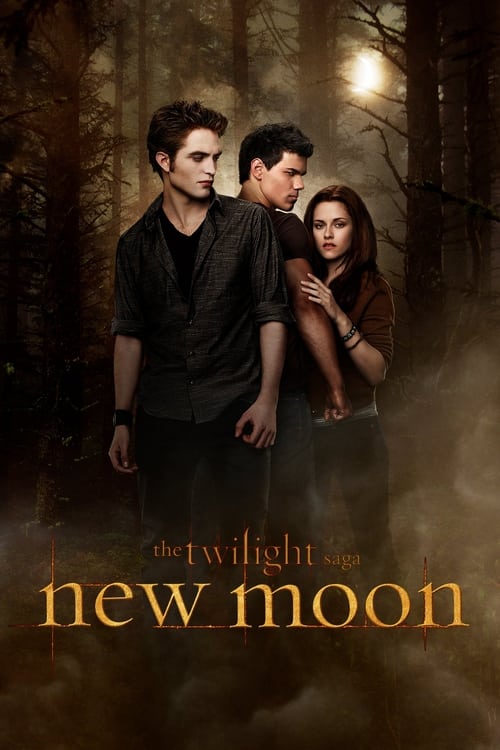
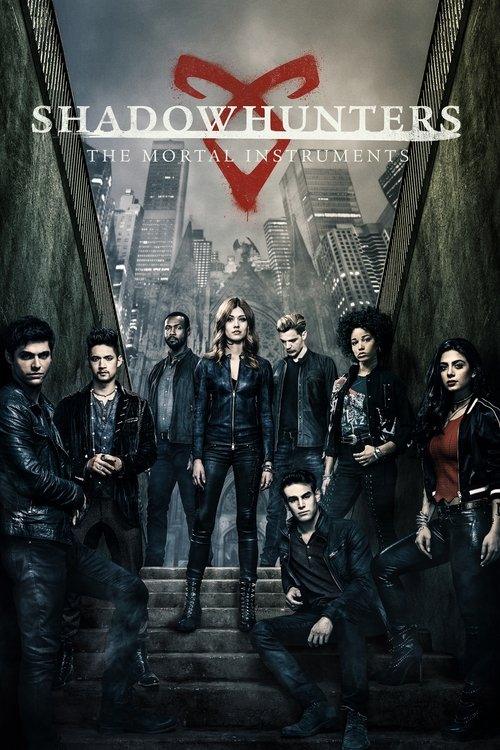
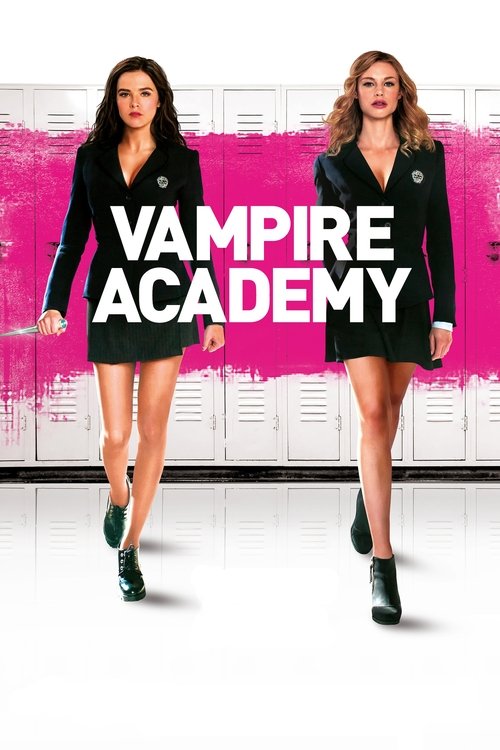
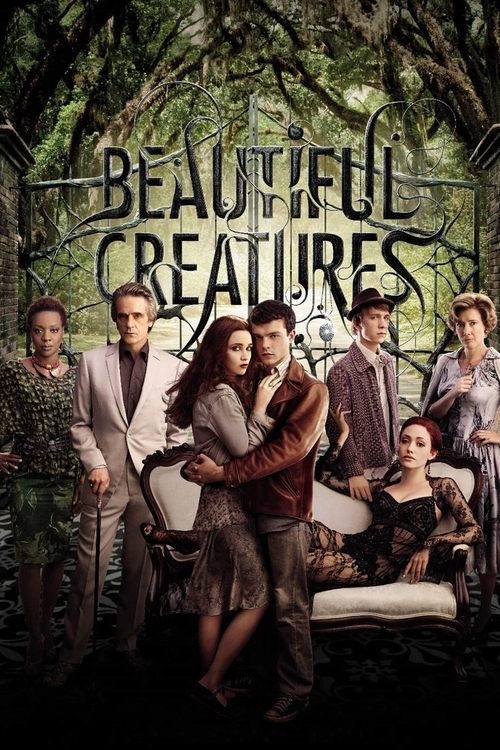
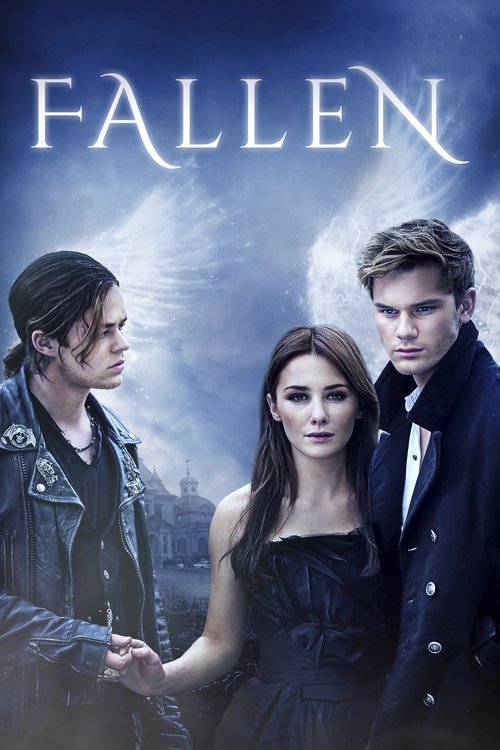
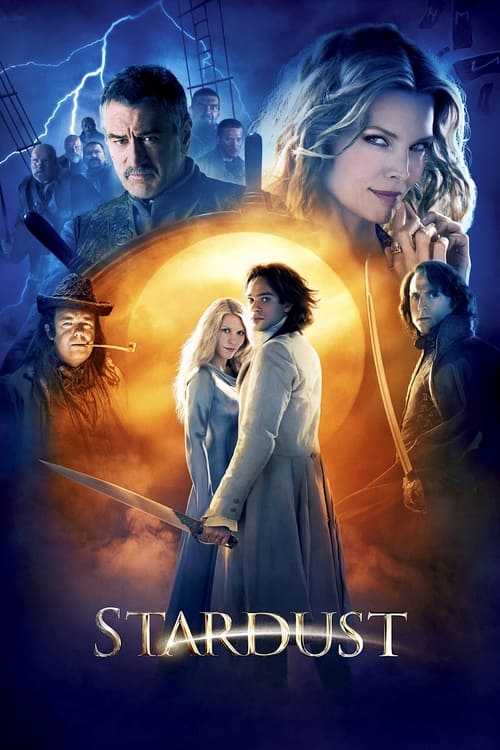
Where the paranormal wave went to the movies

Keep exploring the YA guide
YA Fantasy & Science Fiction: The Complete Guide
Explore the YA Fantasy & Science Fiction: The Complete Guide guide →Frequently asked
What makes a book romantasy rather than fantasy with romance?
The romance is the engine. Remove it and the plot stops: the bargains, betrayals and wars all run through the central relationship. In fantasy-with-romance (Six of Crows, say) the love stories enrich a plot that would survive without them.
Where should I start with Sarah J. Maas?
A Court of Thorns and Roses if you want the fae-court phenomenon; Throne of Glass if you prefer an assassin's slow-building epic (give it until book three); Crescent City if you want the adult urban-fantasy flavor. ACOTAR is the widest on-ramp.
Is romantasy YA or adult?
Both, deliberately. The genre's biggest titles (ACOTAR, From Blood and Ash, Fourth Wing) sit on the adult shelves today, though ACOTAR began as upper YA and was rebranded adult in 2020, and their readership spans both. The YA end (The Cruel Prince, Caraval) keeps the fade-to-black; the adult end does not.
Are the fae courts based on real folklore?
Loosely and knowingly. The Seelie/Unseelie split, the ban on faerie lies, the danger of eating their food and the power of true names all come from British and Irish folklore; authors like Holly Black wear the sources openly and then play politics with them.