
No genre gets adapted like YA. The audiences are enormous, the fandoms arrive pre-sold, and every studio that watched Harry Potter gross seven billion dollars spent the next two decades hunting the next one. The results run the full spectrum: faithful triumphs, brilliant betrayals, and a graveyard of one-film franchises whose sequels were announced and never came.
This is the shelf where book and screen meet: which version to take first, which adaptations earn their changes, and why the streaming era keeps giving the casualties a second life. Part of our complete YA fantasy and science fiction guide.
The books behind the franchises
Where the empires started, in print


Two decades of the adaptation age
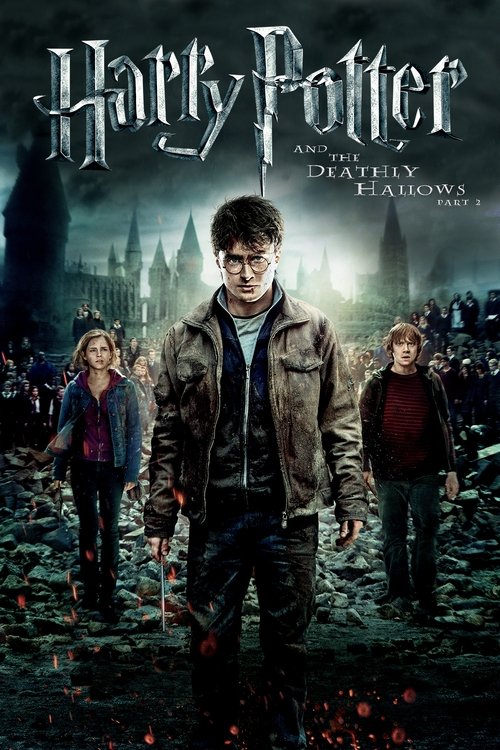
- 2001Harry Potter and the Philosopher's Stone opens the gold rush Harry Potter and the Philosopher's Stone
- 2004Lemony Snicket gets the Jim Carrey treatment Lemony Snicket's A Series of Unfortunate Events
- 2005Narnia proves the wardrobe still opens The Chronicles of Narnia: The Lion, the Witch and the Wardrobe
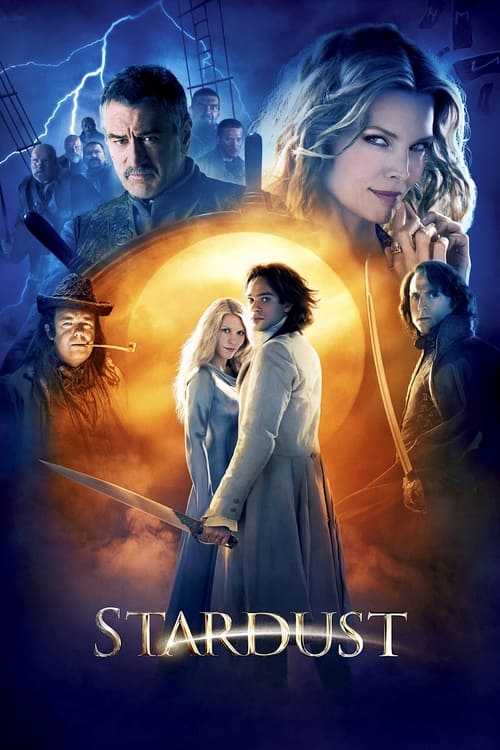
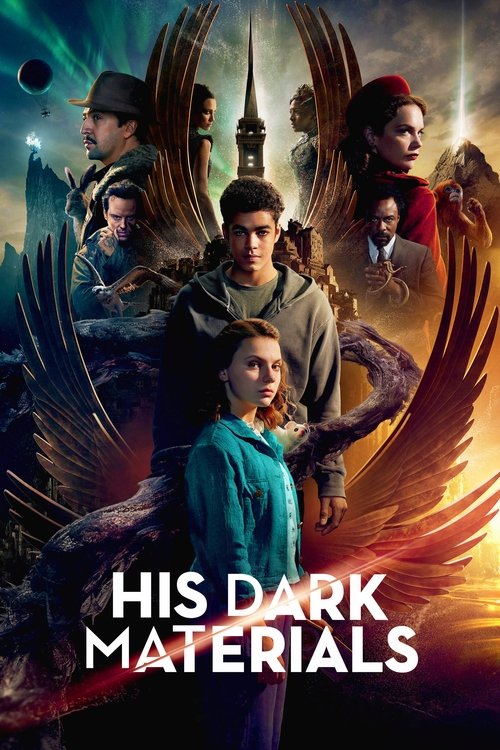
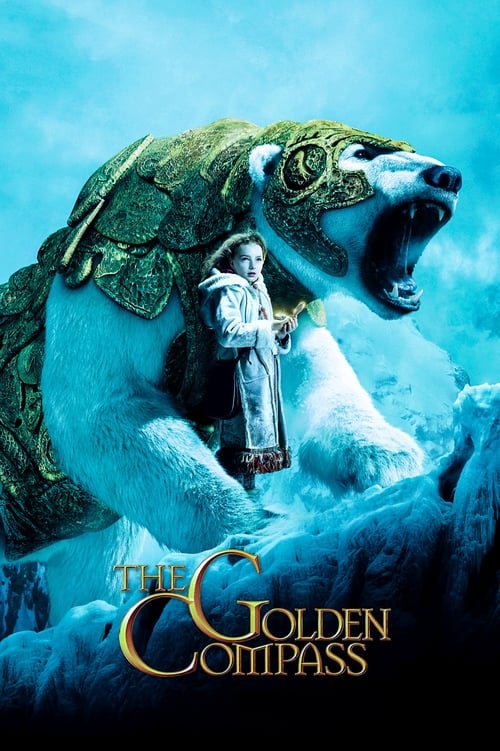
- 2007The Golden Compass: the cautionary flop The Golden Compass
- 2008Twilight ignites the paranormal box office Twilight
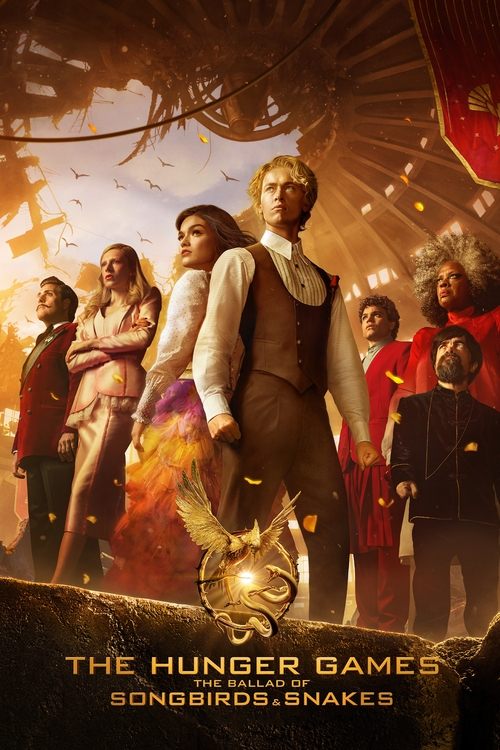
- 2012The Hunger Games sets the arena record The Hunger Games
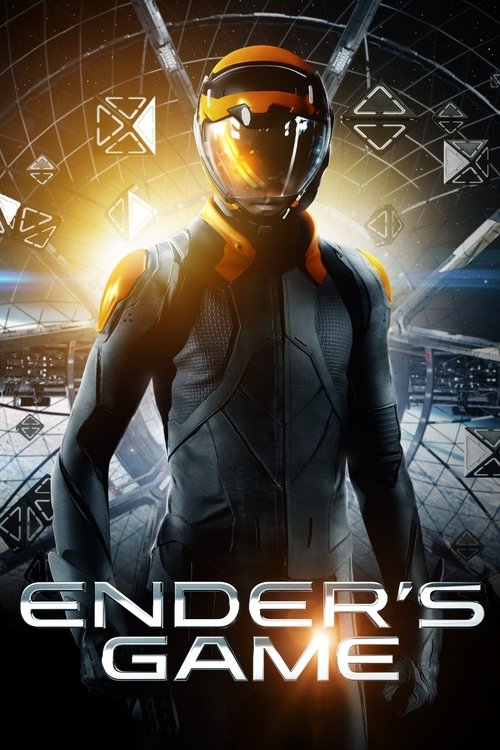
- 2013Ender's Game and the year of dead franchises Ender's Game
- 2016Miss Peregrine goes to Tim Burton Miss Peregrine's Home for Peculiar Children
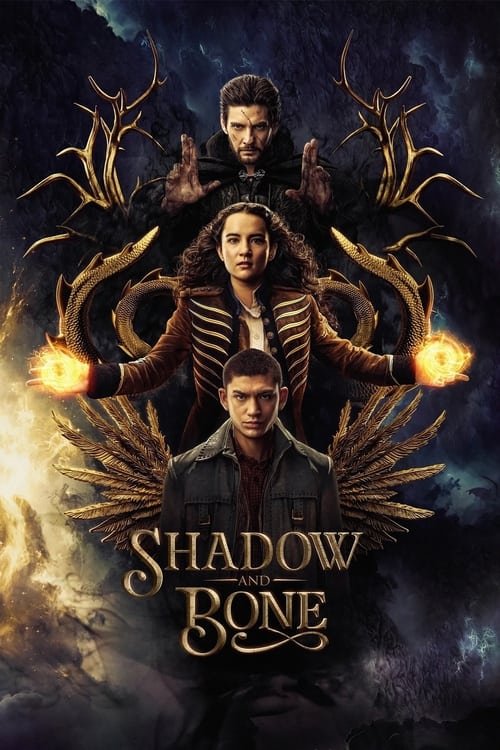
- 2021Shadow and Bone: streaming claims the genre Shadow and Bone
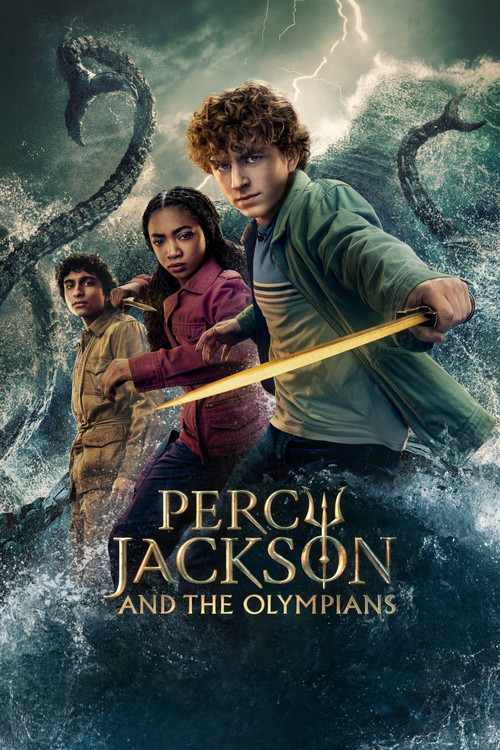
- 2023Percy Jackson opens the do-over era Percy Jackson and the Olympians
The screen wins
Adaptations that honored the book or bettered it
The flop economy
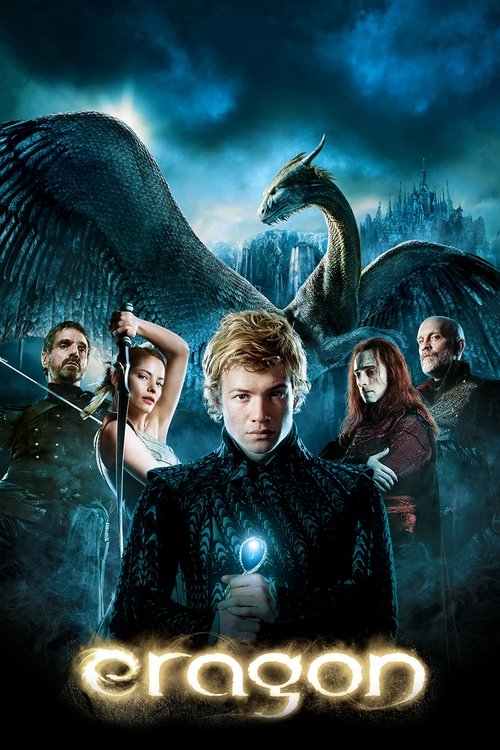
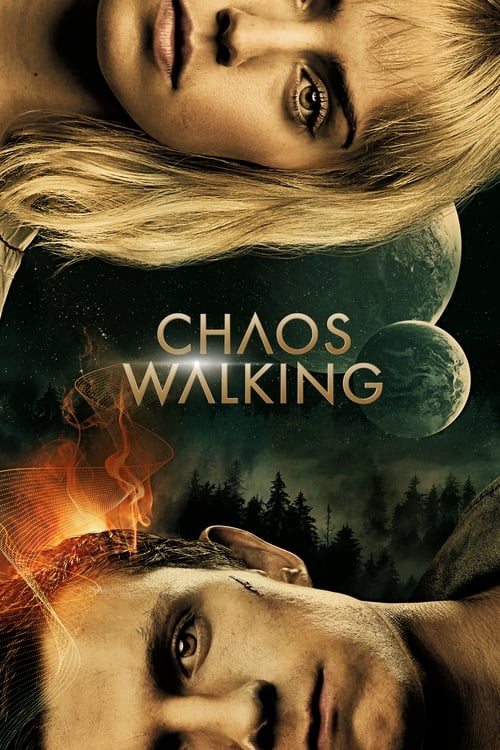
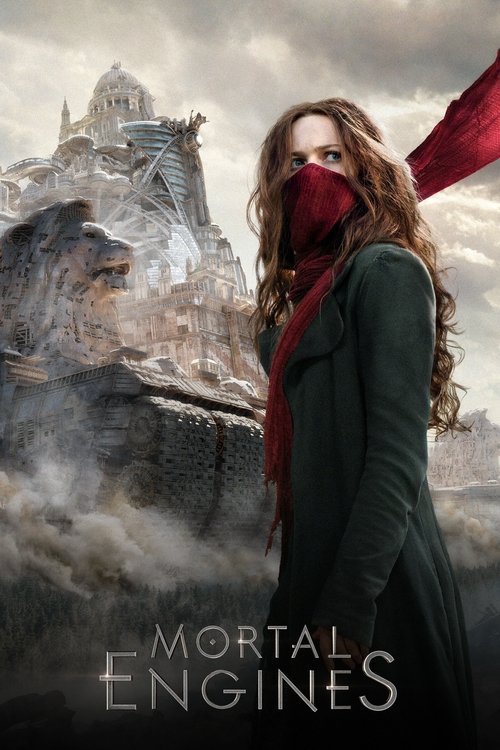
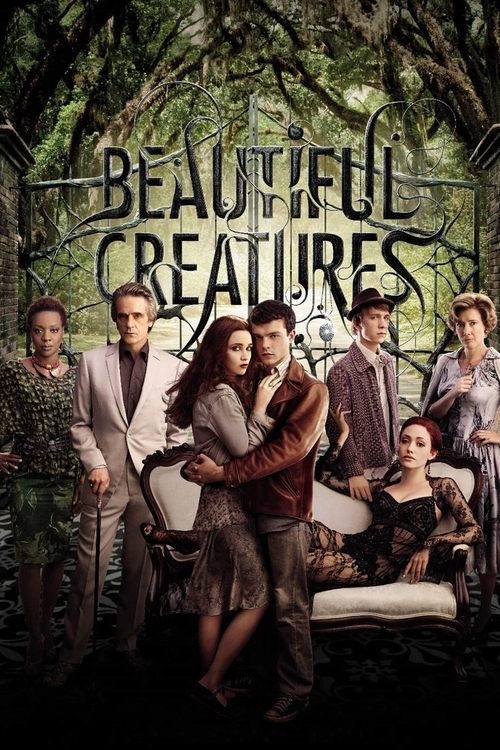
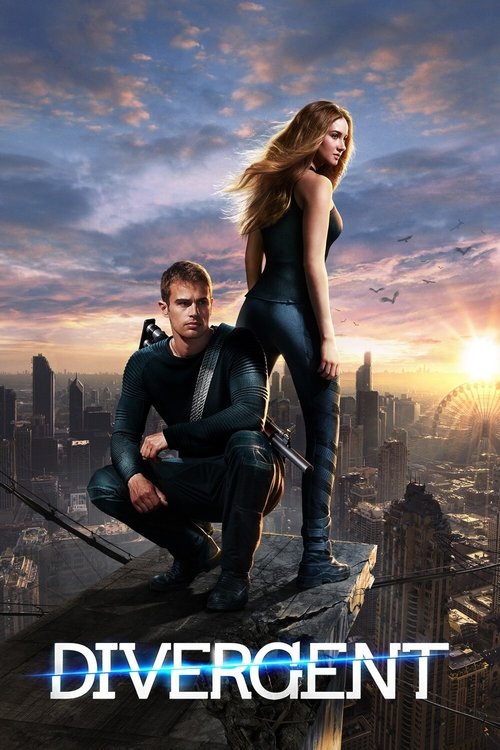
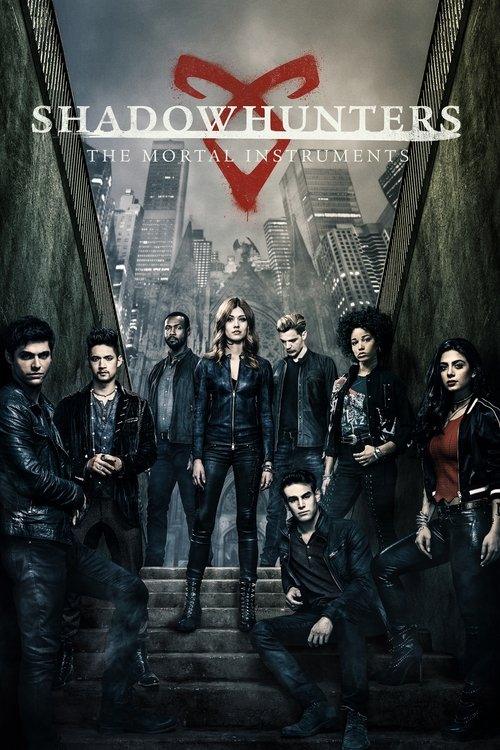
Between 2013 and 2016 the studios burned through the shelf like a wildfire: The Mortal Instruments, Vampire Academy, The 5th Wave, Eragon before them all, each planned as a franchise, each dead after one film. Even Divergent, a genuine hit at first, never got its finale made. The pattern was always the same: strip the book's strangeness to chase the last hit's formula, lose the fans the strangeness had earned, and find no new audience to replace them. The streaming era learned the lesson the hard way and started hiring the authors.
The rocky rides
Cautionary tales and one-film franchises

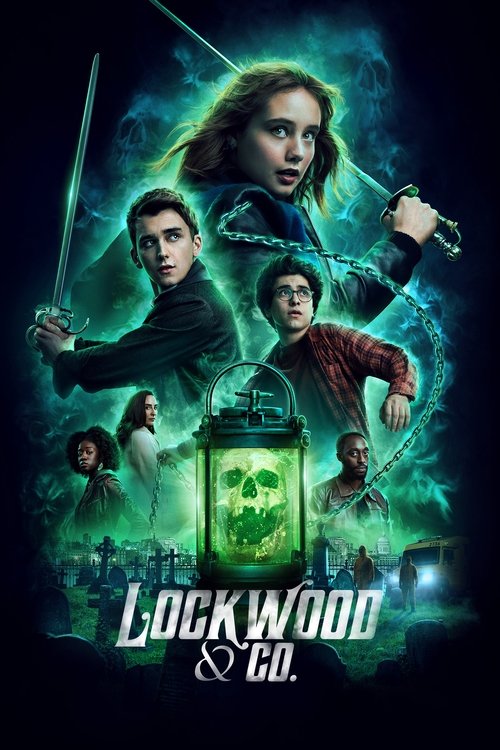
Streaming and beyond
Series, do-overs and the widening screen
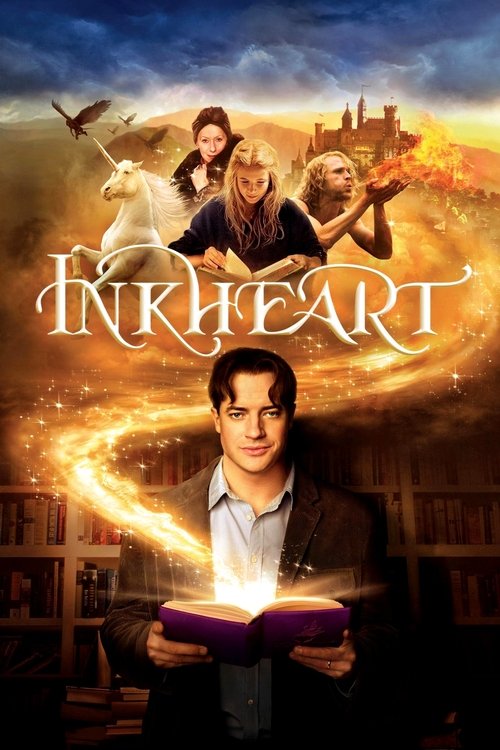
Books have to be heavy because the whole world's inside them.Inkheart
Read it before you stream it
The books whose screen versions live in the rows above


Keep exploring the YA guide
YA Fantasy & Science Fiction: The Complete Guide
Explore the YA Fantasy & Science Fiction: The Complete Guide guide →Frequently asked
Should I read the book or watch the adaptation first?
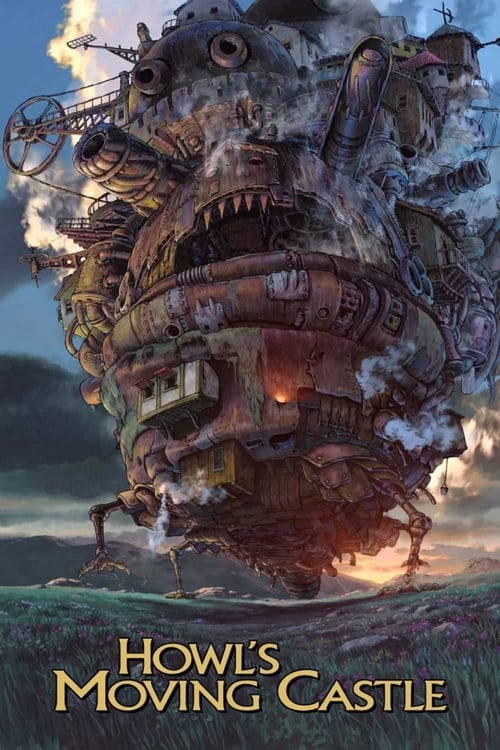
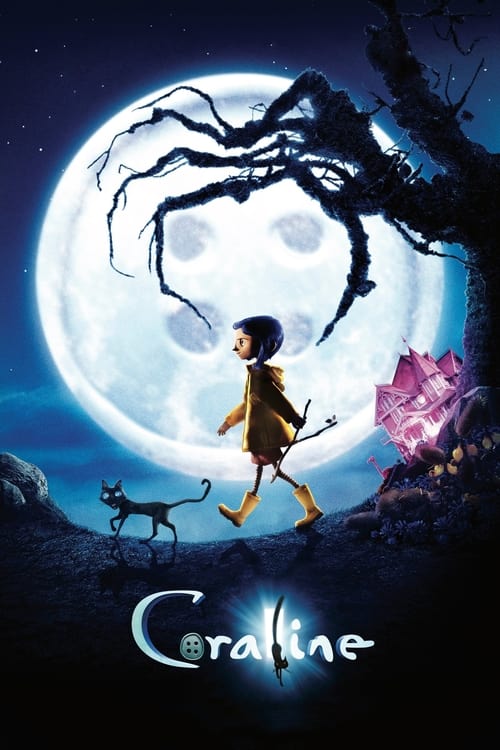
Watch first if the adaptation is the weaker version (almost always true here): the film becomes a trailer and the book still holds its surprises. Read first when the adaptation is a triumph in its own right, like Howl's Moving Castle or Coraline, so you get both artists' versions at full strength.
What is the best YA book-to-screen adaptation?
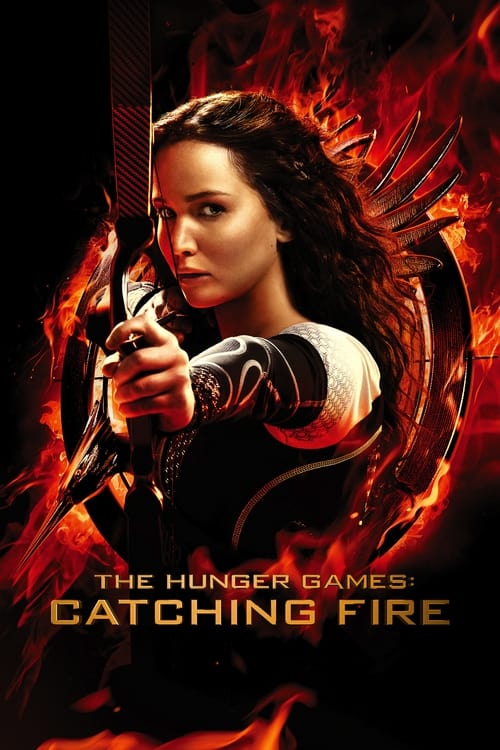
The Hunger Games films are the gold standard for fidelity at blockbuster scale, and Catching Fire may be the rare sequel that outdoes its book's pacing. For transformation rather than fidelity, Howl's Moving Castle. For television, Percy Jackson and the Olympians and the Netflix Series of Unfortunate Events both fixed film versions the fans had rejected.
Why do so many YA adaptations flop?
Because studios adapt the previous hit instead of the actual book: post-Potter everything got a chosen one, post-Twilight a love triangle, post-Hunger Games a revolution, whatever the source said. Strip a book's strange specifics and its built-in fandom stays home. The adaptations that work keep the strangeness and, increasingly, the author in the writers' room.
Will the flopped adaptations get remade?
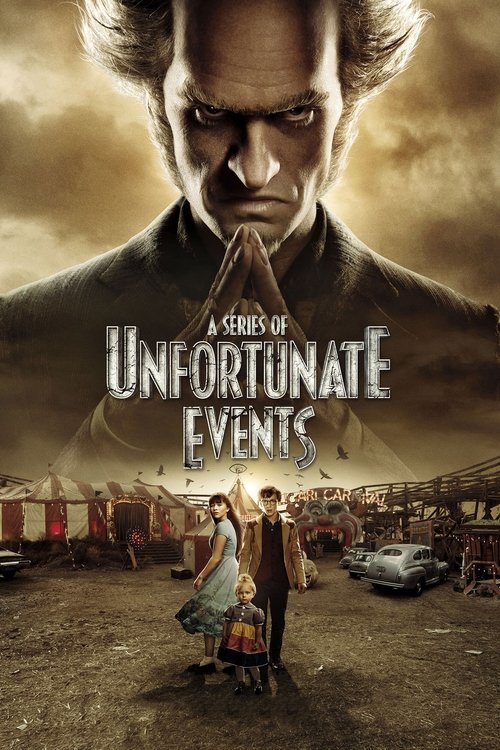
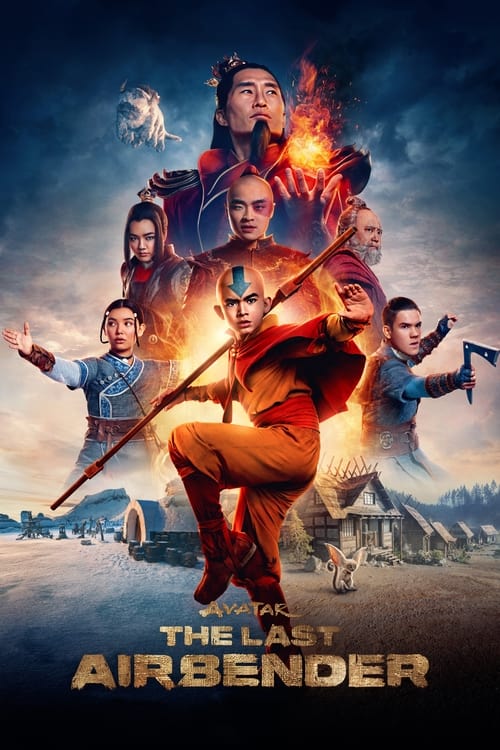
The streaming do-over era says yes, eventually. Percy Jackson, A Series of Unfortunate Events and Avatar: The Last Airbender all got second screen lives after failed films, and His Dark Materials got a full trilogy on TV after The Golden Compass died. The books keep selling, so the rights keep tempting.