
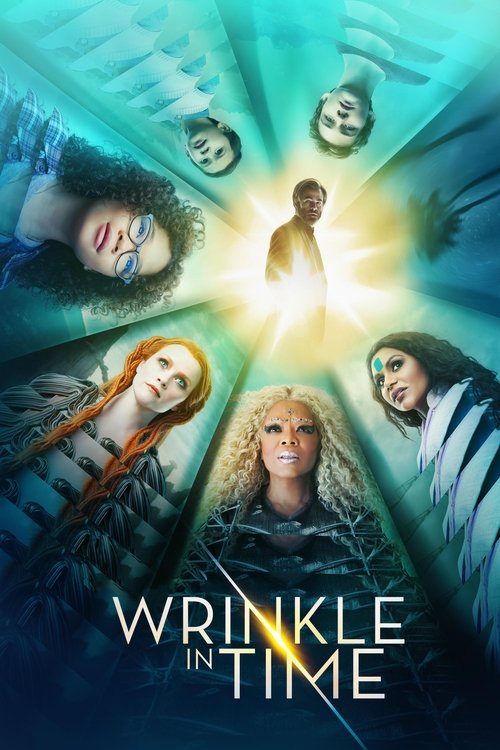
Fantasy gets the courts and the crowns; science fiction gets the questions with teeth. Who owns your body if it can be rebuilt? Is a war crime still a crime when the general is twelve and nobody told him it was real? The YA end of the genre has always trusted teenagers with these, from the tesseract in A Wrinkle in Time to the leaked military files of Illuminae, and its best books read like the adult classics with the safety catch off.
This guide covers the whole starship shelf: the battle-school lineage, the space opera boom of the 2010s, the cyborg fairy tales and the gamer thrillers. Part of our complete YA fantasy and science fiction guide.
The essential YA science fiction
Ten launches, any of them a first contact


From tesseract to mecha: the launch sequence
- 1962A Wrinkle in Time folds space for young readers A Wrinkle in Time
- 1985Ender's Game opens battle school Ender's Game
- 2002The House of the Scorpion makes a clone the hero The House of the Scorpion
- 2008The Knife of Never Letting Go turns thought into noise The Knife of Never Letting Go
- 2011Across the Universe wakes up on a generation ship Across the Universe
- 2012Cinder reboots Cinderella as a cyborg mechanic Cinder
- 2013These Broken Stars strands the space romance These Broken Stars
- 2015Illuminae leaks the dossier Illuminae
- 2017Warcross logs the genre into esports Warcross
- 2018Skyward sends the genre to flight school Skyward
- 2021Iron Widow straps rage into a mecha Iron Widow
The space opera boom
Around 2011 the category discovered the generation ship, and for a few years the void was crowded: doomed liners, lost colonies, princesses hiding in refugee fleets, ship AIs with opinions. The boom produced one enduring franchise, the Illuminae Files and its successor Aurora Rising, and a constellation of duologies built on a reliable engine: two people who cannot stand each other, one derelict ship, and a slowly decaying orbit toward each other.
Starships and star-crossed
Generation ships, doomed liners and lost colonies


Cyborgs, gamers and superpowers
The wave beyond the starships


In the moment when I truly understand my enemy, understand him well enough to defeat him, then in that very moment I also love him.Ender's Game
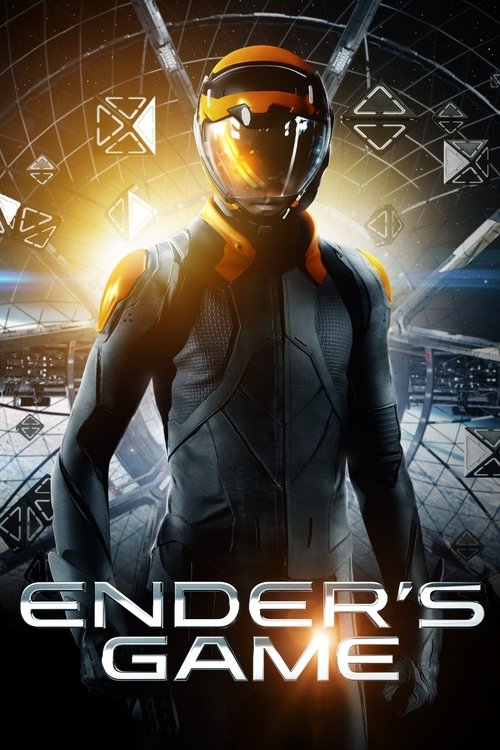
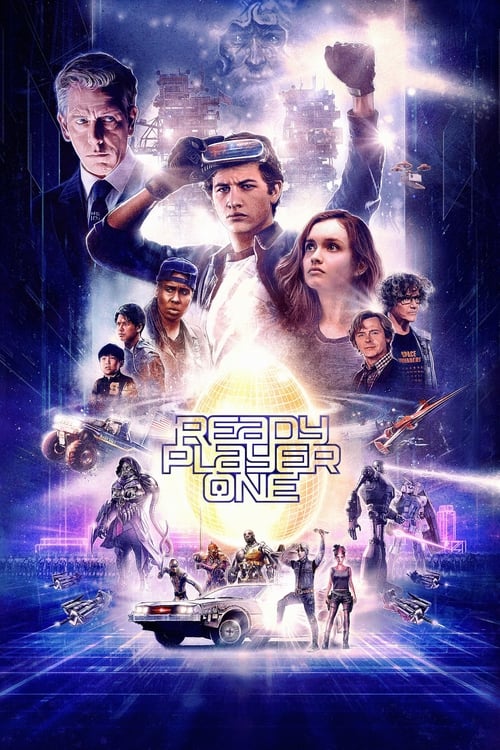
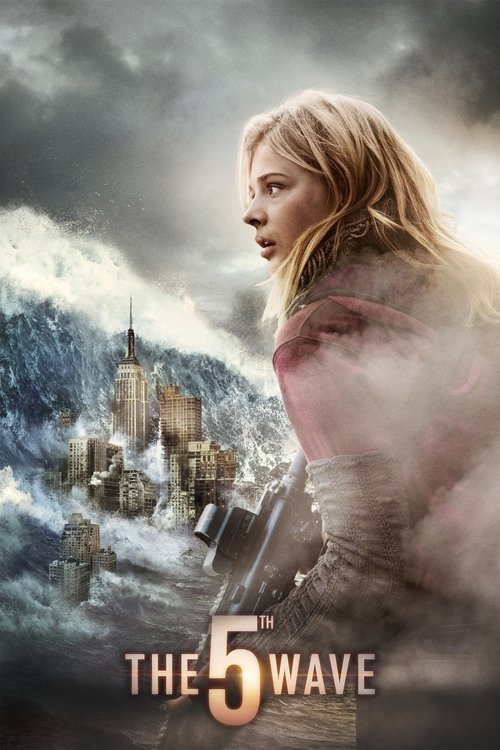
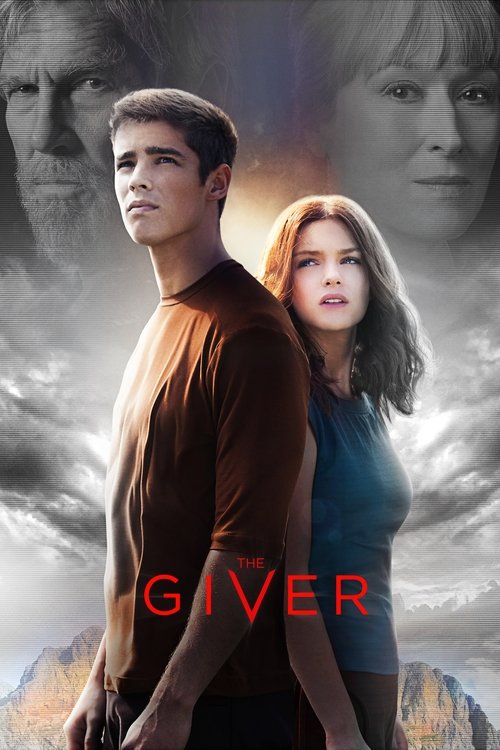
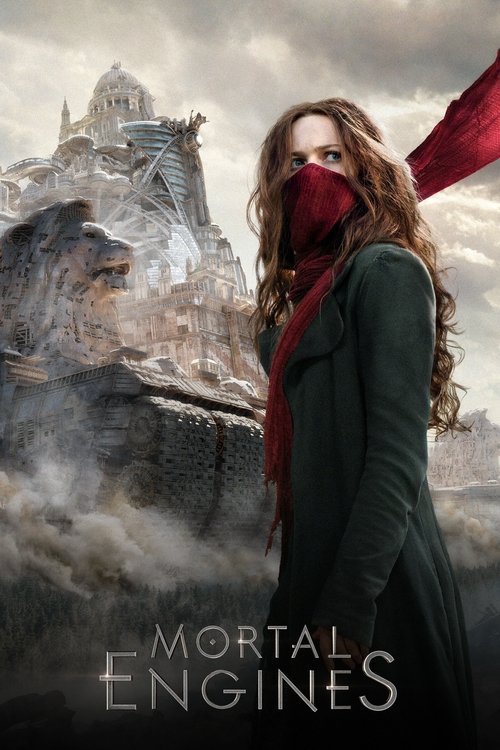
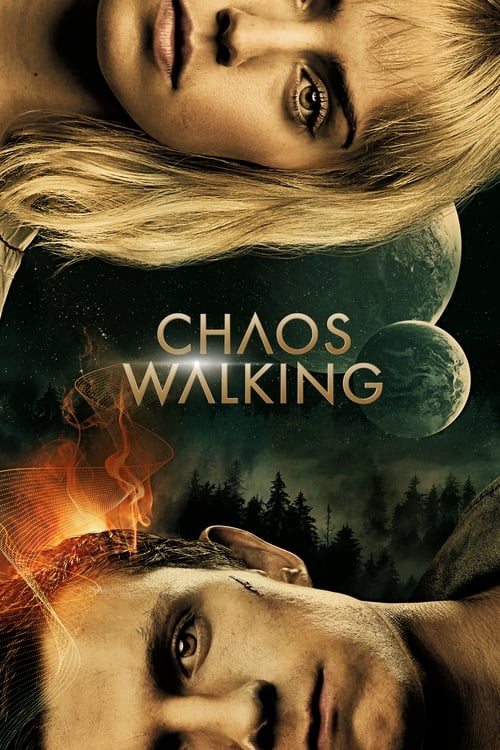
The launch window on screen
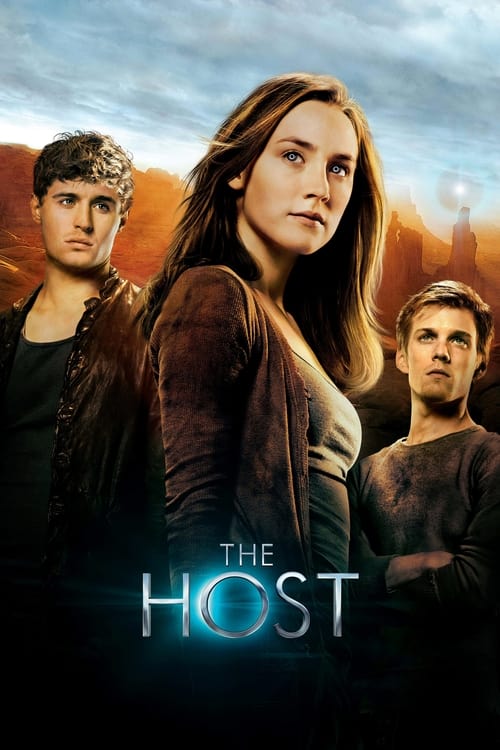
YA science fiction at the movies

Keep exploring the YA guide
YA Fantasy & Science Fiction: The Complete Guide
Explore the YA Fantasy & Science Fiction: The Complete Guide guide →Frequently asked
Is Ender's Game a YA book?
It was published for adults in 1985 and adopted by teenagers immediately; publishers have shelved it both ways ever since. Orson Scott Card wrote a child protagonist taken completely seriously, which is the whole YA proposition, so the shelf claimed it. Speaker for the Dead, its sequel, is unambiguously adult and a completely different kind of book.
Where should I start with YA science fiction?
Illuminae if you want propulsion, Cinder if you want charm with an engine under it, Scythe if you want ideas, Ender's Game if you want the classic. All four are first books of complete series, so the runway is clear.
What separates YA science fiction from YA dystopia?
Dystopia is about the system: the regime, the wall, the rules to break. Science fiction proper is about the technology and what it costs: the clone's rights, the AI's loyalties, the starship's ecosystem. The Hunger Games is a dystopia that uses SF furniture; Illuminae is science fiction that happens to feature a corporation behaving monstrously. Our YA dystopias guide covers the other branch.