
The single-location thriller is filmmaking's ultimate dare: tell an entire gripping story without ever leaving one confined space. No car chases, no globe-trotting, just four walls (or a coffin, or a phone booth) and a character with nowhere to run. Stripped of spectacle, everything comes down to writing, performance, and the slow tightening of a vise. When it works, the confinement becomes the whole point, and the small space feels bigger and more terrifying than any epic.
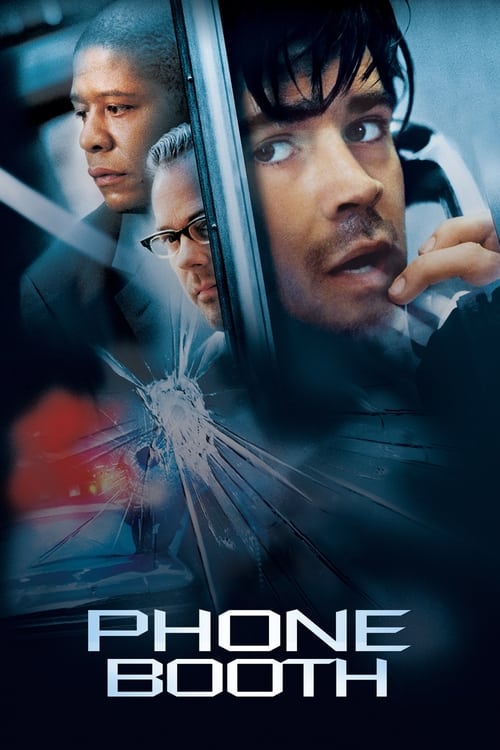
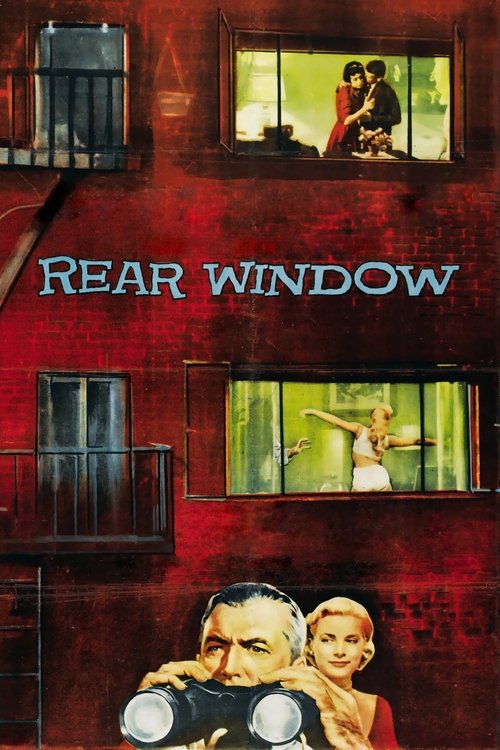
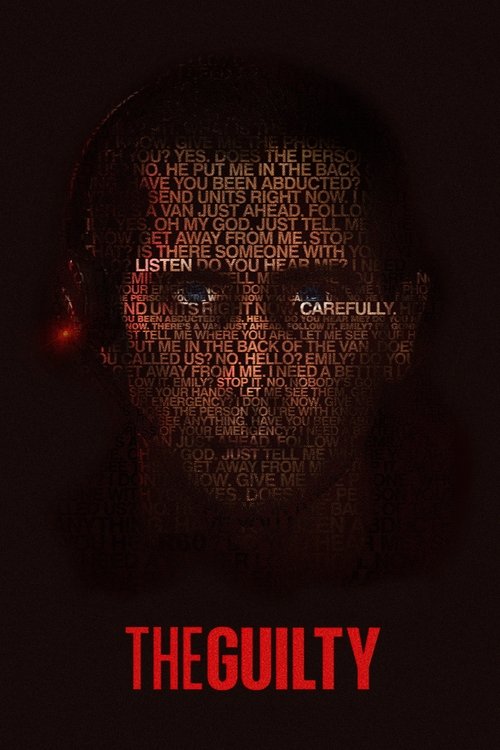
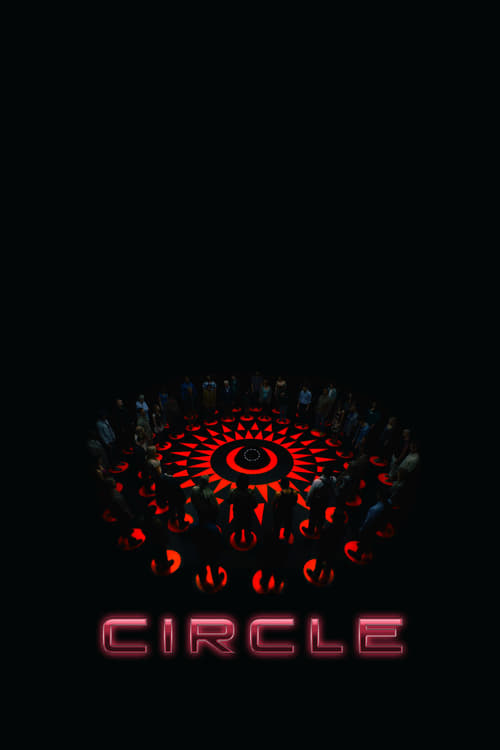
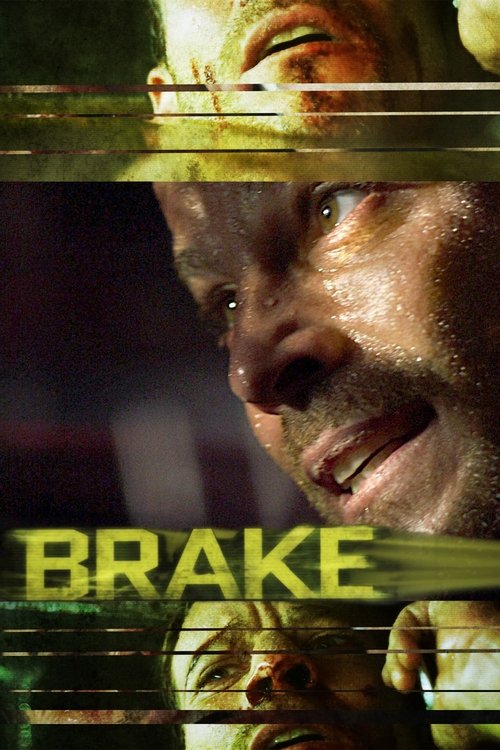
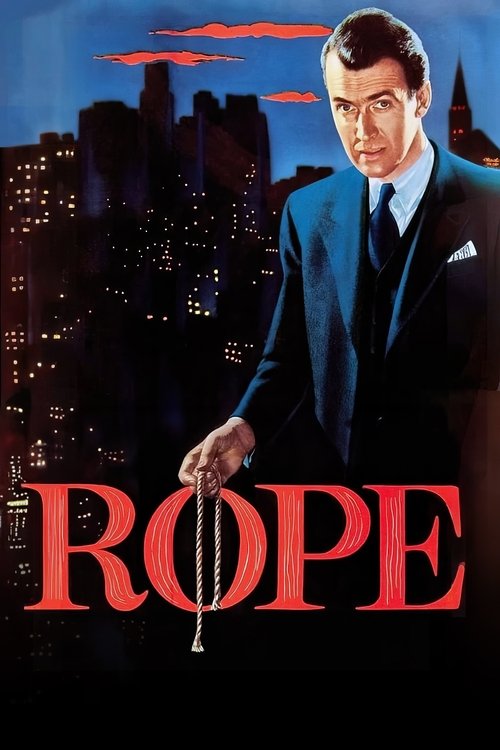
The form spans the classic (Hitchcock's Rope and Rear Window, the jury room of 12 Angry Men) and the modern high-concept (a man buried alive in Buried, a single unbroken drive in Locke, an emergency dispatcher in The Guilty). It stretches into games told entirely through one interface and novels that never leave a single room. Below is the whole confined space: the essential one-location films, the modern high-concept thrillers, the classics, the interactive experiments, and the books that locked the door behind them.
Essential single-location thrillers



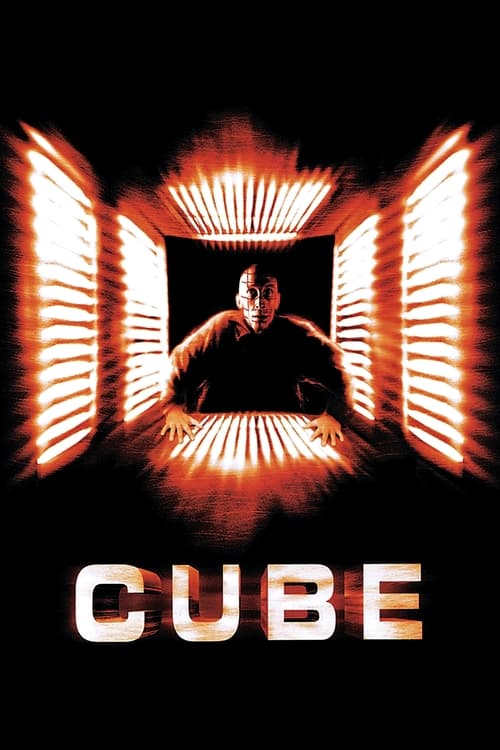
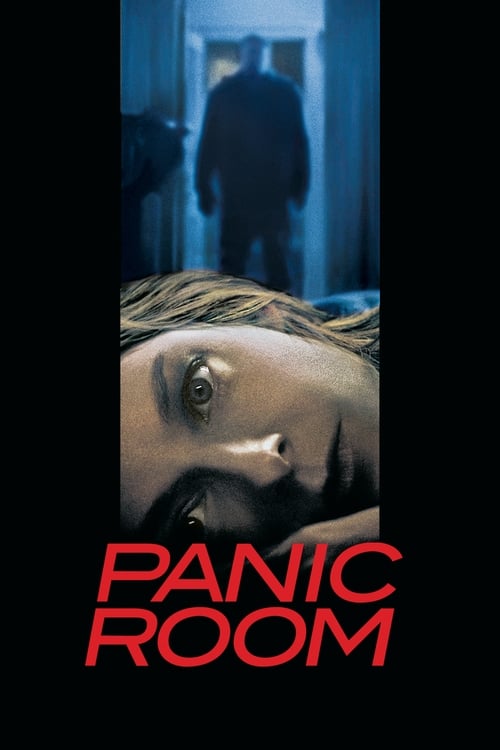
Modern high-concept confinement

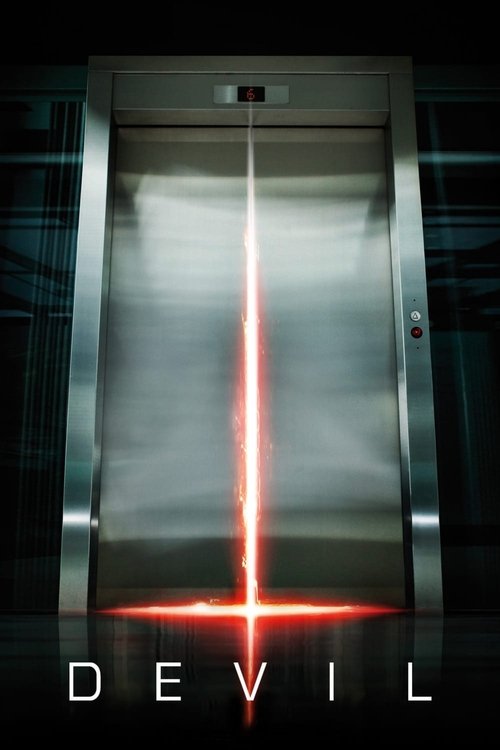
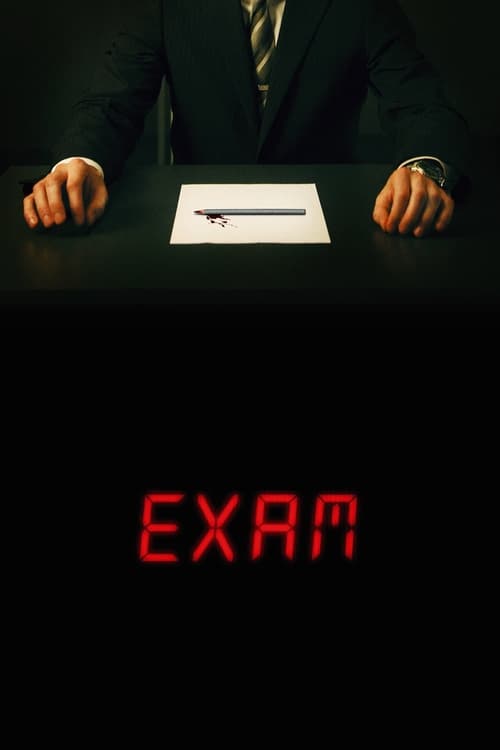
Buried is the boldest one-location gamble ever filmed
Ninety minutes inside a coffin, lit by a lighter and a phone screen, with Ryan Reynolds and nothing else. Buried should not work, and instead it becomes one of the most claustrophobic and gripping thrillers of its decade, extracting unbearable suspense from a man, a box, and a dwindling battery. It is the single-location thriller pushed to its absolute logical extreme.
Classics of the confined space
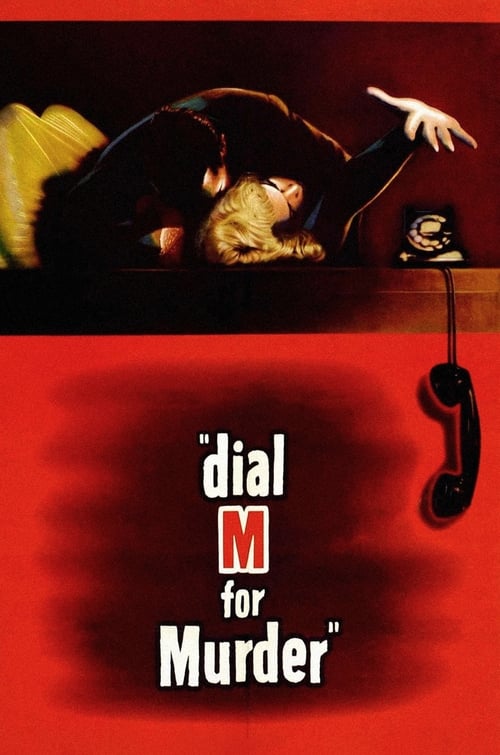
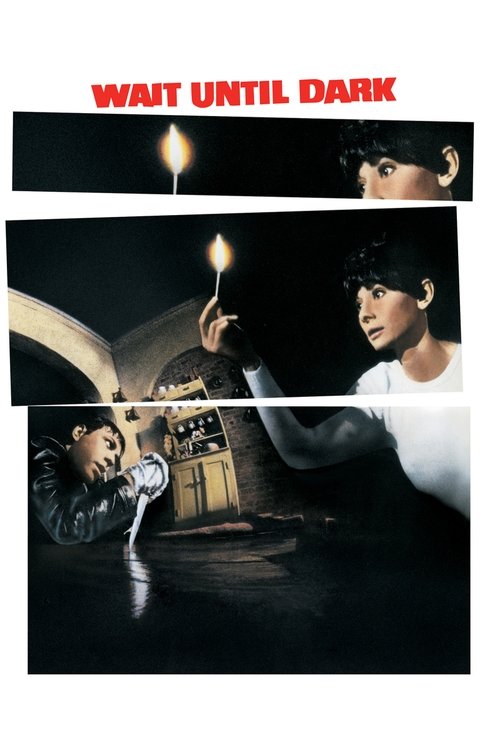
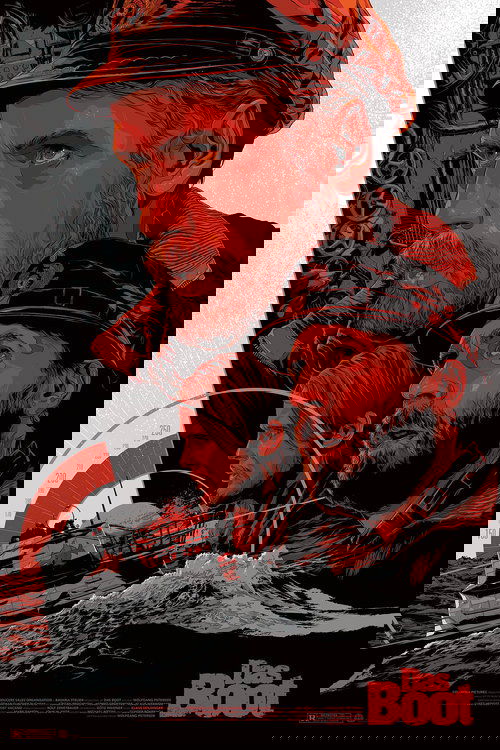
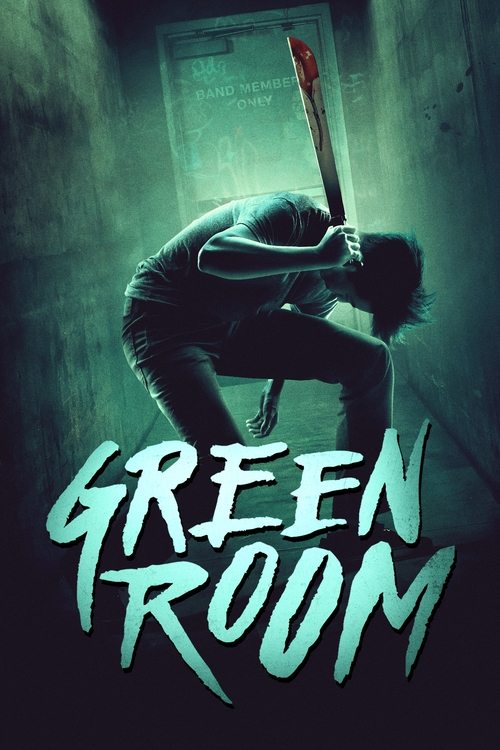
Trapped and low-fi tension





One interface: the games






12 Angry Men proved talk could be a thriller
One jury room, twelve men, one sweltering afternoon, and a young man's life hanging on their deliberation. Sidney Lumet turned pure conversation into a pressure cooker, with the camera slowly tightening and the temperature rising. It remains the definitive proof that you need no action at all to hold an audience breathless, only conflict and a room they cannot leave.
The timeline
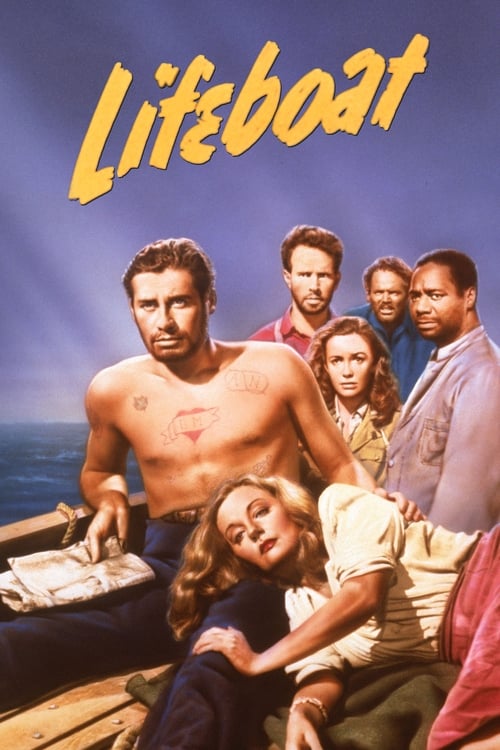
- 1944Hitchcock's Lifeboat confines the war to a single boat Lifeboat
- 1954Rear Window makes an apartment window the whole world Rear Window
- 195712 Angry Men turns a jury room into a thriller 12 Angry Men
- 1997Cube reinvents the confined thriller for horror Cube
- 2010Buried and Devil push the form to extremes Buried
- 2013Locke proves a single car ride can carry a film Locke
- 2015Her Story brings the one-location thriller to games Her Story
Locke made a car ride unbearably tense
A man drives down a motorway at night and makes a series of phone calls that dismantle his entire life, and that is the whole film. Locke never leaves the car, never shows the people on the other end, and rests everything on Tom Hardy's face and voice. It is a masterclass in how radical confinement can make the smallest human drama feel enormous.
Her Story brought the form to gaming
Sam Barlow trapped the player at a single police database terminal, telling an entire murder mystery through video clips you search and piece together yourself. It is the single-location principle translated into interaction: one screen, one interface, and a story that only exists because you sit still and dig. Proof the confined form can be as gripping to play as to watch.
Keep exploring
Locked-Room Mysteries: The Complete Guide to the Impossible Crime
Explore the Locked-Room Mysteries: The Complete Guide to the Impossible Crime guide →Frequently asked
What is a single-location thriller?
A single-location thriller is a film, game, or story that unfolds almost entirely within one confined setting, such as a coffin, a phone booth, a jury room, a car, or a single apartment. The constraint forces the drama to rely on writing, performance, and rising tension rather than spectacle or action. Buried, Locke, and 12 Angry Men are defining examples.
Why do filmmakers set entire films in one location?
Beyond the obvious budget benefits, the single-location constraint is a powerful storytelling tool: it heightens claustrophobia, forces intense focus on character and dialogue, and makes escape feel impossible, which amplifies suspense. It is also a showcase for writing and acting, since there is nowhere for a weak script or performance to hide. Many acclaimed thrillers use the limitation as their greatest strength.
Where should I start with single-location thrillers?
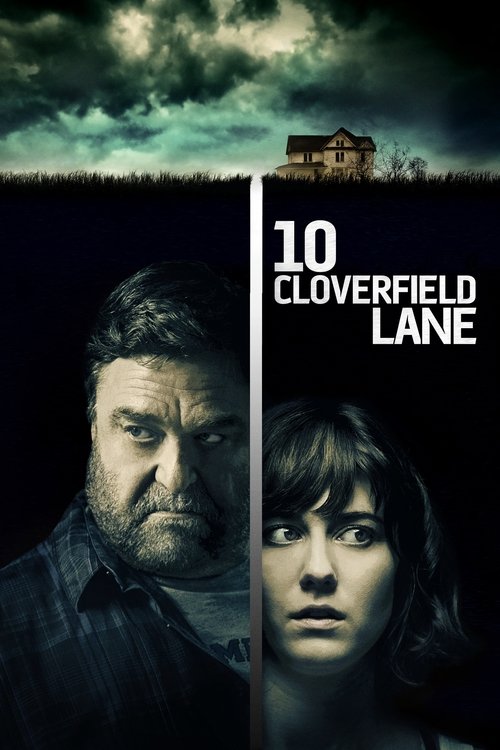
For the classic, 12 Angry Men (1957) is the definitive one-room drama, and Hitchcock's Rear Window is essential. For modern high-concept confinement, Buried and Locke are the boldest experiments, and The Guilty is a taut recent example. Horror fans should try Cube or 10 Cloverfield Lane, and gamers can experience the form in Her Story.