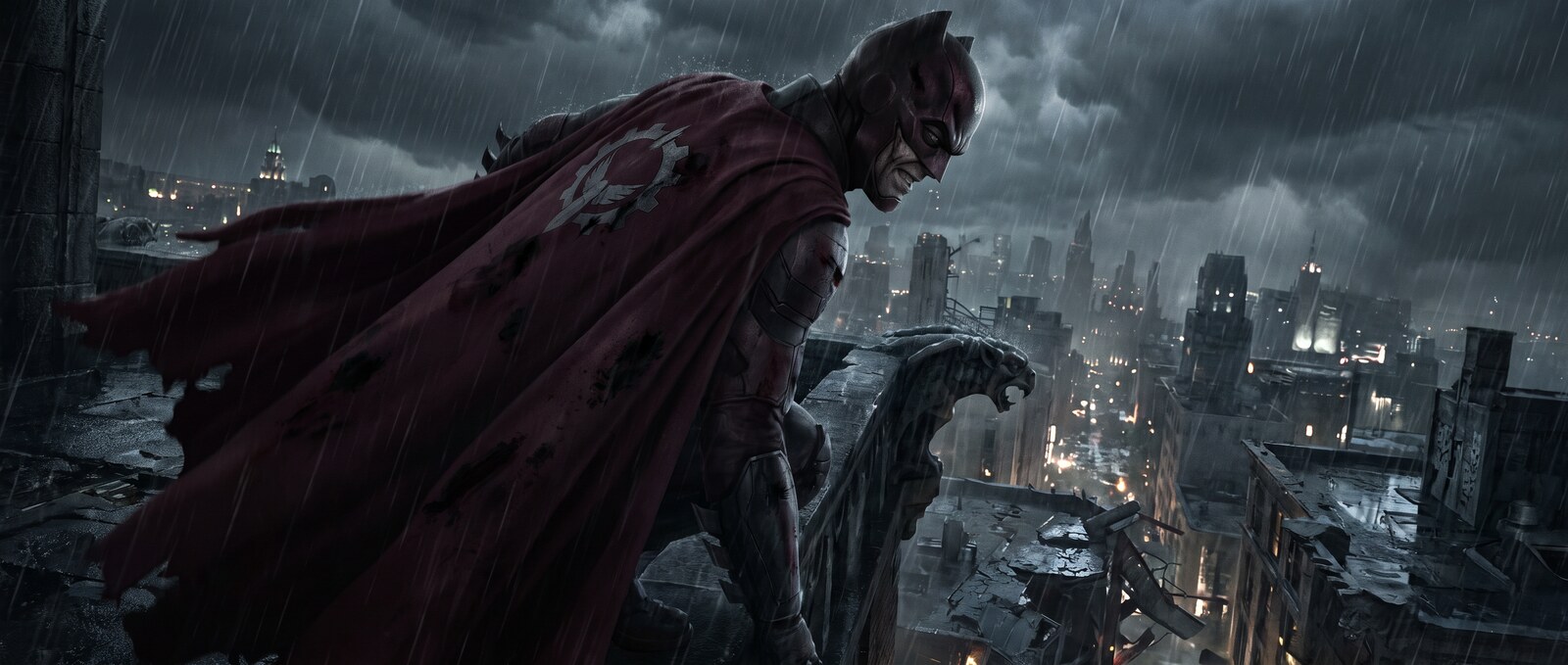

For decades the superhero was a reassuring fantasy: incorruptible, selfless, always right. Then Alan Moore, Frank Miller and their heirs asked the uncomfortable questions. What would a real person do with that much power? Who watches the watchmen? What if the smiling god on the billboard was a monster? Watchmen and The Dark Knight Returns tore the genre open in 1986, and forty years later The Boys, Invincible and a wave of prestige TV have made the dark, subversive superhero story more popular than the thing it critiques.
This is the complete guide across every medium: the comics that broke the mold, the corporate-cape satires, the stories where the hero goes bad, the prestige television, the subversive films, the grounded tragedies, and the morally grey superpower games.
The essential deconstructions



The comics that broke the mold


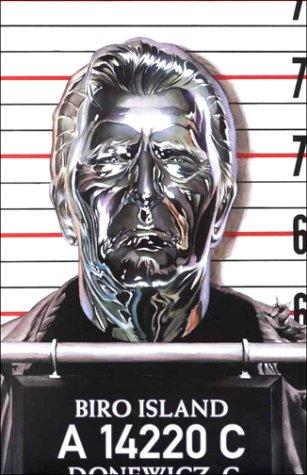


Watchmen is the book that changed superheroes forever
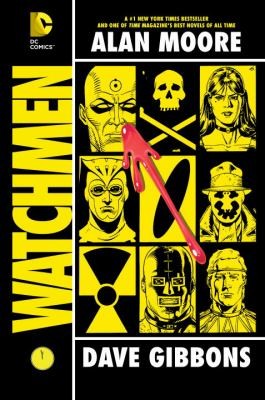
Alan Moore and Dave Gibbons took the costumed hero apart with surgical precision: a washed-up crime-fighter, a genuinely alien god losing touch with humanity, and a masked absolutist willing to let the world burn rather than compromise. Watchmen asked who watches the watchmen and answered that no one should have this power, then built the most formally perfect graphic novel ever made around the question. Every dark superhero story since is a footnote to it.
When the hero goes bad
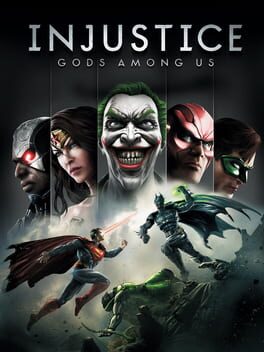
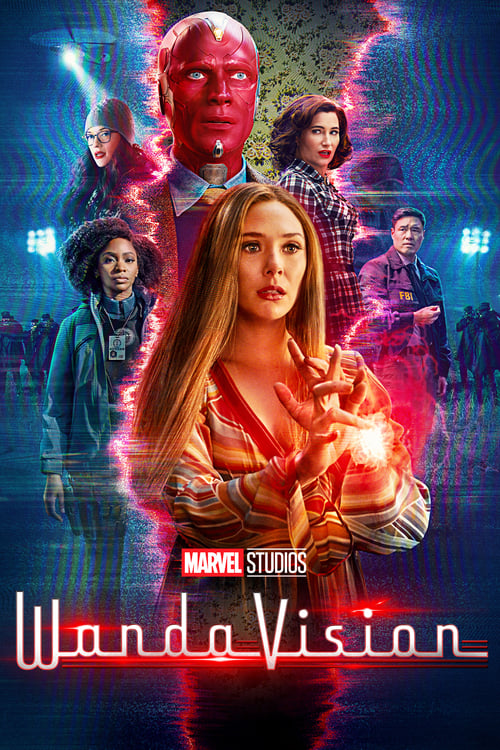
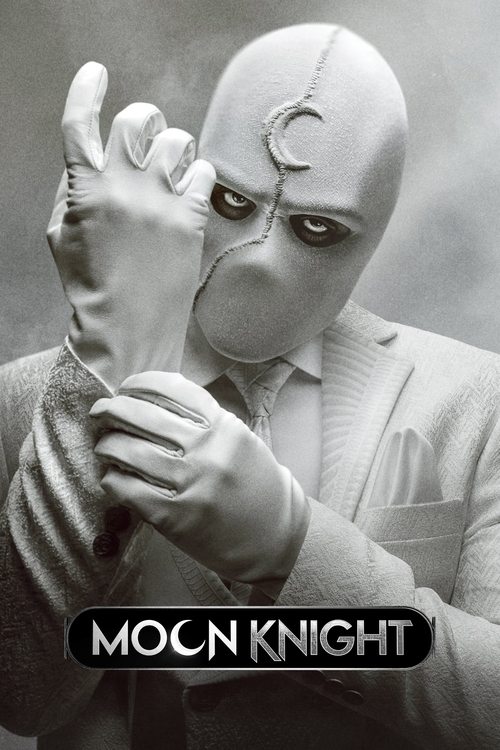
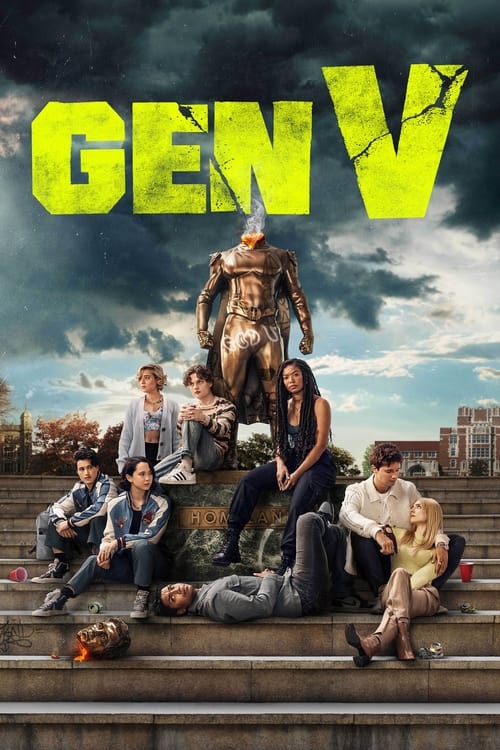
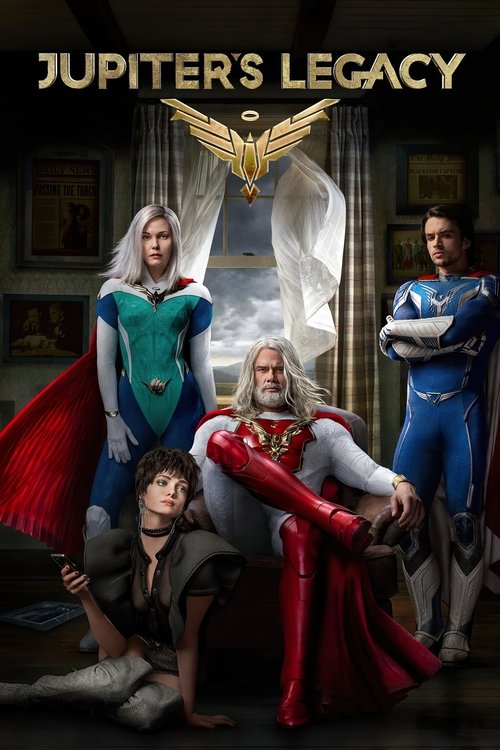
The prestige TV cape

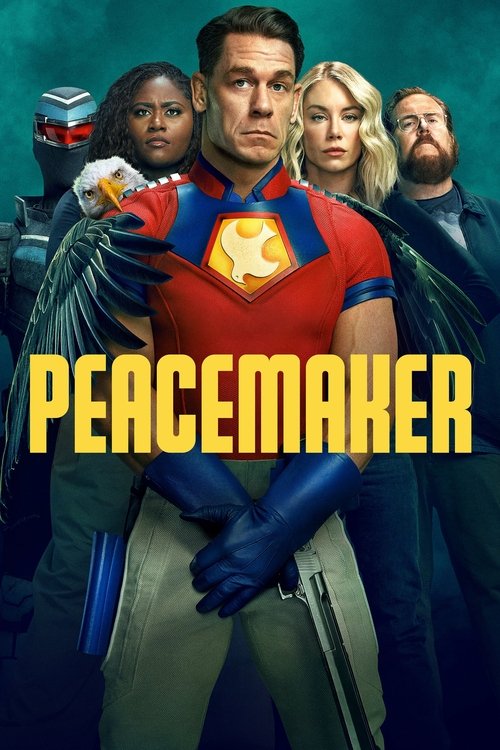
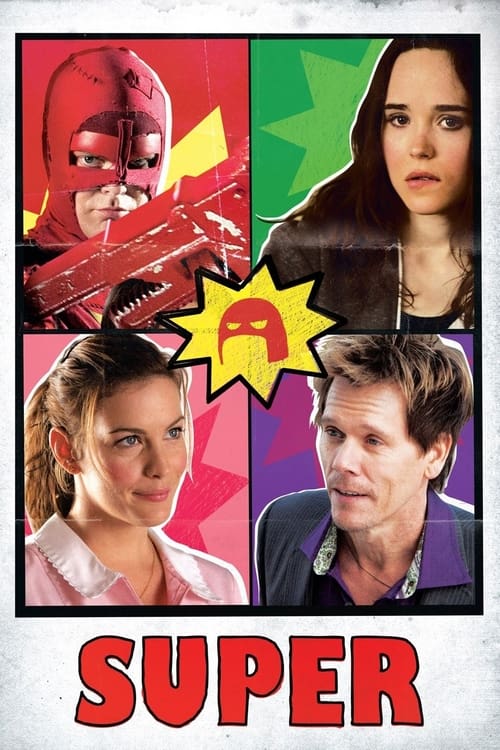
The subversive superhero film
The Boys is the definitive corporate-superhero satire
Garth Ennis's comic and its even more successful TV adaptation ask the meanest possible version of the question: what if superheroes were exactly as vain, cruel and corporate as real celebrities, and a conglomerate marketed them like soda? Homelander is the most frightening figure in modern superhero fiction precisely because he is a needy, all-powerful child. It is gory, furious, and far smarter about fame and power than it first appears.
The grounded and the tragic
Morally grey superpowers: the games
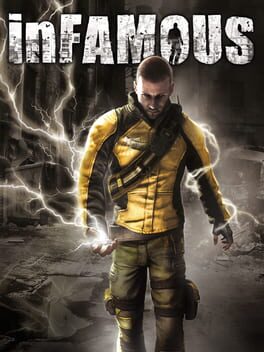

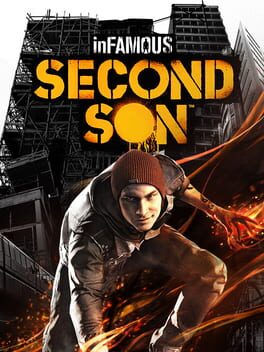
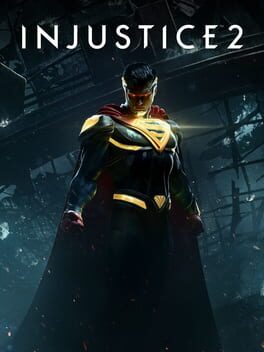
The timeline
- 1982Alan Moore's revival of Marvelman (Miracleman) begins the modern deconstruction.
- 1986The Dark Knight Returns and Watchmen redefine the superhero comic forever. Watchmen
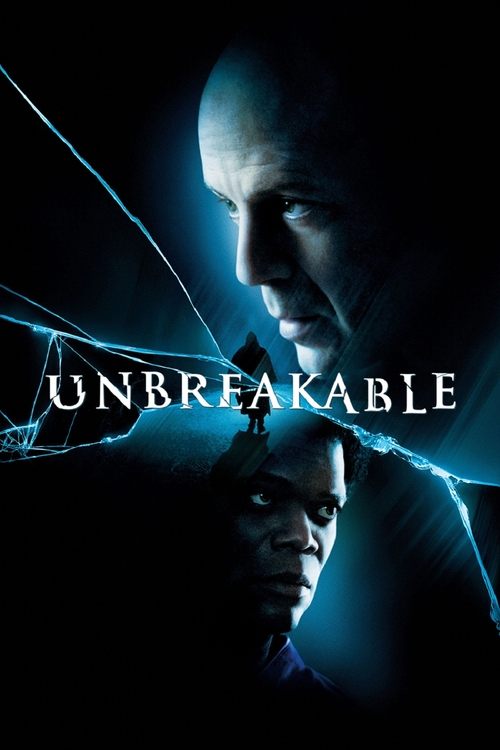
- 2000M. Night Shyamalan's Unbreakable brings the deconstruction to cinema. Unbreakable
- 2006Garth Ennis and Darick Robertson's The Boys begins in comics. The Boys
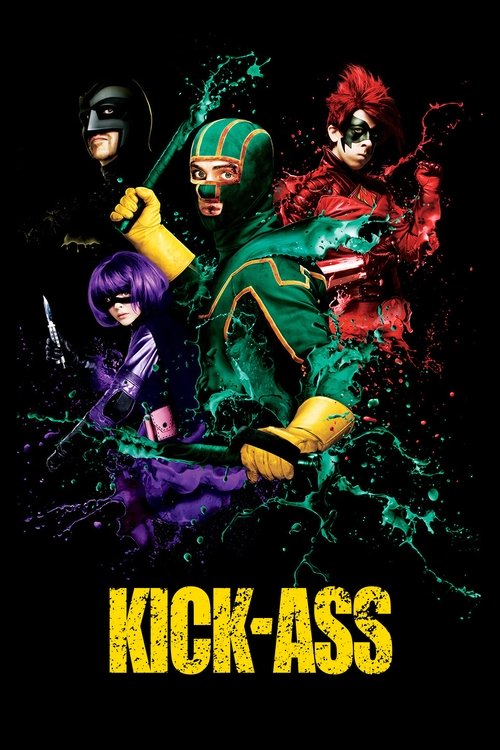
- 2009Zack Snyder's Watchmen and Kick-Ass carry the subversion to the multiplex. Kick-Ass
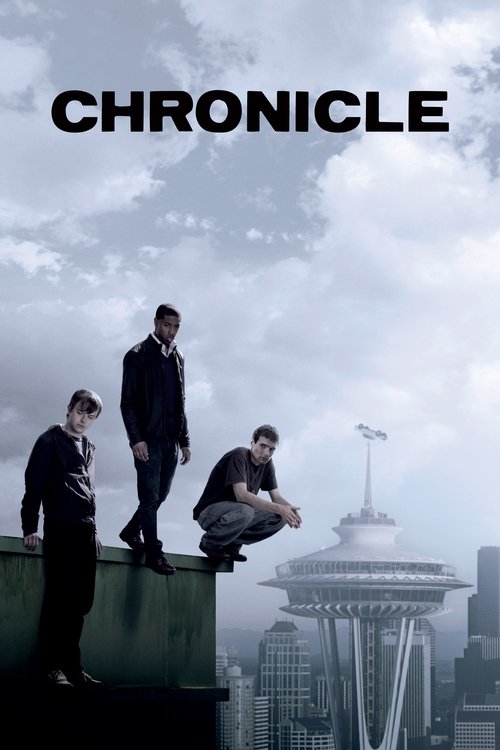
- 2012Chronicle reimagines the origin story as found-footage tragedy. Chronicle
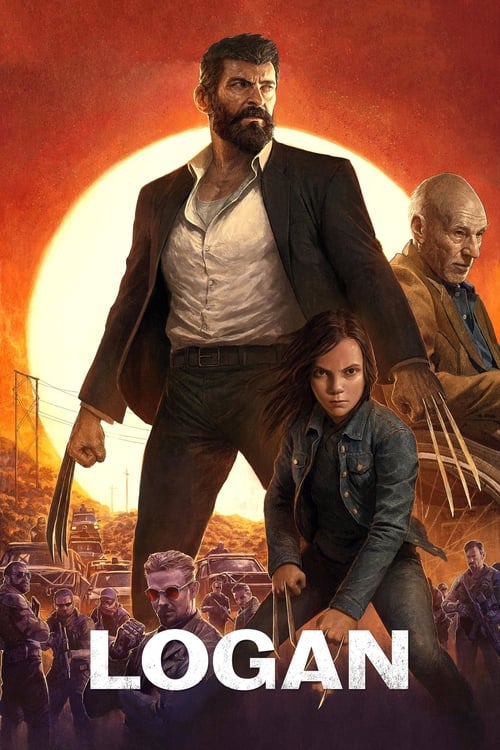
- 2017Logan proves the superhero film can be genuine tragedy. Logan
- 2019The Boys and HBO's Watchmen bring deconstruction to prestige television. The Boys
- 2021Invincible animates one of the genre's great subversions. INVINCIBLE
Invincible is the sweetest superhero story that turns brutal
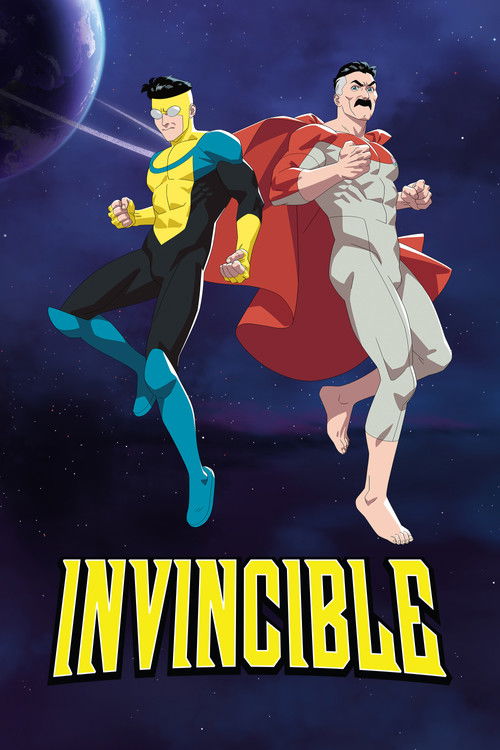
Robert Kirkman's comic, and its superb animated adaptation, spends its first act as a warm, funny coming-of-age story about a teenage hero and his famous father, and then detonates it in an act of shocking, formative violence. That whiplash is the point: it uses the affection of the classic superhero story to make its deconstruction land like a punch. Few works understand the genre's conventions well enough to weaponize them this precisely.
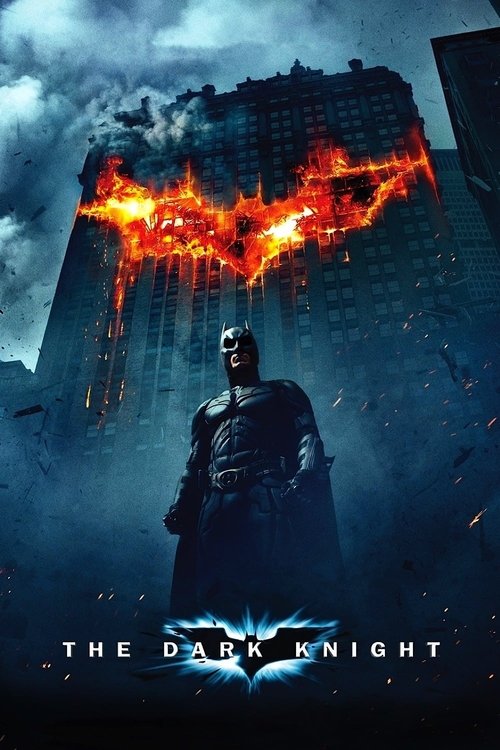
The Dark Knight Returns made the hero dangerous
Frank Miller dragged the caped crusader out of retirement into a decaying, fascistic America and reimagined him as an aging, brutal force of will at war with his own city and country. It is grim, angry and hugely influential, the book that convinced a generation that superheroes could be serious, adult and frightening. For better and worse, the grimdark superhero begins here.
The writers who broke the cape
Keep exploring
Superheroes
Explore the Superheroes guide →Frequently asked
What is superhero deconstruction?
Superhero deconstruction is a mode of storytelling that critically examines and subverts the conventions of the superhero genre, asking realistic or cynical questions about power, morality, celebrity and consequences. Rather than reassuring power fantasies, these stories explore what god-like abilities would actually do to people and society. Watchmen, The Boys and Invincible are landmark examples.
What started the superhero deconstruction trend?
The modern wave is usually traced to two 1986 comics: Alan Moore and Dave Gibbons's Watchmen and Frank Miller's The Dark Knight Returns, with Moore's earlier Marvelman/Miracleman as a key forerunner. Together they proved superhero comics could be adult, formally ambitious and deeply critical of the very fantasies they depicted, reshaping the genre for decades.
Is deconstruction the same as a dark or gritty superhero story?
Not quite. Plenty of stories are simply dark in tone. True deconstruction interrogates the genre's assumptions, why we trust these figures, what power does to people, who is accountable, rather than just adding violence. The best examples, like Watchmen and Invincible, understand and love the conventions well enough to take them apart meaningfully.
Where should I start with deconstructed superheroes?
For comics, Watchmen and The Dark Knight Returns are the foundational texts, with The Boys and Irredeemable for a nastier modern take. On screen, The Boys and Invincible are the essential series, and Logan, Unbreakable and Chronicle are the key films. Amazon's animated Invincible is a superb entry point.