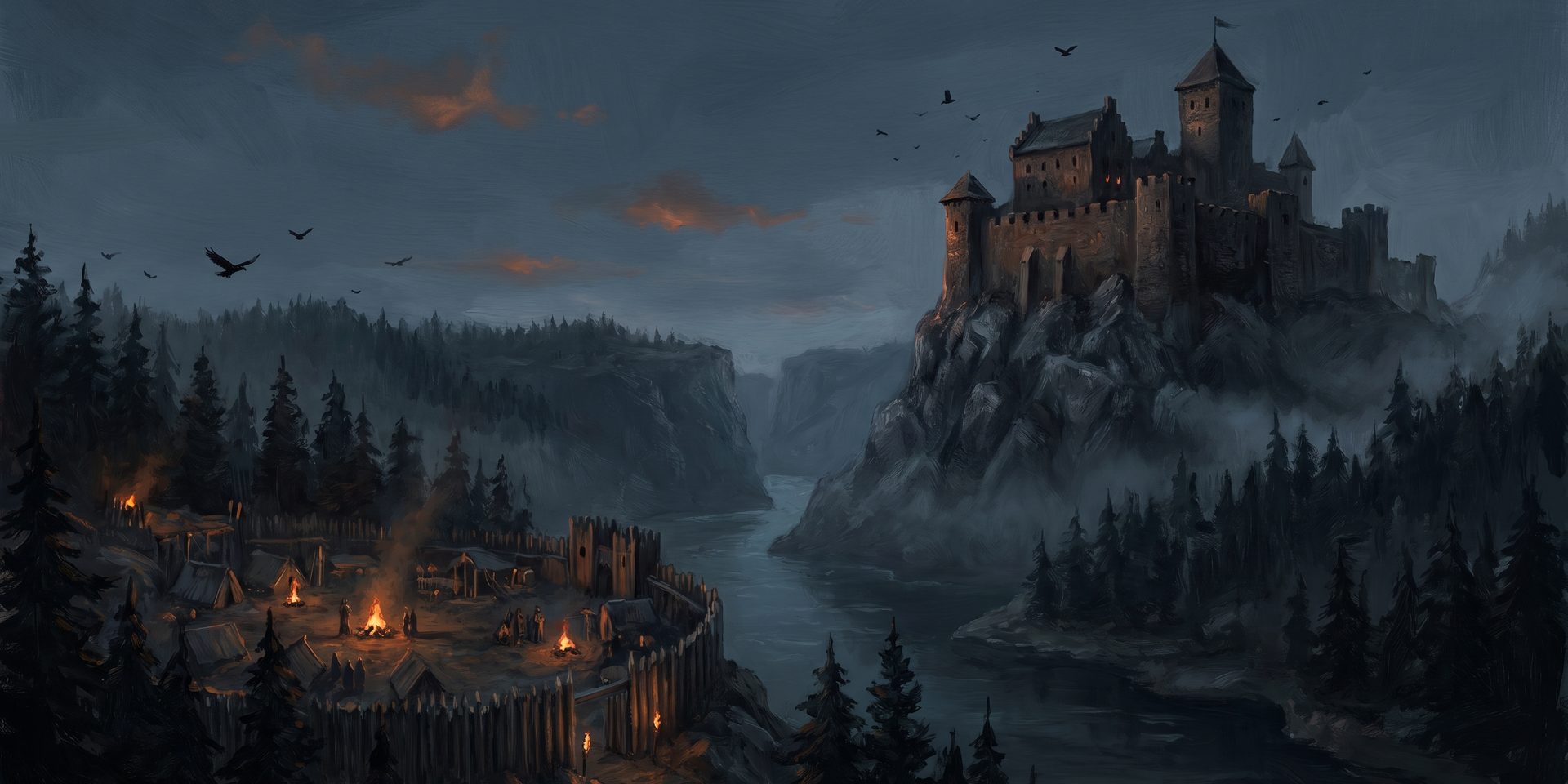

There is a school of RPG that could only have come from Europe, and you know it the moment a nameless convict in a penal colony tells you to earn your place or starve. The continental tradition, born in Germany with Gothic and the Dark Eye adaptations, raised in Poland by The Witcher, and perfected in Bohemia by Kingdom Come: Deliverance, builds small worlds by hand and refuses to flatter you inside them. No chosen ones. No level-scaled comfort. Factions that remember, economies that matter, and protagonists who start the story broke.
This guide maps the whole continent: the German school, the Polish ascent, the French stylists and the Slavic deep end. Part of our complete CRPG guide.
The essential European RPGs
The continental school at full strength
The German school
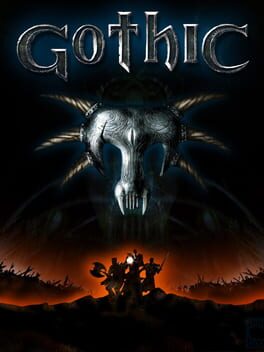
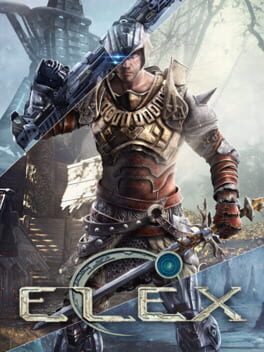
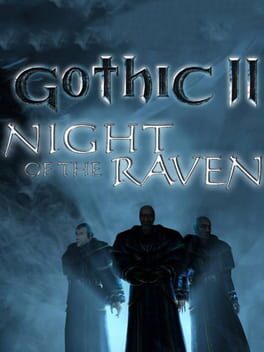
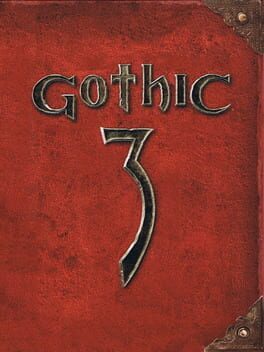
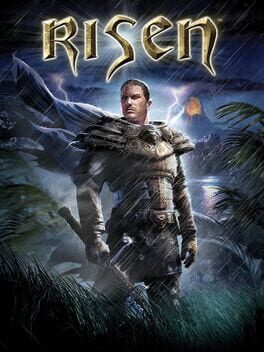
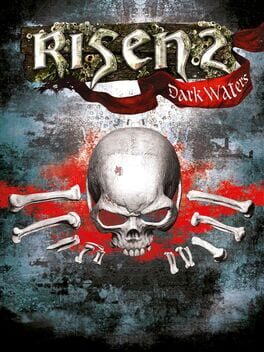
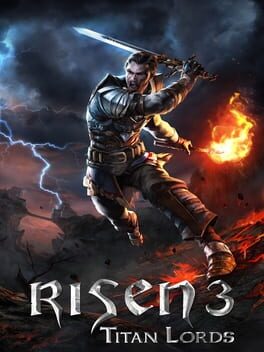
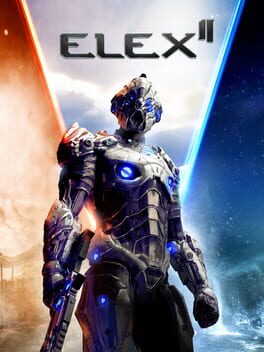
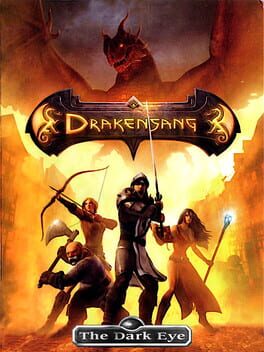
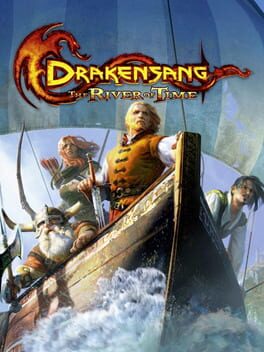
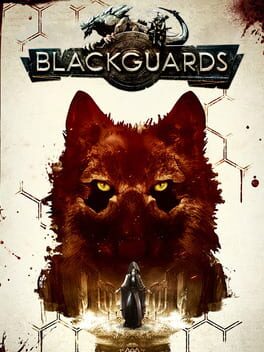
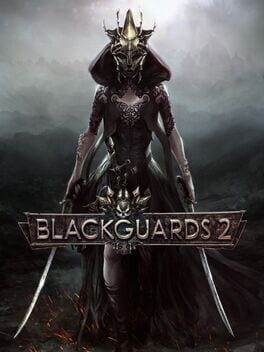
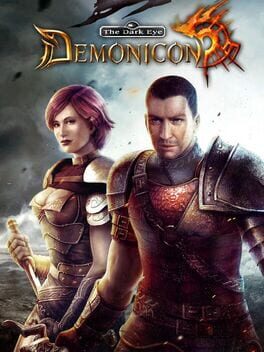
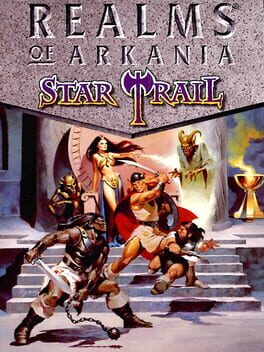
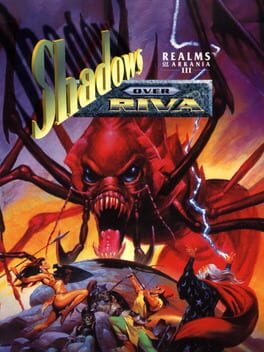
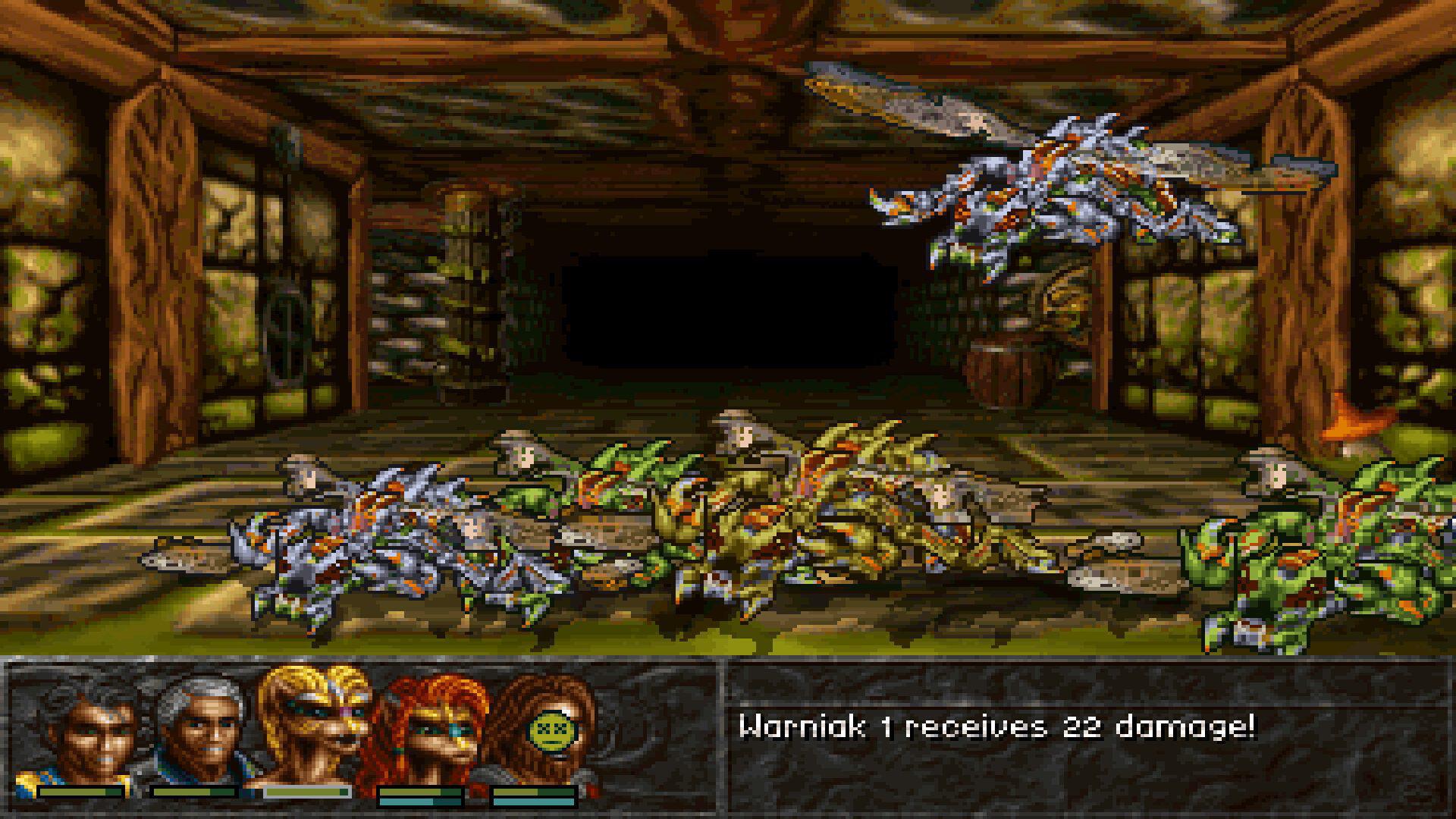
Germany's RPG tradition rests on two pillars: Piranha Bytes' colony worlds (Gothic, Risen, ELEX, one design remade with better hardware for twenty years, and better for it) and The Dark Eye, the pen-and-paper system that outsells D&D at home. The Dark Eye's adaptations run from the Realms of Arkania trilogy's legendary simulation depth to Drakensang's polished parties and Blackguards' tactical hex-grids. Add Sacred's sunny action sprawl and you have a national style: systems-dense, unglamorous, deeply committed to the bit.
The German school
Piranha Bytes, the Dark Eye and the systems-dense north

The continent, year by year
- 1992Realms of Arkania: Blade of Destiny brings the Dark Eye to the PC Realms of Arkania: Blade of Destiny
- 1995Albion: a German blobber hides a first-contact novel Albion
- 2001Gothic: the colony opens Gothic
- 2002Gothic II arrives; the Night of the Raven expansion follows a year later Gothic II: The Night of the Raven
- 2002Divine Divinity: Larian's scrappy debut Divine Divinity
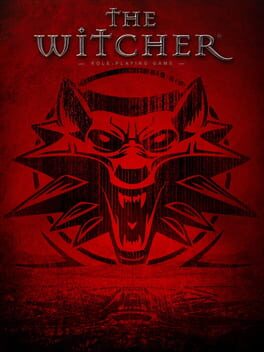
- 2007The Witcher: Poland enters the conversation The Witcher
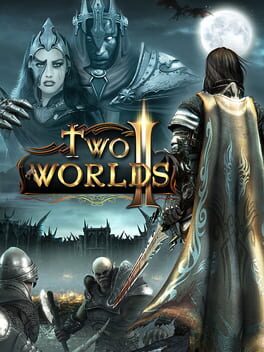
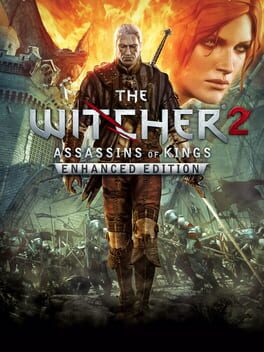
- 2011The Witcher 2 goes cinematic; Two Worlds II keeps the jank flag flying The Witcher 2: Assassins of Kings - Enhanced Edition
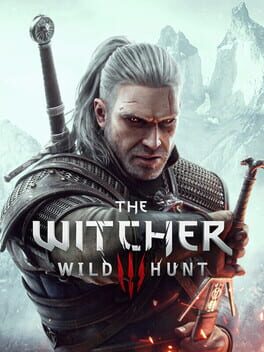
- 2015The Witcher 3: the continental school conquers the world The Witcher 3: Wild Hunt
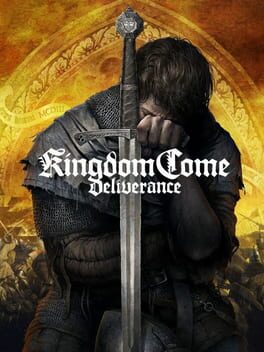
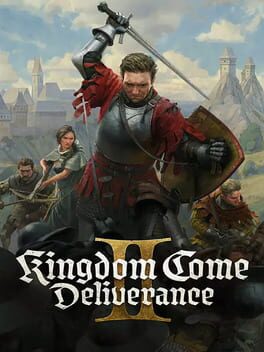
- 2018Kingdom Come: Deliverance makes medieval Bohemia the star Kingdom Come: Deliverance
- 2025Kingdom Come II: the sequel arrives at full gallop Kingdom Come: Deliverance II
The French stylists and the wider continent
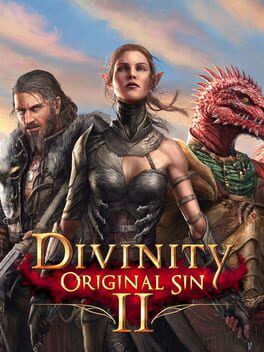
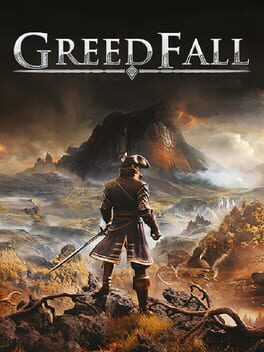
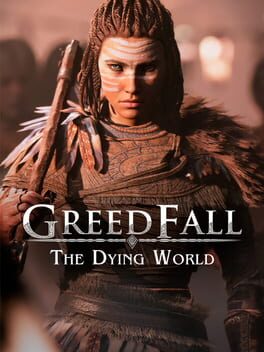
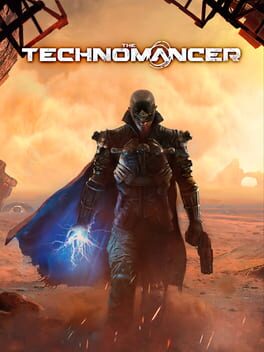
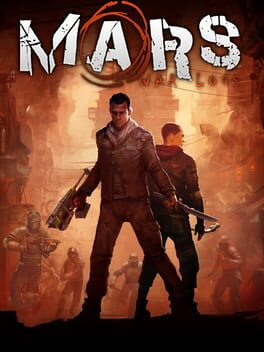
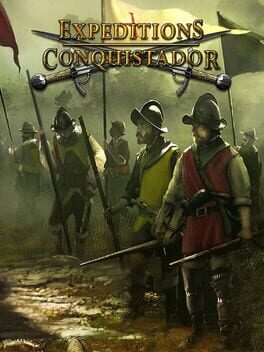
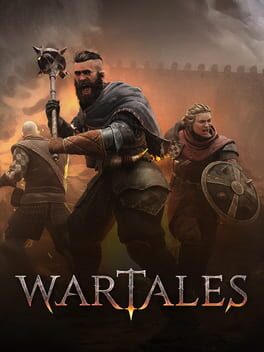
France's Spiders studio spent a decade building double-A RPGs with triple-A ambition, Mars: War Logs, The Technomancer, and finally GreedFall, whose colonial-baroque island asked real questions between the eurojank seams. Belgium gave the school Larian, whose Divinity line grew from scrappy to world-conquering. Denmark's Logic Artists shipped the criminally underplayed Expeditions series; France's Shiro added Wartales' mercenary ledger. The continent's deep bench is deeper than most genres' starting lineups.
The stylists and the deep bench
Spiders, Larian's roots and the continental B-side that outplays most A-sides
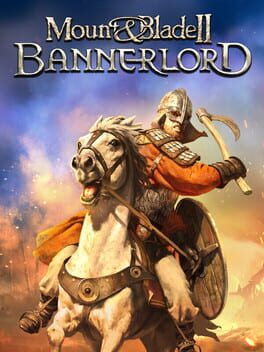
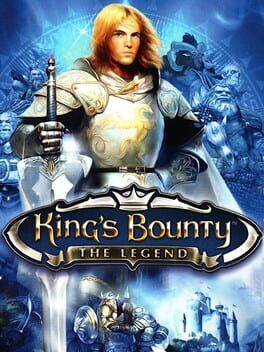
The continental RPG does not ask what you want to be. It asks what you can afford.CrossBinge
The Witcher beyond the games
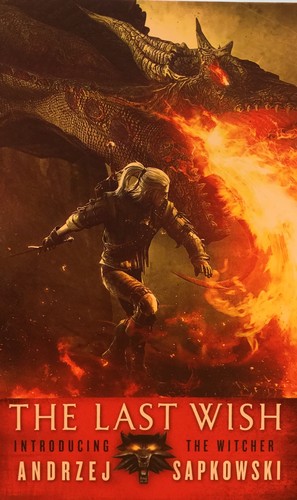
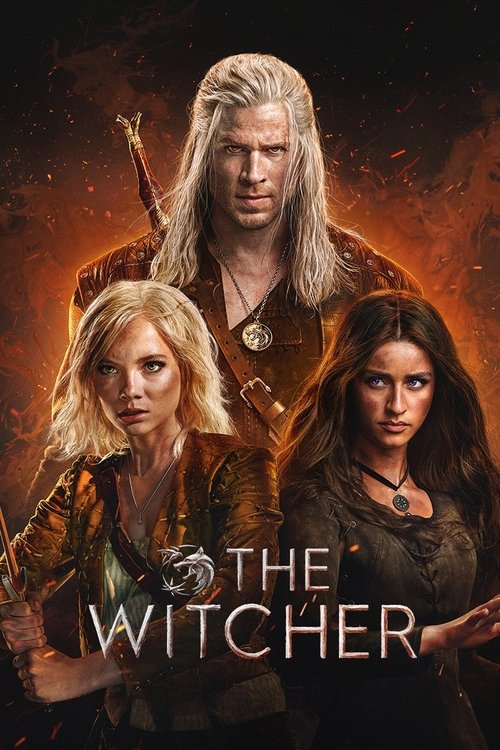
The continental school's biggest export began as Polish short stories in a fantasy magazine. Andrzej Sapkowski's saga, and the Netflix adaptation it spawned, complete the picture.
The Witcher saga beyond the games
Sapkowski's books and the screen adaptations



Keep exploring the CRPG guide
The CRPG: The Complete Guide
Explore the The CRPG: The Complete Guide guide →Frequently asked
What is 'eurojank' and why do people say it with affection?
The half-insult, half-badge for the continental style: huge ambition on a mid-size budget, which shows up as stiff animation, odd voice acting and bugs, wrapped around design ideas the blockbusters will not risk. Gothic, Risen, ELEX, GreedFall and Two Worlds all qualify. The affection is real: the jank buys the ambition.
Where should I start with the Gothic series?
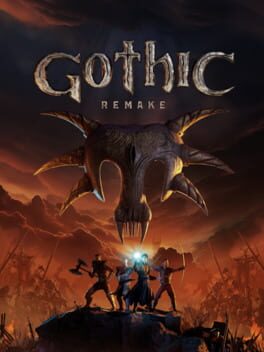
Gothic II with the Night of the Raven expansion is the consensus peak; the 2001 original is rougher but its colony remains one of gaming's great places. A full remake of the first game is on the way for newcomers who cannot face the original controls.
Are The Witcher games based on the books or the other way around?
The books came first: Andrzej Sapkowski published the short stories from 1986 and the saga through the 1990s. CD Projekt's games are unofficial sequels to the novels' ending. The Netflix series adapts the books, not the games, which is why its timeline differs.