

The decade that made the rules -- and broke them
The 1990s didn't refine video games so much as invent them at scale. In ten years, the medium went from SNES platformers to open-world RPGs, from dial-up deathmatches to cinematic storytelling, from arcade ports to genres that didn't have names yet. The developers working in this window were often making it up as they went, and that urgency is still legible in the work. Some of these games sold tens of millions of copies. Some sold almost nothing and quietly rewired the brains of the people who found them. A few did both. The list below is not a ranking. It's a map of a decade that anyone who cares about games should have toured.
The games that defined a generation
The titles everyone agrees on -- and they're right to


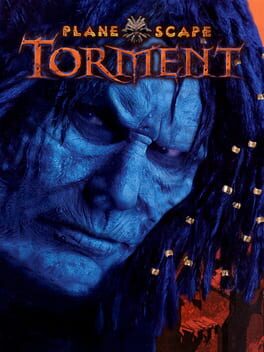
The snub that still stings: Planescape: Torment
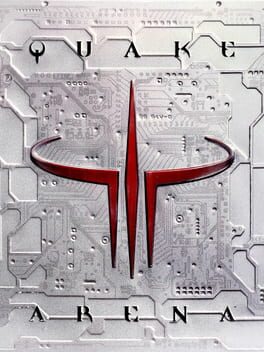
Planescape: Torment (1999) is the most sophisticated writing ever put into a role-playing game, and it won almost nothing when it mattered. It lost the major game-of-the-year cycles to Quake III Arena and EverQuest, games that were technically impressive but thematically inert by comparison. The question at its center, 'What can change the nature of a man?', is still the most interesting question any game has ever asked. Black Isle deserved better from the industry in 1999, and the game has spent the twenty-five years since collecting the retrospective praise that should have arrived on release.
The PC golden age
Strategy, simulation and RPG -- the genres that grew up on a keyboard
The one that aged best: Thief: The Dark Project
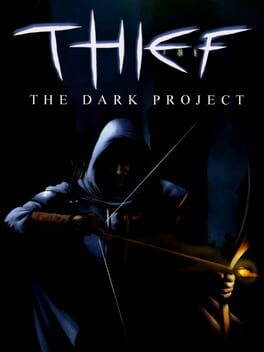
Thief: The Dark Project (1998) invented what we now call the immersive sim and built a stealth system that most modern games still haven't bettered. Its darkness is not aesthetic; it is mechanical. The light gem in the corner of the screen is as elegant a design solution as any interface element produced in the decade. Looking Glass Studios made it on a shoestring budget with a team arguing about design philosophy all the way to ship, and the argument produced something genuinely strange and genuinely great. Every stealth game since is in its debt.
The console auteurs
Platform, action and adventure games that pushed hardware to its limit
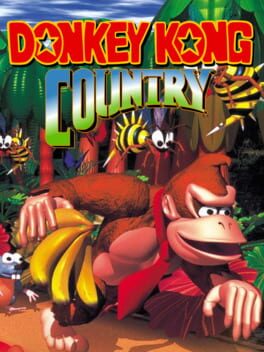
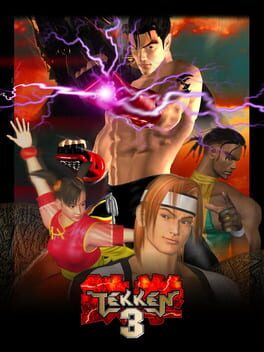

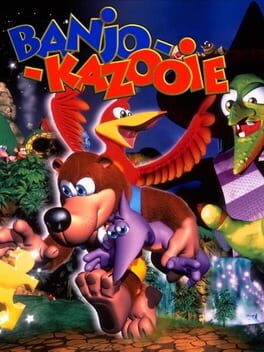
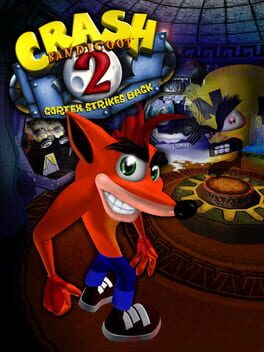
Chrono Trigger's New Game Plus wasn't a feature. It was a philosophy. The game telling you: yes, play it again, differently. The decade's best games were built around that invitation.CrossBinge editorial
A decade in ten moments
- 1991Sonic the Hedgehog announces the console wars have a new language Sonic the Hedgehog 2
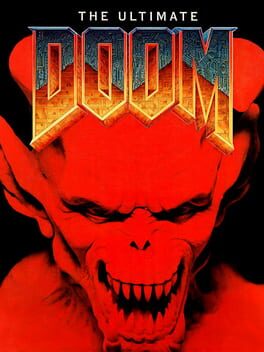
- 1993DOOM ships. The FPS is born. IT departments will never recover. The Ultimate Doom
- 1995Chrono Trigger delivers the JRPG template that the genre still chases
- 1996Super Mario 64 invents 3D movement -- on the first try Super Mario 64
- 1997Final Fantasy VII makes RPGs a mainstream conversation
- 1997Fallout reinvents the post-apocalypse as a moral system Fallout: A Post Nuclear Role Playing Game
- 1998Half-Life ships without a cutscene. Every shooter after follows the lesson. Half-Life
- 1998Ocarina of Time scores a 99 on Metacritic. Still the record. The Legend of Zelda: Ocarina of Time
- 1999Planescape: Torment asks the question games hadn't dared ask before Planescape: Torment
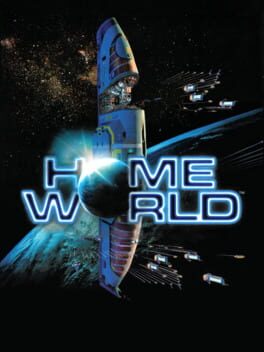
- 1999Homeworld builds a three-axis RTS around loss -- and the genre never went further Homeworld
Overlooked at the time
Games that flew under the radar and got their due only later

The most overrated: Final Fantasy VIII
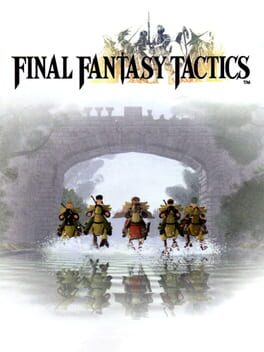
Final Fantasy VIII (1999) had the unenviable job of following the most culturally significant JRPG ever made, and it spent most of its runtime making it difficult to like it. The junction system is interesting in theory and punishing in practice; the story loses coherence in its third act in ways that don't feel intentional; and the central romance asks you to believe in a relationship the game never convincingly builds. It sold spectacularly, landed on hundreds of best-of lists at the time, and deserves about half that praise. Square made four better RPGs this decade, and FF8 is not among them.

The genre inventors
The games that created entire categories of play


The bold swing: Homeworld
Homeworld (1999) built a fully three-dimensional real-time strategy game at a time when the genre was locked to the horizontal plane, and it did it while telling a story about a people who had lost everything. Relic Entertainment were a small Canadian studio with no track record, and they shipped something that felt as though it had been made by people who genuinely believed the medium could do more. The elegance of the three-axis movement, the persistence of your fleet across missions, the spare and devastating score: all of it holds. The RTS genre peaked early, and Homeworld is close to that peak.
The deep cuts worth finding
Not cult classics by accident, but by design
Why this decade resists a clean verdict
The 1990s produced the most consequential ten years in the history of the medium, and it produced them messily. Some of the best games were commercial failures. Some of the worst were bestsellers. The technology was moving so fast that a game could feel dated within eighteen months of release, which is why several entries on this list took years, sometimes decades, to get the reputation they deserved. The decade also established patterns the industry is still fighting to escape: the prestige-action formula, the sequel arms race, the JRPG narrative template. If you want to understand where games came from and why they look the way they do, this decade is the answer. Start anywhere. Stay for a while.