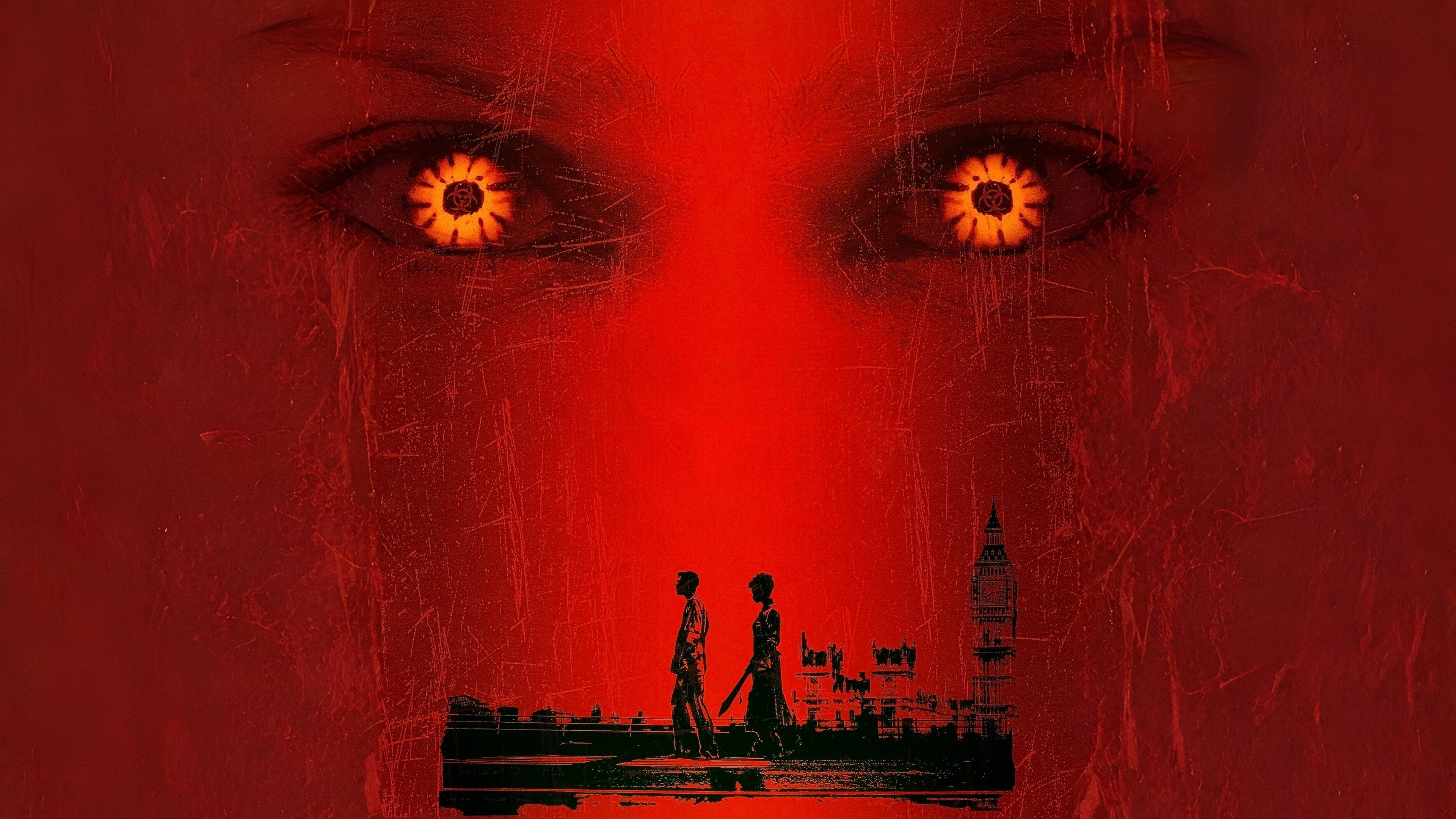

What 28 Days Later delivers is not gore for its own sake. It is speed, silence, and the slow horror of realising that survival might cost you everything that made survival worth wanting. Jim waking alone in an abandoned London is one of the great opening sequences in British cinema: a city emptied, nature already creeping back, the quiet before something terrible closes in. Alex Garland's script does not waste the premise. By the time the film reaches its final act, the infected are almost beside the point. The real question is what ordinary people become under pressure, and whether the answer is forgivable. If that combination of breathless pacing, stripped-down dread, and genuine moral weight is what you chase, the works below were built for you.
Same-Director, Same Urgency
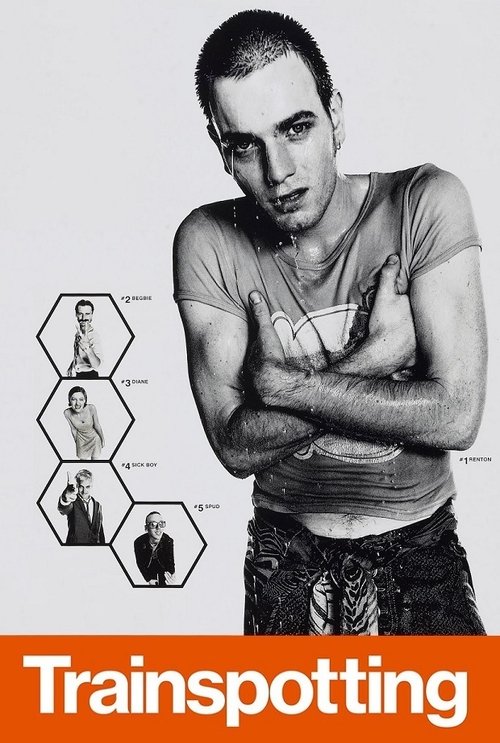
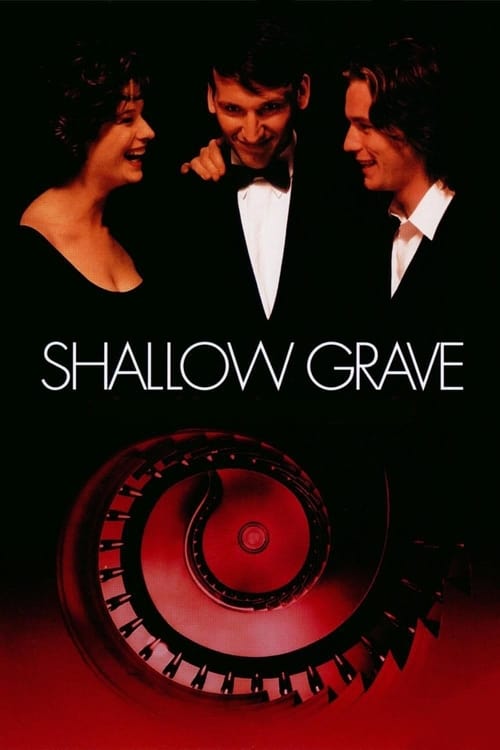
Danny Boyle and Alex Garland films that share the energy
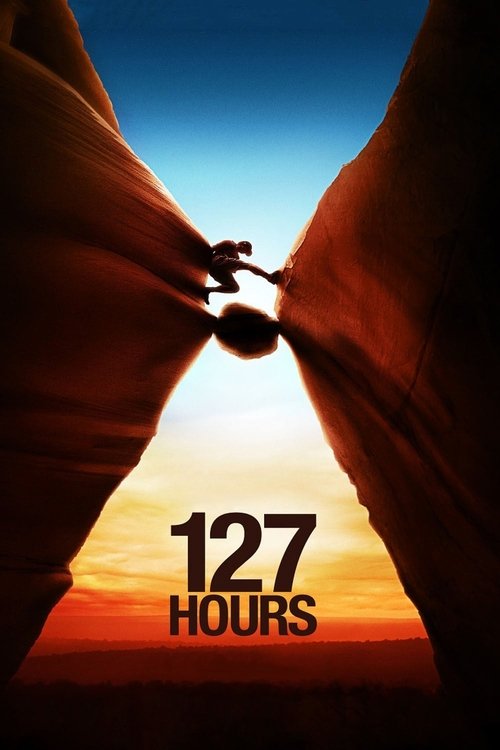

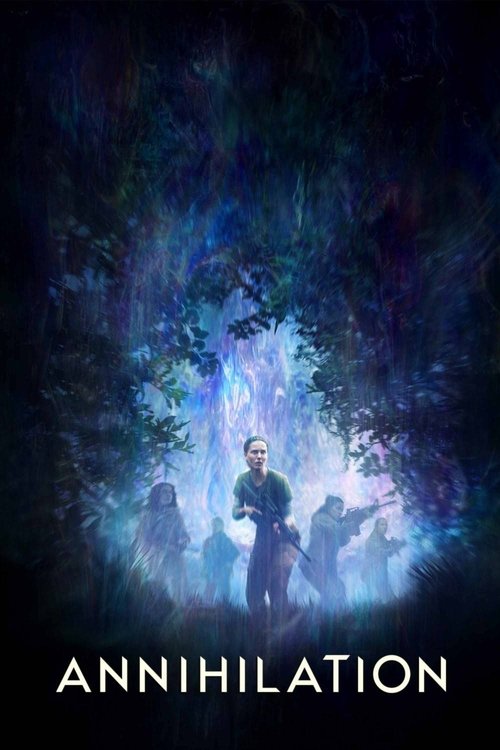
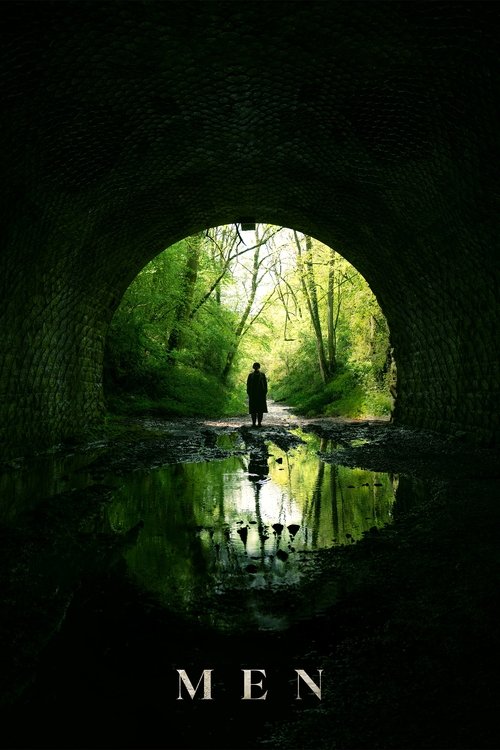
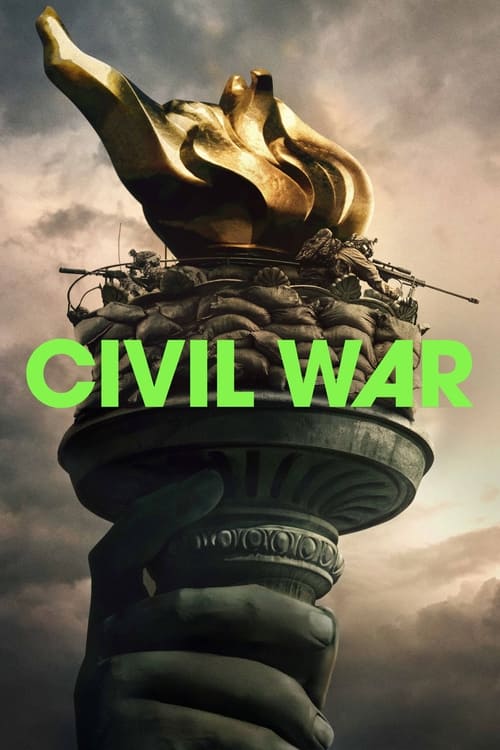
Films That Earned the Dread
Survival horror and collapse cinema with real stakes
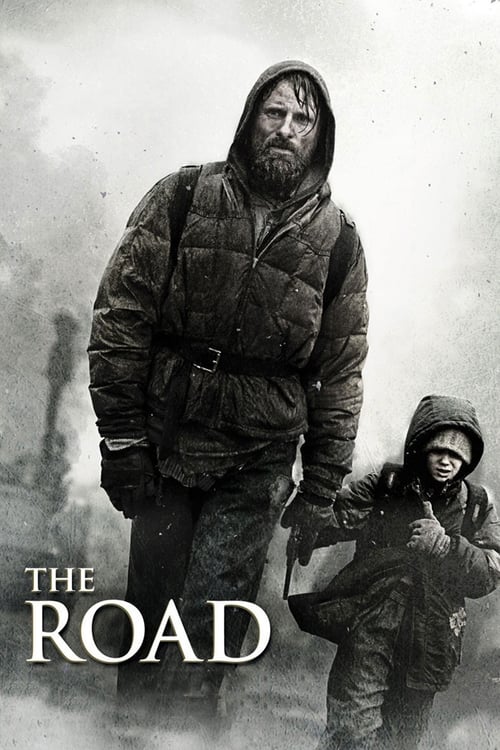
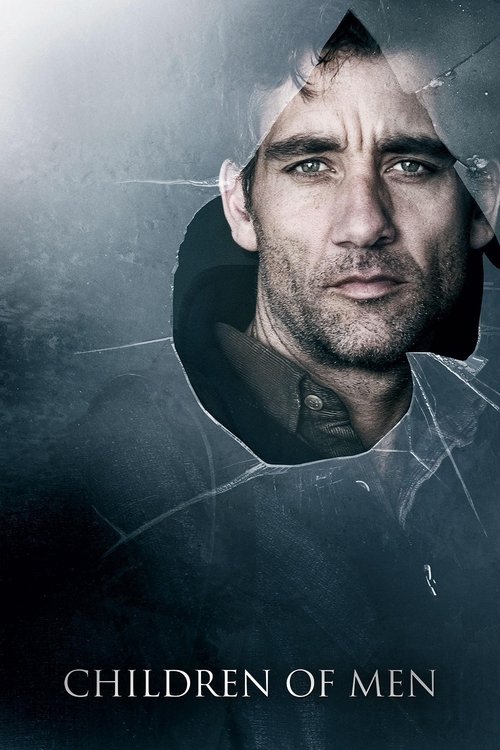
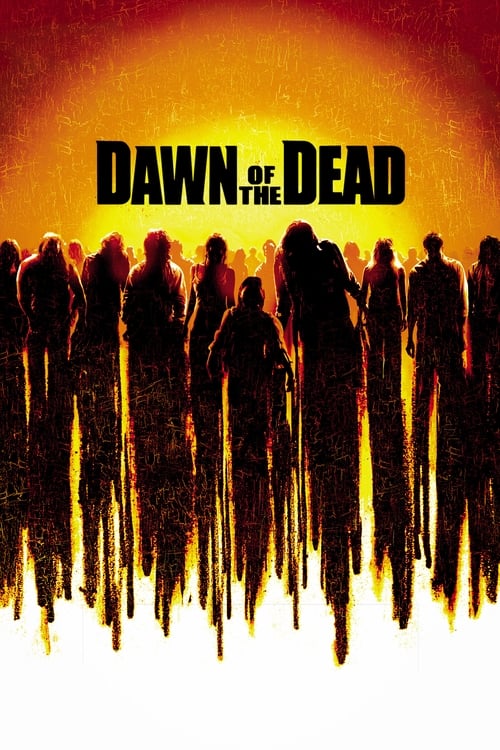
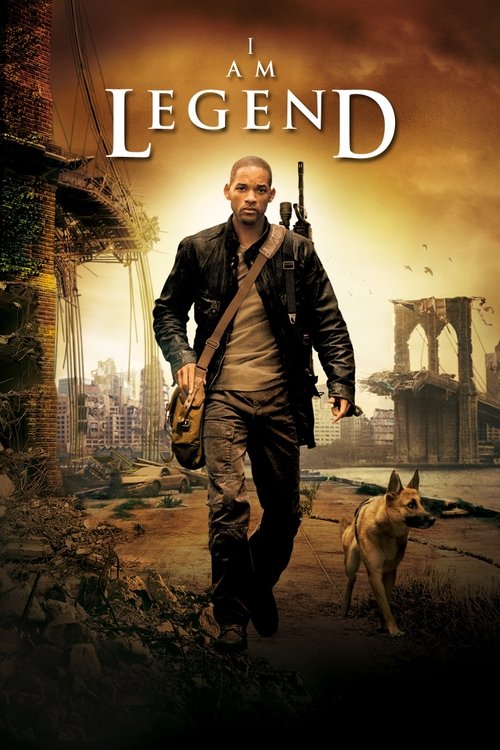

Series That Live in the Same Register
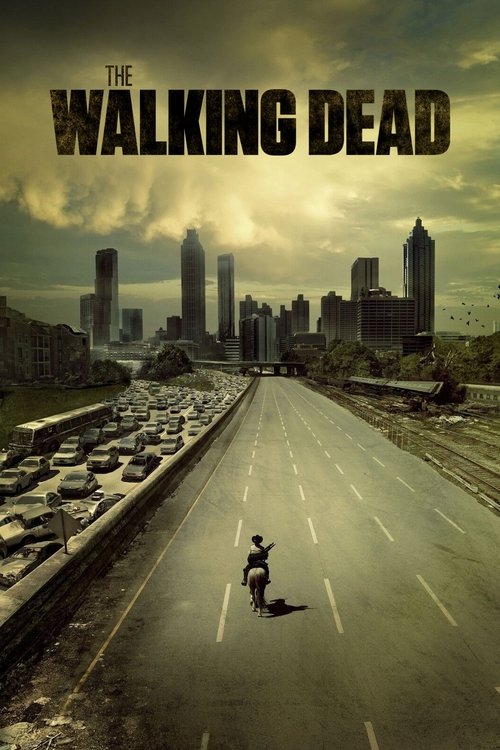
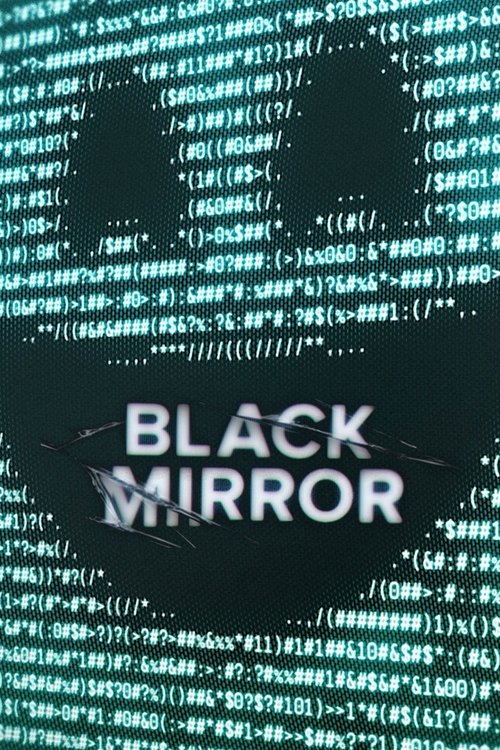
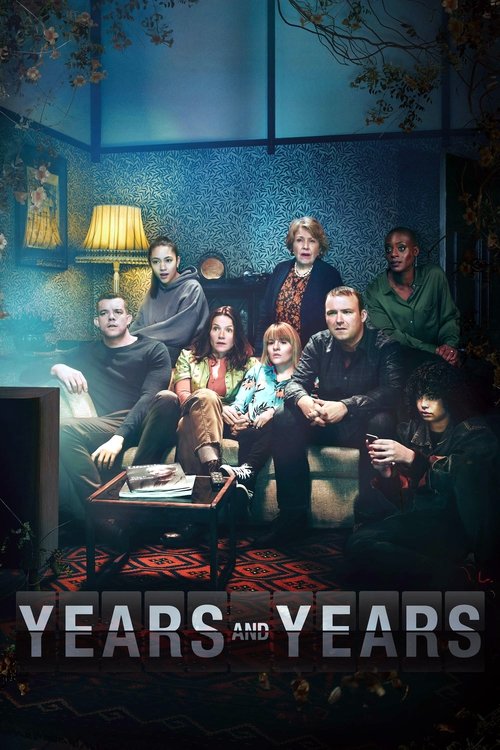
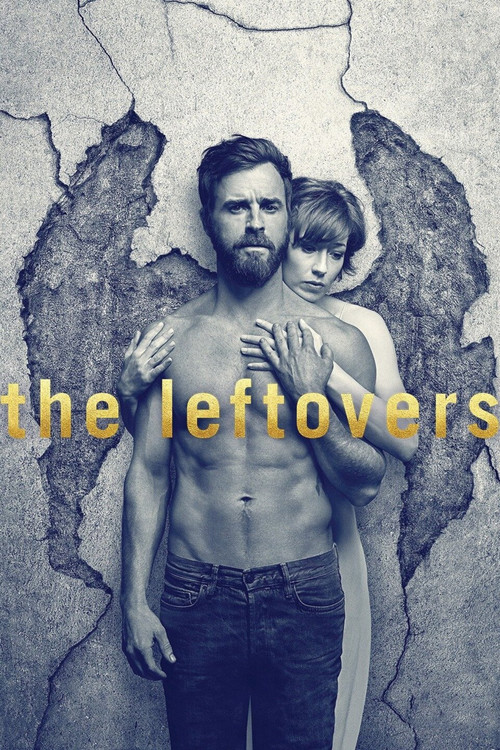
TV that takes the collapse seriously
Novels That Go to the Same Dark Place
Literary survival fiction where the human cost is the point


Games That Capture the Isolation and the Stakes
Survival and horror games where vulnerability is the design
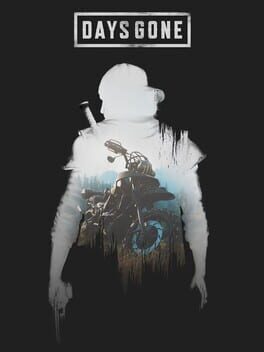
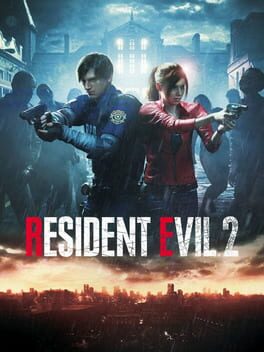
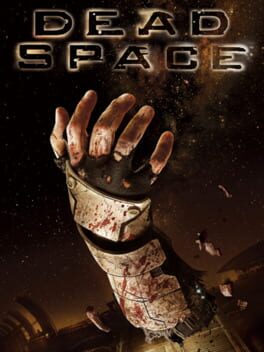
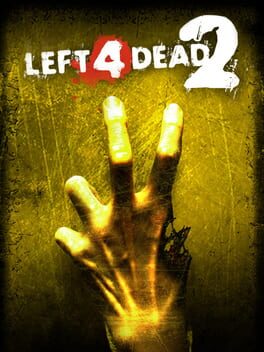
The Running Infected Changed Everything
Before 2002, the cinematic zombie moved slowly. That was the contract: you could outrun it, which meant the horror was about encirclement and numbers, not speed. 28 Days Later broke the contract. The infected in Boyle's film are not undead; they are alive, enraged, and fast. That single change removed the safety buffer that decades of zombie cinema had relied on. Suddenly the creature was genuinely dangerous in a one-on-one encounter. Every successor in the genre since has had to decide which side of that line it stands on.
Alex Garland Writes Fear at the System Level
Garland's scripts return to the same anxiety: what happens when the institutions meant to protect you become the threat? In 28 Days Later it is the soldiers at the manor. In Ex Machina it is the corporation. In Annihilation it is the research directive itself. The infected are rarely the final horror in his work; they are the condition that strips away the protective social layer and reveals what was underneath. That structural concern makes his films re-watchable in a way that straight creature-features are not.
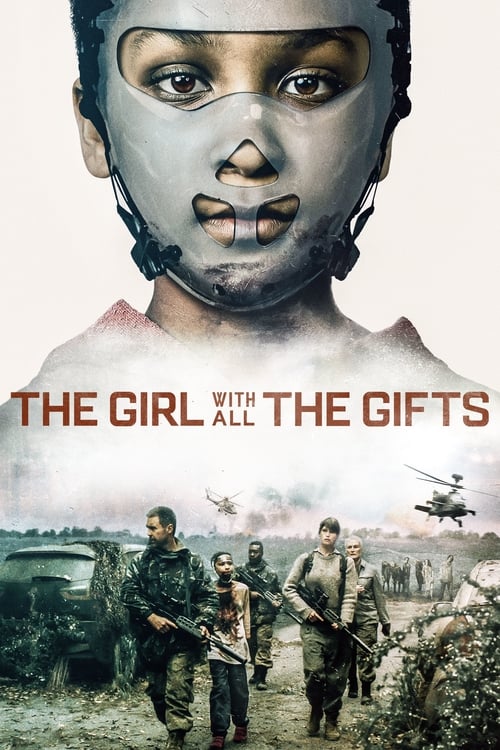
The Girl with All the Gifts Is the Worthy Literary Heir
M.R. Carey's novel (and the 2016 film adaptation) takes the rage-virus premise and adds a second generation: children born infected but still partially conscious, still capable of love. Where 28 Days Later asks whether survival justifies cruelty, The Girl with All the Gifts asks whether the infected have as much right to a future as the uninfected. It is the sharpest extension of the ideas Boyle and Garland introduced, and it earns its ending in a way that is genuinely surprising.
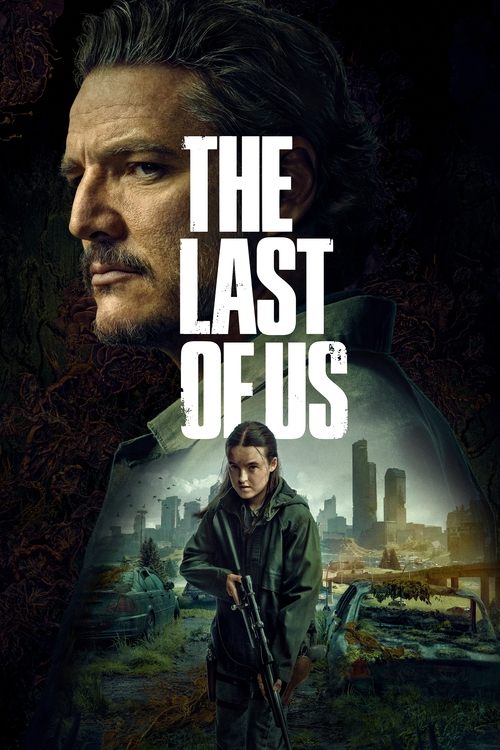
The Last of Us Is the Game That Finally Matched the Emotional Register
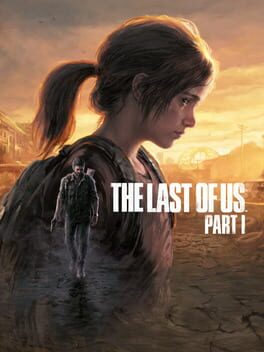
Most survival games borrowed the iconography of zombie cinema without its emotional seriousness. The Last of Us borrowed the seriousness instead. Naughty Dog's 2013 game opens with a loss that the player is forced to participate in, not watch, and it never lets the audience off the hook after that. The relationship at its centre is earned over the length of the game in the same way the bond between Jim and Selena is earned over the length of 28 Days Later: through shared horror and small, quiet moments between the violent ones.
A Timeline of Post-Collapse Cinema and Fiction
- 1954Richard Matheson publishes I Am Legend, the novel that redefined viral horror and influenced virtually every zombie narrative that followed. I am Legend
- 1968Romero's Night of the Living Dead establishes the slow-zombie template that will hold for over thirty years. Night of the Living Dead
- 1978Dawn of the Dead expands the canvas to a shopping mall, adding social satire to the survival horror framework. Dawn of the Dead
- 200228 Days Later arrives, rewriting the rules with fast infected, a digital camera aesthetic, and a script that turns the military into the third-act villain. 28 Days Later
- 2004The Dawn of the Dead remake and Shaun of the Dead both respond to Boyle's film, one earnestly and one affectionately. Shaun of the Dead
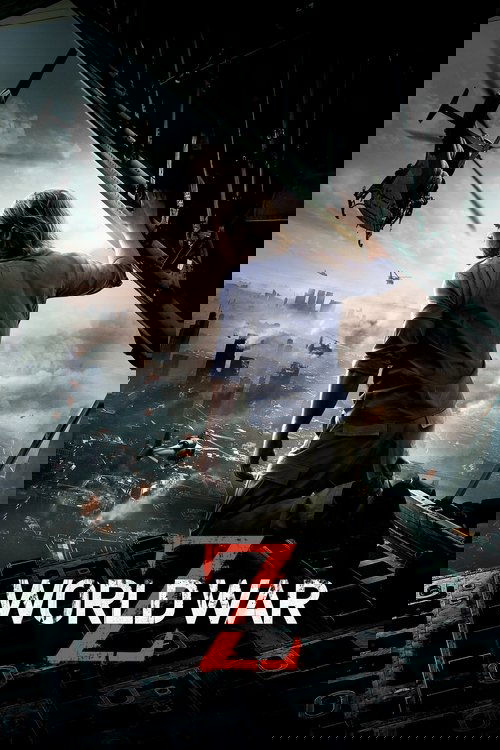
- 2006Max Brooks publishes World War Z, the oral-history novel that treats the zombie pandemic as a geopolitical event rather than a horror premise.
- 200728 Weeks Later arrives with a more operatic scale and a bleaker conclusion than its predecessor. 28 Weeks Later
- 2013The Last of Us delivers the emotional depth that the game medium had rarely brought to post-collapse survival. The Last of Us Part I
- 2016The Girl with All the Gifts complicates the infected-vs-human binary of the Boyle films with a child protagonist who is both. The Girl with All the Gifts
- 2023The Last of Us series on HBO brings the game's emotional rigour to television, reaching the audience that missed the game. The Last of Us
Outbreaks, the dead, and after
Zombies
Explore the Zombies guide →The infected are not the story. They are the condition that removes everything hiding the story underneath.CrossBinge