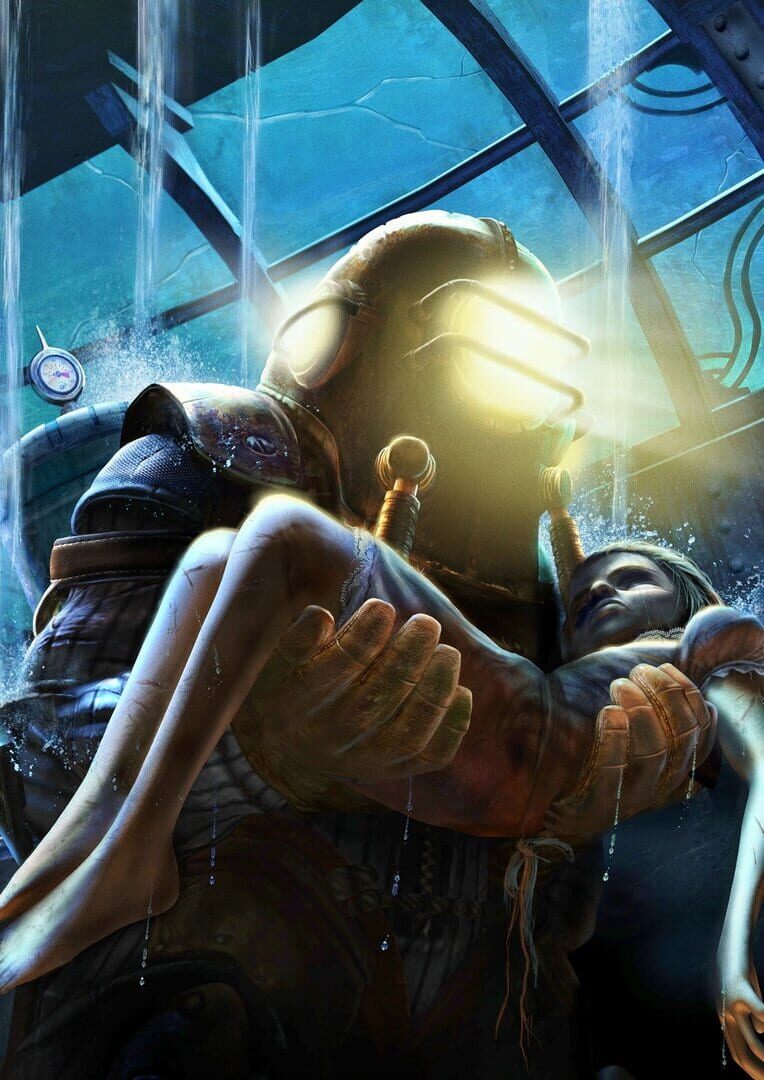

BioShock arrives like a fever dream: a bathysphere descends into a city built on radical freedom and finds only wreckage. Irrational Games handed players a city that had everything and destroyed itself anyway, and that premise proved so fertile that two sequels, a spin-off, and a decade of critical retrospectives have not exhausted it. What fans return to is not the combat or the loot but the feeling of inheriting a world mid-collapse, piecing it together from audio diaries and propaganda posters, watching an ideology eat itself. The through-line across BioShock, BioShock 2, and BioShock Infinite is the same: a utopia designed by a true believer, corroded by human nature, and left for you to walk through alone. That sensibility, part pulp thriller, part political philosophy seminar, part haunted-house architecture tour, is the lens through which every recommendation below is filtered.
Essential BioShock
The games themselves, ranked by the depth of their rabbit hole.


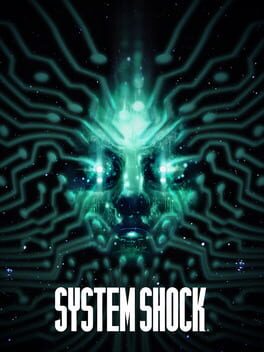
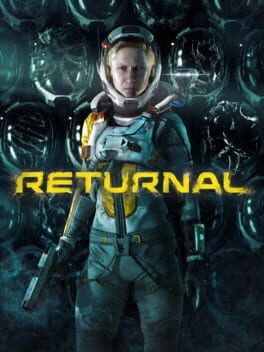
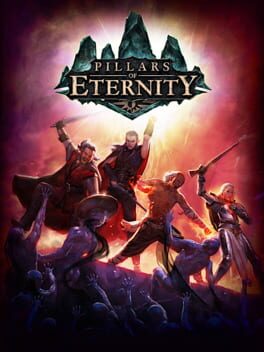
If You Love the Atmosphere: Games That Build Worlds You Read
Narrative immersive-sims where the environment is the story.






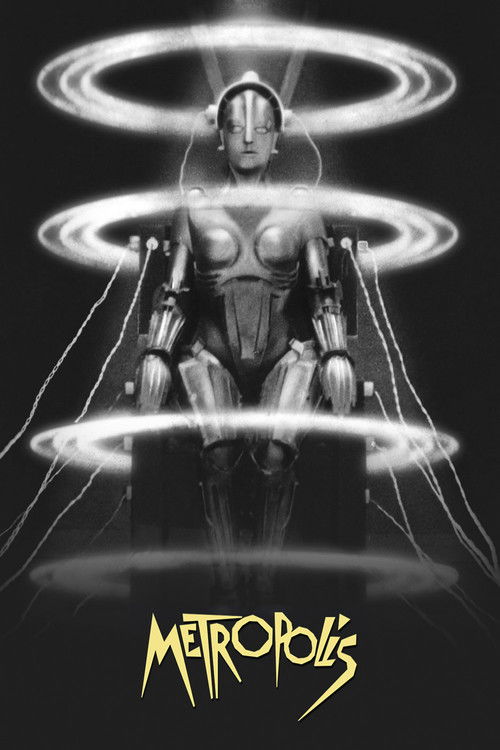
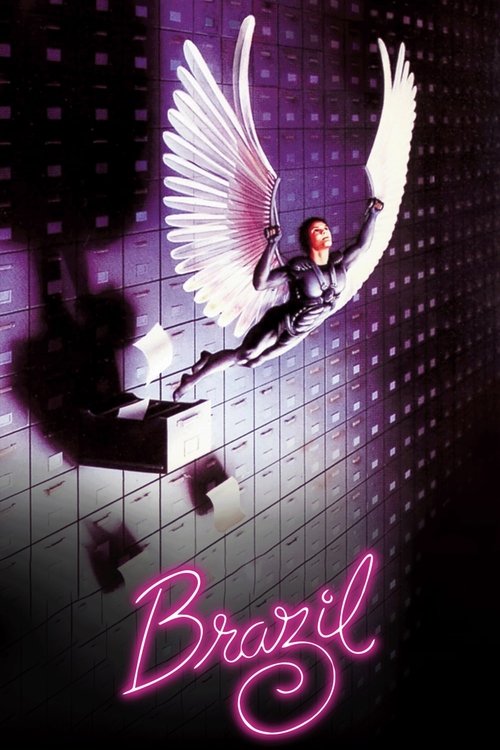
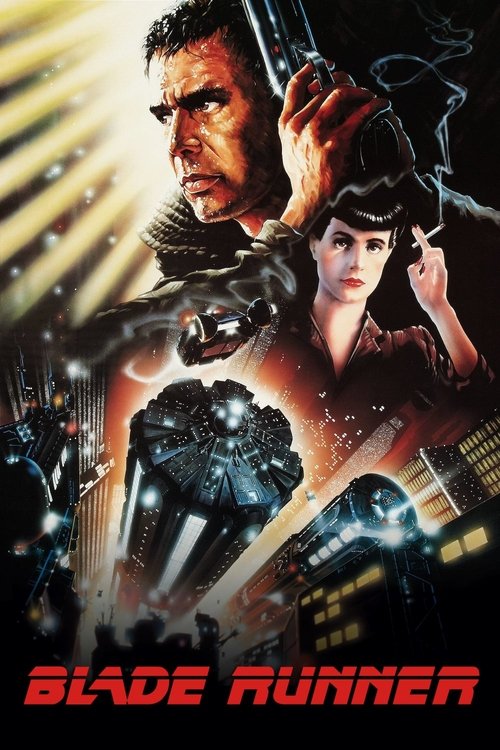
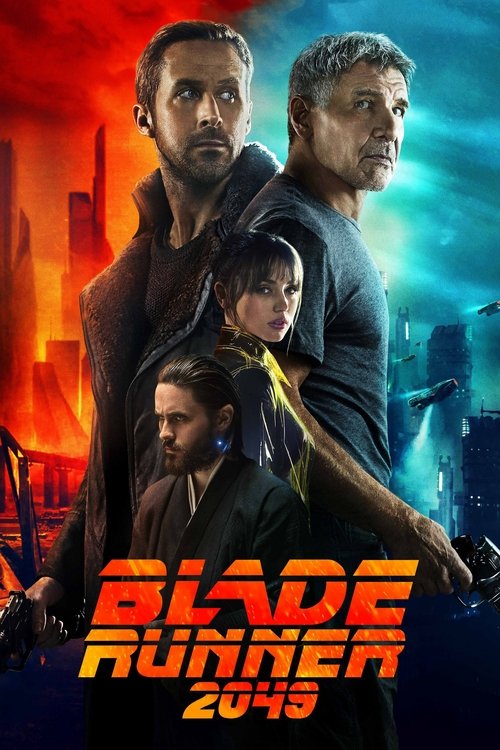
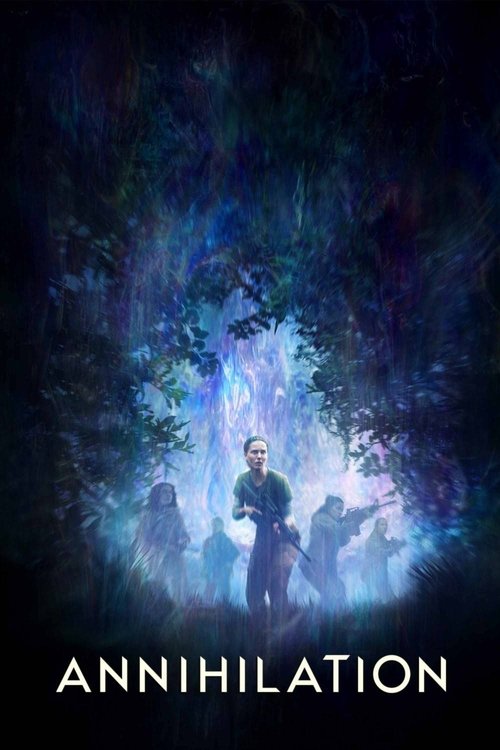
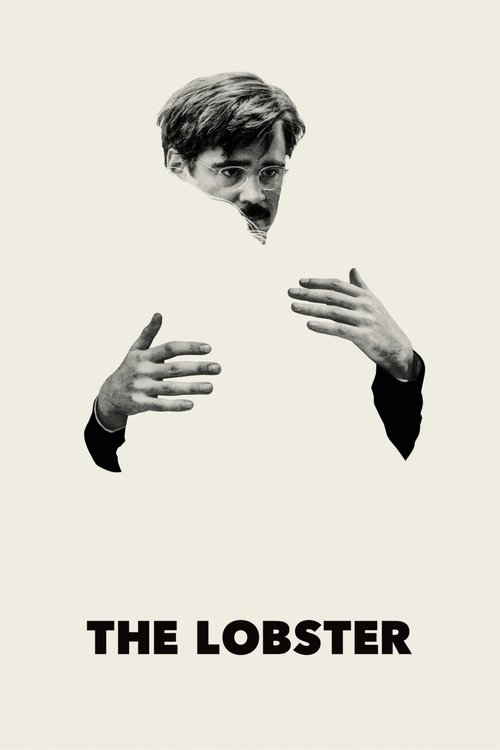
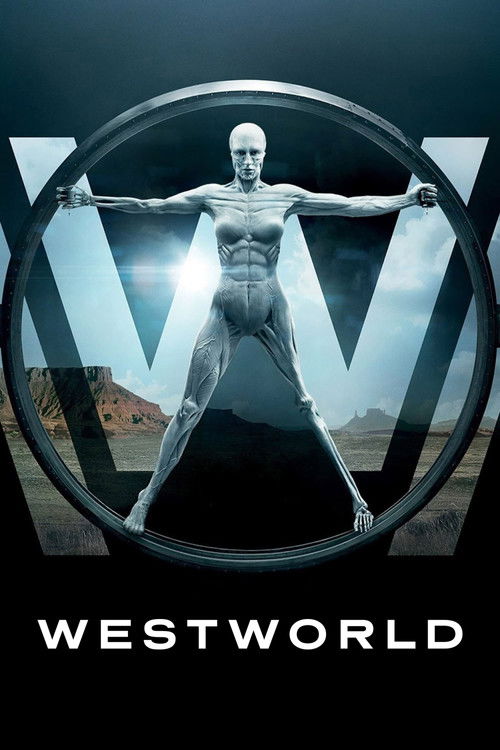
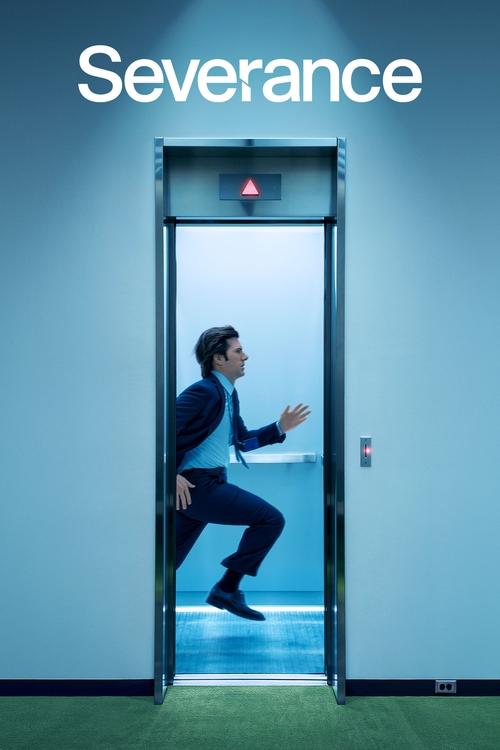
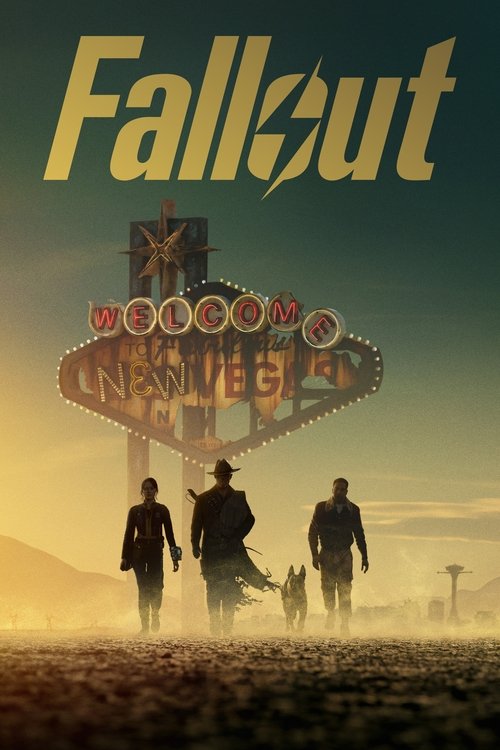
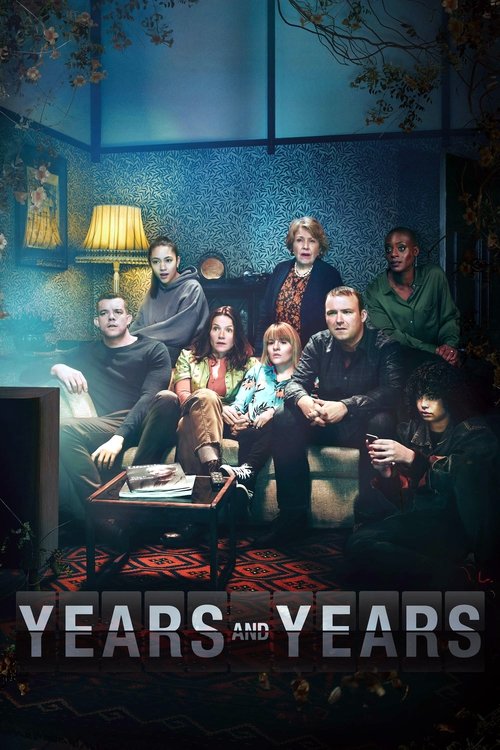
If You Love the Ideology: Films and Series About Utopias Gone Wrong
Dystopian and retro-futurist cinema that asks the same questions Rapture and Columbia ask.




If You Love the Objectivism and the Argument: Essential Novels
Books that gave BioShock its philosophical skeleton, and the dystopias that answered back.


If You Love the Art Deco and the Jazz: Music That Scores the Ruin
Big band, torch songs, and modern composers who capture the elegance-meets-dread of Rapture.
Rapture Was Always Doomed Before You Arrived
The masterstroke of the original BioShock is that the catastrophe is baked into the premise. Andrew Ryan built Rapture to prove that the strong need not answer to the weak, and the first thing you discover is that the strong destroyed each other anyway. The audio diaries do not tell a story of sabotage from outside. They tell a story of a philosophy consuming its own adherents. Every game in the series repeats that structure: the founder is right about the diagnosis of the old world and catastrophically wrong about the cure. Prey (2017) is the closest a non-BioShock game gets to that feeling: a station built on grand ambitions, wrecked from within, and full of notes from the people who were there when it went wrong.
Columbia Is the More Ambitious Game, Rapture Is the Better World
BioShock Infinite aimed higher than Rapture in almost every dimension: a bigger cast, a more elaborate plot, a more overtly political setting, a fully realised companion. The argument it stages, American exceptionalism, racial supremacy, and religious nationalism as another flavor of the same utopian madness, is braver than anything in the first game. And yet most fans return to Rapture. The art deco underwater city has an internal logic that Columbia, for all its spectacle, never quite achieves. Westalnd has its sky-hooks; Rapture has its bathyspheres and plasmids and the unmistakable feel of a working city that could, theoretically, have worked. That solidity is what makes the ruin feel like a real loss.
The Immersive Sim Is the Only Genre That Trusts You to Think
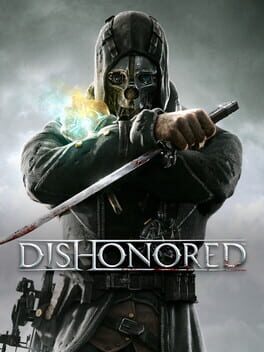
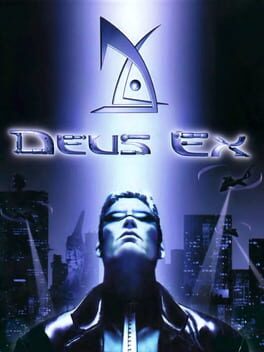
BioShock sits inside the immersive sim lineage that runs from Ultima Underworld through System Shock to Deus Ex, and the genre's defining promise is that it never holds your hand through its philosophy. No cutscene explains what objectivism is. No tooltip explains what went wrong with Rapture. You read a world that was built by people who believed in something, and you form your own verdict. That trust is increasingly rare. Dishonored, Prey, and the original Deus Ex are the other games that fully honor the contract. The rest of gaming mostly outsources the thinking to exposition.
Burial at Sea Proves the Universe Still Had Secrets
The two-part Burial at Sea DLC for Infinite was widely received as fan service and nothing more, a return to Rapture before the fall. It is more than that. Part Two, in which you play as Elizabeth with a single pistol and almost no combat resources, is the tensest and most morally serious thing in the entire series. The choice to reframe the entire Rapture story through a character who was never there originally, and to make her complicit in the events that doomed it, retroactively enriches both games. It also proved that the BioShock setting rewards narrative expansion in a way few game universes manage.
A Chronology of Utopias and Their Discontents
- 1921We by Yevgeny Zamyatin, the first dystopian novel, is written in the USSR and banned immediately. Owen
- 1932Aldous Huxley publishes Brave New World, a controlled paradise as horror story. Brave New World
- 1949George Orwell completes Nineteen Eighty-Four while dying of tuberculosis. Nineteen Eighty-Four
- 1957Ayn Rand publishes Atlas Shrugged, the philosophical source text for Rapture.
- 1927Fritz Lang's Metropolis stages the class war of the utopian city for the first time on screen. Metropolis
- 1985Terry Gilliam's Brazil turns bureaucratic dystopia into dark comedy. Brazil
- 1999System Shock 2 founds the atmospheric immersive-sim template BioShock will perfect. System Shock 2
- 2007BioShock releases; Rapture becomes the most discussed setting in a decade of games. BioShock
- 2010BioShock 2 revisits Rapture from a Plasmid-enhanced Big Daddy's perspective. BioShock 2
- 2013BioShock Infinite lifts the concept into the sky, trading art deco for American exceptionalism. BioShock Infinite
- 2017Prey (Arkane) becomes the spiritual successor Irrational Games never made. Prey
- 2022Severance premieres, adding corporate complicity to the genre's gallery of beautiful jails. Severance
Dystopias, ruined utopias, broken ideals
Dystopian Societies
Explore the Dystopian Societies guide →A man chooses. A slave obeys. The choice BioShock gives you is the choice to understand what that sentence costs.CrossBinge