
The disaster story is one of the oldest human narratives: the world comes apart, and we find out who survives and why. It is not really about the earthquake or the wildfire or the asteroid. It is about the compressed version of society that emerges when infrastructure collapses, when the usual rules suspend, when a nurse or a contractor or a teenager suddenly carries more weight than a senator. The best disaster stories resist easy catharsis. They sit in the chaos long enough to ask hard questions about class, luck, competence, and the limits of solidarity. Whether the format is a three-hour blockbuster, a literary novel, a survival game, or a ten-episode limited series, the pull is the same: you want to know how people hold together, or fall apart, when everything is taken from them.
Essential Disaster Cinema
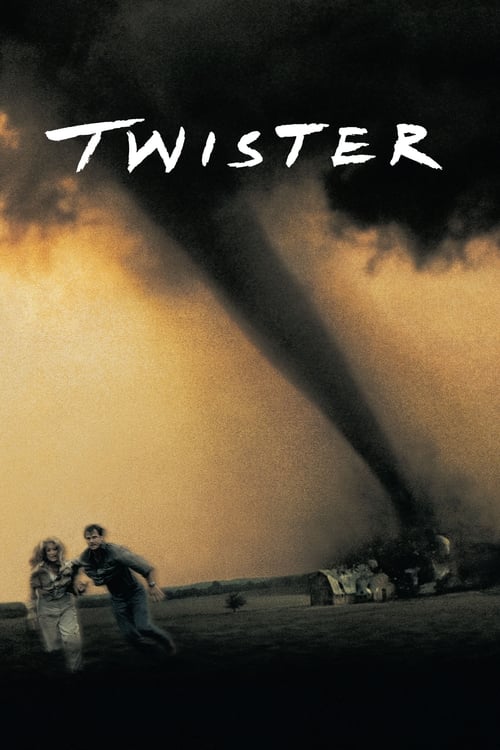
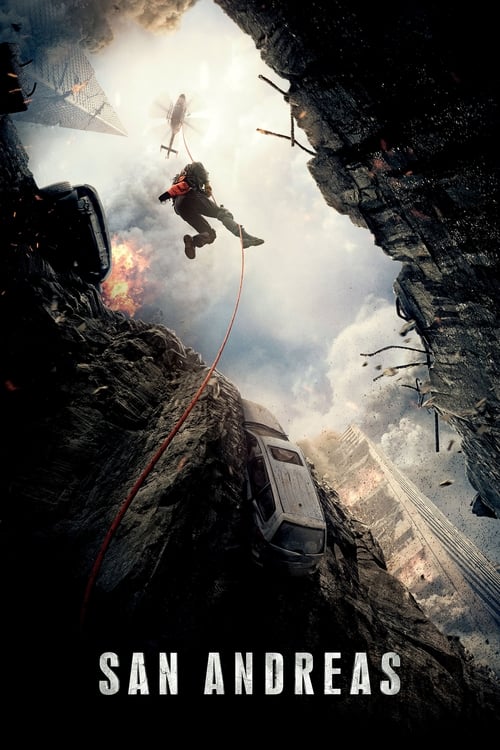
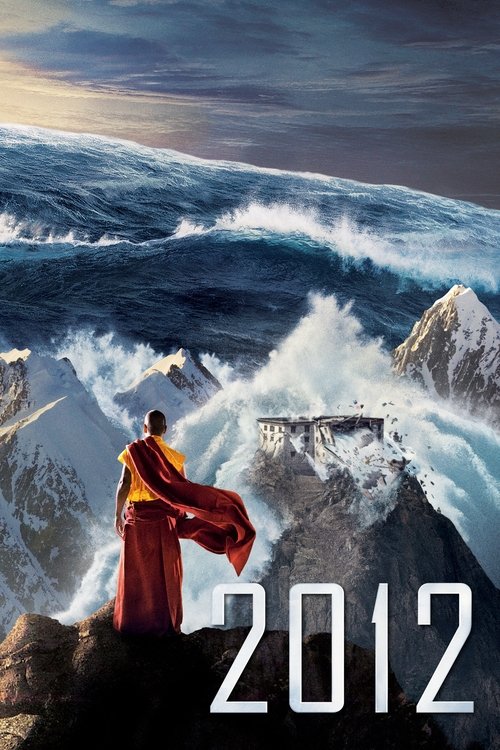
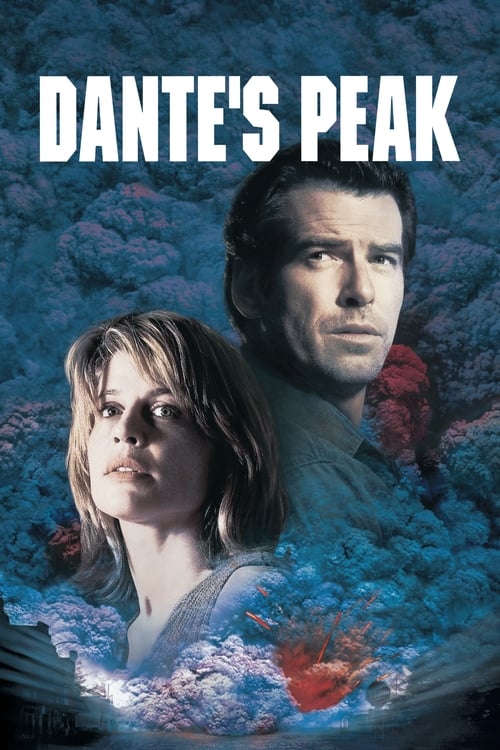
The films that defined and deepened the genre
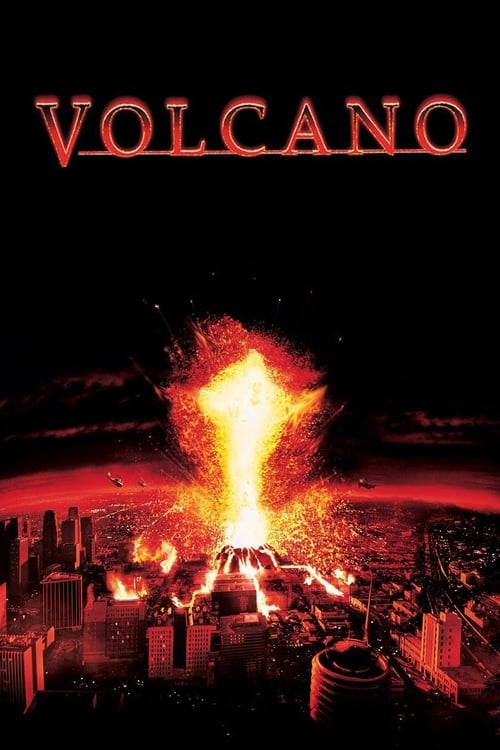
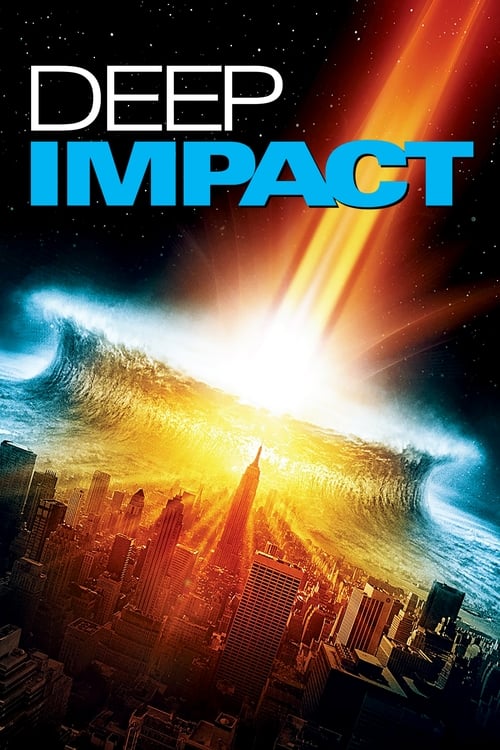
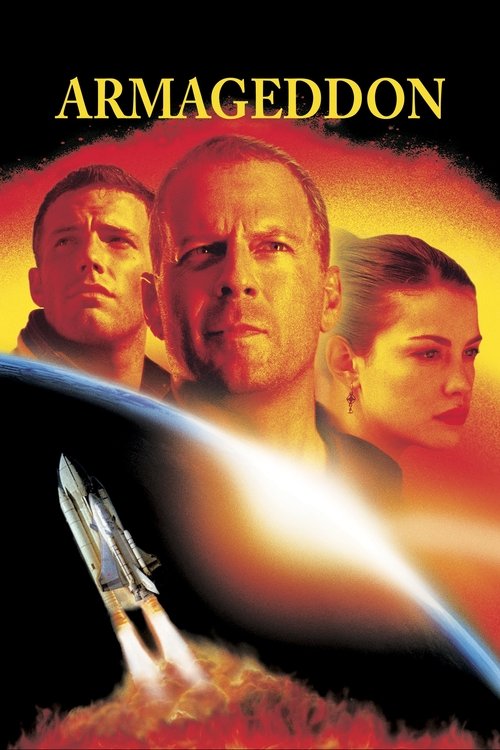
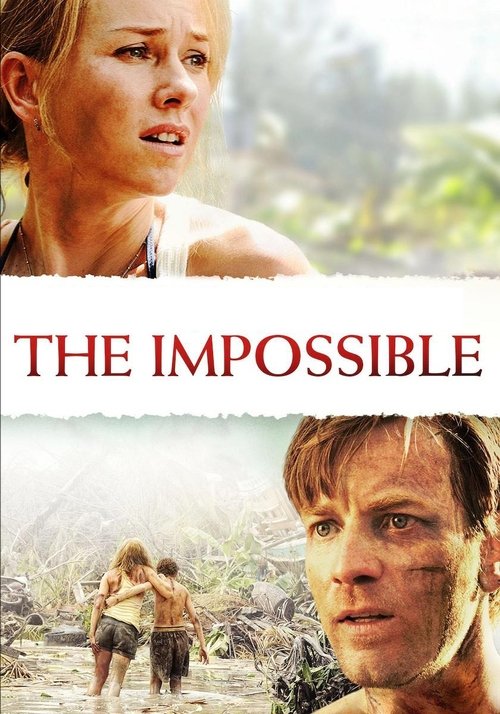
When the Series Takes Its Time
Television and streaming disaster stories that let the aftermath breathe

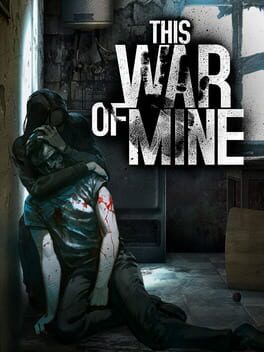
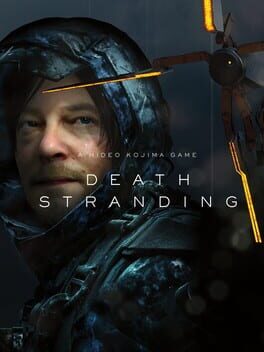
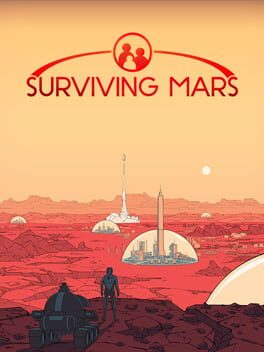
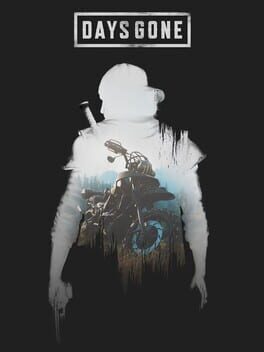
Survival Under Pressure: Games
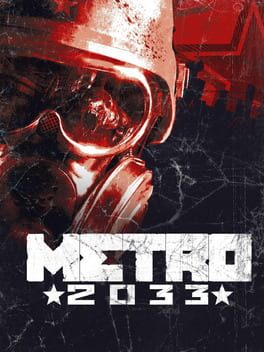
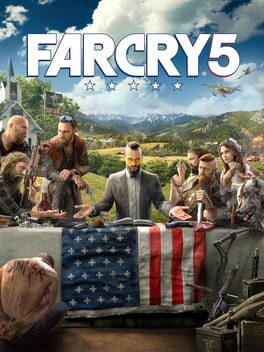
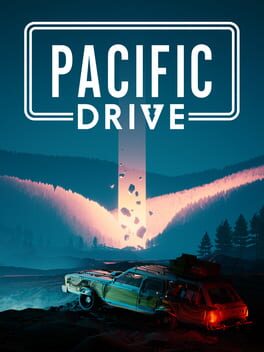
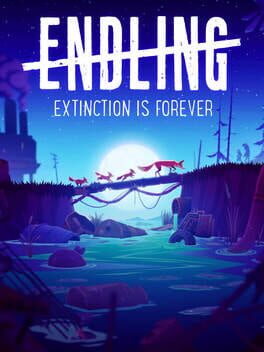
Games that put you inside the collapse and make every resource count
Novels That Stay With You
Books where catastrophe is the lens for character and civilization


Scores and Soundscapes of Collapse
Music that captures scale, dread, and the quiet after
Chernobyl Proved the Slow Disaster Is the Scariest Kind
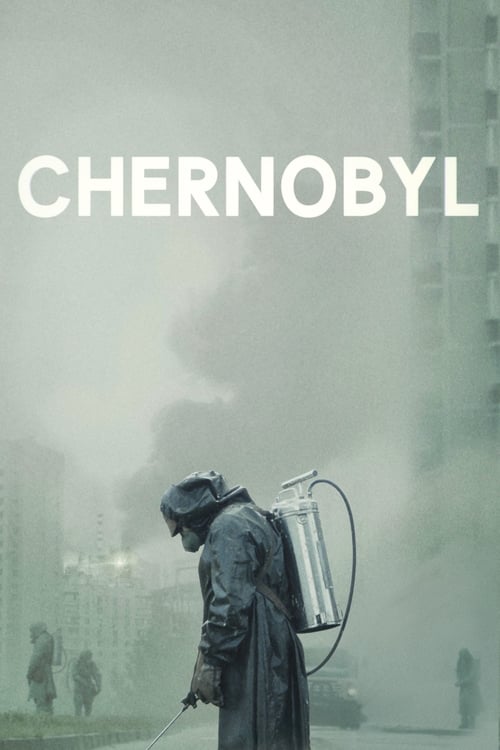
The explosion happened in four seconds. The cover-up and the human cost played out over years. HBO's Chernobyl (2019) understood that the most terrifying disaster is not the one you can see and run from: it is the invisible, bureaucratic, politically managed catastrophe that asks officials to lie about what they know. Craig Mazin's script puts the horror in the meetings, the phone calls, the miners who are never told what they are really being asked to do. The physical scale is intimate, but the moral scale is enormous.
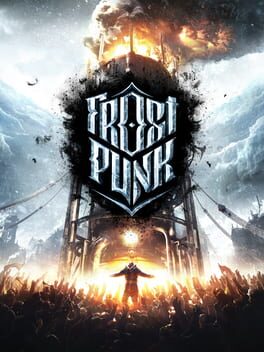
Frostpunk Does Not Let You Be the Hero
Most disaster games reward ingenuity and let you save everyone if you are clever enough. Frostpunk refuses. The city-builder drops you into a frozen world where coal runs out, workers die of exposure, and every law you pass to survive makes you a slightly worse person. You can ban child labor or you can keep the generator running. The game's lasting contribution is making resource management feel ethically heavy: the numbers on screen are not abstractions, and the game knows it.
Contagion Aged Into Something Different
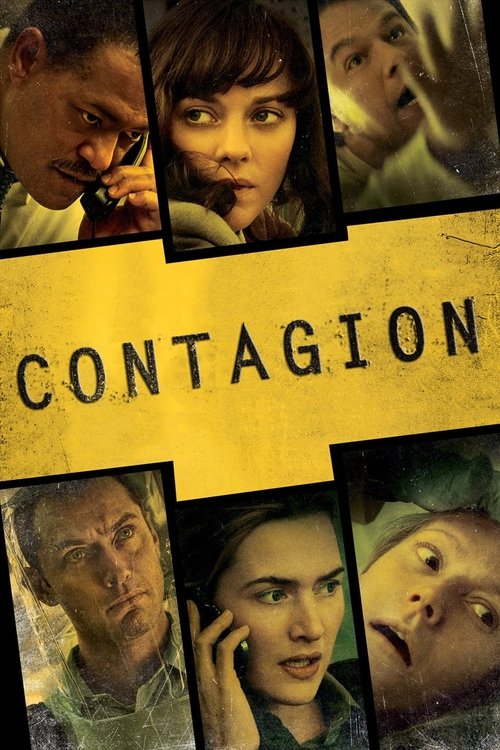
Steven Soderbergh's 2011 procedural was considered a competent but cold thriller on release. The film deliberately refuses to give its pandemic a hero narrative: scientists work in committee, politicians hedge, social order frays along class lines before a vaccine appears. Watching it in 2020 was a different experience. Contagion is not a thriller dressed as a disaster film. It is a disaster film dressed as a documentary, and its most unsettling quality is how little it exaggerates.
The Road Is the Genre at Its Barest
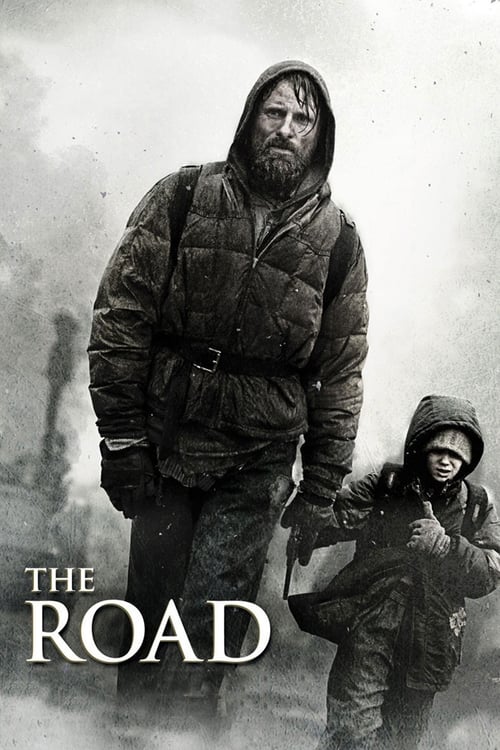
Cormac McCarthy strips the disaster novel down to two people and a shopping cart. There is no explanation of what happened. There is no community to rebuild, no villain to defeat. The Road asks only whether love is a reason to keep walking when everything argues for stopping. The 2009 film adaptation is faithful and bleak; the novel is bleaker and better. Both are worth your time if you want disaster fiction that refuses any comfort beyond the fact of survival itself.
Landmarks of the Disaster Genre
- 1959Nevil Shute's nuclear-aftermath novel enters the canon
- 1972Airport sequels birth the classic blockbuster disaster formula The Poseidon Adventure
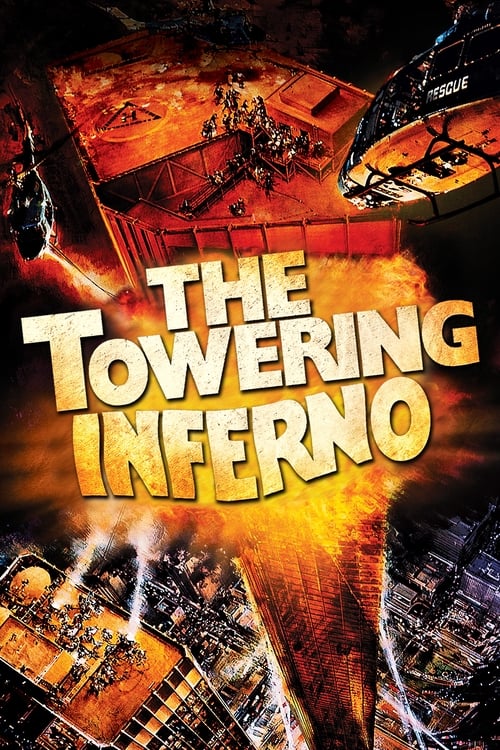
- 1974All-star cast, skyscraper fire, the template for ensemble disaster cinema The Towering Inferno
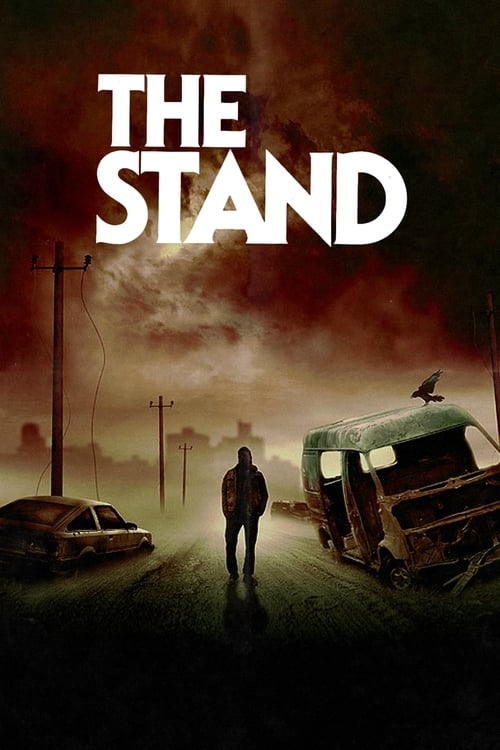
- 1978Stephen King's plague epic redefines disaster fiction's scope The Stand
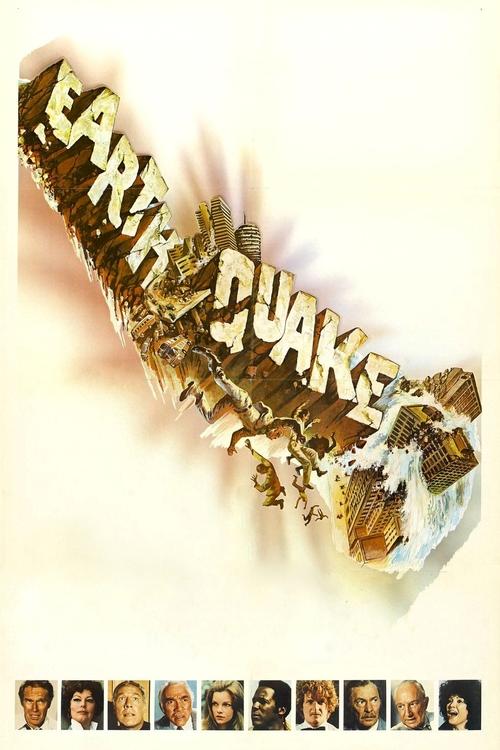
- 1994Geoff Murphy's Earthquake thriller signals a digital-era shift Earthquake
- 2006Cormac McCarthy publishes the starkest disaster novel of the decade The road
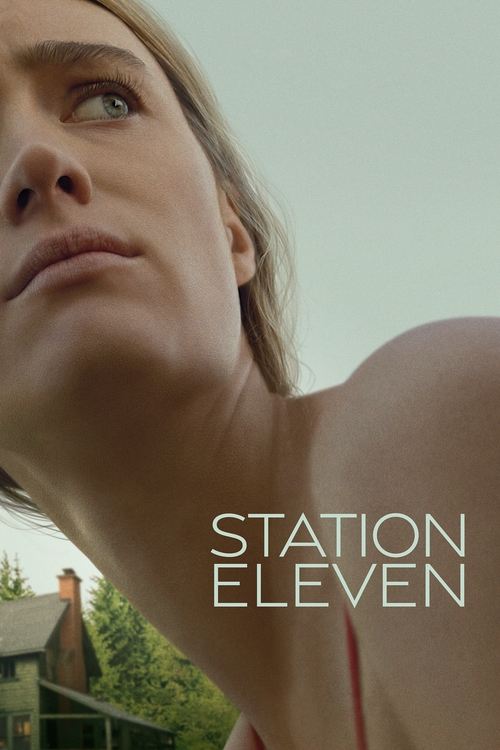
- 2011Emily St. John Mandel's post-pandemic novel arrives, understated and devastating Station Eleven
- 2011Soderbergh's procedural pandemic film arrives quietly Contagion
- 2018Frostpunk introduces the morally weighted disaster city-builder Frostpunk
- 2019HBO's Chernobyl redefines the prestige disaster miniseries Chernobyl
- 2021Station Eleven becomes a lyrical, non-linear streaming adaptation Station Eleven
When nature overwhelms civilization
For Fans of Post-Apocalyptic
Explore the For Fans of Post-Apocalyptic guide →Disaster fiction is not escapism. It is practice: a way of asking what you would do, who you would become, and whether that person is someone you could live with.CrossBinge