

Steampunk fans chase a very specific feeling: the romance of Victorian ingenuity taken to its most ornate, improbable extreme. Clockwork automatons. Airships over fog-drenched London. Scientists who build the future with their hands, not algorithms. The appeal is tactile in a way most speculative fiction is not. You can imagine the weight of a brass-fitted ray gun, the hiss of a steam-powered exoskeleton, the smell of coal and machine oil on a cobblestone street. Steampunk is retrofuturism with attitude, a world where the past refuses to be ordinary and the future arrives wearing a top hat. Whether you found it through Miyazaki's sky-cities, the dense prose of Gibson and Sterling's Difference Engine, or a game like Dishonored that makes every rooftop feel like a conspiracy, the through-line is always the same: wonder at what technology could look like when craftsmanship still matters.
Essential Steampunk: Films
The movies that defined the aesthetic and the attitude


If You Love Steampunk: Series to Watch
Television and streaming shows that build the world with the same care
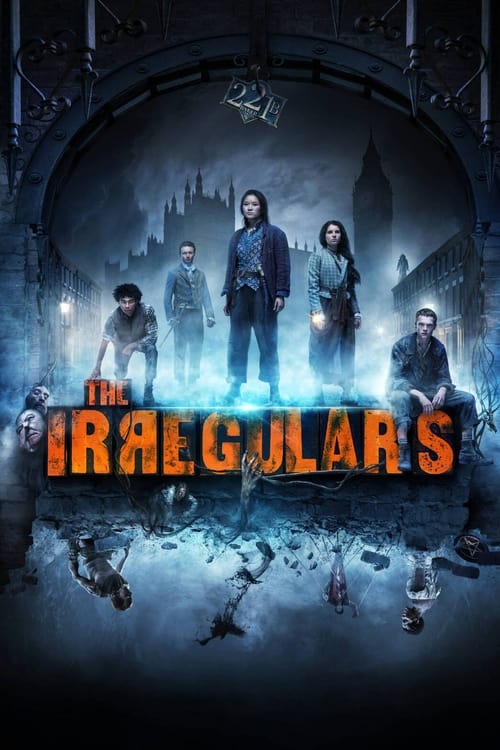
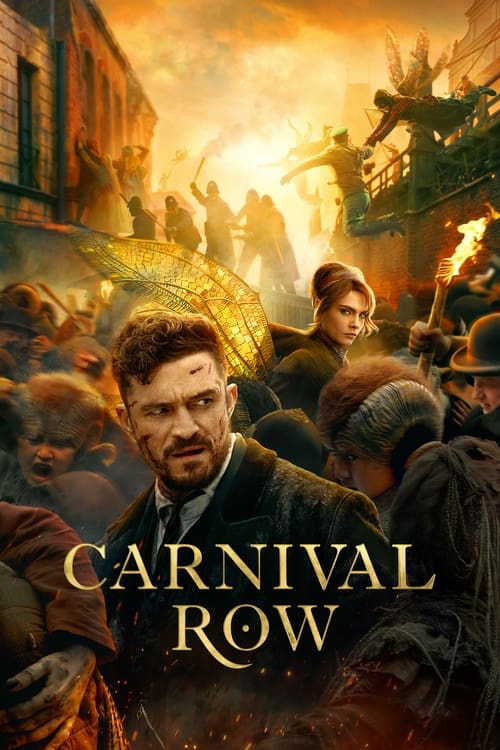
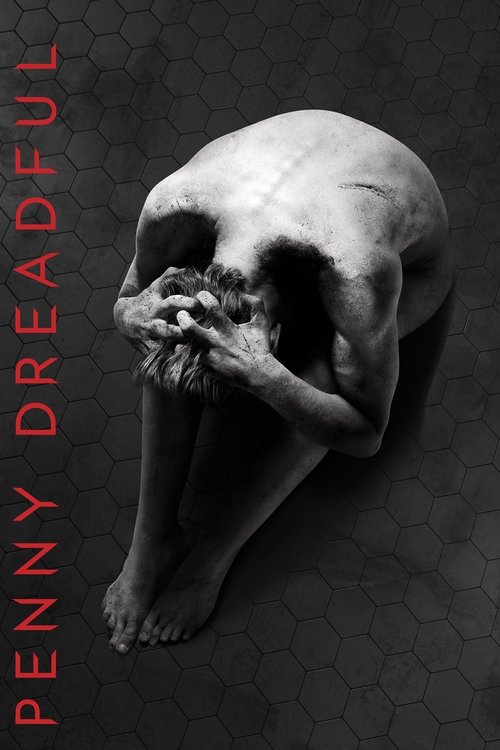
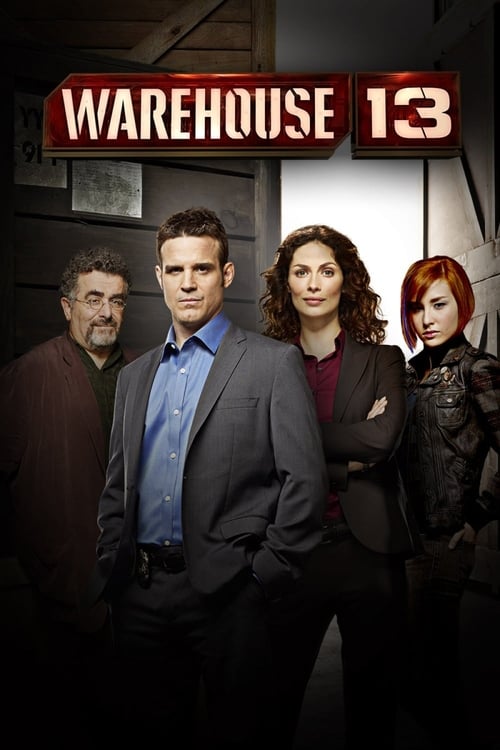



If You Love Steampunk: Games to Play
Games where every rivet and gear matters, and the world itself is the attraction


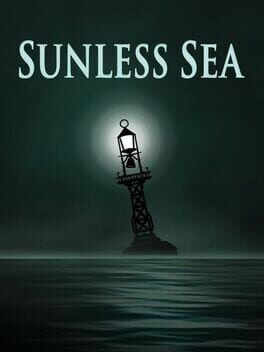
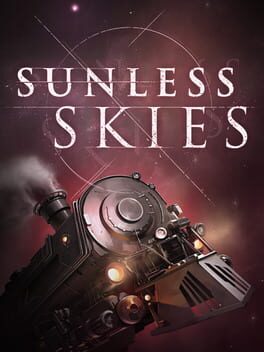
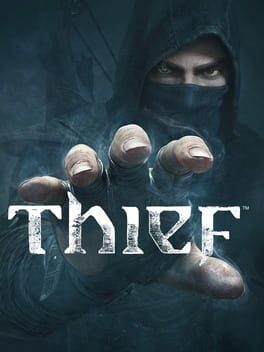

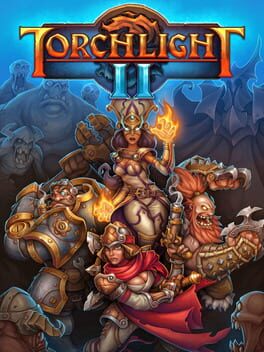


If You Love Steampunk: Novels That Started It All
The books that gave the genre its vocabulary, its politics, and its poetry


Dishonored Understood Steampunk Better Than Most Films
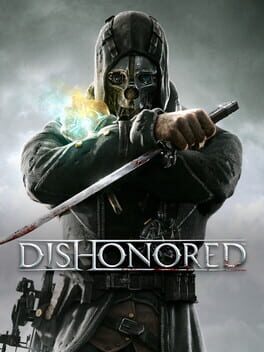
Arkane Studios' Dishonored does something most steampunk stories do not: it takes the class politics seriously. Dunwall is a whale-oil empire run by aristocrats and enforced by plague, and every gadget you pick up was built by someone who had no say in how it would be used. The setting is not costume; it is argument. Steampunk at its sharpest has always been a comment on industrial capitalism, and Dishonored puts that critique into every rooftop chase and back-alley assassination. The sequel Dishonored 2 extends this with Meagan Foster and Emily Kaldwin, giving the mechanical world two women who move through it with different kinds of power.
The Difference Engine Made Steampunk Politically Uncomfortable
William Gibson and Bruce Sterling's 1990 novel imagined Charles Babbage's Analytical Engine actually working, and then asked what Victorian society would do with computing power. The answer is not reassuring. The Difference Engine is a novel about surveillance, class war, and the way technology amplifies existing power structures rather than dismantling them. It is a harder, stranger book than most steampunk that followed, and it remains the genre's most intellectually serious entry. Fans of the aesthetic who have not read the source material are missing the argument that made it worth making.
Howl's Moving Castle Gives the Genre Its Heart
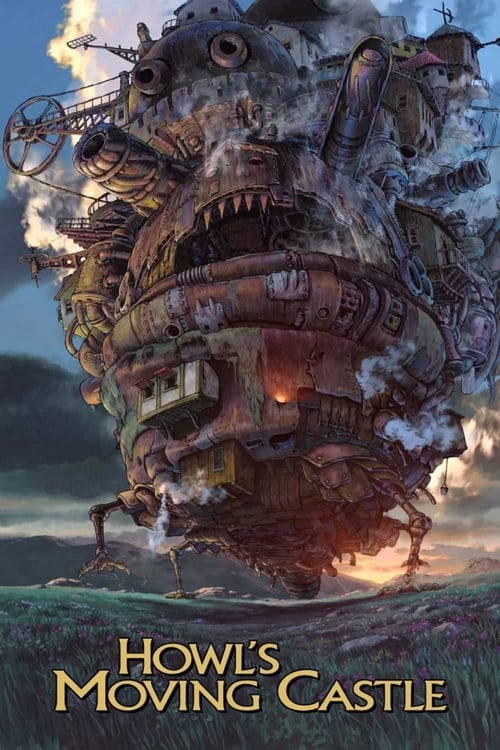
Hayao Miyazaki did not set out to make a steampunk film, which is probably why Howl's Moving Castle is the genre's most purely joyful entry. The castle itself, clanking and smoking and strutting across the countryside on chicken legs, is pure mechanical absurdism. But the film's emotional core, a young woman finding her agency in a world at war, earns every gear and chimney. Diana Wynne Jones's source novel is equally essential, warmer and funnier and stranger than the adaptation. Between the two, you get the best argument for steampunk as a genre of possibility rather than nostalgia.
Penny Dreadful Proved Steampunk Works Best With Real Darkness
The Showtime series Penny Dreadful pulled Victorian Gothic and steampunk into the same orbit and found they belong together. Its London is full of literary monsters, Dorian Gray, Frankenstein's creature, Van Helsing's network, all operating in a world of gas lamps, surgical tools, and occult machinery. The show understood that the Victorian era's most interesting stories were always about the gap between scientific confidence and moral chaos. Season two, in particular, is one of the best runs of prestige television the genre has produced.
Steampunk: A Timeline of Key Works
- 1864Jules Verne publishes Journey to the Centre of the Earth, establishing the template of scientific adventure fiction Journey to the center of the earth
- 1895H.G. Wells introduces time travel as a steampunk concern The meme machine
- 1898Wells imagines alien industrial warfare against Victorian England The face of the world
- 1960Disney adapts Verne's submarine epic for a new generation 20,000 Leagues Under the Sea
- 1990Gibson and Sterling coin the genre's political conscience The Difference Engine
- 2000China Mieville's New Crobuzon establishes steampunk's literary credibility
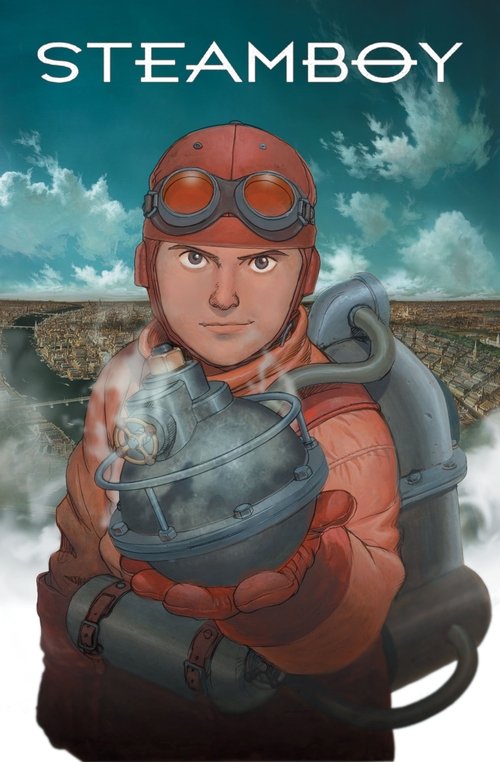
- 2001Katsuhiro Otomo's anime film brings steam-powered invention to its most spectacular visual form Steamboy
- 2003Philip Reeve's moving cities novel begins a saga about predatory urbanism Mortal Engines
- 2004Miyazaki's adaptation of Diana Wynne Jones becomes the genre's warmest film Howl's Moving Castle
- 2012Arkane Studios redefines steampunk games with class-conscious world-building Dishonored
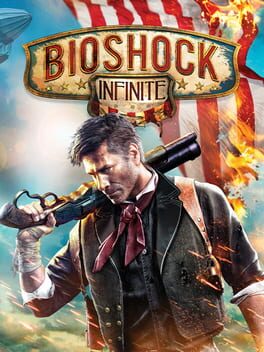
- 2013Irrational Games takes steampunk to a sky city built on American exceptionalism and its contradictions BioShock Infinite
- 2014Carnival Row begins its run mixing steampunk and immigrant politics Carnival Row
- 2018Frostpunk strips steampunk down to its moral core: survival and coal Frostpunk
Brass, gears, and adventurous Victorians
Steampunk
Explore the Steampunk guide →Steampunk is optimism with oil stains. It believes in human ingenuity even when the empire running the machines does not deserve belief.CrossBinge