

Robert Kirkman launched The Walking Dead in 2003 with a single premise: what happens after the zombie movie ends? Over 193 black-and-white issues, he and artist Charlie Adlard built one of the most uncompromising long-form narratives in comics. The series killed its heroes without warning, let communities rot from within, and kept asking whether survival was worth what it cost. The zombies were never the point. The point was Rick Grimes, and then Negan, and then the slow, grinding work of rebuilding something resembling civilization. Fans of the comic chase a specific feeling: dread that comes from caring about characters in a world that will not protect them.
More Kirkman and Image Comics Worth Reading
Other comics and graphic novels from the same creator and publisher tradition


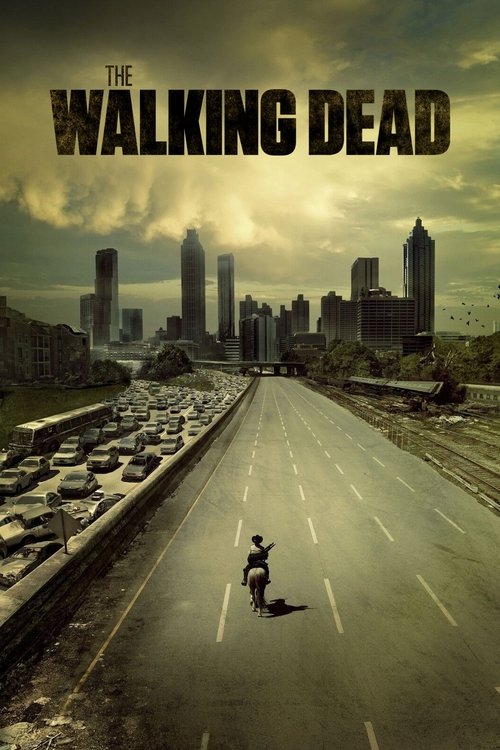
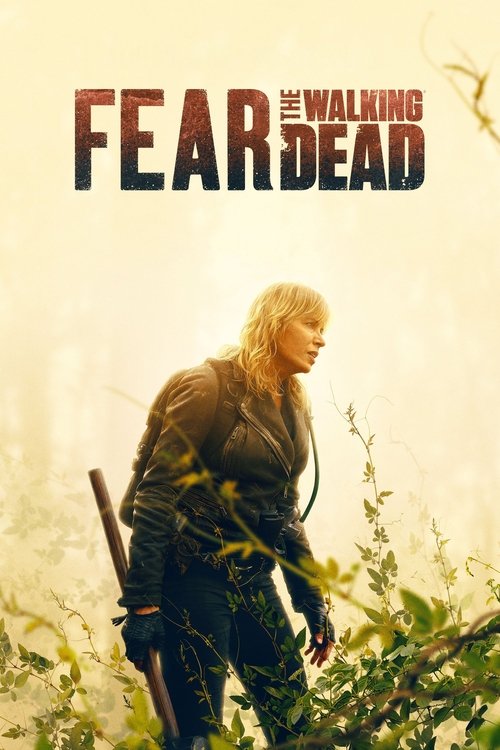
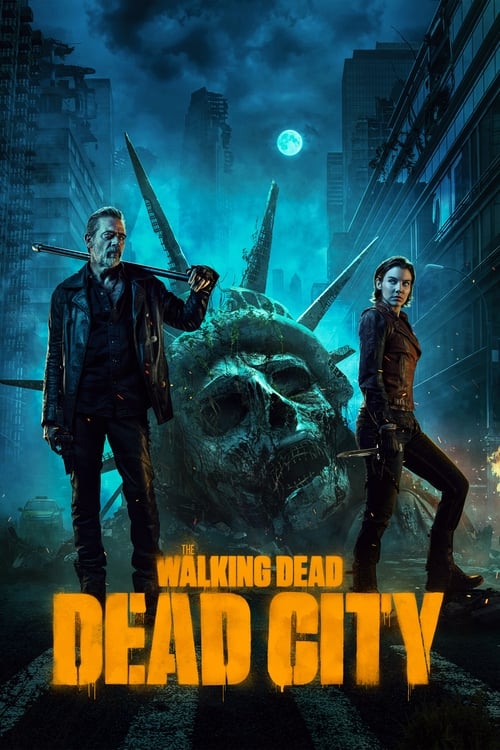
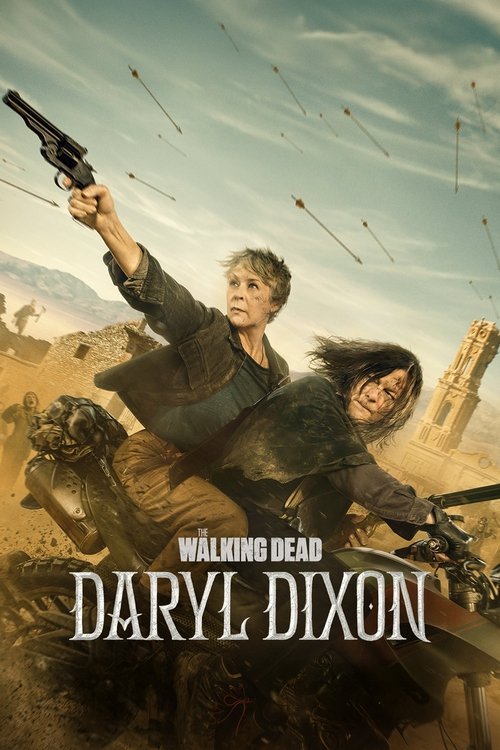
The Screen Adaptations
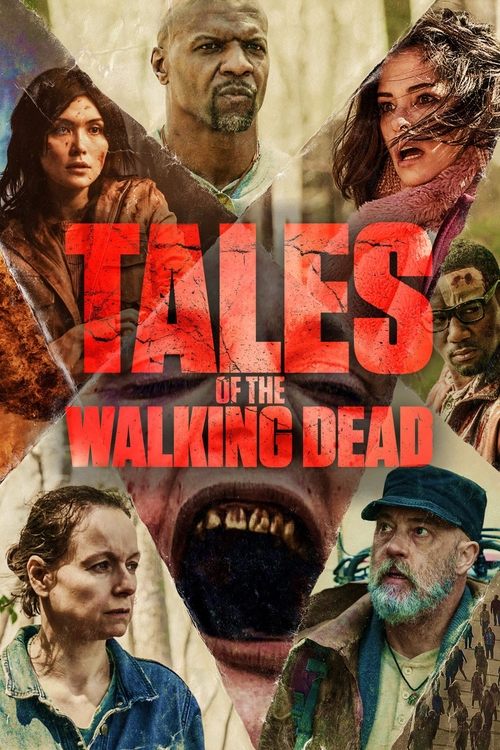
Every major film and series that brought the Walking Dead universe to life
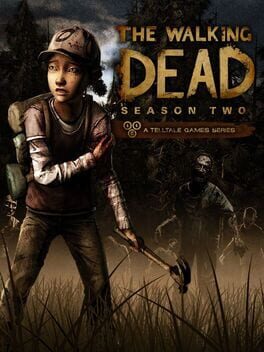
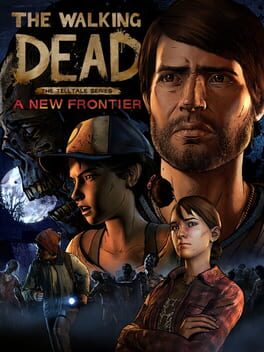
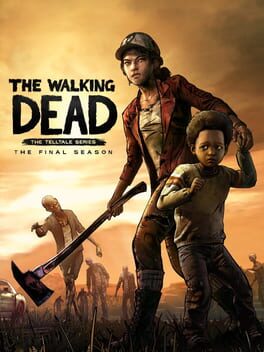
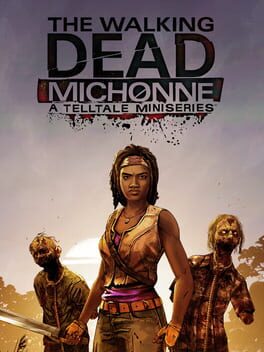
The Telltale Games and Related Survival Experiences
Games that put you inside the moral weight of survival, starting with the landmark Telltale series
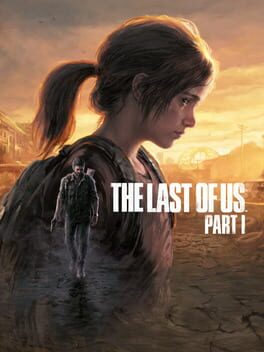
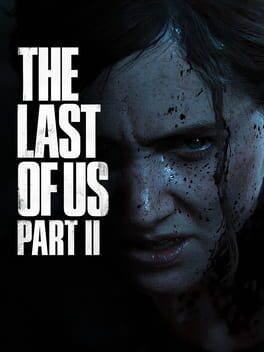

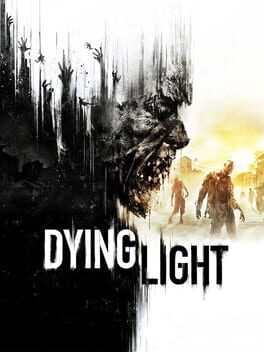
Survival Horror on Screen
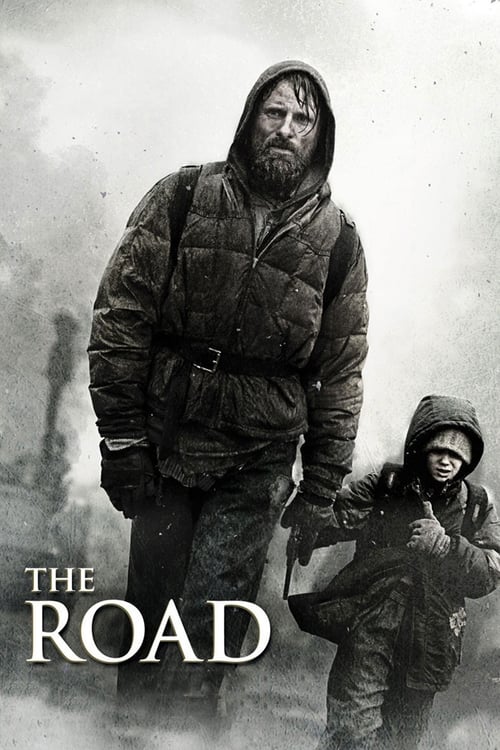
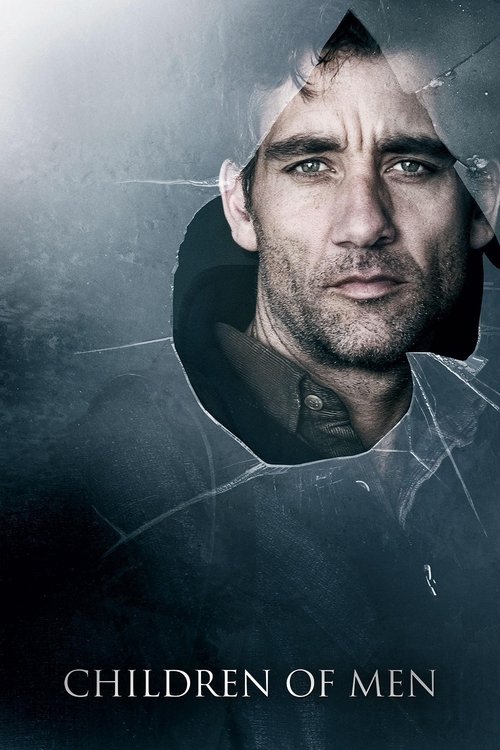
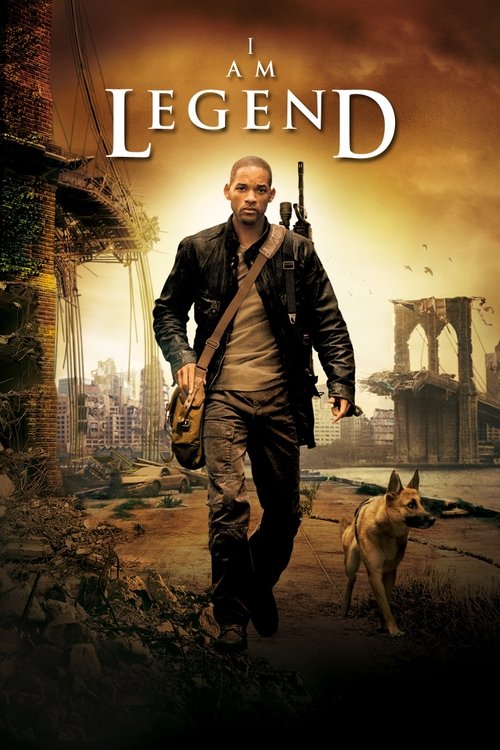
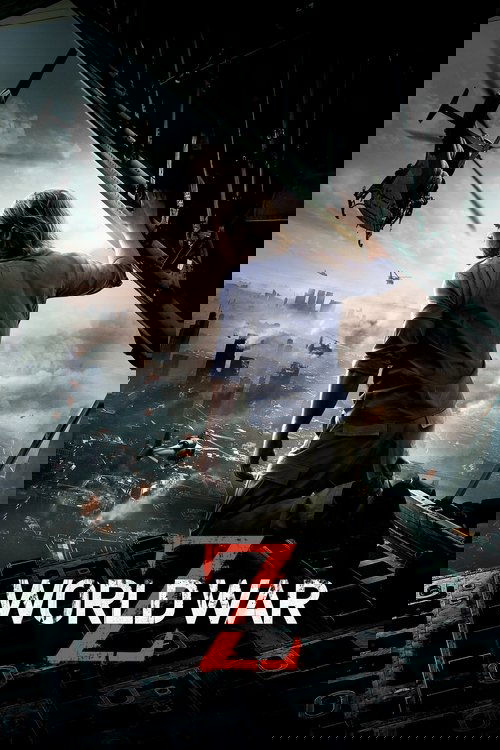
Films and series that share the comic's tone: collapse, community, and the cost of enduring
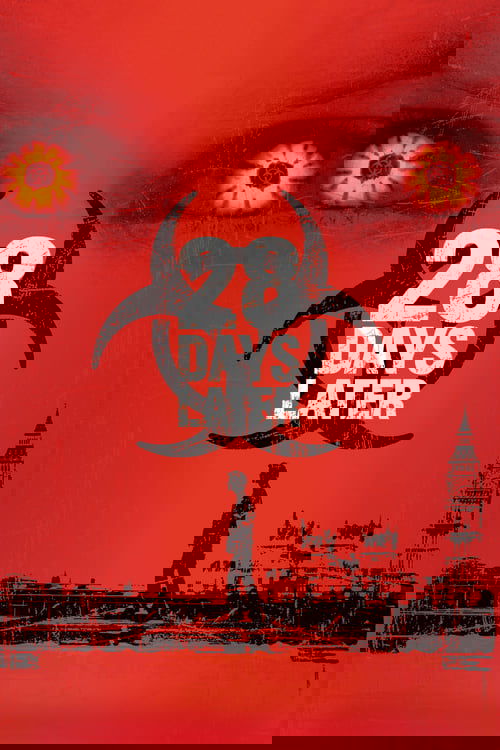

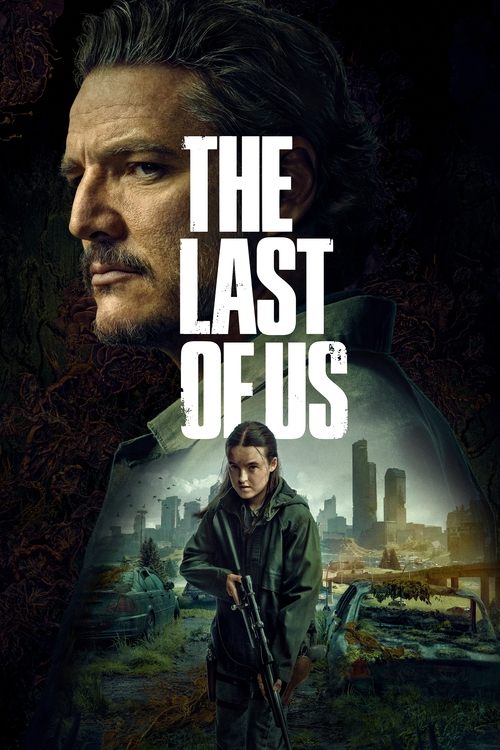
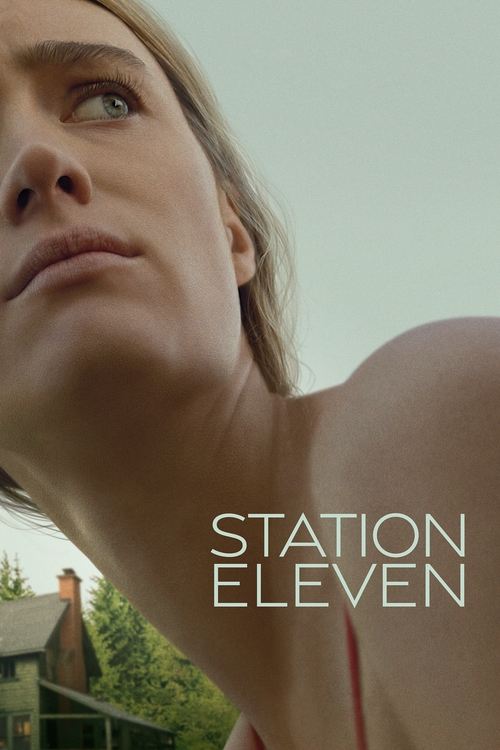
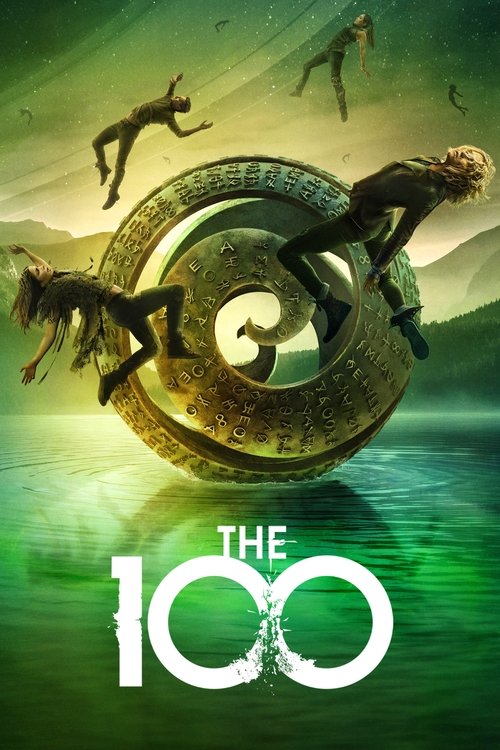
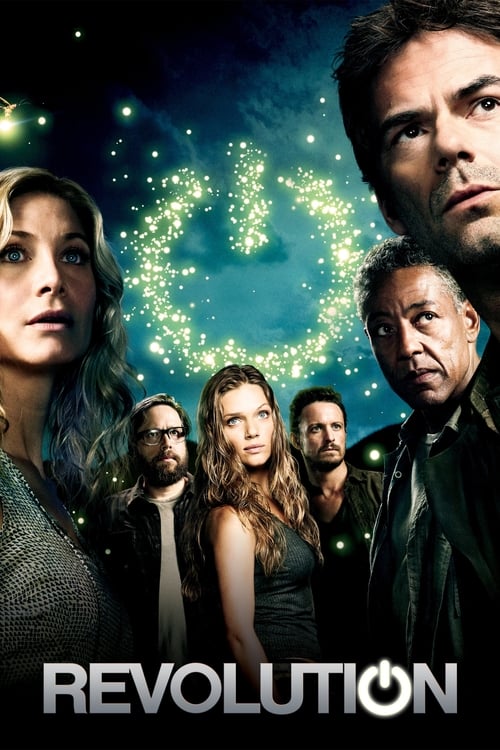
Post-Apocalyptic Fiction Worth Reading
Novels that explore collapse, survival, and the slow rebuild of human society


The Telltale Games Are the Best Adaptation, Full Stop
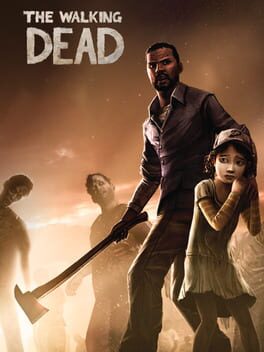
The AMC series ran for eleven seasons and had its moments, but the Telltale Walking Dead games did something rarer: they made you feel responsible. Playing as Lee Everett protecting Clementine in Season One, every dialogue choice landed with real weight because Telltale had seeded the writing with the same moral seriousness Kirkman brought to the comic. The games understood that the Walking Dead is not about horror setpieces. It is about who you choose to be when all the social contracts are gone.
Kirkman Writes Survivors, Not Heroes
What separates the Walking Dead comic from most genre peers is Kirkman's refusal to protect the reader's emotional investment. Rick Grimes is not a hero in the traditional sense. He makes catastrophic decisions, loses pieces of himself incrementally, and the story does not reward him for surviving. This is the same spirit that drives Cormac McCarthy's The Road and Colson Whitehead's Zone One: survival is not triumph, it is continuation, and the cost is always moral.
Image Comics Built the Space for This Story to Exist
The Walking Dead could not have existed at Marvel or DC in 2003. Kirkman published it at Image, the creator-owned imprint founded in 1992, where he retained full rights and could kill any character, end the series when he chose (he did so abruptly in 2019, with no warning), and resist the editorial pressure to keep the lead alive at all costs. Saga, Y: The Last Man, and Lazarus are all Image titles that share the same creative freedom: long-form, character-driven, willing to go places licensed superhero comics cannot.
The Walking Dead Timeline
- 2003The Walking Dead #1 published by Image Comics
- 2005The Governor introduced, Prison arc begins
- 2008Made to Suffer: the Prison falls
- 2010AMC series premieres, directed by Frank Darabont The Walking Dead
- 2012Telltale Season One launches, wins multiple Game of the Year awards The Walking Dead
- 2012Negan and the Saviors introduced
- 2013Telltale Season Two, Clementine leads The Walking Dead: Season Two
- 2016The Whisperer War arc begins
- 2018Telltale Final Season completes Clementine's story The Walking Dead: The Final Season
- 2019Kirkman ends the comic with issue #193, no prior announcement
- 2022AMC series finale after 11 seasons The Walking Dead
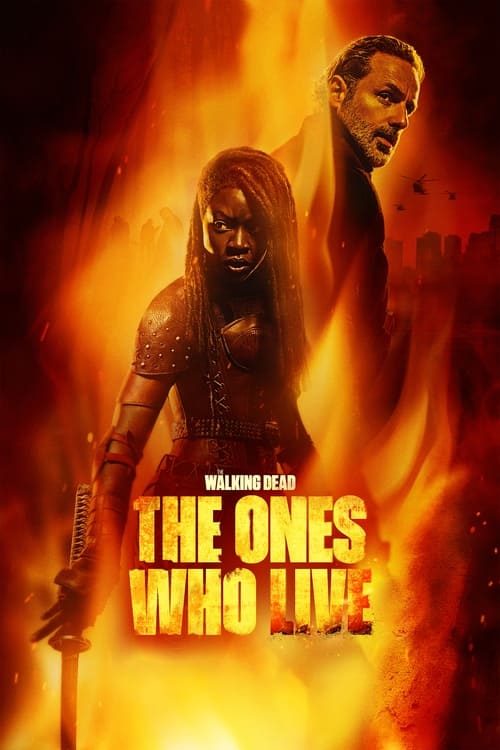
- 2023Spinoffs launch: Dead City, Daryl Dixon, The Ones Who Live The Walking Dead: Dead City
Survival horror in ink and ash
For Fans of The Walking Dead
Explore the For Fans of The Walking Dead guide →Kirkman ended 193 issues without a press release, a final arc, or a farewell tour. The last page simply stopped. It was the most honest ending a story about the randomness of death could have.CrossBinge Editorial