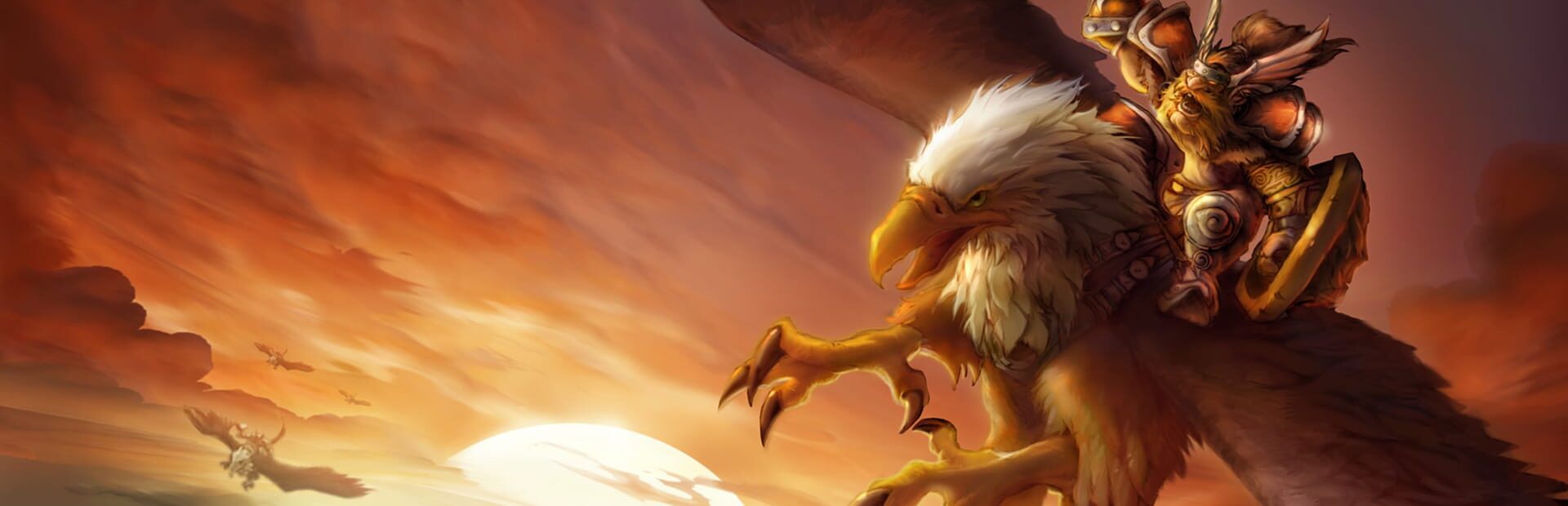

World of Warcraft is not merely a game: it is a mythology. Since 2004 it has given millions of players a living world to inhabit, a lore spanning creation myths and cosmic demons, alliance politics and personal redemption. The through-line a WoW fan loves is epic scope paired with genuine stakes -- continents worth of history, factions whose grudges stretch back generations, and the recurring revelation that the greatest threat always comes from within. That sensibility -- grandiose world-building, moral ambiguity in seemingly clear-cut conflicts, the pull of belonging to something larger than yourself -- runs through a surprisingly wide range of films, series, games, and books.
Essential World of Warcraft
The core games and their expansions, in the order every returning adventurer argues about
 World of Warcraft
 World of Warcraft: The Burning Crusade
 World of Warcraft: Wrath of the Lich King
 World of Warcraft: Mists of Pandaria - Collector's Edition
 World of Warcraft: Battle for Azeroth - Collector's Edition
 World of Warcraft: Shadowlands - Collector's Edition
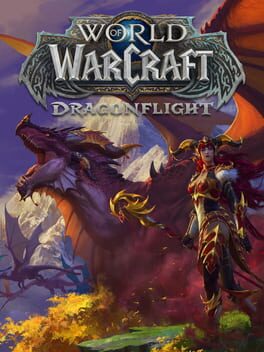 World of Warcraft: Dragonflight
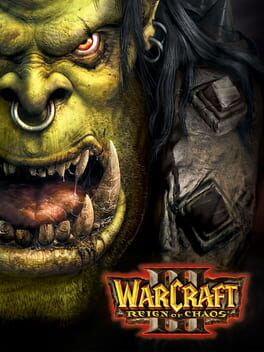 Warcraft III: Reign of Chaos
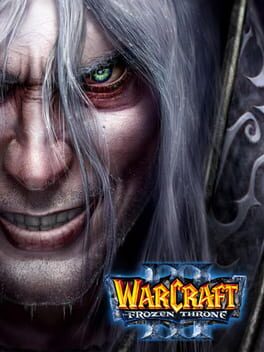 Warcraft III: The Frozen Throne
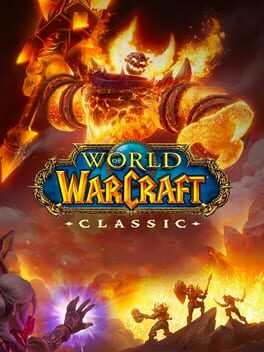 World of Warcraft Classic
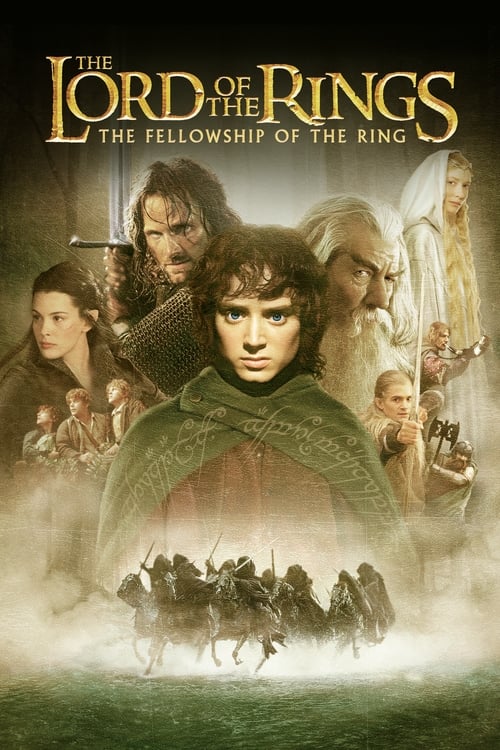
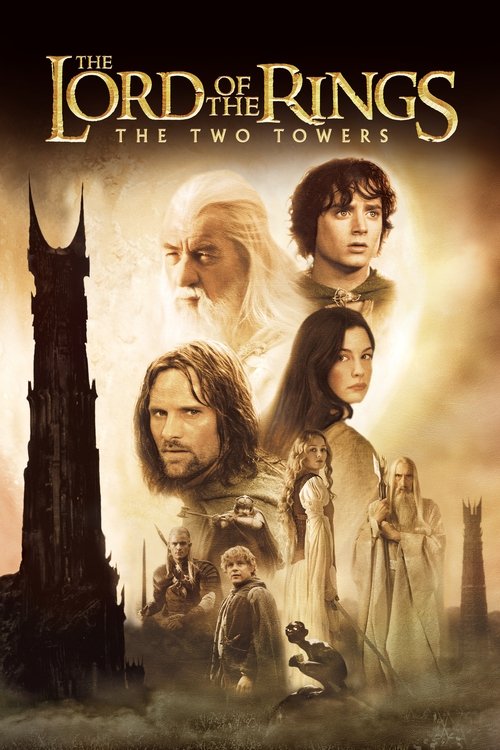
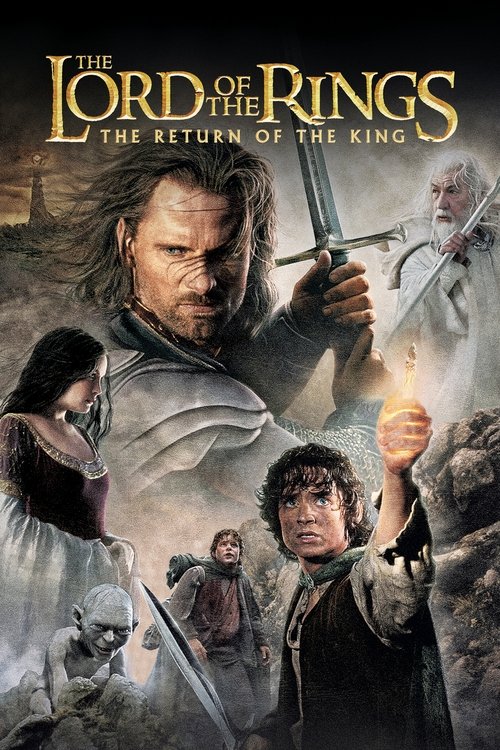
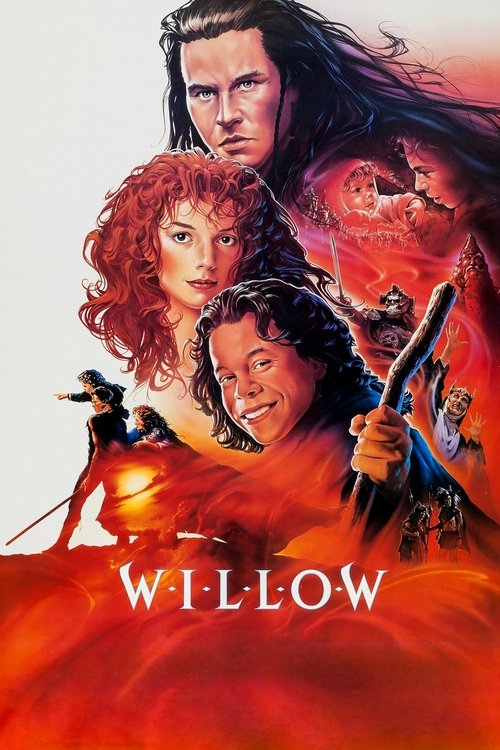
If You Love WoW: The Film and Its Kin
Big-screen fantasy that shares Azeroth's scale and faction drama
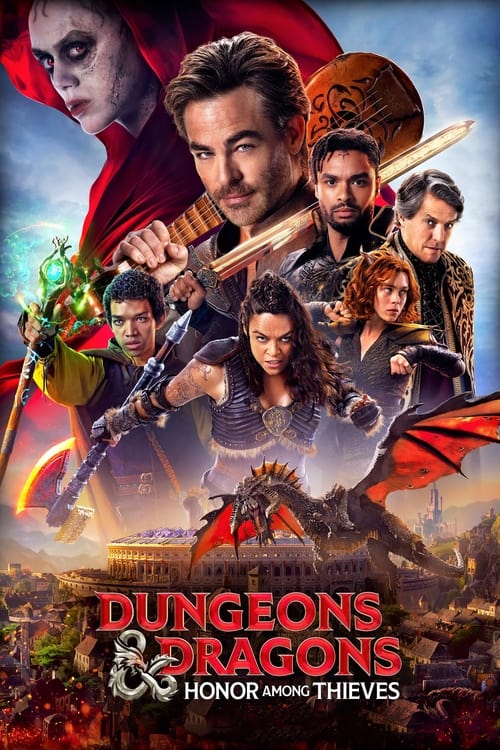
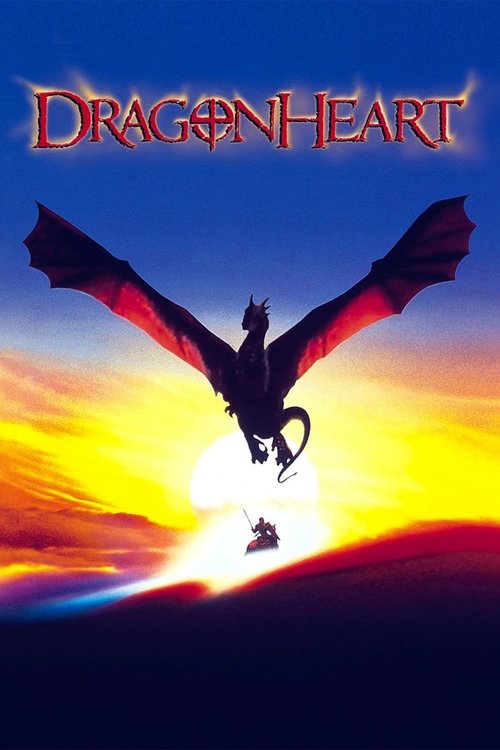
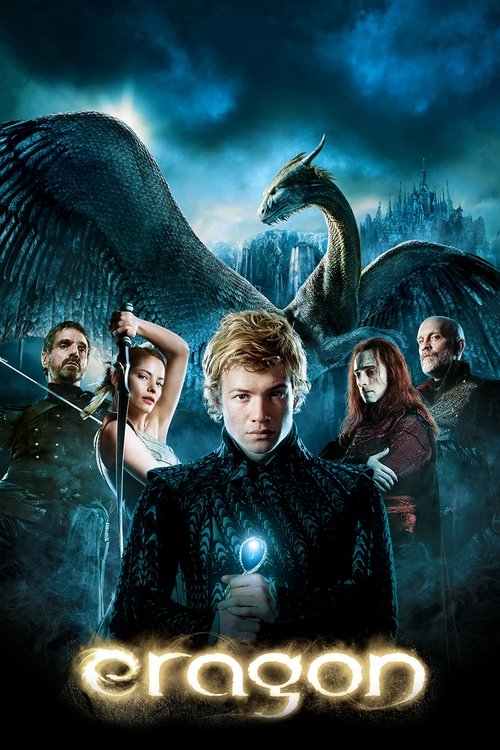
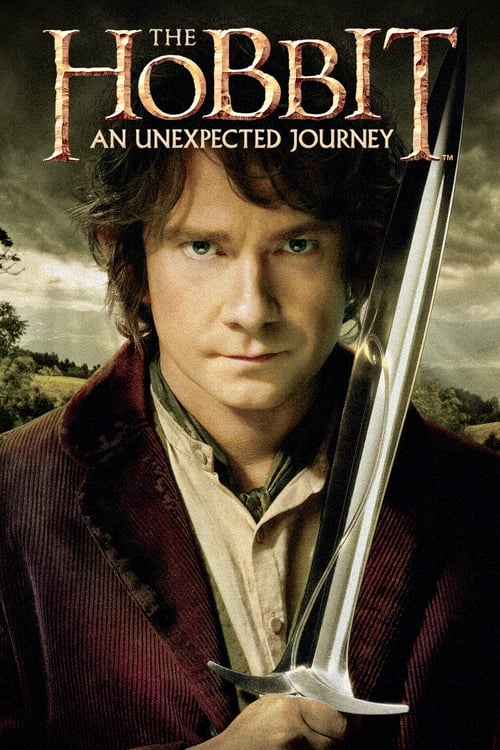
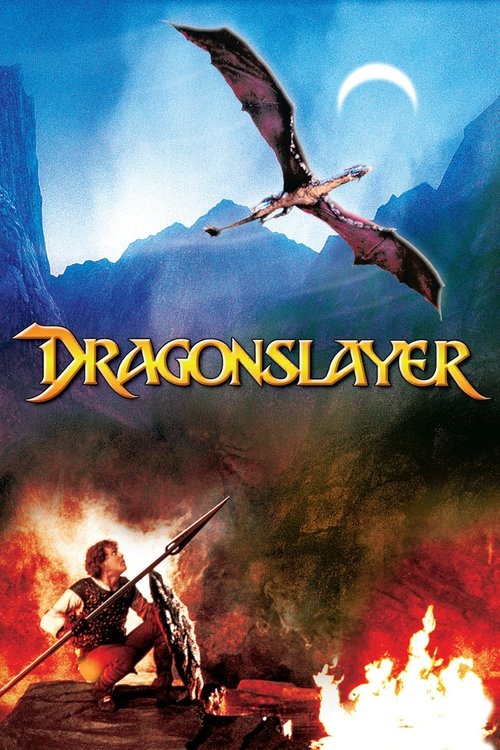
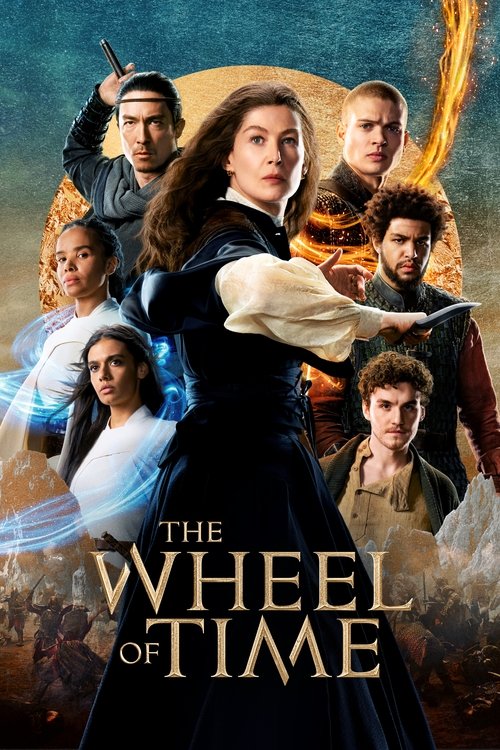
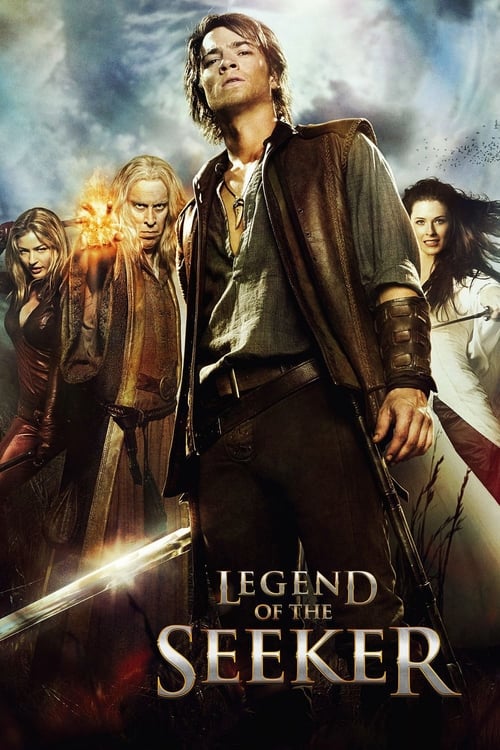
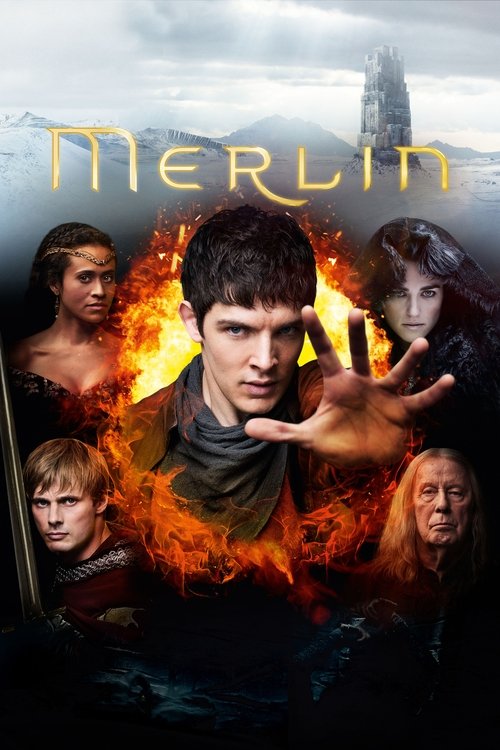
If You Love WoW: Epic Fantasy Series
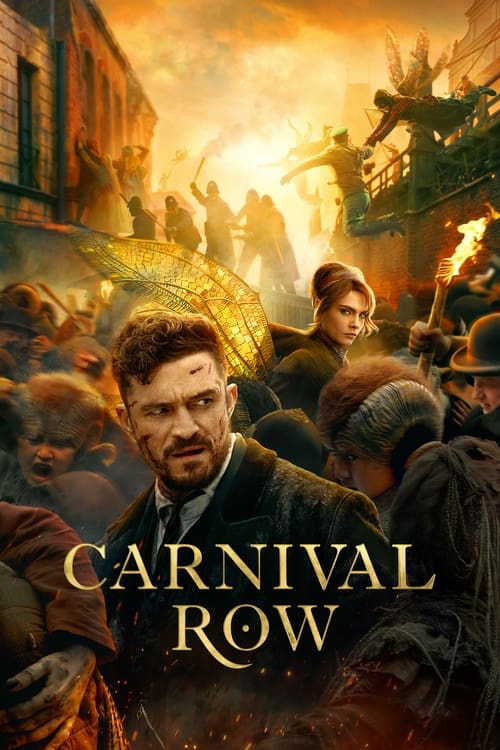
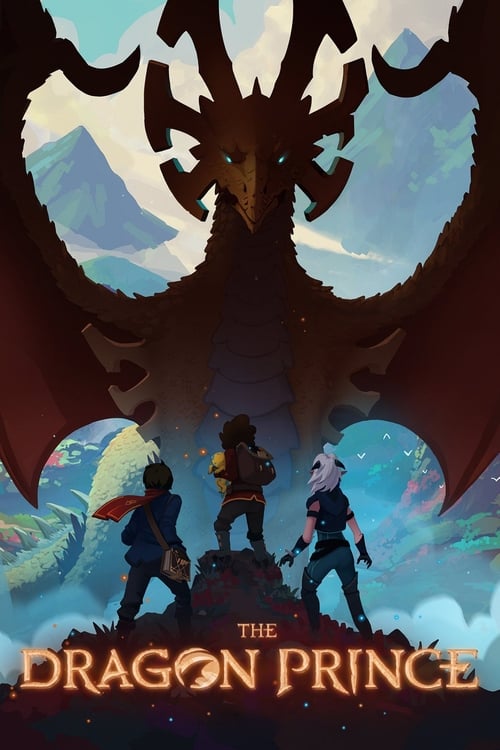
Long-form world-building on screen, political intrigue and monsters included
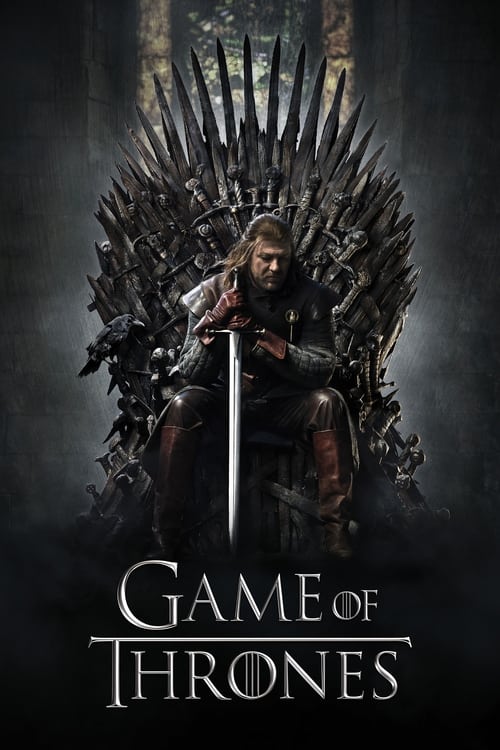

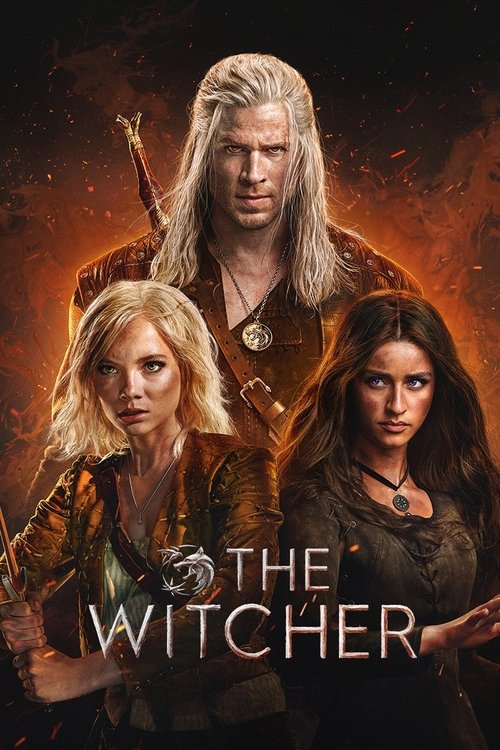
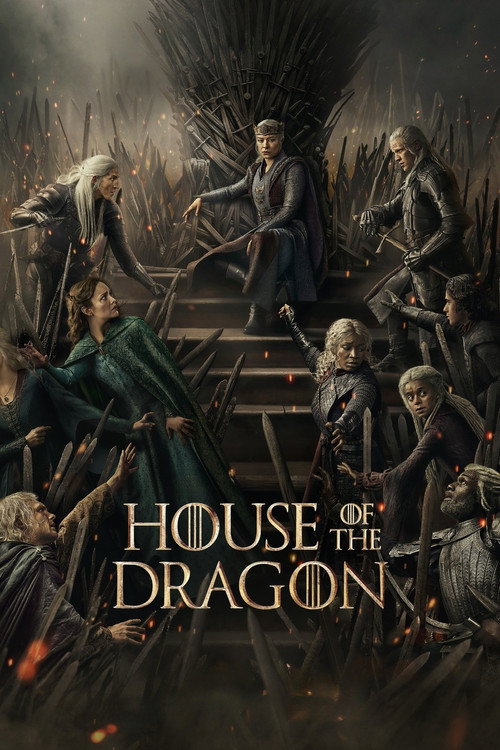
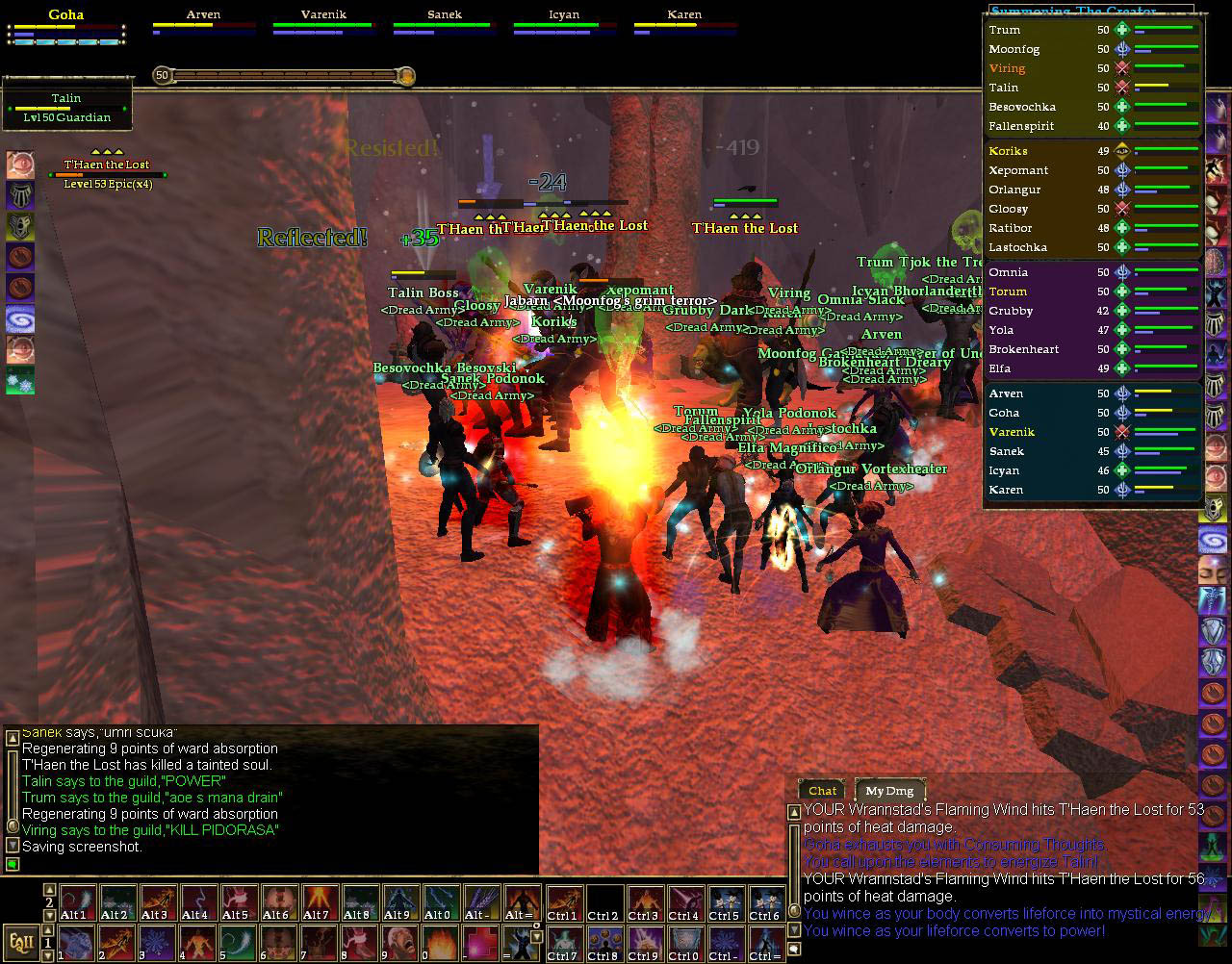
If You Love WoW: MMOs and Fantasy RPGs
Other worlds that reward the same appetite for faction lore, raid-tier progression, and endgame depth
If You Love WoW: The Tie-In Canon
Novels and comics that actually expand the lore, not just retell it


If You Love WoW: Epic Fantasy Novels
The broader genre that shaped Azeroth's lore -- and repays the same investment


Wrath of the Lich King is the high-water mark, and everyone knows it
The second expansion took every strength of vanilla WoW -- world-building, faction tension, endgame purpose -- and focused them on one villain: Arthas Menethil. His arc from paladin to Lich King, seeded across Warcraft III, paid off in Icecrown Citadel with a catharsis that few games have matched before or since. The art direction, the zone pacing (Howling Fjord, Storm Peaks, Icecrown), the score: all peaked here. Every expansion since has been chasing that feeling.
Final Fantasy XIV proves the MMORPG can be cinematic storytelling
If WoW is the genre's foundation, Final Fantasy XIV's Heavensward and Shadowbringers expansions are its artistic summit. Square Enix turned a failed launch into one of the most emotionally resonant stories in gaming -- delivered almost entirely through in-engine cutscenes and a cast players have spent hundreds of hours with. The pacing is closer to a prestige TV season than a games release. WoW veterans who try it often describe a strange homesickness for the version of WoW they imagined WoW could be.
The Warcraft film deserved a sequel it will never get
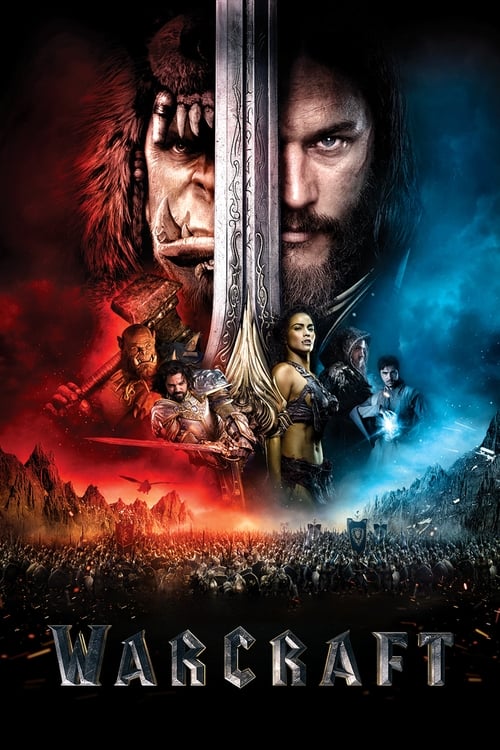
Duncan Jones's 2016 Warcraft adaptation is a compromised film that did one thing brilliantly: it made Orcs feel like people. The decision to give the Horde equal screen time and genuine pathos -- Durotan's family, the horror of fel corruption -- was the right call, and the CGI orcs still hold up. The film bombed in the US, ruled in China, and left a cliffhanger arc (Anduin, Garona, the portal) that will never be resolved on screen. For the lore-invested, it remains a fascinating what-if.
George R.R. Martin taught Blizzard how to write moral ambiguity, and they never forgot it
The Alliance versus Horde conflict works because neither side is fully right. That lesson -- borrowed from the grimdark fantasy novels of the 1990s that Blizzard's writers grew up on -- is what separates WoW's lore from most fantasy game writing. Sylvanas burning Teldrassil is the moment the game most nakedly attempted to do what Game of Thrones does: make you feel the wrongness of a character you partly understood. It divided the community precisely because it worked.
Azeroth and Beyond: A WoW Fan's Timeline
- 1994Warcraft: Orcs and Humans introduces the setting Warcraft: Orcs & Humans
- 1995Warcraft II expands the scope to seas and continents Warcraft II: Tides of Darkness
- 2002Warcraft III introduces Arthas and the Lich King Warcraft III: Reign of Chaos
- 2003The Frozen Throne completes Arthas's fall Warcraft III: The Frozen Throne
- 2004World of Warcraft launches and redefines the MMORPG World of Warcraft
- 2008Wrath of the Lich King: the expansion the genre remembers World of Warcraft: Wrath of the Lich King
- 2009Christie Golden's Arthas novel gives the lore a literary home
- 2016Duncan Jones's film adaptation reaches screens (and dominates in China) Warcraft
- 2019WoW Classic relaunches the 2004 experience for a new generation World of Warcraft Classic
- 2022Dragonflight pivots toward character-driven storytelling World of Warcraft: Dragonflight
More Azeroth-sized epic fantasy
Epic Fantasy
Explore the Epic Fantasy guide →No game has made a world feel more lived-in, more fought-over, more worth saving. Twenty years in, people still log on.CrossBinge