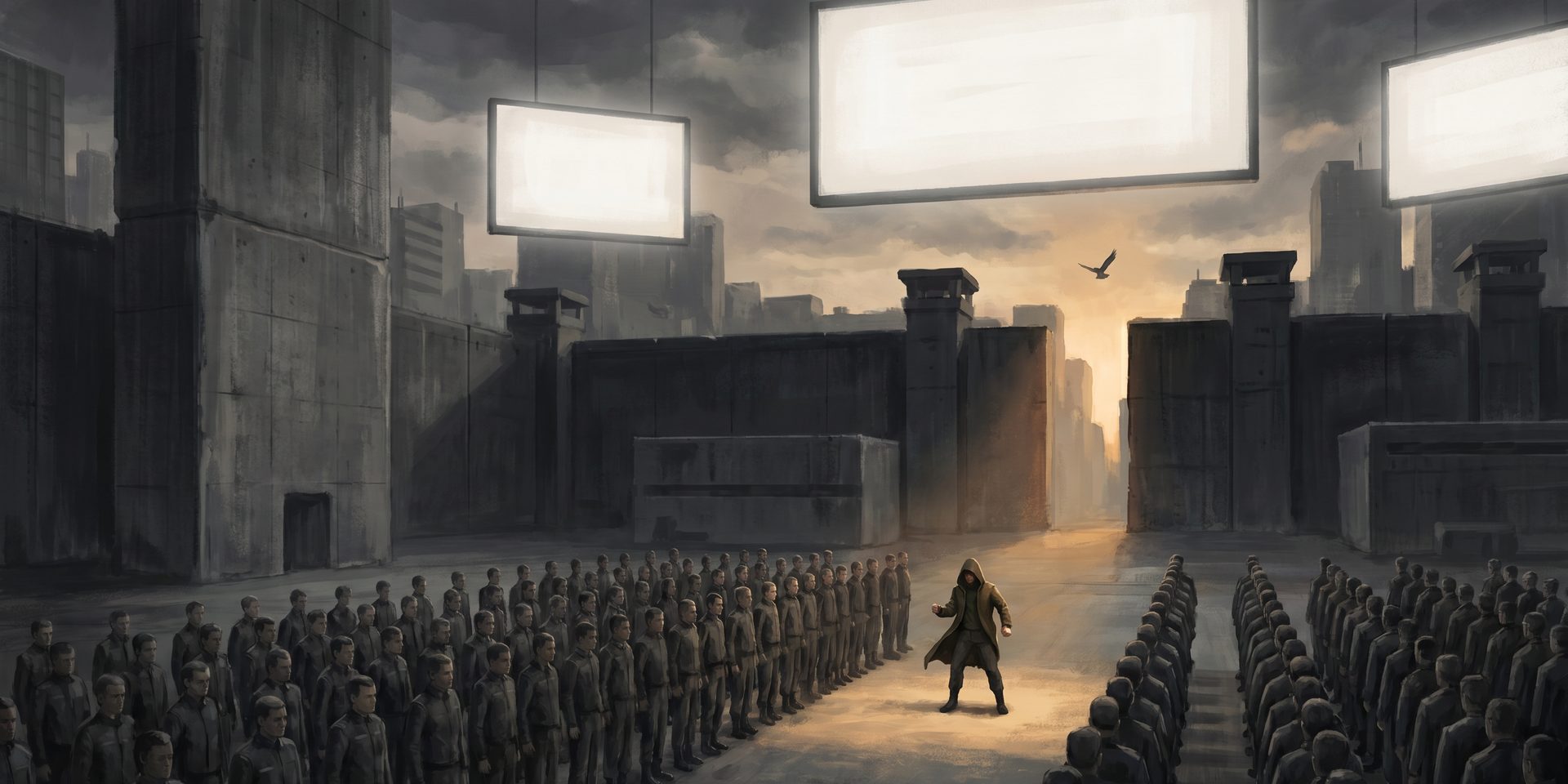

For one decade, the future belonged to teenagers with something to overthrow. The Hunger Games arrived in 2008, mid-financial-crisis, and its premise, children fight for a captive audience while the powerful watch, hit a generation like reportage. What followed was the most concentrated boom the category has ever seen: factions, mazes, memory-wiping regimes, arranged marriages by algorithm, a wall in every second book and a girl on every cover deciding whether to burn it all down.
This guide covers the whole wave, the quieter classics that made it possible, and the strange, thoughtful books keeping the flame now that the boom is history. Part of our complete YA fantasy and science fiction guide.
The essential YA dystopias
The arena, the factions and the ones worth the hype


The dystopia decade, year by year
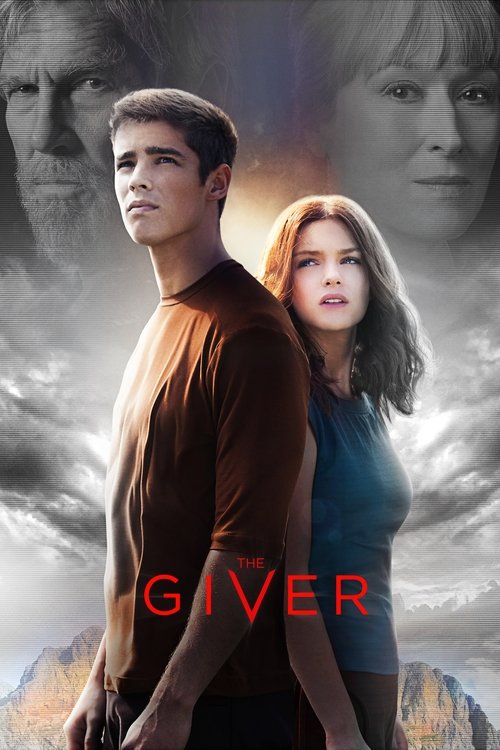
- 1993The Giver plants the seed: utopia with a body count The Giver
- 2005Uglies makes beauty the regime Uglies
- 2007Unwind asks the era's most uncomfortable question Unwind
- 2008The Hunger Games: the reaping begins The Hunger Games
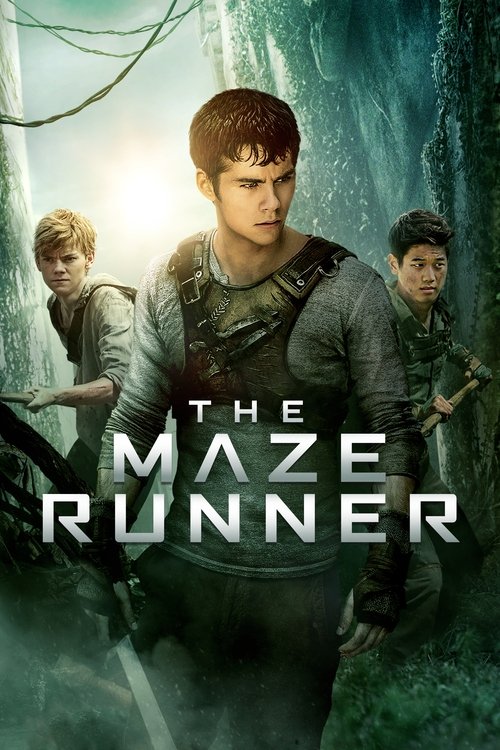
- 2009The Maze Runner wakes up in the Glade The Maze Runner
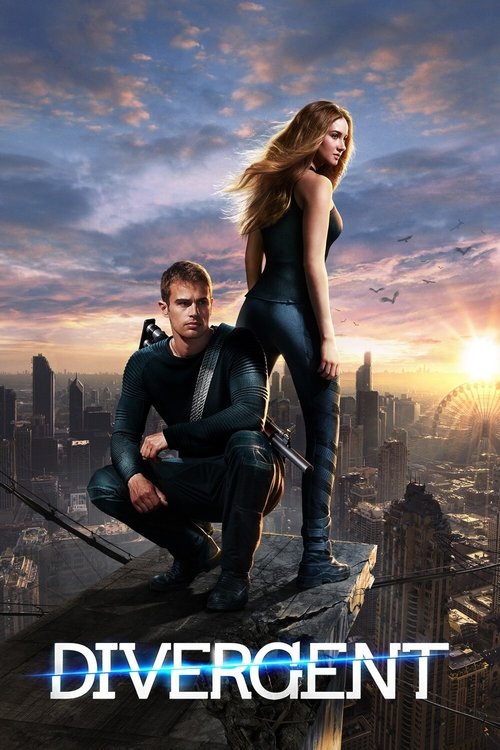
- 2011Divergent sorts a generation into factions Divergent
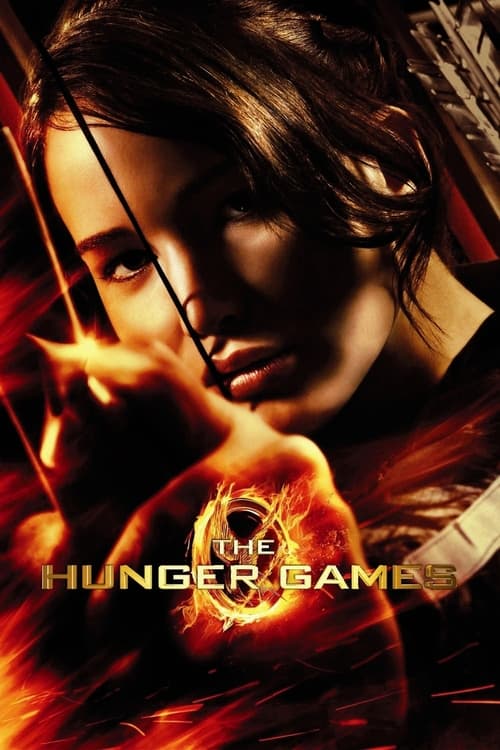
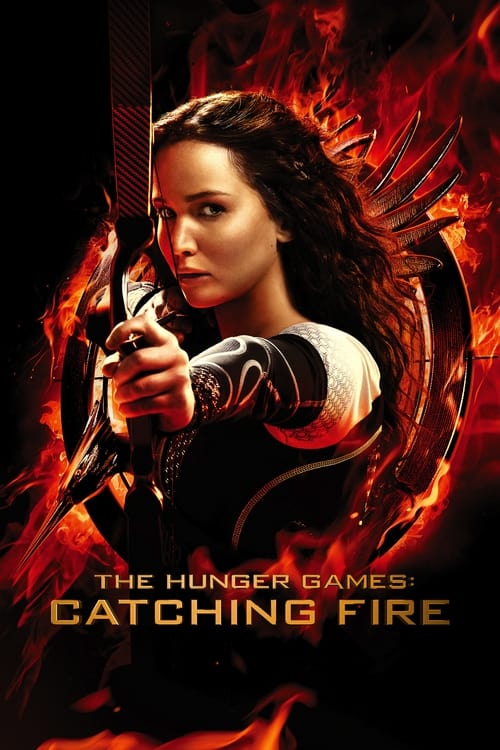
- 2012The films arrive; the boom goes supernova The Hunger Games
- 2016Scythe proves the genre can still think Scythe
- 2020The Ballad of Songbirds and Snakes returns to Panem The Ballad of Songbirds and Snakes
- 2025Sunrise on the Reaping: the arena still sells out Sunrise on the Reaping
The wave and its riders
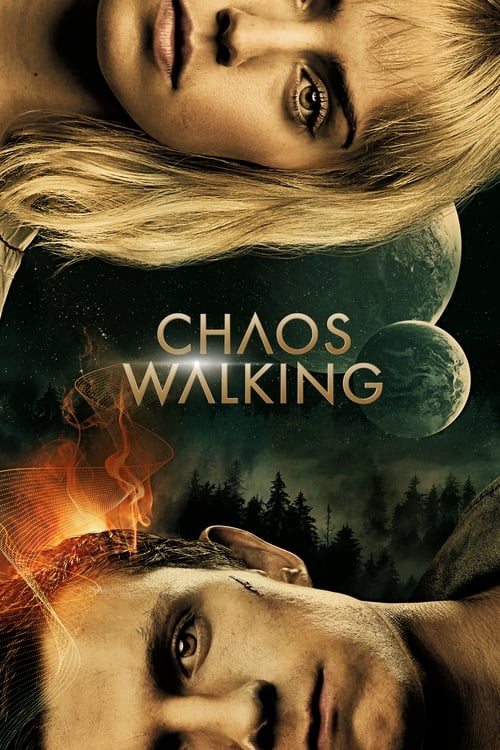
Between 2008 and 2014 every publisher wanted its Katniss. Some of the riders were real books: Marie Lu's Legend gave the formula a military-thriller pulse, Patrick Ness's Chaos Walking made the noise of other minds a horror device, and Neal Shusterman kept smuggling genuine moral philosophy into the category, first with Unwind's organ-harvest compromise, later with Scythe's immortal world where death is a civil service. The wave drowned in its own imitators around 2015; the books that survive are the ones that were never really about the wall.
The wave: 2008 to 2014
The arena years, faction by faction


The classics and the deep cuts
Before the arena and after it


The worst part of holding the memories is not the pain. It's the loneliness of it. Memories need to be shared.The Giver
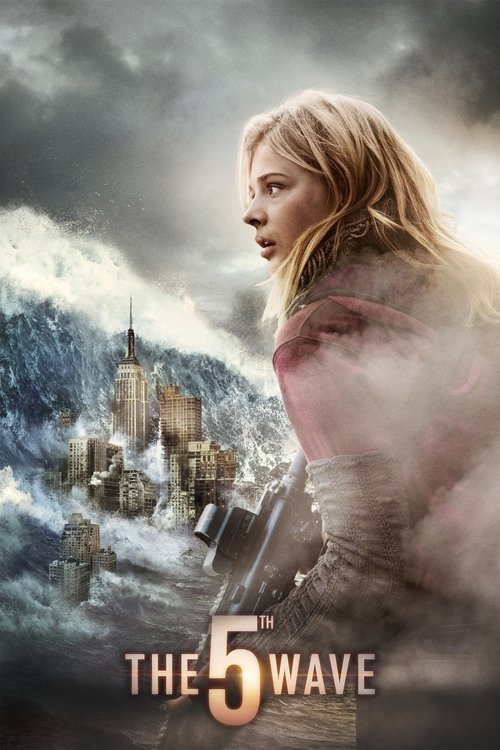
The arena on screen
Where the wave crested in cinemas


Keep exploring the YA guide
YA Fantasy & Science Fiction: The Complete Guide
Explore the YA Fantasy & Science Fiction: The Complete Guide guide →Frequently asked
What was the first YA dystopia?
The Giver (1993) is the modern category's cornerstone; The House of the Scorpion carried its questions forward in 2002, and the adult ancestors are Nineteen Eighty-Four and Brave New World. The Hunger Games (2008) is what turned it from a classroom staple into a publishing wave.
In what order should I read The Hunger Games books?
Publication order: The Hunger Games, Catching Fire, Mockingjay, then the prequels The Ballad of Songbirds and Snakes and Sunrise on the Reaping. The prequels land far harder once you know Panem's endgame.
Why did the YA dystopia boom end?
Saturation. By 2015 the shelves were a wall of interchangeable regimes and chosen girls, film adaptations began underperforming (the final Divergent movie never even got made), and readers moved to fantasy courts instead. The best books of the wave never stopped selling, which tells you the problem was the imitators, not the idea.