

Deus Ex arrived in 2000 and quietly redefined what a video game could argue. Set in a surveillance state where mega-corporations have outpaced governments and nanotechnology divides humanity into the augmented elite and the deliberately crippled poor, it handed players a secret agent with the freedom to shoot, sneak, talk, or hack their way through every situation. The through-line fans love is not the action but the texture: the feeling of pulling on a thread and watching an entire power structure unravel. Whether you are playing the 2000 original, the 2011 reboot Human Revolution, or diving into the prequel Mankind Divided, the question the series keeps asking is the same one that drives the best science fiction, the best paranoia cinema, and the best cyberpunk literature: who built the cage you are living in, and can you ever actually get out?
Essential Deus Ex
The core games, ranked by influence and depth



If you love the immersive sim, play these
Games that give you a toolbox and let you decide how to use it








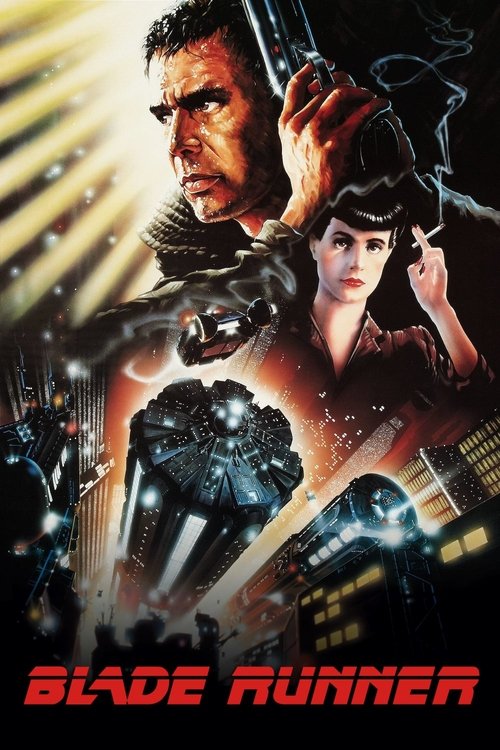
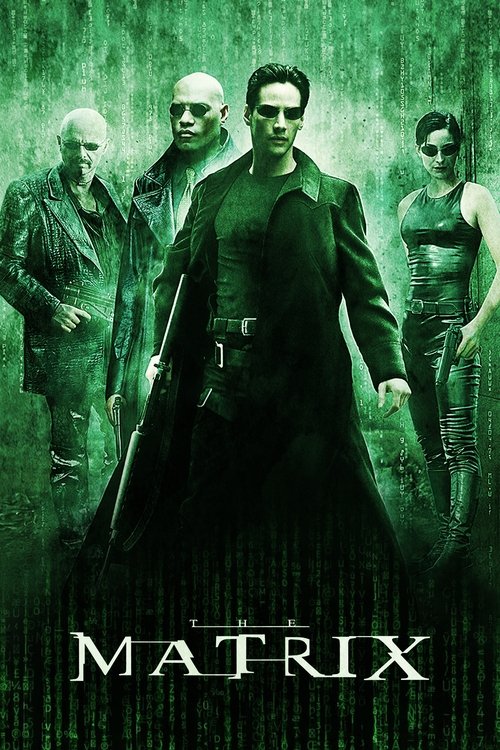
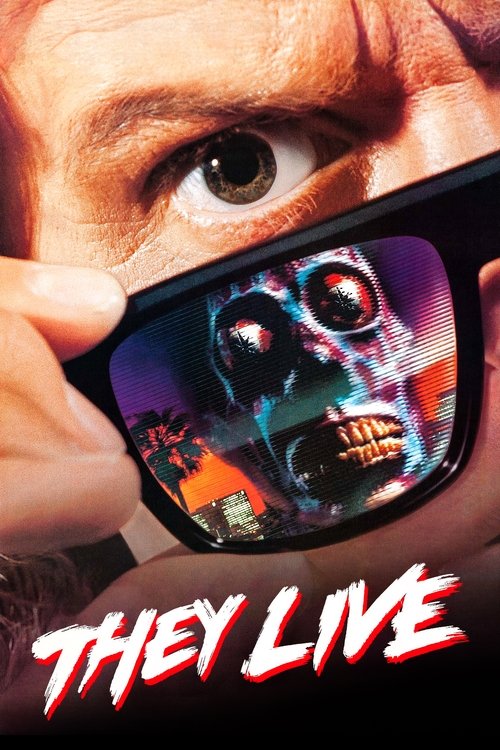
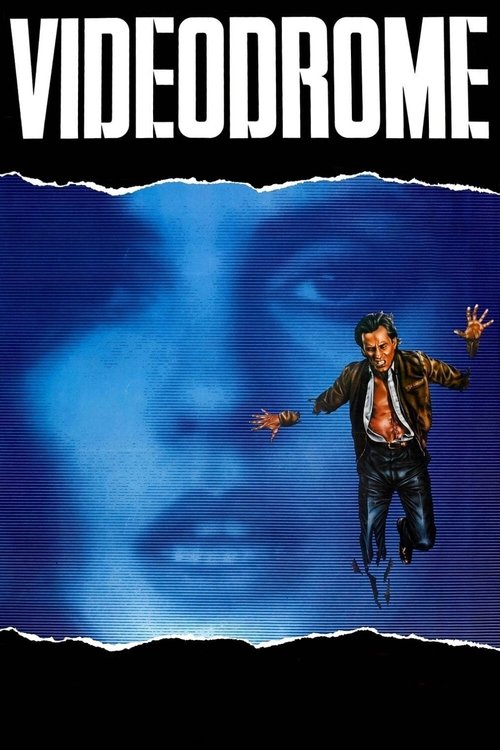
The paranoia films that share the same DNA
Conspiracy thrillers and cyberpunk cinema for the Deus Ex headspace


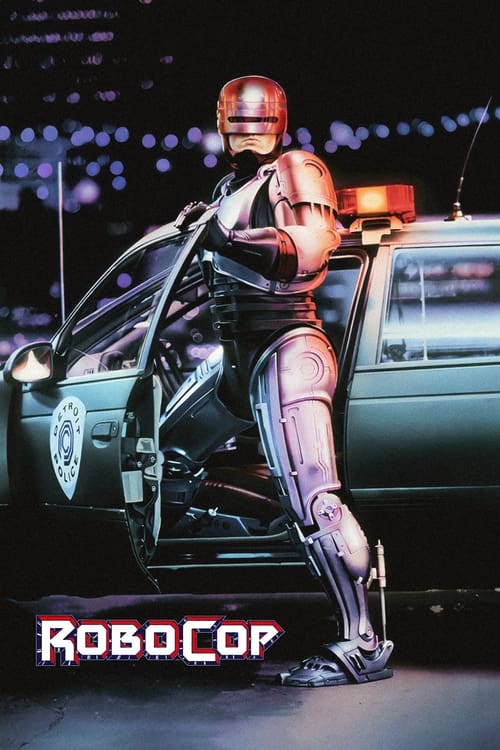

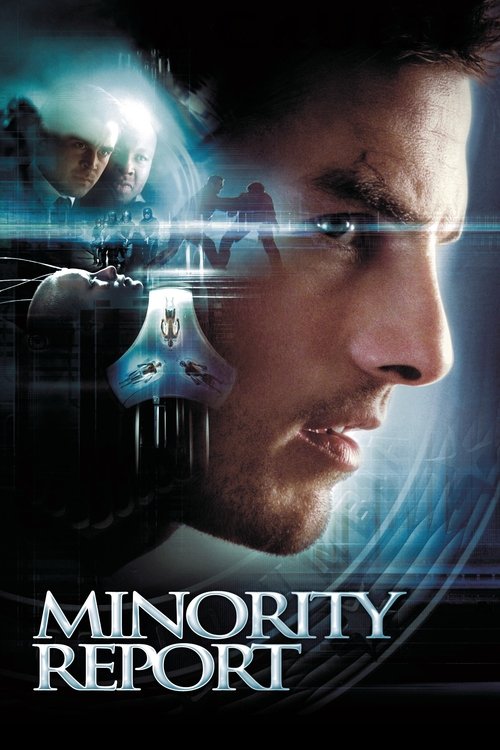

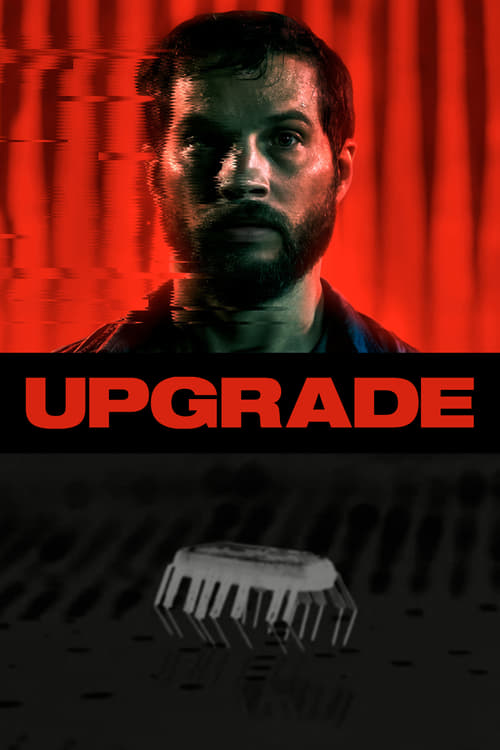
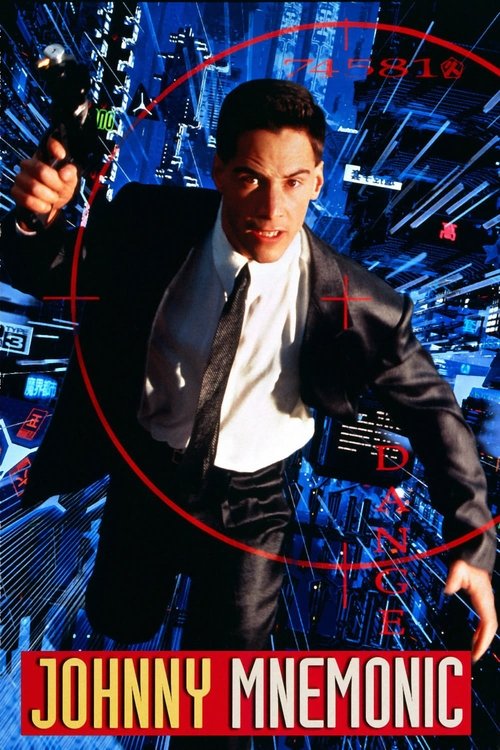
Series that live in the same surveillance state
TV and anime that understands augmentation, control, and resistance










The novels that built the world Deus Ex lives in
Cyberpunk and conspiracy fiction with real intellectual bite



The original is still the best immersive sim ever made
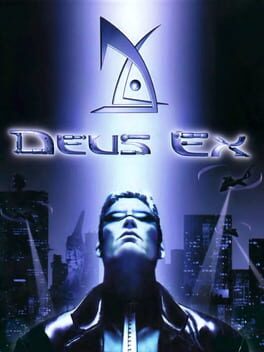
Twenty-five years on, the 2000 original Deus Ex holds a position no sequel has fully dislodged. Ion Storm's game was not polished. The shooting was clunky. The voice acting was sometimes embarrassing. None of that matters because the underlying systems were so deep and so honestly responsive to player choice that the game kept surprising people on their fifth playthrough. Human Revolution modernized the formula and won over a new generation. But the original trusted players at a level its successors never quite matched.
Mr. Robot is the closest television has come to a Deus Ex episode
Deus Ex fans who have not watched Mr. Robot are missing the clearest live-action translation of the franchise's anxieties. Sam Esmail's series gets the technical details right in a way almost nothing else does, it takes the conspiracy structure seriously rather than as window dressing, and its central question (is dismantling the system enough, or does the ideology that built it survive?) is exactly the question JC Denton was asking in 2000. The hacking sequences are accurate. The paranoia is earned. The ending commits.
Neuromancer wrote the playbook the whole genre is still running
William Gibson published Neuromancer in 1984 and invented most of the furniture that Deus Ex, Ghost in the Shell, The Matrix, and a hundred other works would later occupy: the megacorporations that replaced nation-states, the body as hardware to be upgraded, cyberspace as a contested territory with its own geography. Reading it now is not a nostalgia exercise. The book is still sharper than most of what it inspired, and the paranoia it carries about who owns the network you are plugged into has only gotten more relevant.
Dishonored 2 proved the immersive sim could go further
Where Deus Ex specializes in corporate-techno paranoia, the Dishonored series took the immersive sim formula and poured it into a political assassination drama with genuine moral weight. Dishonored 2 in particular offers level design so complex that multiple playthroughs feel genuinely different, not just cosmetically. The Clockwork Mansion is one of the best single levels in the history of first-person games. For Deus Ex fans who want the same feeling of a world that bends around your choices, this is the sequel that franchise deserved but never received.
The augmented timeline
- 1984Neuromancer published, cyberpunk becomes a genre Neuromancer
- 1982Blade Runner defines the visual vocabulary of cyberpunk cinema Blade Runner
- 1995Ghost in the Shell asks whether a copied mind is still a self Ghost in the Shell
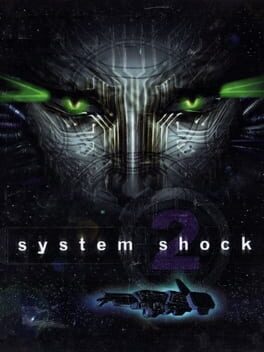
- 1998System Shock 2 establishes the template for the immersive sim System Shock 2
- 1999The Matrix brings the paranoia-conspiracy thriller to mass audiences The Matrix
- 2000Deus Ex launches and redefines what a video game can argue Deus Ex
- 2002Ghost in the Shell: Stand Alone Complex deepens the series on television Ghost in the Shell: Stand Alone Complex
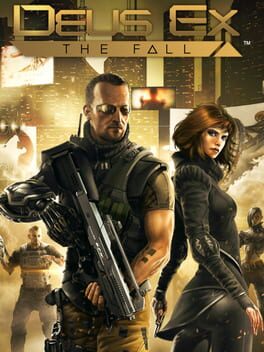
- 2011Human Revolution brings Deus Ex to a new generation
- 2012Person of Interest runs the surveillance-state premise for five seasons Person of Interest
- 2015Mr. Robot premieres, the most technically accurate hacker drama ever made Mr. Robot
- 2016Mankind Divided arrives, augmentation-as-apartheid as its central metaphor Deus Ex: Mankind Divided
- 2020Cyberpunk 2077 brings the genre's aesthetic to the open world Cyberpunk 2077
Augmented bodies, hidden systems
Cyborgs & Augmentation
Explore the Cyborgs & Augmentation guide →Every Deus Ex fan knows the feeling: you are supposed to go through the front door, but you find a vent, then a back office, then a password on a sticky note, and suddenly the whole plan the designers built is optional. That is the game telling you the world bends.CrossBinge