

Most role-playing games ask you to save the world. Atlus asks you to save the world and make it to class on time, keep your part-time job, hold a conversation over ramen, and still find a spare evening to knife a demon. That double life is the whole trick. For twenty years this Tokyo studio has fused two things nobody thought belonged together, an intimate high-school social simulator and a brutal dungeon crawler about summoning the darkness inside people, and the result is the Persona series: the coolest, most confident JRPG on the shelf.
Atlus did not arrive from nowhere. It grew out of Shin Megami Tensei, a long, bleak line of games about demons, moral choice and the end of the world, and Persona began as a spin-off before it swallowed its parent's fame whole. This is the studio's map: the games that made a genre feel young, dangerous and impossibly stylish again.
The essential Persona
Where the social sim meets the dungeon crawl

The demon lineage
Underneath the pop sheen sits something older and stranger. Shin Megami Tensei, the series Atlus built its house on, is famously uncompromising: philosophy-heavy, punishingly hard, obsessed with law versus chaos and the collapse of civilization. Persona took that engine, the demon negotiation, the elemental weaknesses, the fusion of monsters into new ones, and wrapped it in warmth and friendship. The tension between those two moods, cozy afternoons and existential dread, is exactly why the games hit so hard. You spend all day learning to love these characters, then the game asks you what you would actually die for.
And it sounds unlike anything else. Atlus soundtracks are their own argument for the studio: acid jazz, funk, breathy J-pop hooks and battle themes you hum for years. The music is not decoration. It is the reason a menu screen in a Persona game feels cooler than most other games' finales.
The Phantom Thieves era
Persona 5 and the definitive Royal cut
That confidence is why Atlus has become a genuine cross-media force. Persona has spilled far past the console: anime adaptations, stage plays, a dancing-rhythm spin-off, and above all the live concerts, where the series' composers and vocalists sell out halls to fans who know every lyric. A JRPG soundtrack tour is not a normal thing to exist. For Atlus it is a natural extension of a world people do not just play but live inside, complete with a friend group they would follow anywhere.
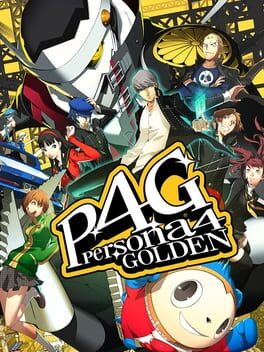
Persona 4 Golden is the quiet proof of the studio's staying power. A small-town murder mystery wrapped in a coming-of-age story, it was beloved on a dying handheld, then rereleased years later and found an entirely new audience who fell for the same warm, foggy world. The games do not age out. They just keep finding the next room full of teenagers ready to grow up inside them.
A short history of Atlus and Persona
- 1992Shin Megami Tensei establishes the demon-summoning, choice-driven RPG line Atlus builds its identity on.
- 1996The first Persona launches as a modern-day spin-off, trading the apocalypse for high-school protagonists.
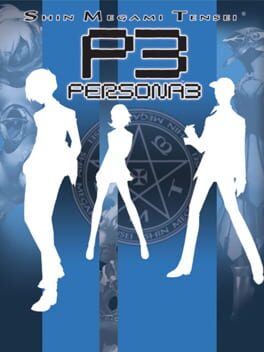
- 2006Persona 3 fuses the social-link calendar with dungeon crawling and defines the series' formula.
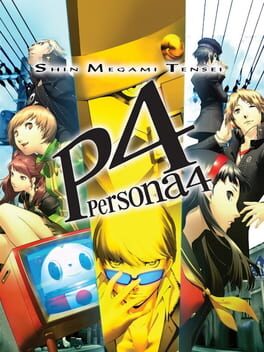
- 2008Persona 4 refines it into a warm small-town murder mystery that becomes a cult favorite.
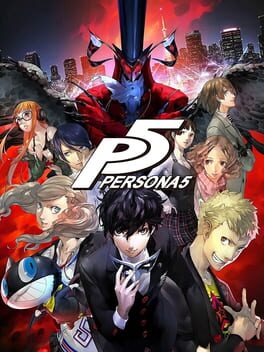
- 2016Persona 5 arrives with the Phantom Thieves and a style so bold it reshapes expectations for the genre.
- 2019Persona 5 Royal expands the story with a new arc widely called one of the best JRPGs ever made.
- 2020Persona 4 Golden on PC introduces the series to a huge new audience beyond consoles.
More modern studios
Every studio in the series. More on the way.
Atlus took the JRPG, the most nostalgic genre in games, and made it feel like the coolest thing in the room. That is the whole miracle of Persona.
Frequently asked
What is Atlus best known for?
Atlus is best known for the Persona series and the Shin Megami Tensei games it grew from: stylish Japanese role-playing games that blend a high-school social-life simulator with turn-based dungeon crawling about summoning inner demons, all wrapped in bold art and jazzy, unforgettable soundtracks.
How is Persona connected to Shin Megami Tensei?
Persona began as a spin-off of Shin Megami Tensei, Atlus's older and darker RPG line about demons, moral choice and the end of the world. Persona kept the demon-fusion and elemental-weakness systems but set them in the modern day and centered them on friendship and daily life, eventually becoming more famous than the series it came from.
Which Persona game should I start with?
Persona 5 Royal is the most polished and accessible entry and a great starting point, offering the definitive version of the series' formula. Persona 4 Golden is another excellent place to begin, with a warmer, more self-contained story. You do not need to play the earlier games first, since each Persona tells its own standalone tale.
Why are Atlus games known for their music?
Atlus soundtracks lean on acid jazz, funk and catchy J-pop vocal hooks rather than traditional orchestral fantasy scores, giving the games a distinctive, contemporary feel. The music has become so beloved that Persona's composers and singers perform it at sold-out live concerts, an unusual level of cross-media reach for a video game series.