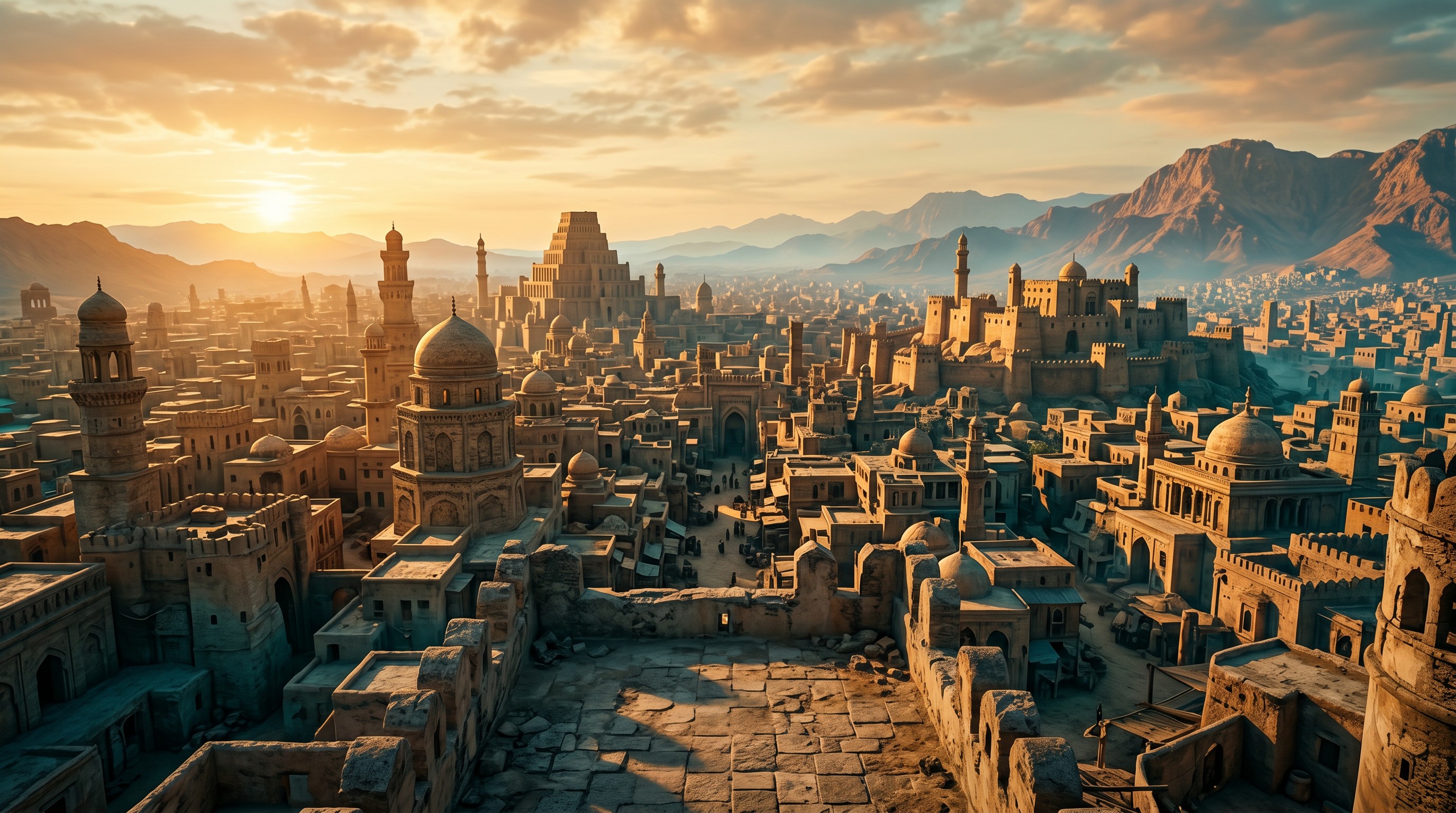

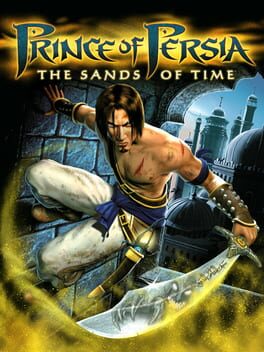
In 1997 Ubisoft opened a studio in Montreal chasing a Quebec tax incentive, and within a decade it had become one of the most important game studios on the planet. The turning point was Prince of Persia: The Sands of Time in 2003, a graceful reinvention of an old platformer that proved the Montreal team could build worlds you wanted to move through. What came next was bigger than anyone expected. Out of a cancelled Prince of Persia spin-off grew Assassin's Creed, and out of Assassin's Creed grew an entire way of making games: the huge, detailed, climbable historical city, dense with things to do and places to fall from.
This is the map of that empire: the Prince of Persia revival that started it, the Assassin's Creed saga that defined it, and the modern open worlds that turned the studio's blueprint loose on the present day.
The Prince of Persia revival
Where the Montreal style was born
From one assassin to an empire
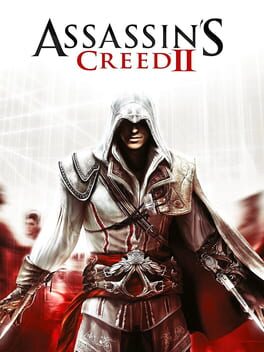
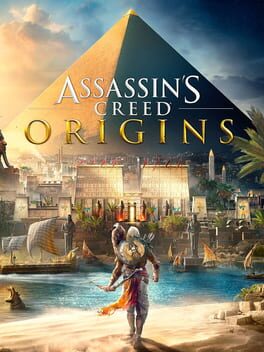
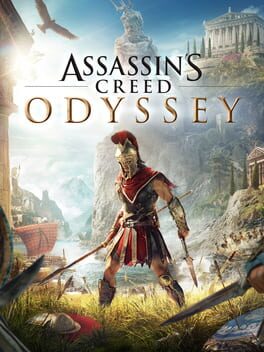
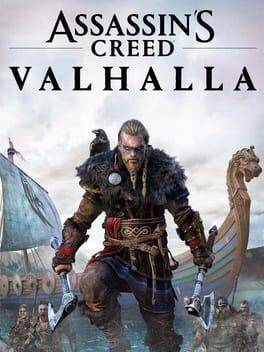
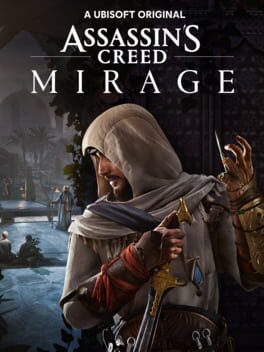
Assassin's Creed began as a Prince of Persia project and became something far larger: a stealthy climb through a living historical city, where crowds parted and towers begged to be scaled. The first game was rough, but the idea was electric, and Assassin's Creed II refined it into a classic, giving the series a charismatic hero in Ezio and a Renaissance Italy you could lose yourself in. Then, a decade later, the studio tore its own formula down and rebuilt it. Origins, Odyssey and Valhalla turned the series into vast open-world role-playing epics, trading the tight stealth for enormous maps of ancient Egypt, classical Greece and Viking-age England. Some purists mourned the change. Millions of new players never looked back.
The Assassin's Creed saga
From Renaissance rooftops to the RPG epics
The modern open worlds
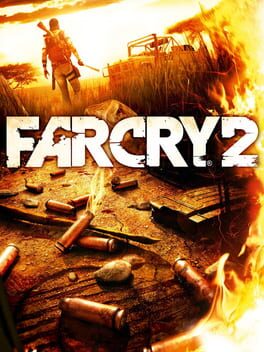
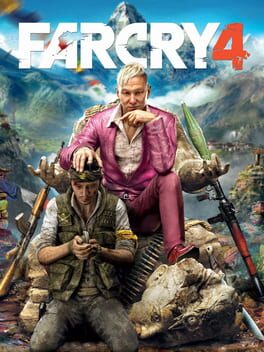
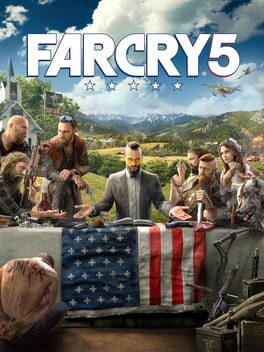
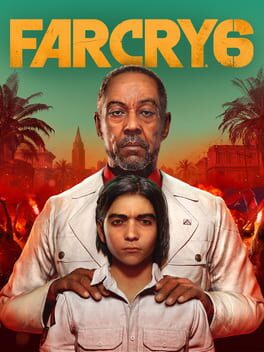
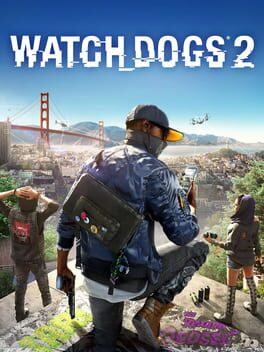
Far Cry and Watch Dogs, the blueprint turned loose

A short history of Ubisoft Montreal
- 1997Ubisoft opens a studio in Montreal, drawn by Quebec's tax incentives for game development.
- 2003Prince of Persia: The Sands of Time reinvents the series and puts the studio on the map.
- 2007Assassin's Creed launches, grown out of a cancelled Prince of Persia spin-off.
- 2009Assassin's Creed II refines the formula and gives the saga its most beloved hero, Ezio.
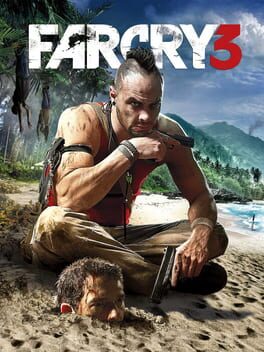
- 2012Far Cry 3 redefines the first-person open world with a charismatic villain and a wild island.
- 2014Watch Dogs imagines a hackable, surveilled open-world Chicago.
- 2017Assassin's Creed Origins reboots the series as a vast open-world RPG in ancient Egypt.
More modern studios
Every studio in the series. More on the way.
Out of one stealthy climb through a Renaissance city, Ubisoft Montreal built a way of making games that half the industry now borrows.
In the magazine
Ubisoft's Best Game in 13 Years Is One It Already Made
Assassin's Creed Black Flag Resynced launched July 9 to an 84 on Metacritic, the series' highest score since the 2013 original.
Read the story →Frequently asked
What is Ubisoft Montreal best known for?
Creating and building the Assassin's Creed series, one of the biggest franchises in gaming, and reviving Prince of Persia with The Sands of Time. The studio is also behind Far Cry and Watch Dogs, and is widely credited with defining the modern historical open-world game.
Did Ubisoft Montreal make Prince of Persia: The Sands of Time?
Yes. The Sands of Time (2003) was developed by Ubisoft Montreal and became the game that established the studio's signature focus on fluid movement and world traversal. That craft fed directly into Assassin's Creed a few years later.
How did Assassin's Creed become a cross-media franchise?
Its fiction of a hidden war between Assassins and Templars spread well beyond the games into a long line of tie-in novels, comics and short films, plus a 2016 feature film starring Michael Fassbender. The games remain the heart of the series, with everything else expanding the world around them.
What is the difference between the older and newer Assassin's Creed games?
The earlier games, like Assassin's Creed II, focus on tight stealth and city traversal. Beginning with Origins in 2017, the series shifted to vast open-world role-playing games with sprawling maps, leveling and long questlines, in Egypt (Origins), Greece (Odyssey) and Viking-age England (Valhalla).