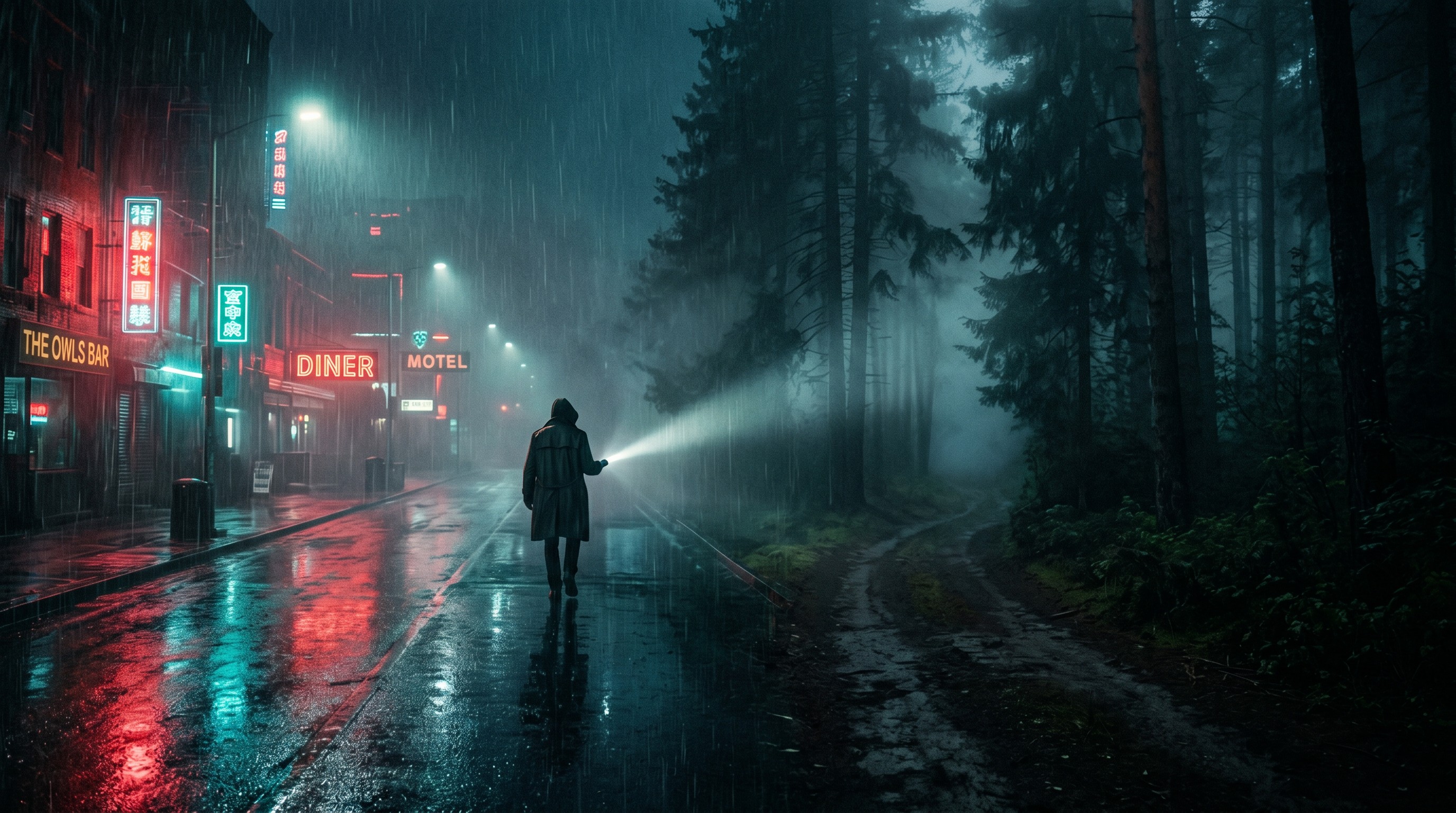

Most game studios borrow from film. Remedy Entertainment reads it, watches it, and writes it back. Founded in Espoo, Finland in 1995, the studio spent nearly thirty years building a reputation no rival really holds: the games that treat prestige television, pulp horror paperbacks and noir cinema as raw material rather than wallpaper. When creative director Sam Lake talks about influences, he names Twin Peaks, Stephen King and 1940s crime pictures, and then the games actually deliver on it. A hard-boiled detective narrates his own tragedy in comic-book panels. A bestselling author writes a manuscript that starts coming true. A federal agent walks into a building that rearranges its own hallways. This is a catalogue with a point of view, and the point of view is that stories about stories are the most interesting stories of all.
Start here
Three ways into Remedy: the noir shooter that made their name, the horror that made them famous, and the weird-fiction masterpiece that tied it all together.
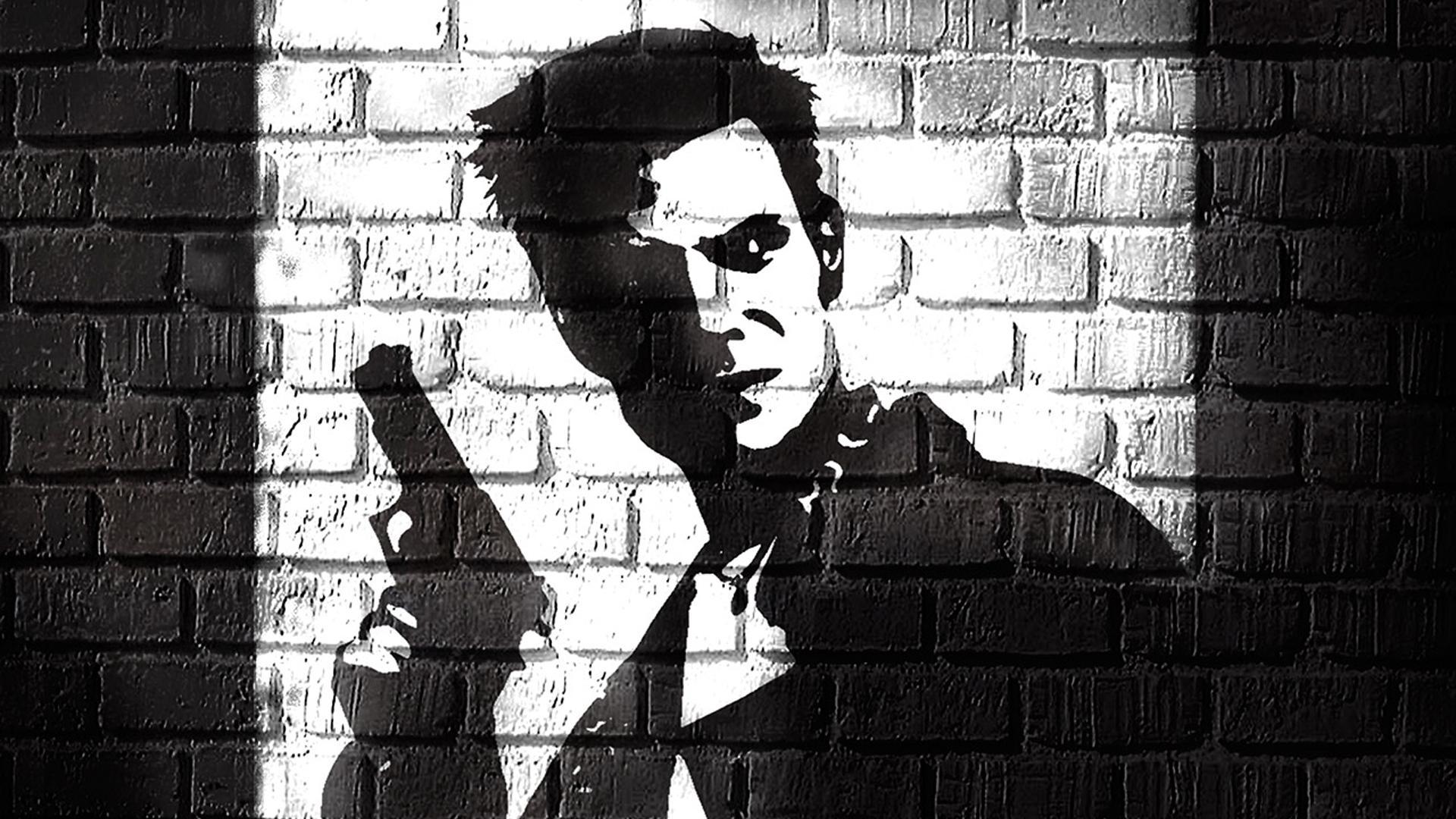
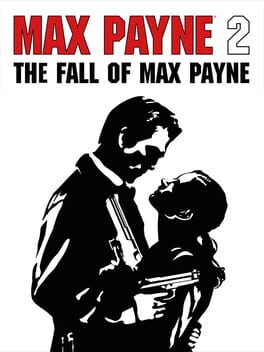
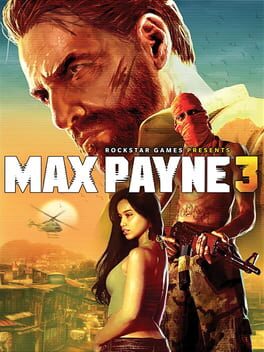
Max Payne arrived as a snarl of Nordic seriousness aimed straight at American crime fiction. Its story is told in still comic-book frames rather than animated cutscenes, a choice born partly of budget and partly of taste, and Sam Lake's own face became Max's for the original game. The sequel, Max Payne 2: The Fall of Max Payne, refined every part of it: better animation, a doomed love story, and narration that leaned harder into pulp poetry. Together they proved a small studio in Finland could out-write the far larger houses making shooters at the time. Long before the phrase existed, Remedy was making a cinematic universe, one gunfight and one voiceover at a time.
The Max Payne noir
A fallen cop, a New York winter, and narration that reads like a crime paperback left out in the rain.
After two games about a man drowning in his own words, Remedy made a game about a man whose words drown other people. Alan Wake (2010) is a survival-horror thriller about a bestselling novelist who arrives at the mountain town of Bright Falls for a rest, loses his wife, and discovers that pages of a book he does not remember writing are coming true around him. The DNA is worn proudly on the sleeve: Stephen King (a small-town horror about a writer, quoted in-game by King's own influence), and the small-town-uncanny of Twin Peaks, complete with a diner, a sheriff, and a local radio show. The combat idea is pure metaphor made mechanic: darkness protects the enemies, so you burn it away with a flashlight before your bullets can land. You are, quite literally, bringing things to light.
Alan Wake and the Remedy Connected Universe
The novelist, his long-awaited sequel, and the federal bureau whose case files quietly link them all together.
The voice of Remedy
Follow him to his full catalogue.
Control (2019) is where the whole catalogue quietly locked into place. You play Jesse Faden, who walks into the New York headquarters of the Federal Bureau of Control, a secret agency that studies objects and places where reality has gone wrong. The building, called the Oldest House, is a shifting brutalist maze that rearranges its own architecture. The tone borrows openly from SCP-style collaborative horror and the paranormal-bureaucracy weird-fiction tradition: redacted case files, altered household items that bend physics, and mundane office corridors that open onto the impossible. Then, in a piece of downloadable content, Control reached across to Alan Wake and made the connection explicit. The Remedy Connected Universe was official, and suddenly the flashlight in the forest and the filing cabinet in the bureau belonged to the same story.
The experiments and the origin
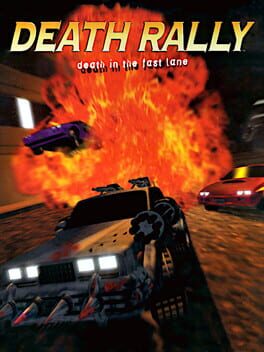
A live-action time-travel hybrid and the top-down racer that started it all in 1996.
Three decades of steering out of the lane
- 1996Death Rally, a top-down combat racer, becomes Remedy's first release and the studio's proof it could ship.
- 2001Max Payne arrives with bullet time and comic-panel storytelling, and a small Finnish studio out-noirs Hollywood.
- 2003Max Payne 2: The Fall of Max Payne sharpens the pulp poetry into a doomed love story.
- 2010Alan Wake turns Stephen King and Twin Peaks into an episodic survival-horror thriller lit by flashlight.
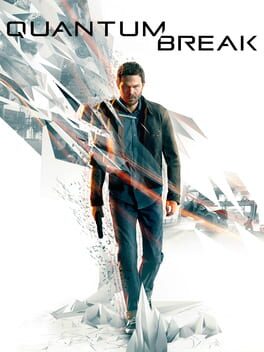
- 2016Quantum Break fuses a time-bending shooter with a live-action television series.
- 2019Control opens the Oldest House and, via DLC, formally launches the Remedy Connected Universe.
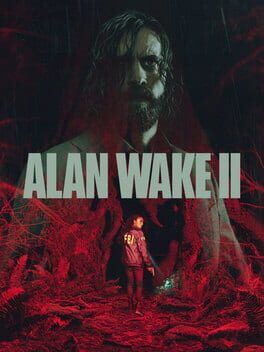
- 2023Alan Wake II returns after thirteen years, pushing live-action FMV and horror further than ever.
Remedy is the rare studio where the flashlight, the typewriter and the filing cabinet all turned out to be telling the same story.
More modern studios
Every studio in the series. More on the way.
Frequently asked
Who is Sam Lake and why does he matter to Remedy?
Sam Lake is Remedy's writer and creative director, and the studio's public face. He wrote Max Payne (and, famously, lent his own face to the original game's hero), then went on to shape Alan Wake, Quantum Break and Control. His fingerprints, the noir narration, the prestige-TV structure, the love of stories about storytellers, are on the whole catalogue.
What is the Remedy Connected Universe?
It is a shared fictional world that links several Remedy games, most clearly Alan Wake and Control. Downloadable content for Control made the crossover explicit, tying the haunted novelist's story to the Federal Bureau of Control's case files. Alan Wake II builds on that connection further. Max Payne sits apart as its own noir, though the studio's storytelling instincts run through everything.
Which Remedy game should I play first?
It depends on your taste. For hard-boiled noir action, start with Max Payne (2001). For atmospheric survival horror with a Twin Peaks flavor, start with Alan Wake (2010). For the studio at its most inventive, with reality-bending powers and a shifting brutalist building, start with Control (2019). All three are strong entry points.
Why is Remedy called the most cross-media studio in games?
Because its games do not just reference other media, they adopt its forms. Max Payne tells its story in comic-book panels. Alan Wake is built like a television season with recaps and licensed-song cliffhangers. Quantum Break embedded a live-action TV series between its acts. Alan Wake II blends filmed FMV with rendered horror. Few studios treat film, TV and prose fiction as native tools this consistently.