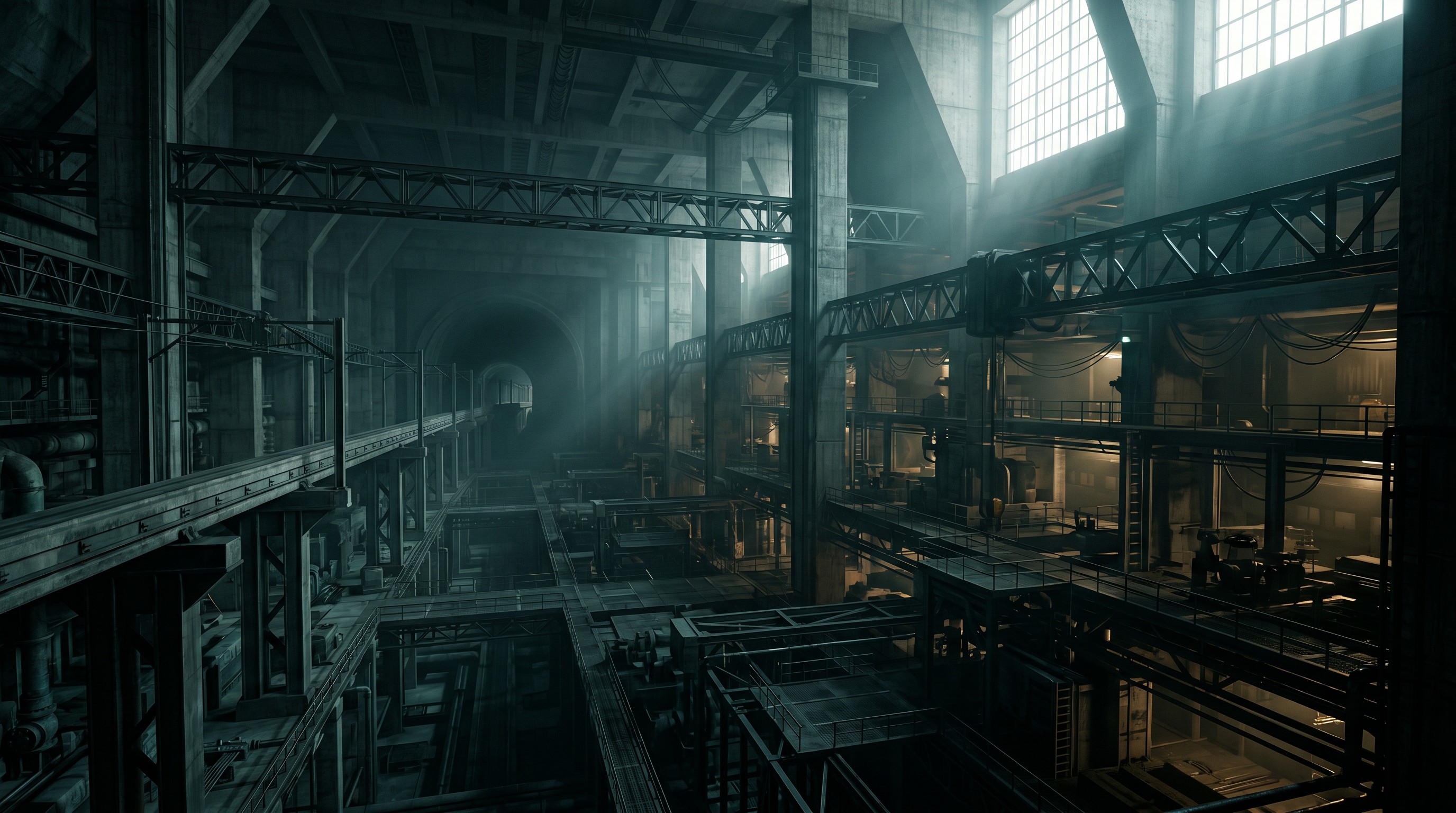

In 1998 a couple of ex-Microsoft engineers with no shipped games released a shooter about a physicist in a hazmat suit, and the first-person genre grew up. Half-Life did away with cutscenes and let the story happen around you while you kept control, a train ride into a research facility that went wrong in slow, dawning horror. It was smarter, tenser and more coherent than anything the genre had produced, and it announced Valve as a studio that would rather solve a problem properly than ship on time.
What followed was one of the strangest, most influential catalogues in games. The physics leap of Half-Life 2. The perfect little puzzle box of Portal. Two of the most-played multiplayer games ever made in Team Fortress 2 and Counter-Strike. And Steam, the store that turned a game studio into the front door of PC gaming. This is the map of it: the Half-Life saga, the Portal experiments, and the multiplayer worlds that never stopped running.
The Half-Life saga
Gordon Freeman, the crowbar, and the shooter that learned to tell a story

The company that answered to no one
Valve's odd shape is the reason the catalogue looks the way it does. There was no publisher standing over the studio with a calendar, because Valve owned its own distribution through Steam, and Steam paid for everything. That bought the freedom to sit on a game until it was right, to let a student mod become a flagship, to run a shooter for well over a decade as a free service instead of a sequel. It also gave the industry its most famous running joke about the number three. The upside was a body of work with almost no filler in it: when Valve shipped, it usually shipped something other studios would spend years catching up to.
The Portal experiments
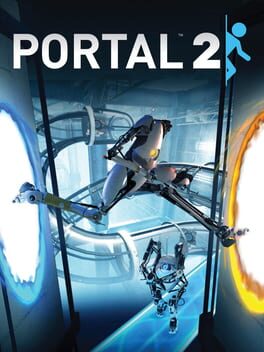
A test chamber, a portal gun, and one of the best comedies in games
The multiplayer classics
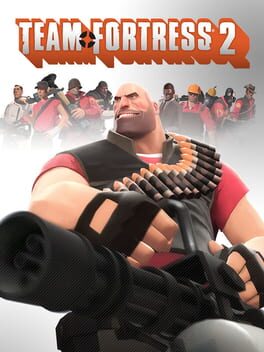
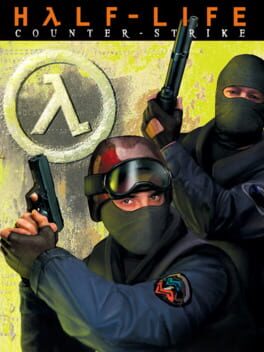
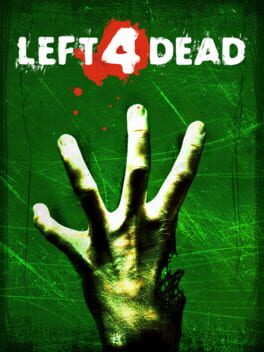
Team Fortress, Counter-Strike, Left 4 Dead and Dota 2, the games that never stopped
A short history of Valve
- 1996Gabe Newell and Mike Harrington leave Microsoft and found Valve.
- 1998Half-Life launches and redefines first-person storytelling.
- 2000Counter-Strike, born as a Half-Life mod, becomes a phenomenon Valve takes in-house.
- 2003Steam launches, quietly at first, as the way to update Valve's games.
- 2004Half-Life 2 ships with the gravity gun and Source, a physics showcase.
- 2007The Orange Box bundles Portal and Team Fortress 2, an all-time value package.
- 2008Left 4 Dead turns co-op survival into a director-driven horror engine.
- 2013Dota 2 releases, cementing Valve at the centre of competitive gaming and Steam.
- 2020Half-Life: Alyx returns to the series in VR and becomes its landmark showcase.
More modern studios
Every studio in the series. More on the way.
No publisher, no deadline, no filler. When Valve finally shipped, it usually shipped something the rest of the industry would spend years catching up to.
Frequently asked
What is Valve best known for?
Making Half-Life, Portal, Team Fortress 2, Counter-Strike, Left 4 Dead and Dota 2, and for building Steam, the dominant PC game store. Valve is famous for physics-driven design, environmental first-person storytelling and multiplayer games that stay popular for many years.
Why was Half-Life so influential?
Half-Life (1998) told its story without cutscenes, keeping you in control the whole time while events unfolded around you. That approach to first-person storytelling, along with a coherent world and strong pacing, reshaped how shooters were designed and inspired countless games that followed.
Did Valve make Counter-Strike?
Counter-Strike began in 1999 as a fan-made mod for Half-Life, created by Minh Le and Jess Cliffe. Valve recognised its potential, brought the team and the game in-house, and turned Counter-Strike into one of the most-played competitive shooters ever made.
What is Steam and how is it connected to Valve?
Steam is the digital store and platform Valve launched in 2003, originally to update its own games. It grew into the largest storefront for PC games, and the revenue it generates is a big part of why Valve can develop its titles without a publisher or fixed release dates.