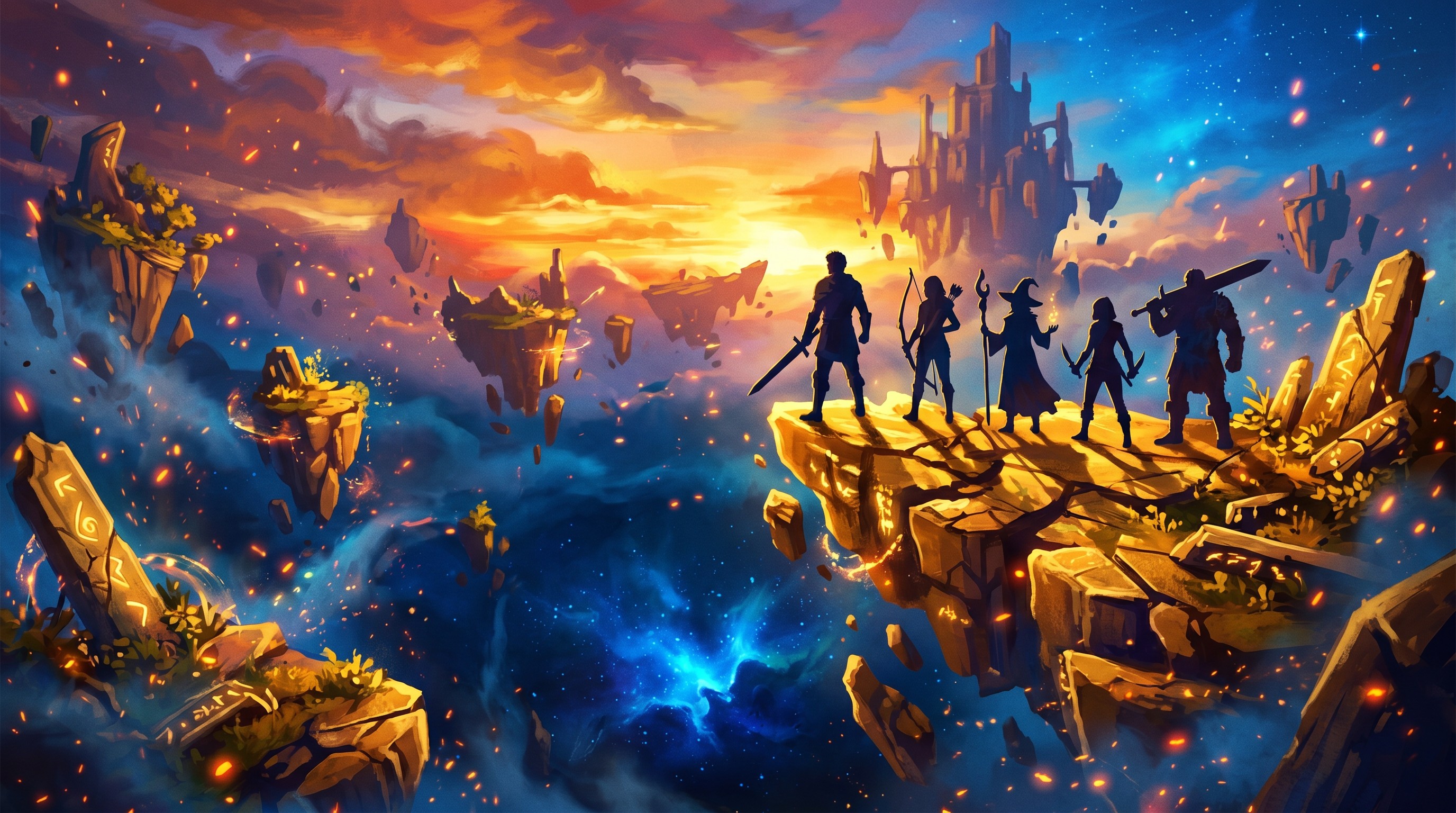

Supergiant Games started in 2009 in a house in San Jose with seven people and a dog. Their first release, Bastion, arrived in 2011 and did something almost no action game had tried: a narrator described your every move as you made it, turning a downloadable brawler into a story that reacted to how you played. That instinct, letting sound and voice and paint do the work usually handed to cutscenes, has run through everything the studio has made since.
Start here: the whole Supergiant run
Five games, five very different shapes, one unmistakable house style.
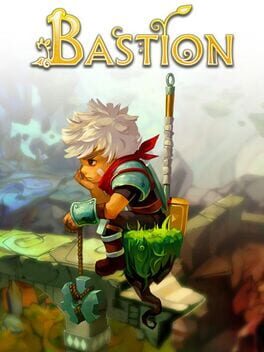
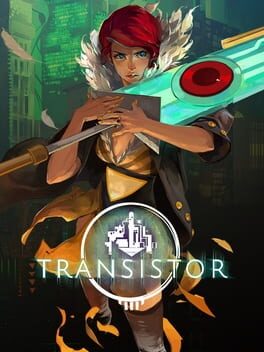
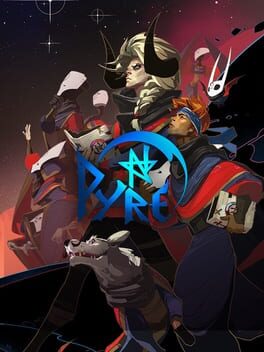
Transistor (2014) traded the sun-bleached ruins of Bastion for a neon cyber-noir city and a heroine who never speaks, letting her talking sword do it for her. Pyre (2017) went stranger still: a party-based fantasy road trip resolved through three-on-three sports matches, with a branching story that refuses to give you a game-over screen. Each release looked like a deliberate swerve, as if the studio was daring itself not to repeat the thing that had just worked.
The experimental middle: Transistor and Pyre
The two games that proved Supergiant would rather surprise you than reassure you.
The people behind Supergiant
Follow them to their full catalogue.
Fifteen years, five games
- 2011Bastion launches, with Logan Cunningham's narrator reacting to your every step and Darren Korb's frontier score turning heads.
- 2014Transistor trades ruins for neon noir, pairing a silent heroine with a talking sword and Ashley Barrett's vocals.
- 2017Pyre gambles on a party-based fantasy road trip resolved through sports rituals, with no losing screen.
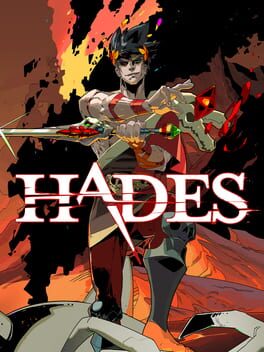
- 2020Hades leaves early access and breaks out, sweeping Game of the Year honors and winning a Hugo Award.
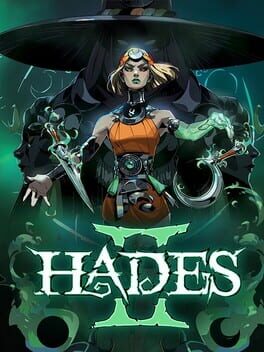
- 2025Hades II arrives, the studio's first true sequel, expanding the underworld with the witch Melinoë.
Five games, no filler, and a soundtrack for each one you would happily play with the game turned off.
The underworld duology: Hades and Hades II
The breakout and its follow-up, and the reason Supergiant finally made a sequel.
More modern studios
Every studio in the series. More on the way.
Frequently asked
What games has Supergiant Games made?
Five: Bastion (2011), Transistor (2014), Pyre (2017), Hades (2020) and Hades II (2025). Each one changes genre and setting while keeping the studio's signature narration, hand-painted art and original score.
Who composes the music for Supergiant's games?
Darren Korb, the studio's audio director, has scored every game and often performs and records the tracks himself. He describes his sound as acoustic frontier trip-hop, and the soundtracks, including vocal collaborations with singer Ashley Barrett, are released as standalone albums.
Why is Hades considered so important?
Hades solved a long-standing problem: how to tell a rich, continuous story inside a roguelike that resets on every death. By making death part of the narrative, it earned Game of the Year honors across the 2020 awards season and became the first video game to win a Hugo Award.
Where should I start with Supergiant?
Hades is the easiest entry point and the most acclaimed. If you prefer a shorter, more contained story, Bastion is the original and Transistor is its striking follow-up. Pyre is the studio's strangest and most divisive experiment, best saved for when you already love their voice.