
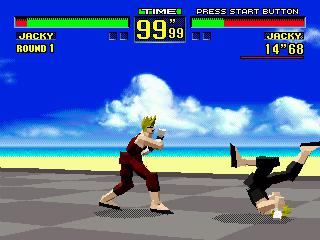
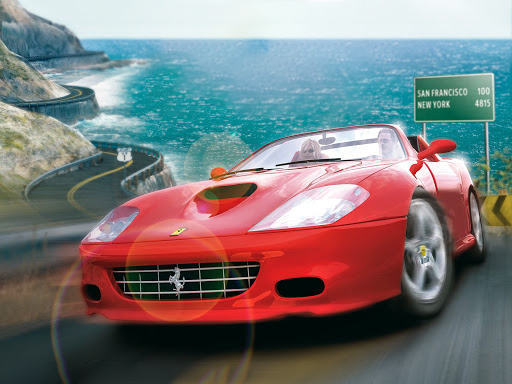
For decades Sega was the cool one. It ruled the arcade with Yu Suzuki's spectacular machines, from Space Harrier to OutRun to Virtua Fighter, the game that brought 3D fighting to the world. It gave gaming Sonic the Hedgehog, a mascot with enough attitude to take on Mario and win a generation's loyalty. It built the Dreamcast, a console so far ahead of its time it broke the company's heart when it failed. And after that heartbreak it reinvented itself as a publisher, with the Yakuza series as its modern crown jewel.
This is the studio's run: the arcade legends, the console wars, the Dreamcast's doomed brilliance, and the modern Sega. Here is the map.
The essential Sega
Start here

From the arcade to the Dreamcast
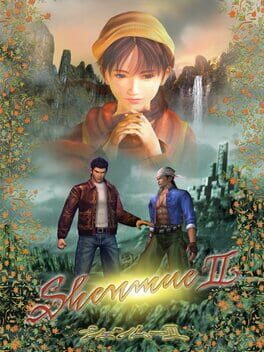
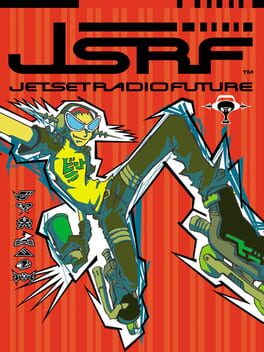
Sega's story is one of relentless invention and hard luck. It fought Nintendo to a standstill in the 16-bit era with the Mega Drive and Sonic, stumbled with the Saturn, then produced the Dreamcast, a machine full of ideas the industry would not catch up with for years: online console play, memory cards with screens, games like Shenmue and Jet Set Radio that looked like nothing else. The Dreamcast failed commercially, and Sega left the console business, but its restless creativity never dimmed.
The arcade legends
Where Sega was king
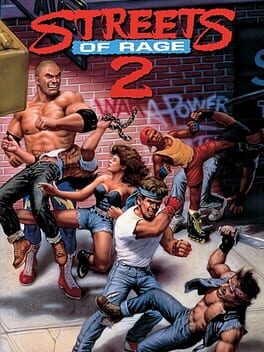
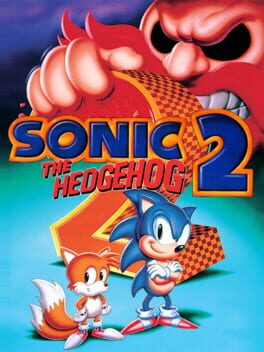
The Sonic games
Fast, blue and full of attitude
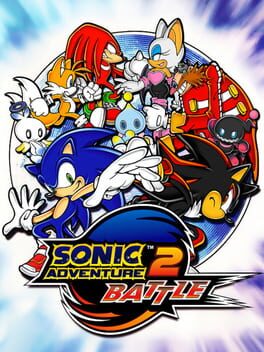
The Dreamcast dreamers and the role-players
The ideas that were years early
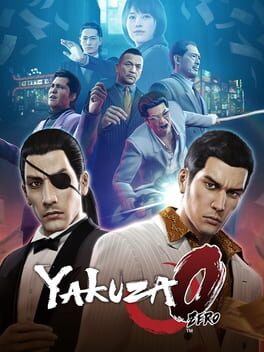
The modern Sega
The Yakuza era and beyond
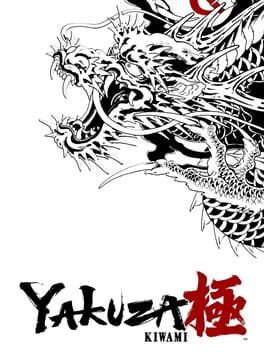
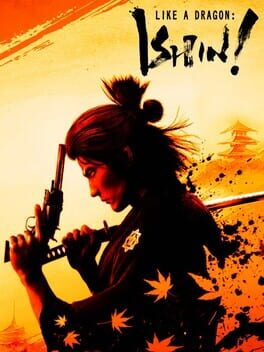
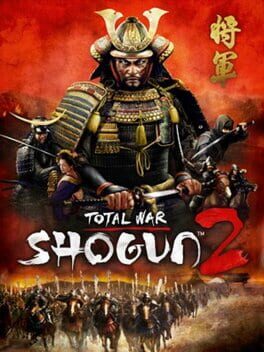
On screen: Sonic
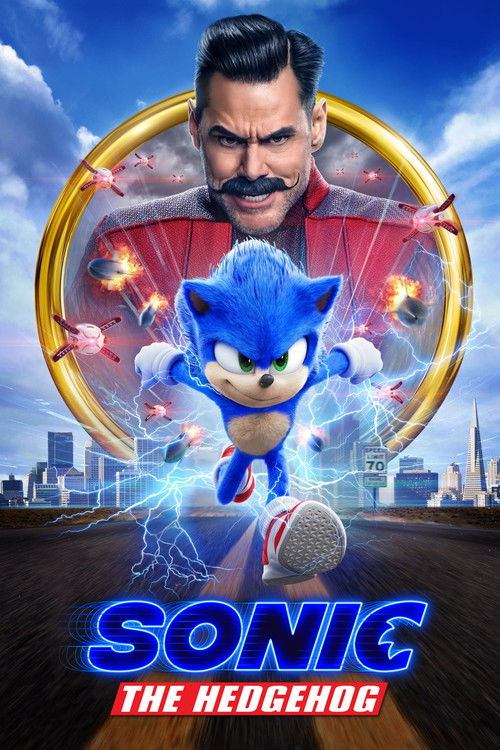
The mascot goes to the movies
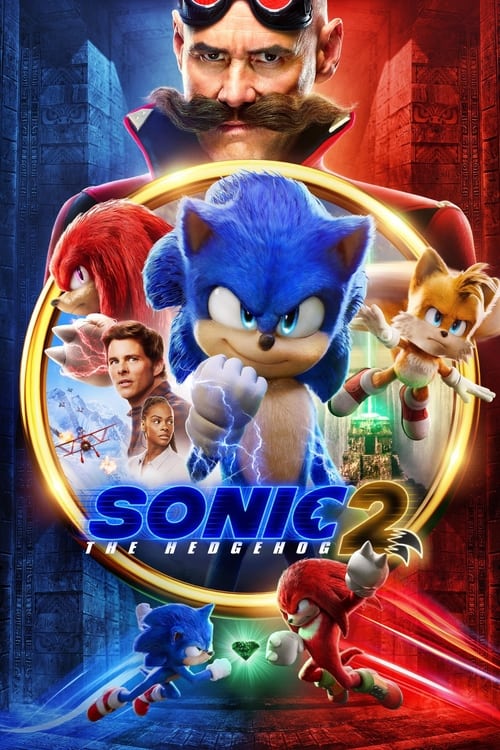
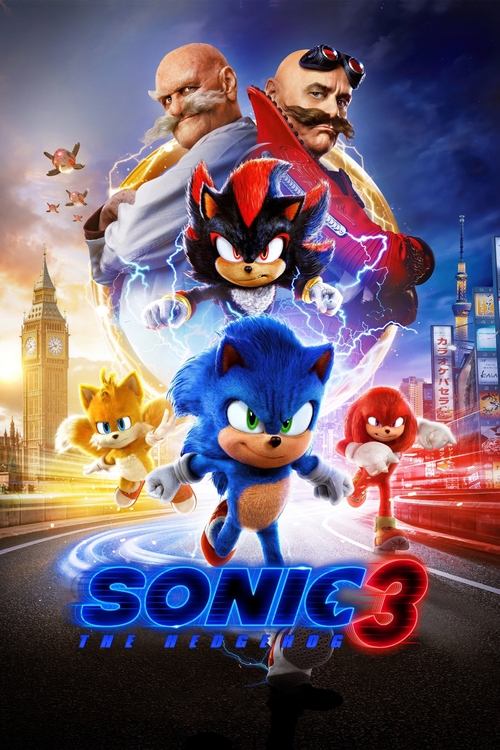
A short history of Sega
- 1986Space Harrier and OutRun establish Sega as the king of the arcade.
- 1991Sonic the Hedgehog launches and takes the fight to Nintendo.
- 1993Virtua Fighter brings 3D to the fighting game and changes the genre.
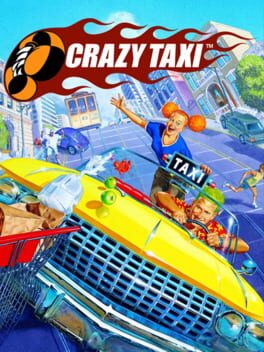
- 1999The Dreamcast launches with online play and games like Shenmue and Crazy Taxi.
- 2001Sega leaves the console business and becomes a third-party publisher.
- 2005Yakuza begins the series that becomes Sega's modern flagship.
- 2017Sonic Mania proves the blue blur's classic era still has magic.
The people who built Sega
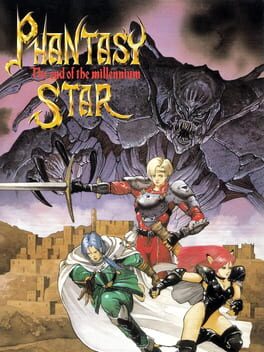
The arcade genius, the makers of Sonic, Yakuza and Phantasy Star. Follow any of them to their full catalogue.
Keep listening on Podfriend
Shows and themes that go deep on this era of gaming.
More golden-age studios
Every studio in the series. More on the way.
The arcade king that gave gaming its coolest mascot and its most beloved doomed console. That was Sega.
Frequently asked
What is Sega best known for?
Sonic the Hedgehog, its dominance of the arcade with games like OutRun and Virtua Fighter, the beloved Dreamcast console, and modern series like Yakuza. Sega was Nintendo's great rival in the console wars of the 1990s.
Why is the Dreamcast so beloved?
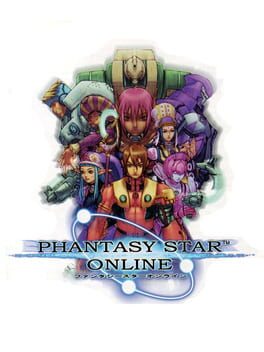
The Dreamcast (1999) was ahead of its time, with built-in online play, innovative games like Shenmue and Jet Set Radio, and the first console MMORPG in Phantasy Star Online. It failed commercially, and Sega left the console business, but it is remembered as one of gaming's great what-ifs.
Did Sega invent the 3D fighting game?
Virtua Fighter (1993), by Sega's AM2 team led by Yu Suzuki, was the first fighting game rendered in true 3D polygons, reshaping the genre and influencing games like Tekken and Soulcalibur.
Does Sega still make games?
Yes. After leaving the console business in 2001, Sega became a major third-party publisher, with the Yakuza / Like a Dragon series, Sonic, Total War and Persona (via Atlus) among its modern properties.