
In 1980 a programmer named Ken Williams and his wife Roberta ran a text adventure on an Apple II and Roberta decided it needed pictures. The result, Mystery House, was the first graphic adventure ever sold, a haunted mansion drawn in shaky white line art. The company they built around that idea, Sierra On-Line, spent the next two decades turning the illustrated puzzle into an art form.
For a long stretch Sierra was the adventure game to a whole generation of home-computer owners. You typed what you wanted to do, you died constantly and unfairly, you saved before every door, and you learned a strange kind of patience. This is the map of that world: the five great quest series, the horror experiments, the deep cuts, and the moment the whole thing quietly ended.
The quests that built a company
Start here
Five families of quest
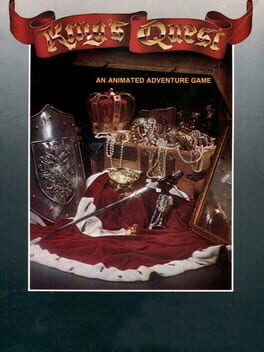
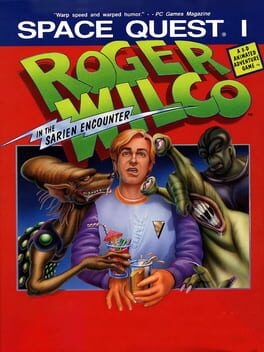
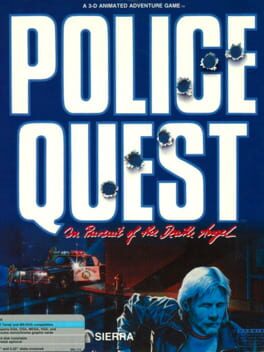
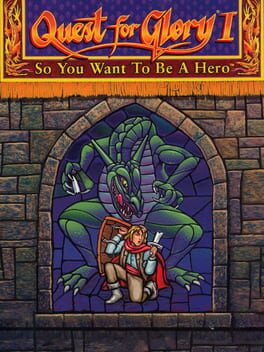
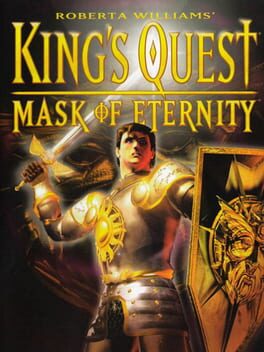
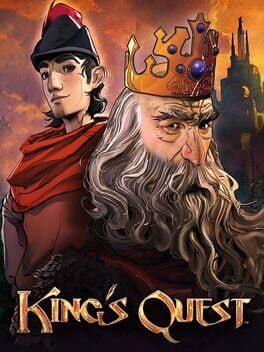
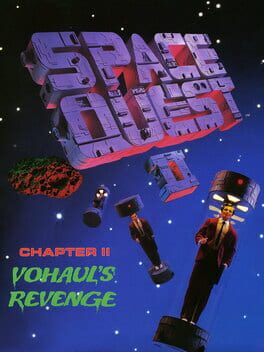
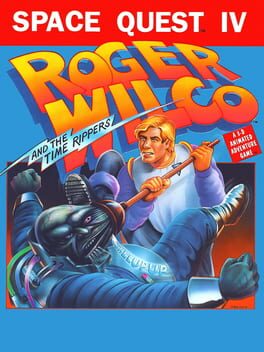
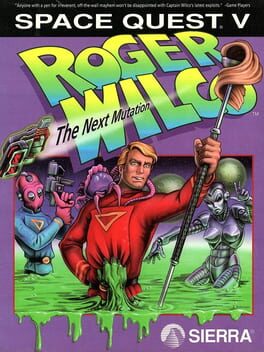
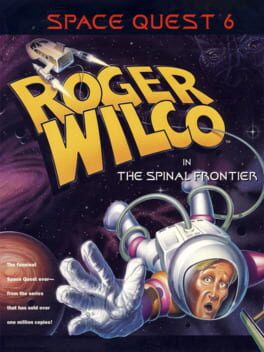
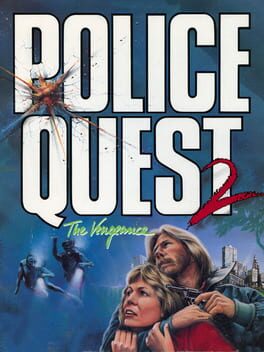
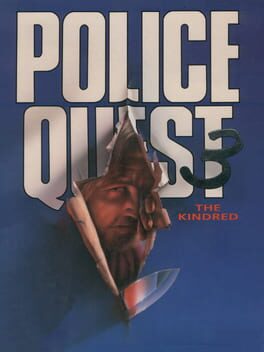
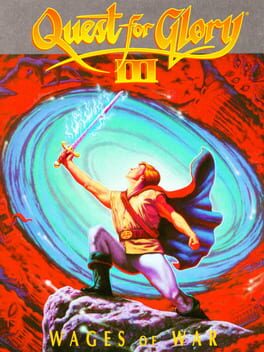
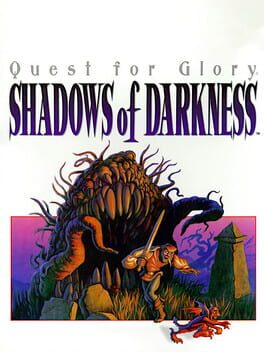
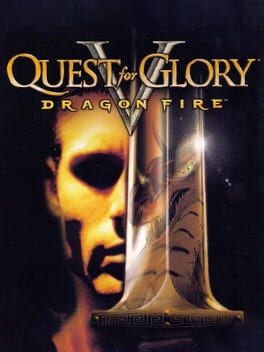
Sierra's spine was its series, each one a different mood built on the same engine. King's Quest did fairy-tale fantasy. Space Quest did comedy science fiction, casting you as a janitor who keeps accidentally saving the galaxy. Police Quest was procedure, written by a real ex-cop who made you read suspects their rights. Quest for Glory smuggled a full role-playing game inside a point-and-click. And Leisure Suit Larry did the bawdy grown-up comedy that got the boxes hidden behind the counter. Learn one and you could play them all, which was exactly the point.
King's Quest: the crown jewel
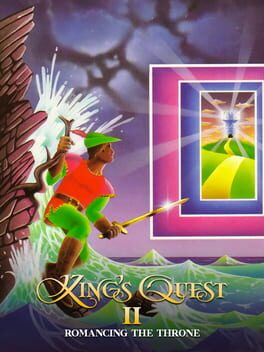
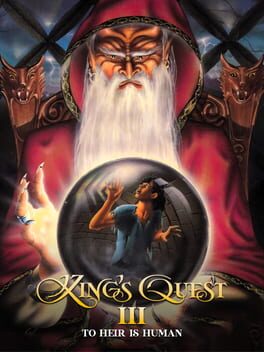
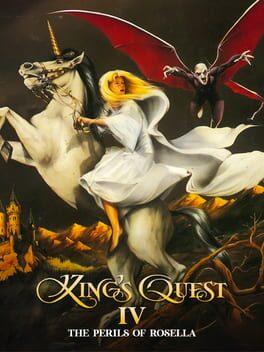
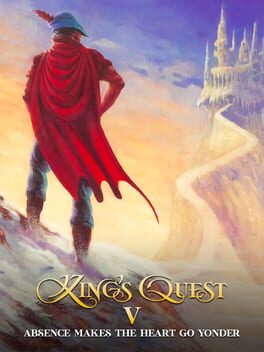
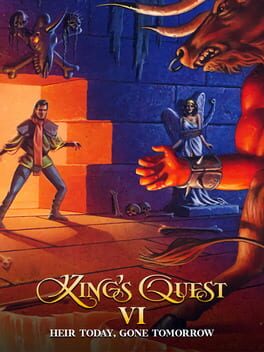
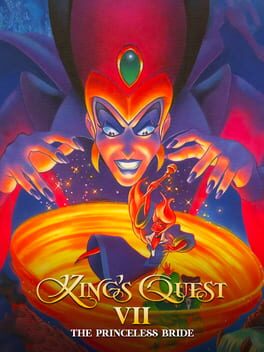
Roberta Williams' fairy-tale saga, in order
Space Quest: janitor of the galaxy
Roger Wilco's comedy sci-fi run

The one that still gives people nightmares
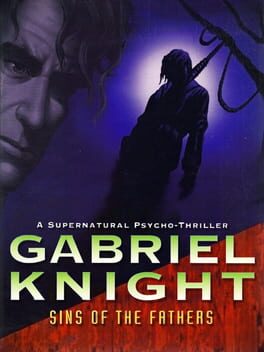
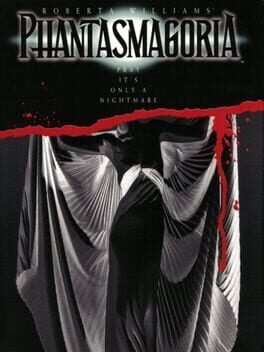
By the mid-nineties Sierra had CD-ROMs and full-motion video, and it used them to get genuinely dark. Gabriel Knight: Sins of the Fathers, written by Jane Jensen, is a New Orleans horror mystery with real research under it, voodoo and history and a bookshop owner in over his head. Then there is Phantasmagoria, Roberta Williams' seven-disc haunted-house shocker full of live actors, which got itself banned in places and remains the most notorious thing the studio ever shipped. Sierra was never just kingdoms and knights.

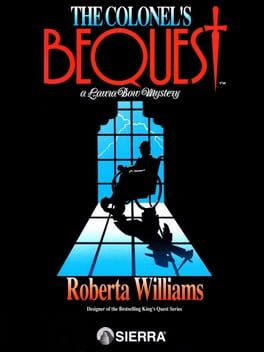
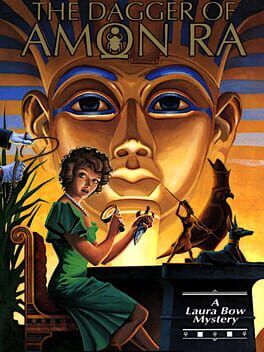
Police Quest and the Laura Bow mysteries
Procedure, deduction, and murder

Quest for Glory: the whole saga
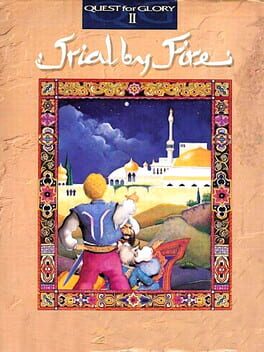
The five-part adventure-RPG, in order
Larry, Freddy and the grown-up comedies
Al Lowe's disreputable corner of Sierra
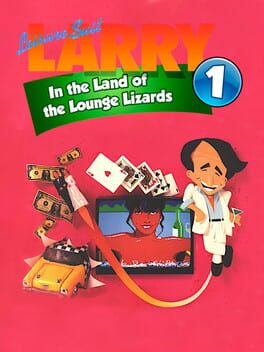 Leisure Suit Larry in the Land of the Lounge Lizards
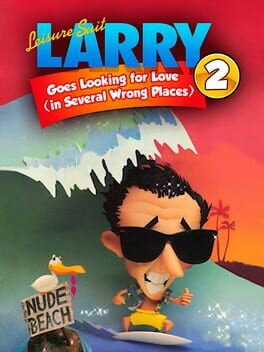 Leisure Suit Larry 2: Goes Looking for Love (in Several Wrong Places)
 Leisure Suit Larry III: Passionate Patti in Pursuit of the Pulsating Pectorals
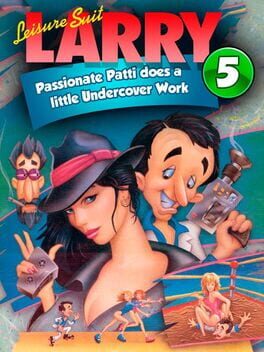 Leisure Suit Larry 5: Passionate Patti Does a Little Undercover Work
 Leisure Suit Larry 6: Shape Up or Slip Out!
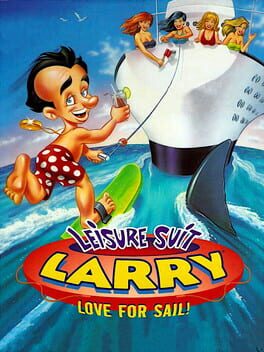 Leisure Suit Larry 7: Love for Sail!
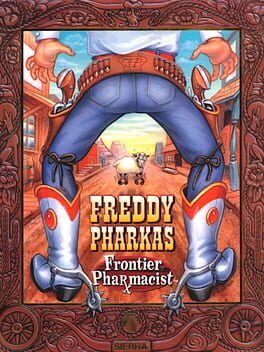 Freddy Pharkas: Frontier Pharmacist
The people who built Sierra
The designers behind the quests. Follow any of them to their full catalogue across the studio.
A short history of Sierra On-Line
- 1980Ken and Roberta Williams release Mystery House, the first graphic adventure ever sold, from their home in California. Mystery House
- 1984King's Quest, commissioned by IBM for the PCjr, introduces a walking, animated character and Sierra's AGI engine.
- 1987Leisure Suit Larry and Space Quest prove the parser adventure can do bawdy comedy and sci-fi farce, not just fantasy.
- 1990The SCI engine and the mouse arrive: King's Quest V drops the typing for point-and-click and hand-painted VGA art.
- 1993Gabriel Knight and CD-ROM push Sierra toward voice acting, mature stories and full-motion video.
- 1996Sierra is sold to CUC International. The founders' grip on the company begins to loosen.
- 1999The Oakhurst studio, Yosemite Entertainment, is shut down. The classic adventure line effectively ends.
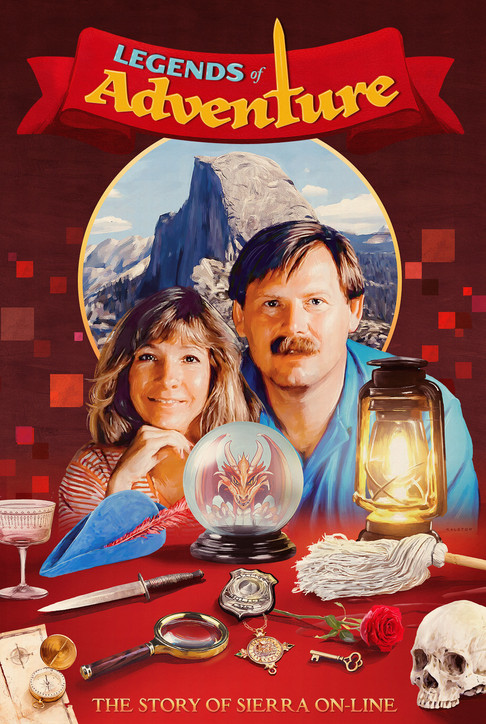
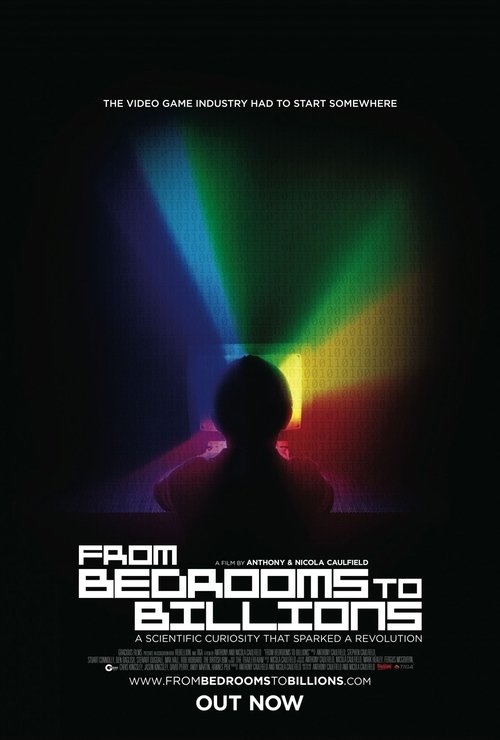
Read and watch: the story of Sierra
The books and documentaries about the studio and its golden age



Deeper cuts worth your time
The catalogue beyond the big five
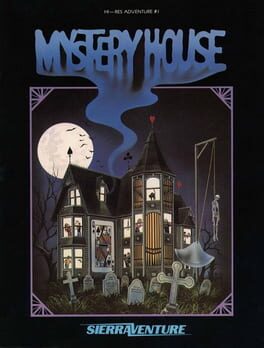 Mystery House
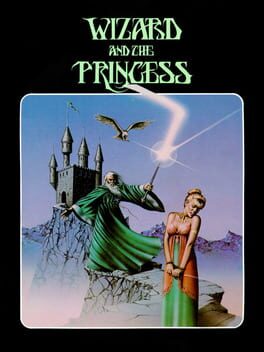 The Wizard and the Princess
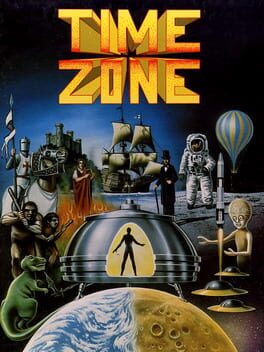 Time Zone
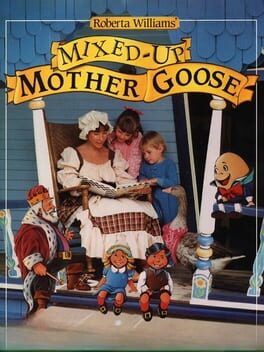 Mixed-Up Mother Goose
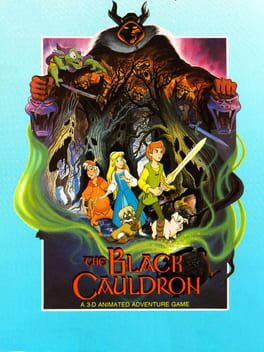 The Black Cauldron
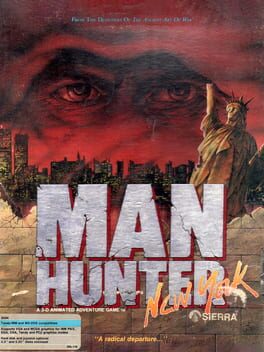 Manhunter: New York
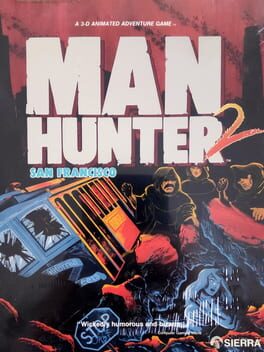 Manhunter 2: San Francisco
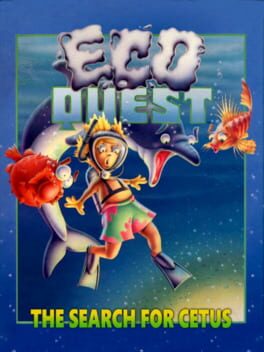 EcoQuest: The Search for Cetus
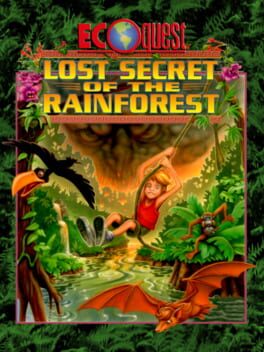 EcoQuest II: Lost Secret of the Rainforest
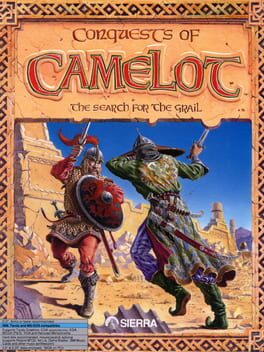 Conquests of Camelot: The Search for the Grail
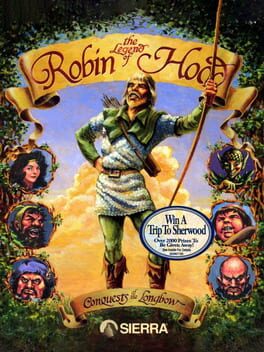 Conquests of the Longbow: The Legend of Robin Hood
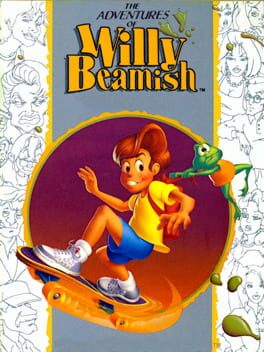 The Adventures of Willy Beamish
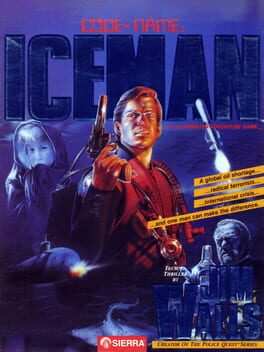 Codename: Iceman
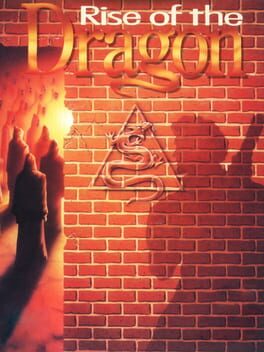 Rise of the Dragon
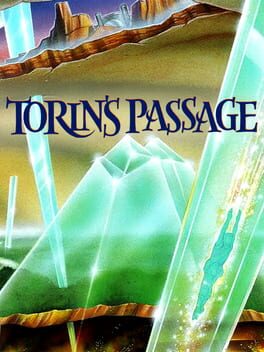 Torin's Passage
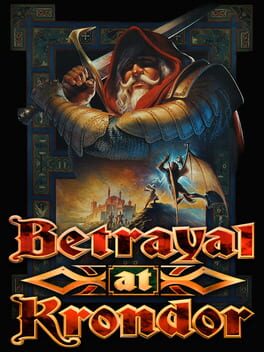 Betrayal at Krondor
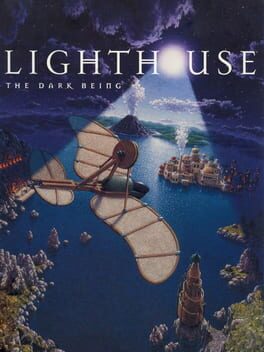 Lighthouse: The Dark Being
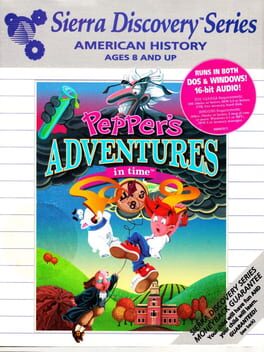 Pepper's Adventures in Time
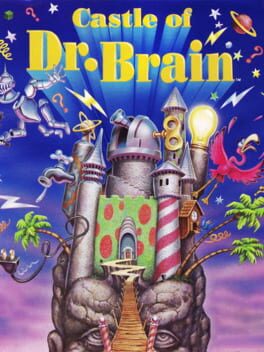 Castle of Dr. Brain
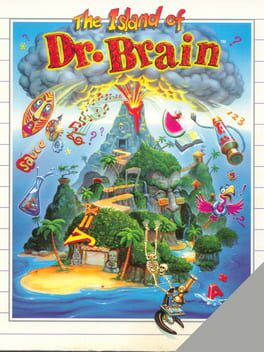 The Island of Dr. Brain
 The Lost Mind of Dr. Brain
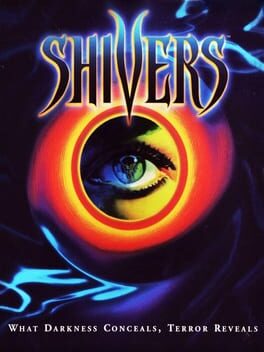 Shivers
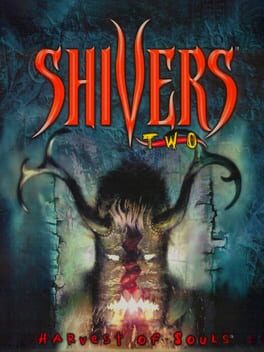 Shivers II: Harvest of Souls
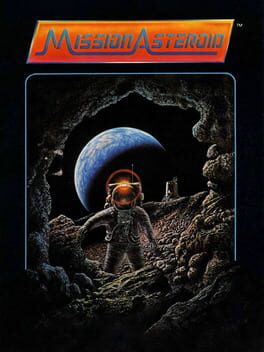 Mission Asteroid
Keep listening on Podfriend
Hand-picked shows and themes that go deep on this history.
More golden-age studios
Every studio in the series. More on the way.
You typed what you wanted to do, you died constantly and unfairly, and you learned a strange kind of patience. That was Sierra.
Frequently asked
What was the first Sierra adventure game?
Mystery House (1980), created by Roberta and Ken Williams, was the first graphic adventure ever sold. King's Quest (1984) then introduced the walking, animated character that defined the studio's style.
What are the main Sierra quest series?
The five pillars are King's Quest (fairy-tale fantasy), Space Quest (comedy sci-fi), Police Quest (police procedural), Quest for Glory (adventure-RPG hybrid) and Leisure Suit Larry (adult comedy), joined by later story-driven games like Gabriel Knight and Phantasmagoria.
Why were Sierra games considered so hard?
Early Sierra games used a text parser and were happy to kill you without warning or let you reach an unwinnable state hours before you noticed. The advice to save early and often comes straight from this era.
How is Sierra different from LucasArts?
LucasArts' SCUMM adventures famously refused to kill the player or create dead ends, favouring comedy and forgiving design. Sierra embraced danger, death and a harder edge. The two studios defined the two philosophies of the adventure game.