

LucasArts began in 1982 as Lucasfilm Games, a small team George Lucas set up next to the film business, and for a strange and wonderful decade it was two studios in one body. On one side sat a group of writers building the smartest comedies in the medium, powered by an engine called SCUMM and a rule that would define them: the player should never die and never get stuck. On the other side sat the keys to Star Wars, and the best flight sims and action games the license would ever produce.
This is the guide to both halves. The point-and-click classics that made Ron Gilbert, Tim Schafer and Dave Grossman famous, and the X-Wings, lightsabers and old republics that let the rest of us live in that galaxy.
The essential LucasArts
Start here
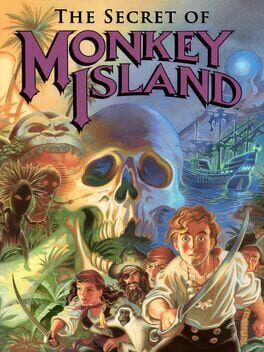
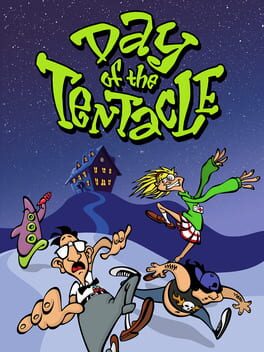
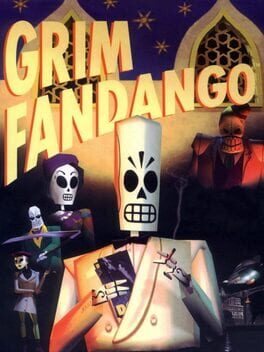
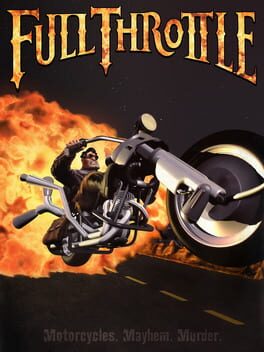
The SCUMM philosophy: you cannot die
LucasArts' adventures ran on SCUMM, the Script Creation Utility for Maniac Mansion, and on a design creed borrowed from Ron Gilbert's frustration with the competition. No sudden deaths. No unwinnable dead ends. No pixel hunts that get you killed. The idea was that a comedy falls apart if the audience is terrified of making a mistake, so the games removed the fear and kept the wit. It was the exact opposite of Sierra's philosophy across the valley, and history mostly sided with LucasArts.
The SCUMM adventures
The point-and-click canon
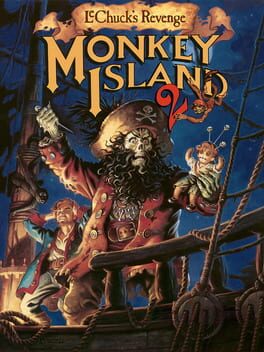
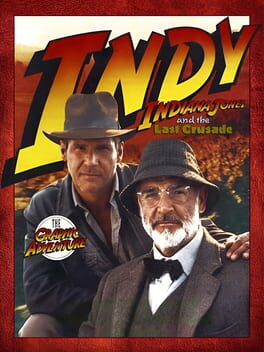
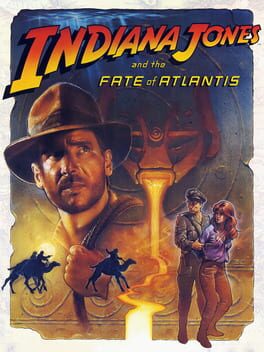
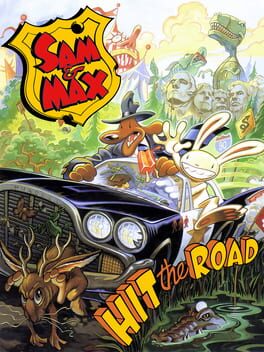
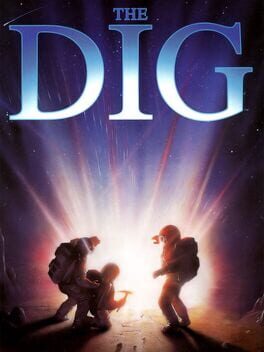
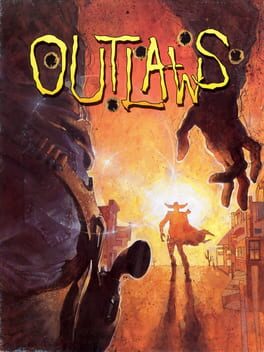
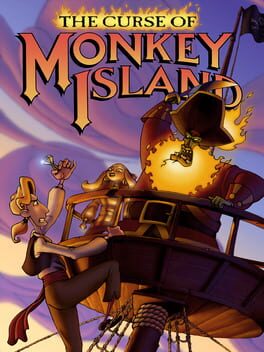
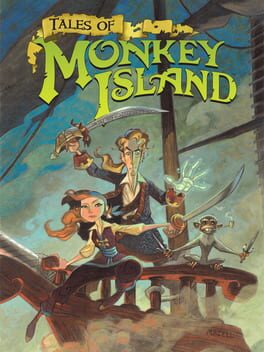
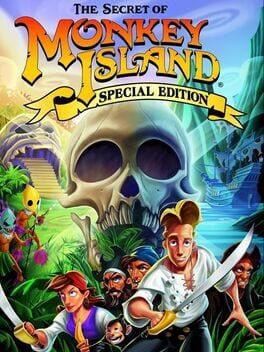
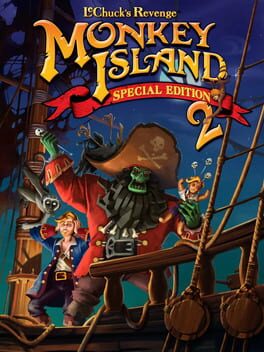
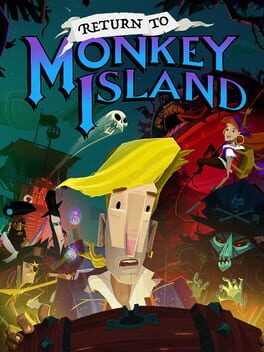
Monkey Island: the whole saga
Every voyage with Guybrush Threepwood
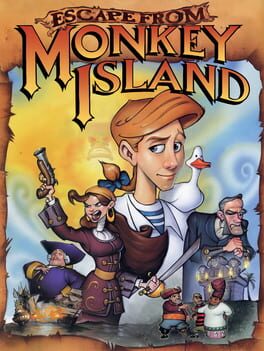
Star Wars: the flight sims and shooters
Cockpits, lightsabers and blasters
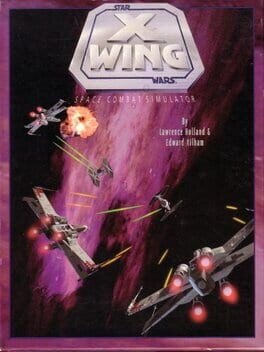 Star Wars: X-Wing
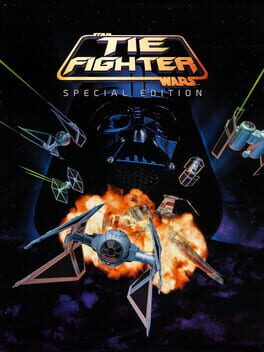 Star Wars: TIE Fighter - Special Edition
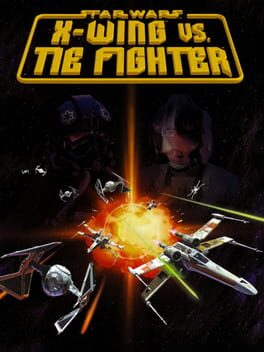 STAR WARS: X-Wing vs. TIE Fighter
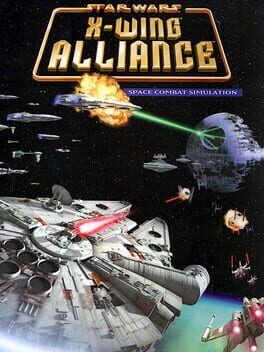 Star Wars: X-Wing Alliance
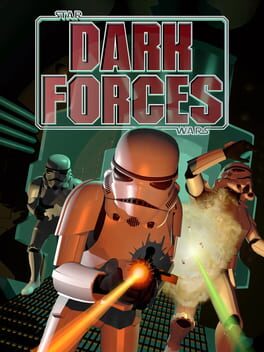 Star Wars: Dark Forces
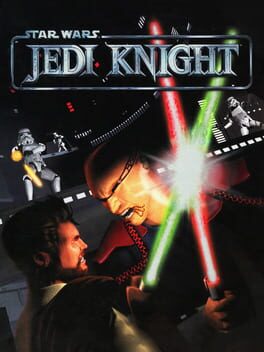 Star Wars: Jedi Knight - Dark Forces II
 Star Wars: Jedi Knight II - Jedi Outcast
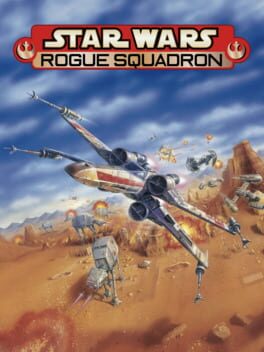 Star Wars: Rogue Squadron
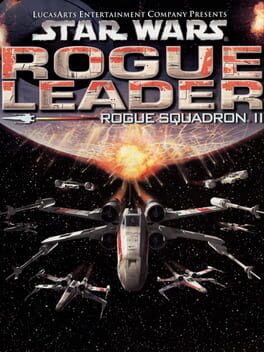 Star Wars: Rogue Squadron II - Rogue Leader
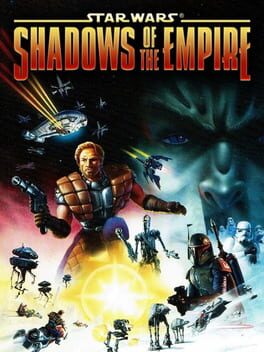 Star Wars: Shadows of the Empire
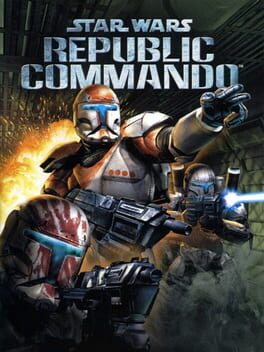 Star Wars: Republic Commando
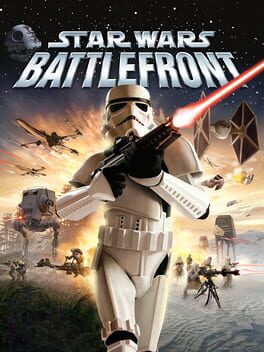 Star Wars: Battlefront
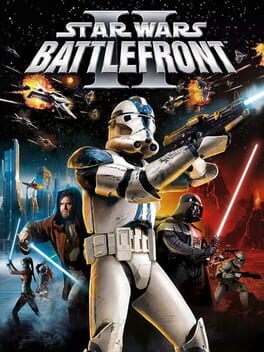 Star Wars: Battlefront II
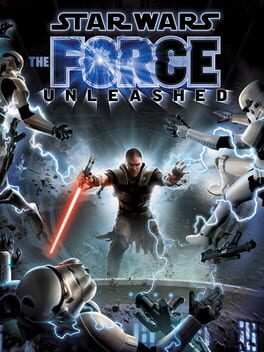 Star Wars: The Force Unleashed
Star Wars: the RPGs and grand strategy
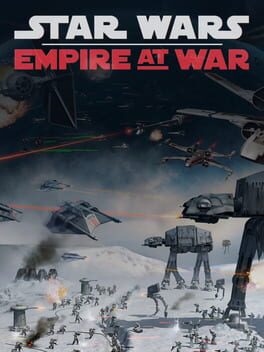
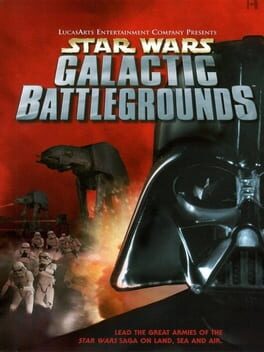
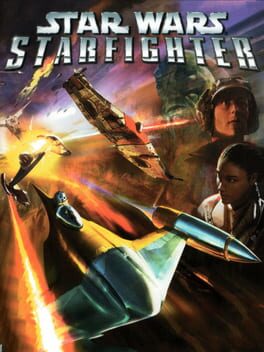
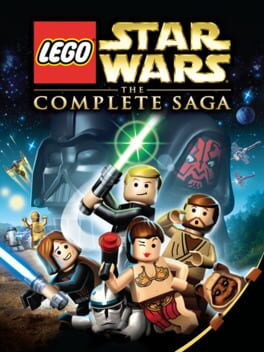
Whole eras of the galaxy to command
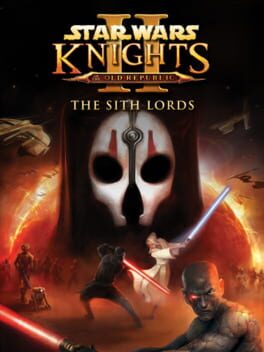
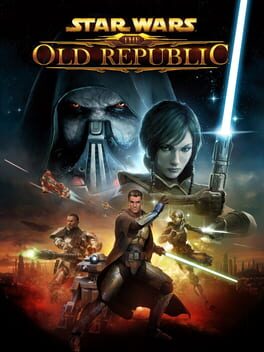
The people who built LucasArts
The designers behind the adventures. Follow any of them to their full catalogue across the studio.
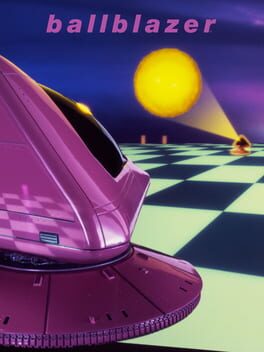
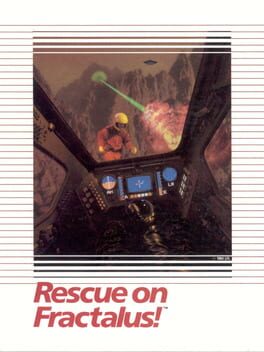
Before SCUMM: the Lucasfilm Games debut
Where it started in 1984
A short history of LucasArts
- 1982George Lucas founds Lucasfilm Games, a small interactive team beside the film company.
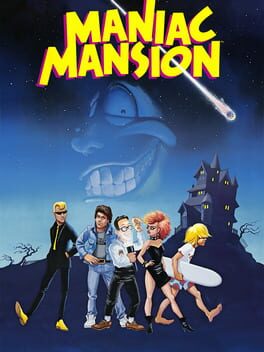
- 1987Maniac Mansion debuts the SCUMM engine and the point-and-click verb interface that will define the studio.
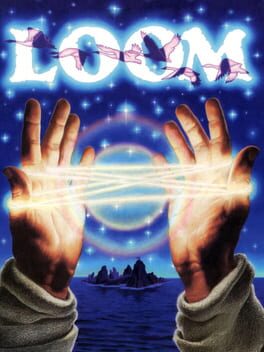
- 1990The team is renamed LucasArts. The Secret of Monkey Island and Loom set the tone for its golden decade.
- 1993X-Wing and Day of the Tentacle show the studio conquering both flight sims and comedy adventures at once.
- 1998Grim Fandango arrives to acclaim and weak sales, an early sign the adventure game's commercial time is passing.
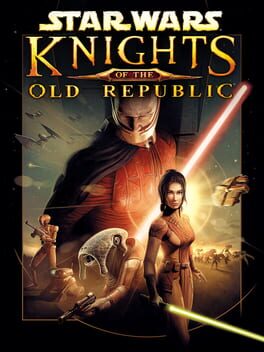
- 2003BioWare's Knights of the Old Republic, published by LucasArts, redefines the Star Wars RPG.
- 2013Disney, having bought Lucasfilm, shuts down internal development at LucasArts and moves to licensing the games out.
Read and watch: the story of LucasArts
The books and documentaries about the studio and the people who made it


Keep listening on Podfriend
Hand-picked shows and themes that go deep on this history.
More golden-age studios
Every studio in the series. More on the way.
For a decade LucasArts was two studios in one body: the smartest comedies in the medium, and the best Star Wars games ever made.
Frequently asked
What was LucasArts' first adventure game?
Maniac Mansion (1987) introduced the SCUMM engine and the point-and-click verb interface. The studio, then called Lucasfilm Games, had made action titles before, but Maniac Mansion set its adventure-game template.
What is the SCUMM engine?
SCUMM (Script Creation Utility for Maniac Mansion) was the scripting system behind most LucasArts adventures, from Maniac Mansion through The Curse of Monkey Island. It is why so many of these games share the same clickable verb interface.
Did LucasArts make Knights of the Old Republic?
Knights of the Old Republic was developed by BioWare and published by LucasArts in 2003. Its sequel, The Sith Lords, was made by Obsidian. Both are widely regarded as among the best Star Wars games ever made.
Why did LucasArts close?
The adventure games stopped selling in the late nineties and key designers left. After Disney acquired Lucasfilm, it shut down LucasArts' internal development in 2013 and shifted to licensing the Star Wars games out to other studios.
How is LucasArts different from Sierra?
LucasArts' SCUMM adventures refused to kill the player or create dead ends, favouring comedy and forgiving design, while Sierra embraced danger and sudden death. The two studios defined the two opposing philosophies of the classic adventure game.